By Investigative Desk
In a decision that has sent shockwaves through the international human rights community and reignited concerns regarding the state of democracy in Southeast Asia, Cambodia’s Supreme Court on Friday upheld the treason convictions and 14-year prison sentences of two prominent journalists. The ruling marks the final chapter in a legal battle that has become a flashpoint for critics who argue that the Cambodian government is systematically weaponizing the judiciary to stifle dissent and criminalize independent reporting.
Phorn Sopheap, 39, of Battambang Post TV Online, and Pheap Pheara, 41, of TSP 68 TV Online, remain incarcerated in Siem Reap Prison. Their case, which originated in the shadow of border tensions with Thailand, has now been cemented as one of the most severe crackdowns on media personnel in the nation’s history.
The Core Facts: A Verdict That Defies Global Standards
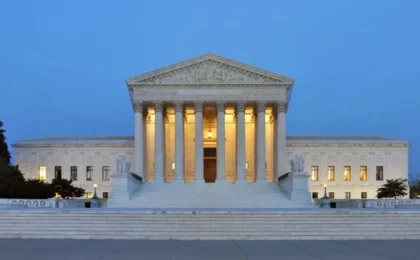
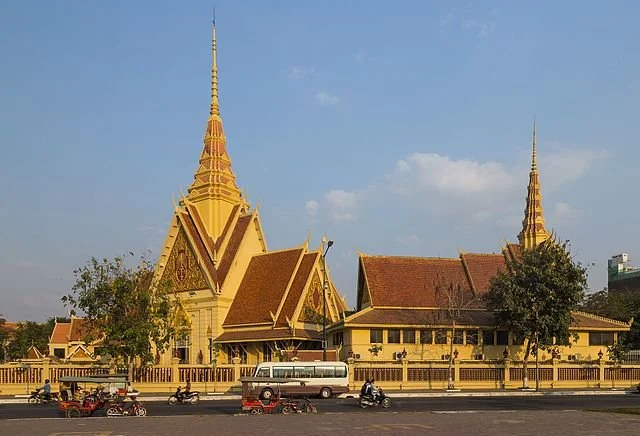
The Supreme Court’s decision came after a brief hearing in Phnom Penh, where Deputy Supreme Court Chief Taing Sunlay announced the bench’s refusal to overturn the lower court’s ruling. The two journalists were originally convicted on December 17, 2025, by the Siem Reap Provincial Court following a summary, one-day trial. That verdict was later affirmed by the Court of Appeal in Battambang on March 26, 2026.
The legal basis for the conviction rests on provisions within the Cambodian Criminal Code, which stipulates that any individual found to have supplied a foreign state with information prejudicial to national defense faces between seven and 15 years in prison. In this instance, the "prejudicial information" in question was a series of social media posts—specifically, photographs taken during a reporting trip to the contested border region near the Ta Krabei Temple.
Prosecutors argued that these images, which purportedly depicted Cambodian military positions, constituted a breach of national security. The defense, throughout the protracted appellate process, argued that the charges were grossly disproportionate. They urged the court to either dismiss the case entirely or, at the very least, downgrade the conviction to the more appropriate, albeit still controversial, charge of "disclosing national defense secrets." They further petitioned for a suspension of the sentences, citing the potential for a royal pardon. These pleas were summarily rejected.
Chronology of the Legal Siege
The path to this final verdict has been marked by a rapid escalation of state pressure against the two men:
- July 31, 2025: Phorn Sopheap and Pheap Pheara are arrested separately while returning from a reporting assignment in Oddar Meanchey province.
- August–September 2025: Initial charges of treason are filed, stemming from allegations that their Facebook posts compromised military security during a period of heightened border friction with Thailand.
- December 17, 2025: The Siem Reap Provincial Court concludes a one-day trial, finding both men guilty and sentencing them to 14 years in prison.
- February 2026: The journalists file a final appeal to the Supreme Court, bringing the previously private case into the public eye and sparking international outcry.
- March 26, 2026: The Court of Appeal in Battambang upholds the original sentence.
- June 2026 (Friday): The Supreme Court of Cambodia delivers its final ruling, closing all domestic legal avenues for the defendants.
The arrests did not occur in a vacuum. They were part of a broader, sweeping campaign by Cambodian authorities to detain journalists, activists, and opposition figures, largely focused on policing digital spaces and social media commentary related to the ongoing border disputes and political dissent.
The Human Cost: Families and Advocates Speak Out
Outside the Supreme Court in Phnom Penh, the emotional toll of the verdict was palpable. Prom Yorn, the mother of Phorn Sopheap, described her son as a dedicated professional whose primary focus had always been the coverage of social issues rather than matters of state or military intelligence.
The spouses of the two men, Hong Tha and Om Sarath, have been vocal in their defense of their husbands’ character. Om Sarath noted that her husband had visited the border not as a spy, but as a civilian intending to deliver gifts to front-line soldiers—a common practice of goodwill in the region. She maintained that the photograph cited by the prosecution as evidence of "treason" was merely a souvenir, and that her husband had no knowledge that sensitive military infrastructure, specifically landmines, was visible in the background.
Supporting Data and Rights Analysis
The international response to the verdict has been scathing. Rights organizations, including Human Rights Watch (HRW) and the Committee to Protect Journalists (CPJ), have characterized the proceedings as a "farcical" attempt to intimidate the media.
Bryony Lau, deputy Asia director at Human Rights Watch, stated that the prosecution is a clear demonstration of the authorities’ "disdain for media freedom." Shawn Crispin, senior Southeast Asia representative for the CPJ, echoed this sentiment, arguing that the decision sets a dangerous precedent by equating basic news-gathering activities with high treason.
Local advocacy groups, such as Licadho, have pointed out the existence of the Cambodian Press Law, which serves as a specialized legal framework for media conduct. They argue that if the government had legitimate grievances regarding the journalists’ reporting, the case should have been handled under this law, which carries significantly lighter penalties. By opting for the Criminal Code’s treason statutes, the government has effectively bypassed the protections afforded to journalists under the Press Law. The Cambodian Journalists Alliance Association has noted that the 14-year terms are, by a significant margin, the harshest ever imposed on reporters in the country’s modern history.
Official Responses: The Government’s Defense
In contrast to the condemnation from international observers, the Cambodian government has maintained that the judicial process was both independent and essential for national security.
Information Minister Neth Pheaktra issued a statement defending the court’s decision, asserting that the Cambodian legal system is committed to protecting the integrity of the nation. "Freedom of expression is constitutionally guaranteed," the Minister stated, "but it is not unlimited and does not confer immunity from criminal liability." According to the government’s position, the journalists crossed the threshold from reporting to jeopardizing national security by publishing sensitive military data.
Implications for the Hun Manet Administration
The Supreme Court’s decision has intensified global scrutiny of Prime Minister Hun Manet’s administration. Since assuming office, Hun Manet has faced persistent allegations that his government continues the repressive tactics of his father and predecessor, Hun Sen.
Critics argue that the judiciary remains an instrument of the executive branch, used systematically to silence critics and maintain a tight grip on information. This perception is reflected in international rankings: Cambodia currently sits at 151st out of 180 countries on the Reporters Without Borders World Press Freedom Index.
As the international community watches, the case of Sopheap and Pheara stands as a chilling reminder of the shrinking space for journalism in Cambodia. For many observers, the 14-year sentence is not merely a punishment for two individuals, but a deliberate signal to the remainder of the Cambodian press corps: that in the current political climate, the pursuit of truth carries a price that few can afford to pay. With the domestic legal system now exhausted, the eyes of the world turn toward whether the government will consider a royal pardon, or if the two journalists will spend the next decade and a half behind bars for the simple act of taking a photograph.