Home to approximately 3.5 million residents, Madrid stands as the vibrant, beating heart of Spain. As the country’s largest city and political capital, it is a sprawling metropolis that defies the conventional tourist narrative. While travelers often flock to the coastal allure of Barcelona, Madrid offers a deeper, more profound immersion into the Spanish psyche. It is a city of sharp contrasts: grand, imperial architecture sits alongside hidden, rustic taverns; world-class galleries house the most significant art in history, while the streets pulse with a nightlife that famously stretches until the early hours of the morning.
For the over 10 million visitors who arrive annually, the sheer scale of the city can be daunting. Yet, once you embrace the local cadence—the delayed dinners, the slow-paced afternoons, and the late-night social energy—the city reveals its true character. Madrid is not a place to be rushed; it is a place to be felt.
Main Facts: The Essence of the Capital
Madrid’s identity is defined by its history as a center of power and its evolution into a modern, cosmopolitan hub. Geographically situated in the center of the Iberian Peninsula, it serves as the nation’s logistical and cultural nexus.
- Population: ~3.5 million (metropolitan area significantly higher).
- Cultural Significance: Home to the "Golden Triangle of Art," including the Prado, the Reina Sofía, and the Thyssen-Bornemisza.
- Climate: Known for its hot, dry summers and crisp, cool winters.
- Philosophy: A culture of sobremesa—the tradition of lingering at the table after a meal to converse, reflecting the city’s preference for quality of life over efficiency.
Chronology: A Five-Day Deep Dive
To truly understand the capital, one must navigate it with intention. This five-day itinerary balances the monumental with the intimate.
Day 1: Immersion in the Art Walk
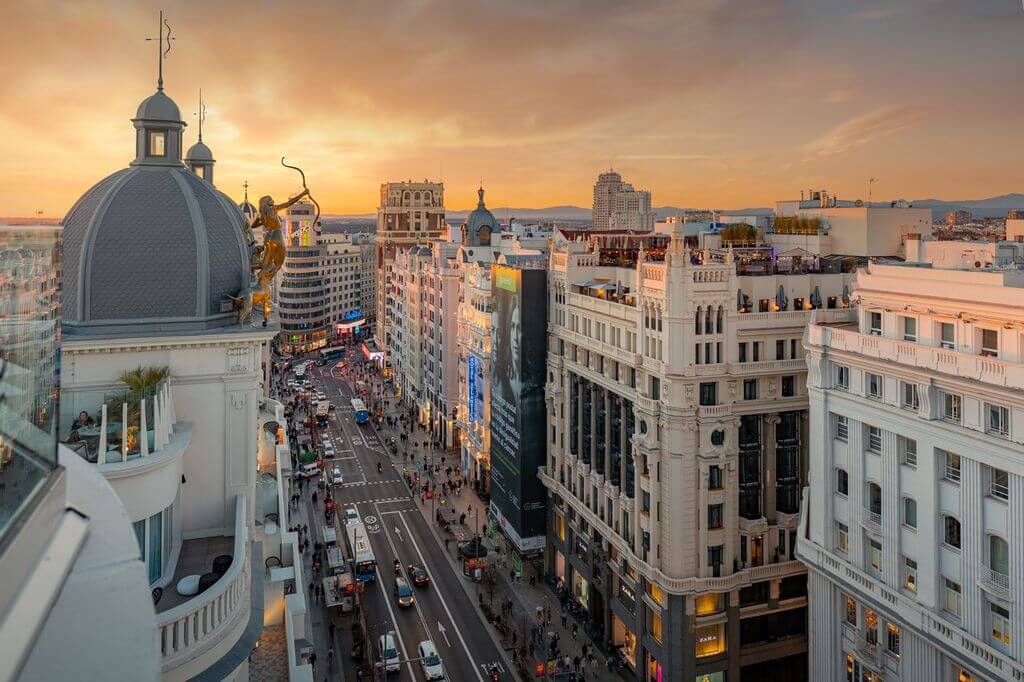
The "Paseo del Arte" (Art Walk) is a UNESCO World Heritage site, home to over 40 monuments and historic buildings. Start at the Prado Museum, a repository of masterpieces by Velázquez, Goya, and El Greco. After absorbing the classics, traverse the Paseo del Prado to the Thyssen-Bornemisza, which offers a comprehensive history of Western art, before ending at the Reina Sofía. Here, Picasso’s Guernica stands as a haunting, mandatory encounter with history. For dinner, retreat to the 17th-century wine caves of Bodega de los Secretos for an experience that bridges the gap between antiquity and gastronomy.
Day 2: The Grandeur of the Historic Center
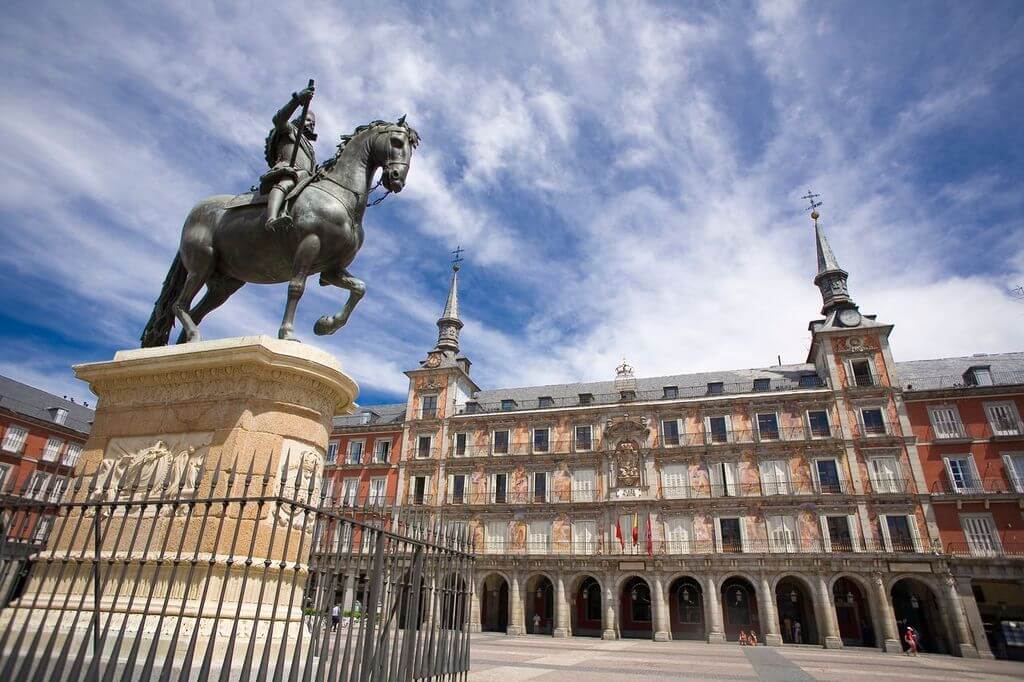
Explore "Habsburg Madrid," the medieval core of the city. Begin at Puerta del Sol, the physical center of Spain, marked by the Kilometer Zero plaque. Visit the iconic Plaza Mayor, where history—from bullfights to public executions—has played out for centuries. Follow this with a tour of the Royal Palace, a Baroque masterpiece with over 3,400 rooms. Conclude at the Almudena Cathedral, where a climb to the dome offers a panoramic perspective of the city’s architectural evolution.
Day 3: Culinary Discovery
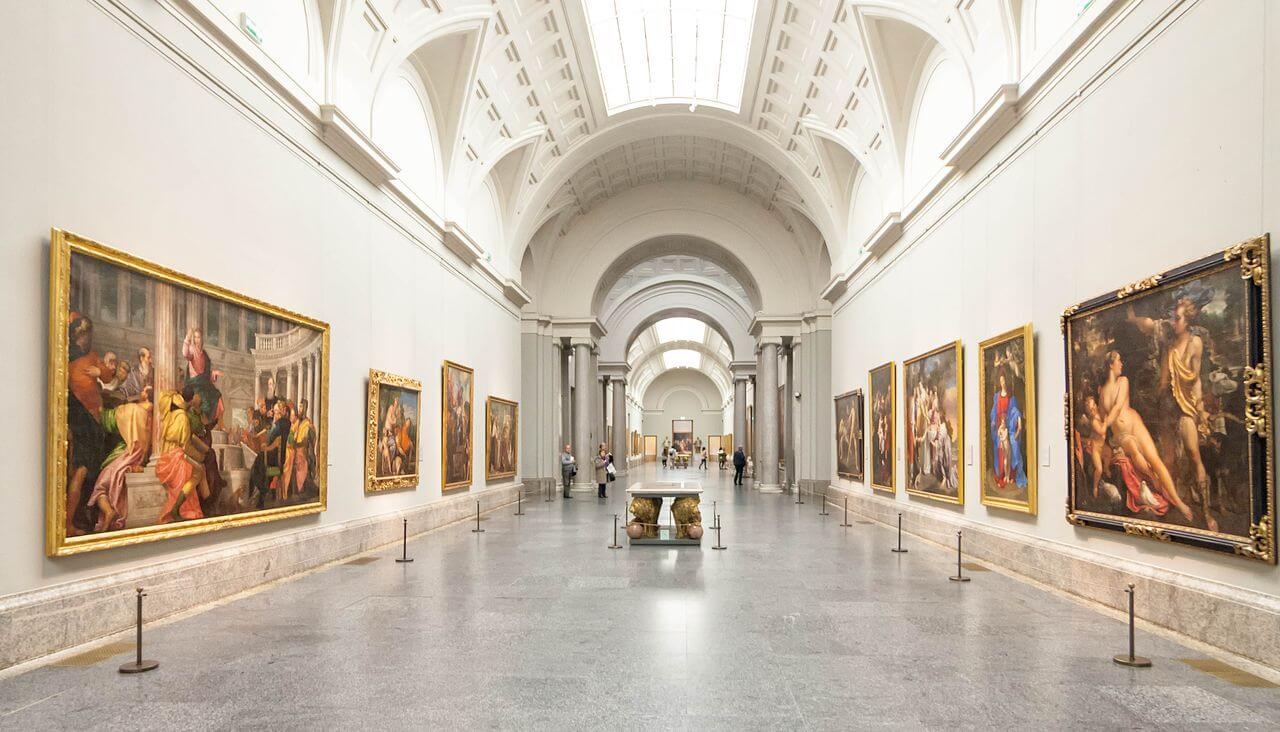
Madrid’s culinary scene is a living organism. Begin your day at the Mercado de San Miguel, a glass-walled temple of gastronomy. Rather than relying on tourist-heavy maps, engage in "tapas crawling" through the historic Barrio de las Letras. For dinner, pay homage to history at Sobrino de Botín, the world’s oldest restaurant. Cap the night at a rooftop bar along Gran Vía, such as the RIU 360º Sky Bar, where the glittering skyline provides the perfect backdrop for reflection.
Day 4: UNESCO World Heritage Wonders
Beyond the city limits lie the pillars of the Spanish Empire. A one-hour journey brings you to the Monastery of San Lorenzo de El Escorial, a granite monument to Philip II’s austerity and ambition. Alternatively, the Royal Palace and Gardens of Aranjuez offer a regal retreat, often compared to the splendor of Versailles. For those drawn to literature, Alcalá de Henares—the birthplace of Miguel de Cervantes—provides a perfectly preserved window into the Spanish Golden Age.
Day 5: Off-the-Beaten-Path Treasures
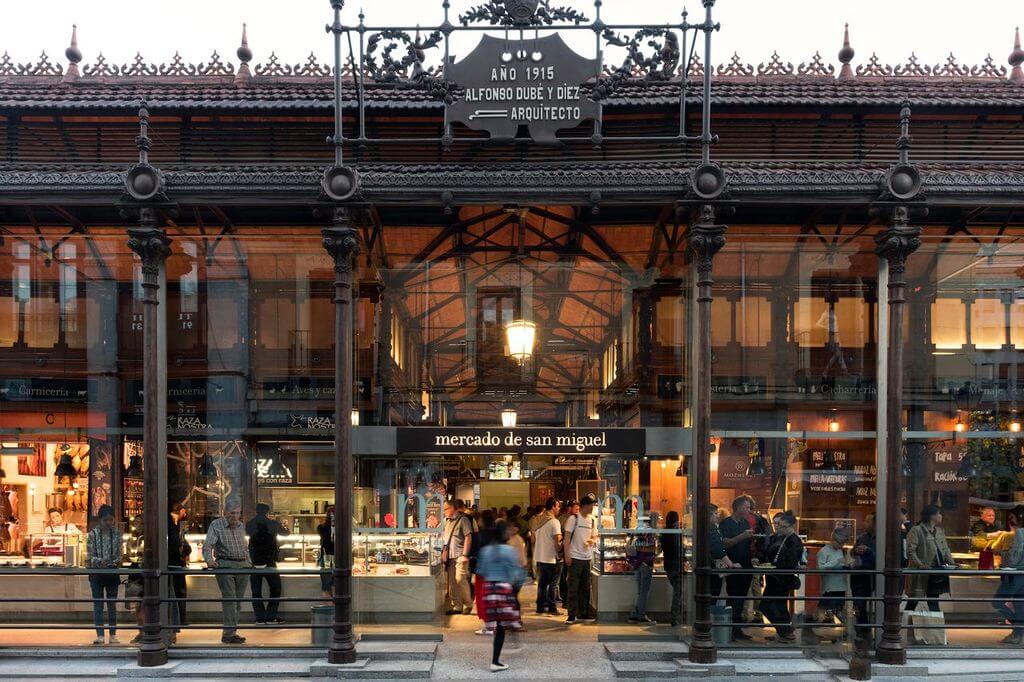
On your final day, avoid the crowds by visiting the Monastery of Las Descalzas Reales. This former palace, turned convent, houses an extraordinary collection of art donated by aristocratic women who sought refuge within its walls. Follow this with a visit to the Royal Monastery of La Encarnación. End your journey in Casa de Campo, the city’s largest public park, where you can watch the sunset over the Royal Palace and the Almudena Cathedral, grounding your visit in the tranquil space that locals cherish most.
Supporting Data: Why Madrid Matters
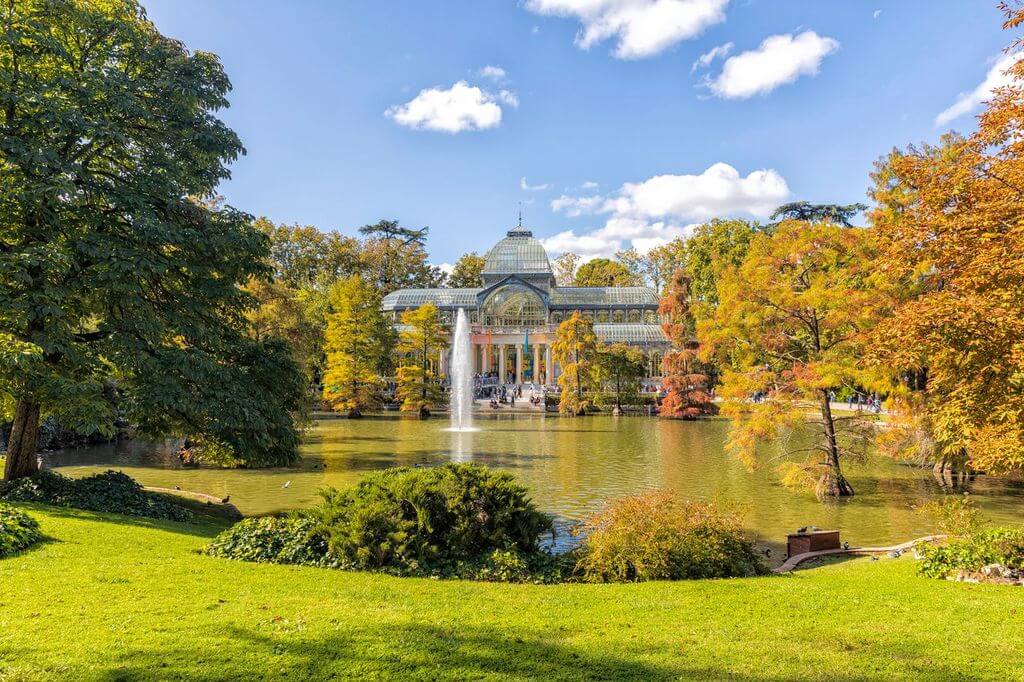
The numbers support the city’s status as a top-tier destination. In 2021, the "Paisaje de la Luz" (Landscape of Light)—which includes the Retiro Park and the Paseo del Prado—was formally recognized by UNESCO. This designation underscored the city’s unique ability to integrate urban green space with imperial history. Furthermore, the city’s investment in public infrastructure, such as the renovation of the Sorolla Museum (reopening 2026), indicates a long-term commitment to preserving its "painterly" legacy while welcoming modern tourism.
Official Responses and Perspectives
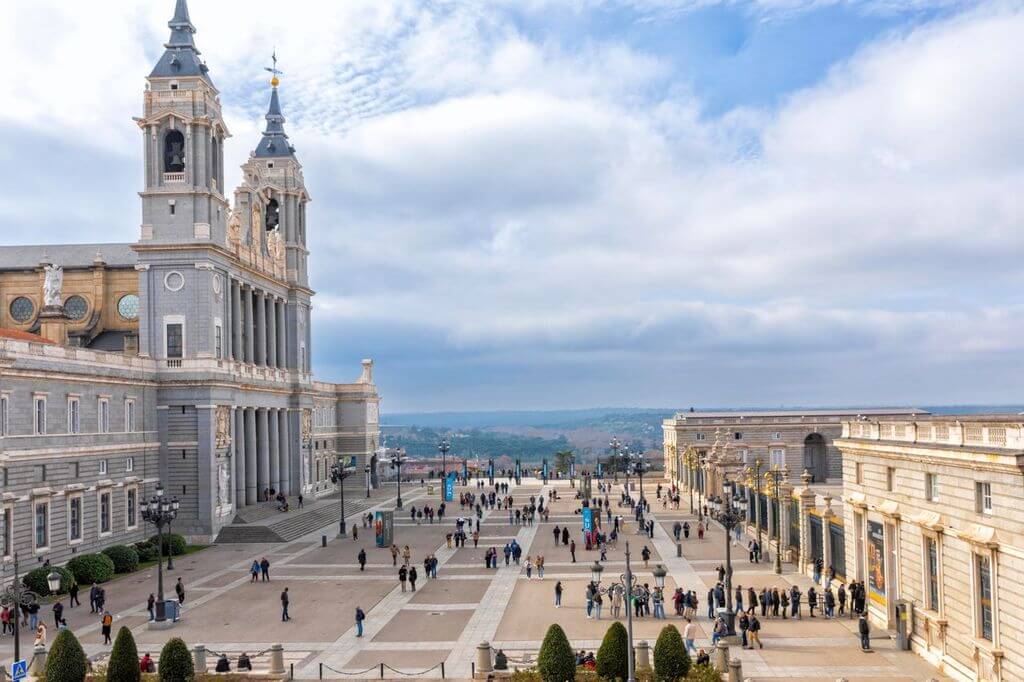
Local authorities and urban planners emphasize that Madrid’s appeal lies in its "livability." Unlike cities that have been hollowed out by over-tourism, Madrid has maintained a robust residential core. The government’s focus on pedestrianizing areas like the Gran Vía and expanding the network of "House Museums" demonstrates an effort to distribute tourism more evenly across the city, reducing congestion while enhancing the visitor experience. Cultural advocates argue that the key to Madrid is the "slow-burn" experience—taking the time to understand the local customs, such as the specific etiquette of tapas bars, which rewards the patient traveler with better service and more authentic interactions.
Implications: The Future of the Madrid Experience
What does this mean for the future traveler? As global travel patterns shift toward more sustainable, culturally immersive experiences, Madrid is positioned perfectly. Its reliance on walking, its emphasis on public plazas as social hubs, and its thriving vegetarian and vegan scene (particularly in neighborhoods like Malasaña) demonstrate a city that is adapting to 21st-century values without abandoning its 17th-century foundations.
For those planning a visit, the implications are clear:
- Preparation is paramount: With the density of sites, booking museum slots in advance is not just a recommendation; it is essential.
- Budgeting: Madrid remains one of the most affordable Western European capitals, provided one avoids the immediate vicinity of the main tourist squares for dining.
- Timing: Embrace the local clock. By shifting your schedule to align with the Madrileño rhythm, you gain access to the city’s most authentic hours—the mid-afternoon sobremesa and the vibrant, late-night social life.
Madrid is not merely a collection of museums and plazas; it is an atmosphere. Whether you are standing in the silent halls of a royal monastery or sharing a plate of croquetas in a bustling, crowded market, the city offers a profound sense of continuity. It is a place where the weight of history is carried lightly, and where every traveler—regardless of their background or budget—can find a seat at the table. By moving beyond the surface-level attractions and engaging with the daily life of the city, you do not just visit Madrid; you experience the very soul of Spain.