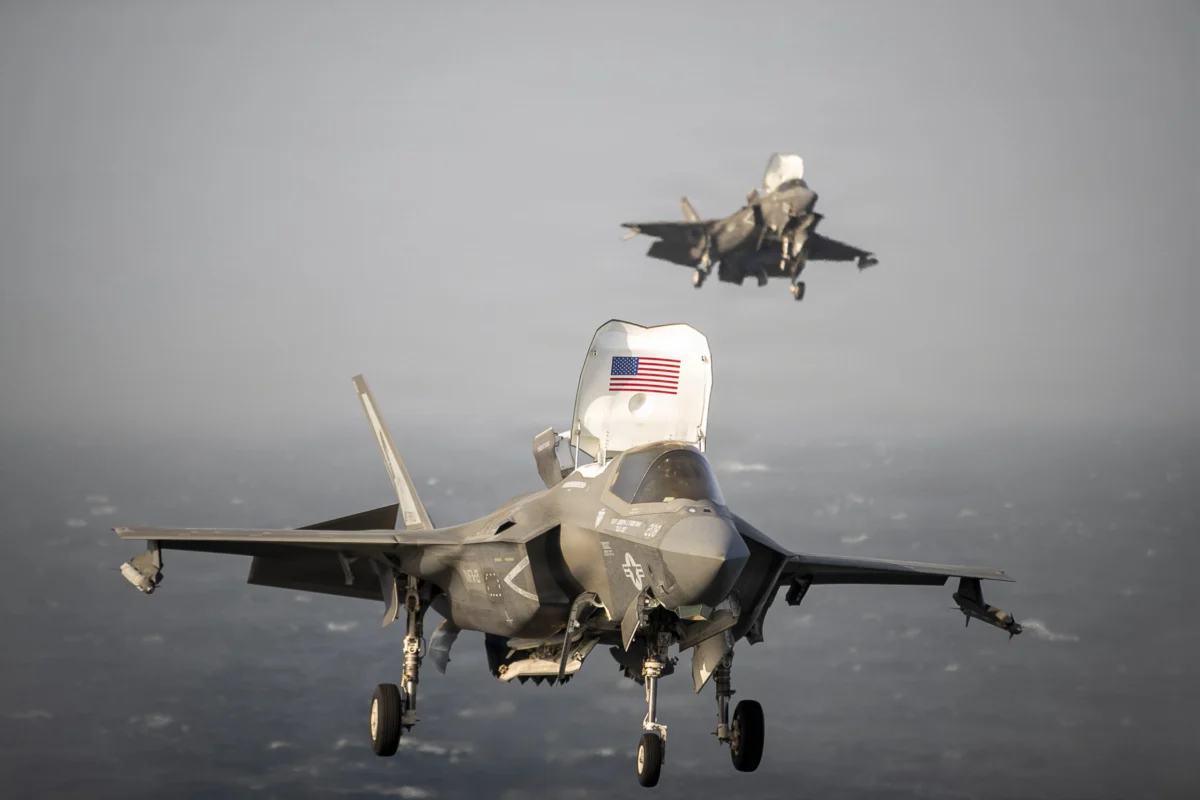
The Persian Gulf, a region that serves as the jugular vein of the global energy market, is once again witnessing a dangerous escalation of hostilities. Despite a formal agreement between the United States and the Islamic Republic of Iran to extend a ceasefire and pursue a lasting peace, the reality on the water tells a far more volatile story. Recent days have seen a flurry of projectiles, drone strikes, and retaliatory bombings that threaten to dismantle months of delicate diplomacy.
As of June 2026, the geopolitical landscape remains scarred by the recent conflict involving the United States, Israel, and Iran. While a ceasefire was intended to provide a cooling-off period, the Strait of Hormuz has become the epicenter of a new kind of "shadow war"—one fought over maritime sovereignty, transit fees, and the right to control the world’s most critical shipping lane.
Main Facts: A Weekend of Fire and Steel
The current surge in violence reached a peak this past weekend. On Saturday, Iranian forces launched a wave of loitering munitions—commonly referred to as "suicide drones"—targeting Bahrain. This attack was particularly provocative as Bahrain hosts the headquarters of the U.S. Navy’s 5th Fleet, the primary American maritime force in the Middle East. Simultaneously, reports emerged of an attack on a commercial vessel in the Gulf, an operation maritime analysts widely attribute to Iranian paramilitary forces.
These actions were not unprovoked in the eyes of Tehran. They followed a series of surgical strikes conducted on Friday by U.S. Central Command (CENTCOM). The U.S. military targeted Iranian missile batteries, drone launch sites, and coastal radar installations. According to CENTCOM, these strikes were a direct response to Iranian interference with merchant vessels attempting to transit the Strait of Hormuz.
At the heart of the dispute is the "Persian Gulf Strait Authority," a newly created Iranian entity through which Tehran seeks to formalize its control over the waterway. Iran has demanded that all vessels use regime-approved routes and has insisted on the right to levy "transit fees" or tolls. In response, the U.S. and its regional allies have established an alternate shipping corridor along the Omani coast, designed to bypass Iranian-controlled waters. This "parallel route" has become the primary flashpoint for the current escalation.
Chronology of the Crisis: From Ceasefire to Combat
The path to the current weekend of violence began months ago but has accelerated rapidly following the most recent diplomatic attempts to stabilize the region.
- The Ceasefire Extension: Earlier this month, negotiators in Geneva reached a tentative agreement to extend the existing ceasefire. This was seen as a major win for the international community, which had been reeling from the energy shortages caused by the initial U.S.-Israel-Iran war.
- The First High-Level Meeting: Last weekend, senior U.S. and Iranian officials met for the first time since the extension was signed. While the rhetoric from the meeting was cautiously optimistic, focusing on nuclear program limitations and the unfreezing of Iranian assets, it failed to address the immediate friction in the Strait of Hormuz.
- Thursday’s Joint Statement: The U.S. and the Gulf Cooperation Council (GCC) issued a stern joint statement on Thursday. The communiqué reaffirmed the principle of "freedom of navigation" and explicitly rejected any attempt by Iran to charge fees or divert traffic through Iranian-mandated channels.
- Friday’s Retaliatory Strikes: Following reports of Iranian forces harassing commercial tankers, U.S. CENTCOM authorized strikes on coastal military infrastructure. These strikes were intended to degrade Iran’s ability to monitor and strike ships using the Omani bypass.
- Saturday’s Drone Escalation: Iran responded by targeting Bahrain and commercial shipping. The Joint Maritime Information Center (JMIC) immediately reacted by raising the maritime threat level in the region from "moderate" to "substantial."
Supporting Data: The Economic and Strategic Stakes
The Strait of Hormuz is not merely a regional waterway; it is a global economic choke point. Approximately 20% to 30% of the world’s total oil consumption passes through this narrow passage daily. The "bottleneck effect" created by the recent war has left massive quantities of crude oil and liquefied natural gas (LNG) trapped within the Gulf, waiting for safe passage to global markets.
The Two-Route Conflict
The strategic battle is currently being fought over two competing maritime visions:
- The Iranian Route: Controlled by the Persian Gulf Strait Authority. Iran claims sovereignty over these waters and insists that international law permits them to regulate traffic and charge for "security services."
- The Omani Bypass: A U.S.-backed alternate path that hugs the coast of Oman. On Saturday, U.S. officials confirmed that this path has been expanded to accommodate two-way, inbound and outbound traffic. This expansion is designed to facilitate the massive backlog of supplies that had been "bottled up" during the height of the war.
The Role of the IMO and Oman
The International Maritime Organization (IMO), in coordination with the Sultanate of Oman, has established a technical mechanism to help hundreds of vessels navigate the Omani route. This corridor avoids the most contentious areas of the Strait but remains vulnerable to long-range drone and missile attacks from the Iranian mainland.
According to a note from the Institute for the Study of War (ISW), Iran’s use of force is a calculated attempt to make the Omani route appear unsafe, thereby forcing the international community back into Iranian-controlled lanes. The ISW notes that "Iran is likely attempting to prevent vessels from using non-Iranian shipping channels with force in the immediate term as it continues negotiations with the Gulf Arab states to secure long-term recognition of its control."
Official Responses: Diplomacy vs. Deterrence
The rhetoric from both sides underscores a fundamental disagreement on the definition of maritime law and regional security.
The United States and GCC:
The joint statement from the U.S. and the Gulf Cooperation Council was unambiguous. "The members of the GCC and the United States reiterate their commitment to the free flow of commerce and the rejection of any attempts to impede navigation or impose illegal tolls," the statement read. U.S. Central Command added that its role is now one of "safe passage coordination," essentially providing an armed escort or "shepherding" service for ships that choose the Omani path.
The Islamic Republic of Iran:
Tehran has remained defiant. Iranian officials have warned that "safe passage cannot rely on parallel routes or decisions made outside of Tehran." The regime views the Omani bypass as an infringement on its regional hegemony. Iranian state media has characterized the U.S. strikes as "acts of aggression" that violate the spirit of the ceasefire, arguing that the U.S. is the primary source of instability in the region.
The Think Tank Perspective:
The Institute for the Study of War (ISW) suggests that Iran is in a precarious position. While it is using military force to assert control, it cannot do so indefinitely. "Iran needs Gulf states’ recognition of its control over Iran’s route to maintain control over the strait because it cannot conduct attacks in perpetuity without risking instability and additional attacks," the ISW reported. This suggests that the drone strikes are a form of "violent lobbying" aimed at the negotiating table.
Implications: A "Substantial" Threat to Global Stability
The shift in the threat level from "moderate" to "substantial" marks a significant downturn in the regional security outlook. For the global economy, this means higher insurance premiums for shipping, potential delays in energy deliveries, and continued volatility in oil prices.
The Fragility of the Ceasefire
The recent hostilities prove that the U.S.-Iran ceasefire is paper-thin. While diplomatic channels remain open to discuss nuclear issues and sanctions relief, the lack of a maritime security agreement creates a constant "tripwire" for larger conflict. If a drone strike were to result in a mass-casualty event on a U.S. naval base or a major environmental disaster via a sunken tanker, the ceasefire would likely collapse entirely.
The "S#!T" Factor
Maritime expert Sal Mercogliano, a professor at Campbell University, offered a blunt assessment of the situation on social media. While the U.S. has managed to move a "trickle" of ships through the region, the threat of another total closure of the Strait looms large. Mercogliano warned that despite the technical coordination and the alternate routes, the situation is highly unstable, advising stakeholders to "be prepared for it to return to S#!T at any moment."
Long-term Regional Realignment
The ongoing conflict is forcing a realignment of Gulf priorities. Oman’s role as a "neutral" facilitator is being tested as it allows its waters to be used as a bypass. Meanwhile, the GCC’s unified front with the U.S. suggests that Iran’s attempt to "normalize" its control through the Persian Gulf Strait Authority is facing stiff resistance from its neighbors.
In conclusion, the Persian Gulf remains a theater of high-stakes brinkmanship. The U.S. is attempting to "punch a bigger hole" through the Strait by expanding alternate routes, while Iran is using asymmetric warfare to ensure that no ship moves without its blessing. Until the diplomatic negotiations address the fundamental issue of maritime sovereignty, the "projectiles flying across the Gulf" are likely to remain a permanent fixture of the landscape, keeping the world’s energy security in a state of perpetual anxiety.