Introduction: A Fragile State and the Cost of Proxy Warfare
The Democratic Republic of the Congo (DRC) finds itself at a harrowing crossroads. As the central government struggles to maintain territorial integrity against the encroaching March 23 Movement (M23), a new, damning report from Amnesty International has shed light on the moral and legal costs of the state’s counter-insurgency strategy. The human rights organization has formally called upon the Congolese authorities to immediately sever all military and financial support for the Collective of Movements for Change-People’s Defense Forces (CMC-FDP), an armed group increasingly implicated in systematic human rights abuses that may rise to the level of war crimes.
This revelation highlights a dangerous trend in eastern DRC: the reliance of national armed forces (FARDC) on "Wazalendo"—a coalition of local armed groups—to act as proxies against M23. While the government frames this collaboration as a necessary measure for national defense, international monitors argue that it has institutionalized state-sponsored violence against the very civilians the government is sworn to protect.
The Core Allegations: Systematic Abuse and State Complicity
Amnesty International’s findings paint a grim picture of life under the shadow of the CMC-FDP. The group, which operates with the tacit and overt backing of the Congolese military, has been accused of orchestrating a campaign of terror against civilians in areas where M23 exerts influence.
The Anatomy of Violence
According to the report, the violations committed by CMC-FDP fighters are not merely isolated skirmishes but appear to be targeted, retaliatory operations. The documentation includes:
- Targeted Retaliation: Systematic summary killings of family members of individuals suspected of joining or sympathizing with M23.
- Sexual Violence: The widespread use of rape and sexual assault as a weapon of intimidation against women and girls.
- Economic Despoliation: Systematic looting of homes, the burning of civilian infrastructure, and the implementation of extortion rackets that force families to pay "protection" ransoms.
Tigere Chagutah, Amnesty International’s regional director for East and Southern Africa, expressed clear condemnation: "It is inexcusable that the Congolese army continues to support CMC-FDP fighters despite their appalling abuses against civilians. The Congolese government must immediately end its support and collaboration with CMC-FDP and other abusive Wazalendo groups and hold them accountable."
The report further emphasizes the principle of command responsibility. By providing the CMC-FDP with weapons, ammunition, and logistical support, the Congolese state is not merely an observer; it is potentially complicit in the crimes these proxies commit. Amnesty suggests that even if high-ranking government officials did not issue direct orders for these crimes, their failure to act, investigate, or punish known perpetrators renders them legally vulnerable under international humanitarian law.
Chronology of the Conflict and Escalation
To understand the current crisis, one must view it within the broader timeline of the eastern DRC’s destabilization.
- 2023–2024: The Rise of the Wazalendo: As the M23 insurgency regained momentum, the Congolese government, facing severe military setbacks, began formalizing its reliance on local armed militias, collectively branded the "Wazalendo" (patriots).
- 2024: International Scrutiny: The European Union formally sanctioned the commander of the CMC-FDP, citing his personal involvement in egregious human rights violations. This marked a turning point, signaling that the international community could no longer ignore the state’s reliance on sanctioned entities.
- 2025: A Year of Atrocities: The conflict reached a fever pitch in 2025. In September, a landmark United Nations report concluded that all parties—including state forces, the M23, and their respective proxies—were committing violations that amounted to war crimes and crimes against humanity.
- 2026: Continued Instability: Despite sporadic diplomatic efforts and the signing of peace agreements, violence in the eastern provinces remains endemic. In May 2026, multiple human rights organizations released reports echoing Amnesty’s findings, demanding a robust accountability mechanism to address the cycle of impunity.
Supporting Data: The Cost of Proxy Warfare
The integration of the CMC-FDP into the state’s security apparatus has created a "shadow military" that operates outside the traditional chain of command. Data provided by international observers suggest that the DRC government has supplied these groups with both lethal weaponry and essential funding.
The Role of Natural Resources
The conflict is inextricably linked to the region’s vast mineral wealth. Armed groups often use the cover of anti-M23 operations to seize control of artisanal mining sites. The economic incentive to maintain control over these territories often outweighs the military objective of defeating the M23. The extortion of civilians, as highlighted by Amnesty, is an extension of this predatory behavior, where "protection" is sold to the impoverished residents of contested zones.
Legal Implications
Under the Rome Statute, which governs the International Criminal Court (ICC), the provision of military aid to a group known to be committing war crimes can lead to charges of complicity. By maintaining a formal relationship with the CMC-FDP, the DRC government risks placing its own officials under the jurisdiction of international tribunals.
Official Responses and Denials
In response to the Amnesty International report, the CMC-FDP leadership issued a statement categorically denying the allegations. They characterized the reports as a smear campaign, asserting that no official complaints or judicial inquiries have been presented to their internal disciplinary committees.
"If such abuses occurred," the group claimed in a statement, "they would constitute isolated incidents that are contrary to our principles and our commitment to respecting human rights and discipline."
The Congolese government has yet to provide a substantive, unified response to the latest specific allegations regarding the CMC-FDP. Historically, the government has maintained that the Wazalendo are a spontaneous grassroots response to external aggression and that the state has limited capacity to monitor or control their internal conduct. However, critics argue this "lack of capacity" defense is increasingly untenable given the documented evidence of government-provided weapons and coordination.
Implications for the Future of the DRC
The current situation in the eastern DRC represents a systemic failure of governance. The reliance on proxy groups is a short-term military strategy with long-term, devastating consequences for the state’s legitimacy.
The Impunity Cycle
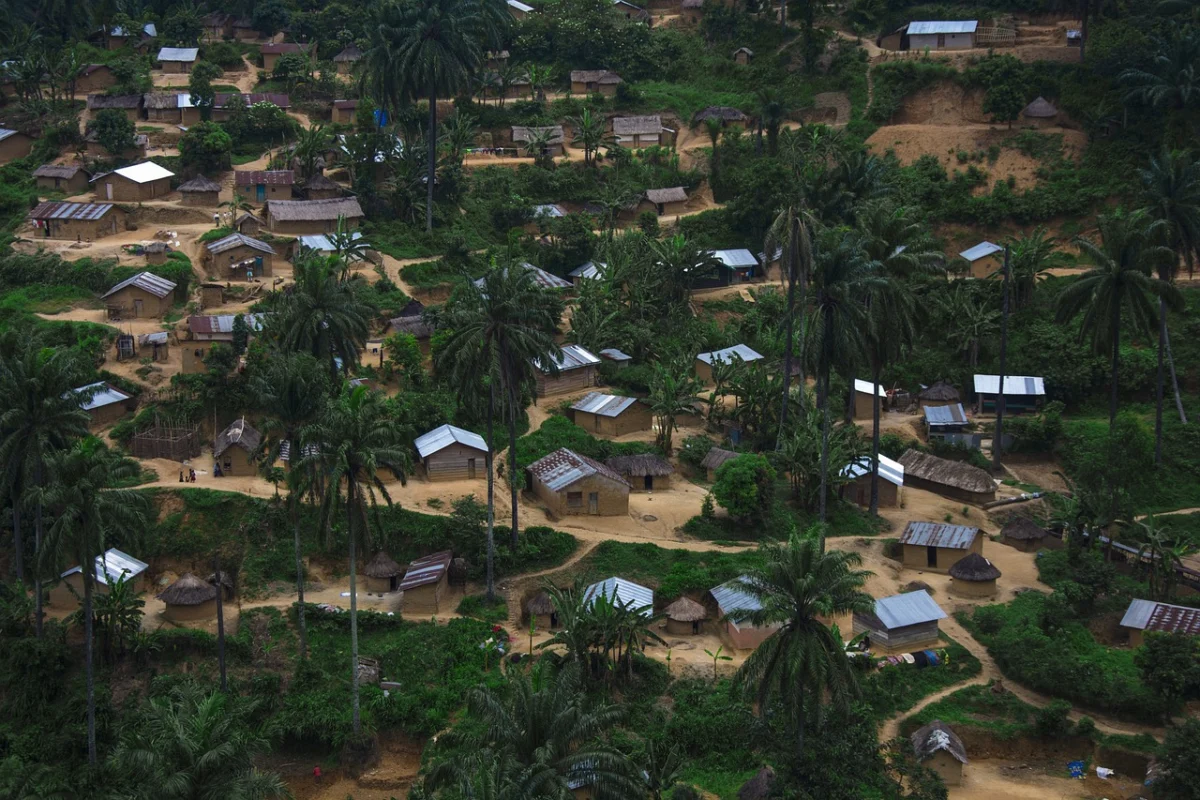
When the state delegates its monopoly on the use of force to militias, it loses the ability to enforce the rule of law. The civilians living in the Kivu regions are effectively trapped between two sets of belligerents—the M23 and the state-backed Wazalendo—neither of which considers the protection of human rights a priority.
International Intervention
The international community, particularly the EU and the United Nations, faces a difficult dilemma. While they recognize the Congolese government’s right to defend its territory, the support for groups like the CMC-FDP creates a moral hazard. Moving forward, the international community is likely to condition future military and financial aid on the immediate dissolution of these proxy relationships.
The Path Toward Accountability
For lasting peace to take root in the DRC, the government must undertake several critical steps:
- Dismantling the Proxy Network: A phased, transparent process to integrate or demobilize the Wazalendo groups.
- Judicial Reform: Establishing independent, credible judicial mechanisms to investigate and prosecute human rights abuses, regardless of the perpetrator’s political or military affiliation.
- Civic Protection: Reorienting the national military (FARDC) to prioritize the protection of civilians over territorial capture, ensuring that military personnel who collaborate with abusive groups are held accountable.
Conclusion
The call from Amnesty International is a clarion signal that the status quo is unsustainable. As the conflict in the eastern DRC continues to claim lives and dismantle communities, the complicity of the state in the crimes of its proxies serves only to prolong the violence. The Congolese government stands at a critical juncture: it can continue to prioritize short-term military gain at the cost of its international standing and the lives of its people, or it can finally commit to the rigorous, often difficult work of restoring the rule of law and ending the era of proxy warfare. The world is watching, and for the thousands of civilians currently suffering in the crossfire, the time for accountability is long overdue.