
The Golden Age of the Bucket: 10 Defunct Chicken Chains That Still Define Boomer Nostalgia

For those who came of age in the 1960s, 70s, and 80s, the American fast-food landscape was a vastly different terrain than the standardized, app-driven ecosystem of today. It was a time of regional identity, celebrity-backed ventures, and "secret" family recipes that promised to change the way America ate. While Colonel Sanders may have pioneered the fried chicken phenomenon at a humble service station in the 1930s, the decades that followed saw an explosion of competition—a "Chicken Gold Rush" that left an indelible mark on the collective palate of the Baby Boomer generation.
Though many of these iconic brands have faded into the annals of history, their cultural footprint remains remarkably deep. From the neon glow of a Kenny Rogers Roasters sign to the peculiar marketing of cartoon-themed chicken, these establishments were the backdrops for first dates, family vacations, and the simple, greasy joy of a Friday night dinner.
The Chronology of a Culinary Phenomenon
The rise of the independent chicken chain was not merely a business trend; it was a reflection of the American dream. Between 1960 and 1990, the landscape was crowded with entrepreneurs who believed that with the right branding—and perhaps a famous partner—they could topple the giants.
- 1936: Chicken in the Rough establishes the "no silverware" model in Oklahoma.
- 1961: Pioneer Chicken launches in Los Angeles, eventually becoming a West Coast staple.
- 1967: Minnie Pearl’s Chicken and All Pro Chicken debut, signaling the era of celebrity-backed fast food.
- 1968: Mahalia Jackson’s Glori-Fried Chicken opens, merging soul food with social mission.
- 1979: Chicken George brings a culturally resonant menu to the burgeoning mall food court scene.
- 1980: Sisters Chicken and Biscuits attempts to bring Southern hospitality to the Wendy’s ecosystem.
- 1991: Kenny Rogers Roasters introduces the "healthy" rotisserie alternative, peaking mid-decade before a swift decline.
Supporting Data: Why These Chains Resonate
The enduring obsession with these defunct chains is best documented in the digital age. Across platforms like Reddit, Facebook, and Instagram, Boomers frequently congregate in comment sections to mourn the loss of specific flavor profiles—the peppery crust of Minnie Pearl’s, the unmatched chicken livers of Holly Farms, and the citrus-tinged rotisserie of Kenny Rogers.
Sociologists note that this nostalgia is tied to the "sensory branding" of the era. Unlike the homogenized flavors of modern global chains, these restaurants often featured unique, site-specific cooking methods—wood-fired rotisseries, specialized honey-dipping techniques, or proprietary batter blends that felt "home-cooked" despite being served from a drive-thru window.
Iconic Chains: A Deep Dive
Kenny Rogers Roasters: The Rotisserie Revolution
Founded in 1991 by the legendary country singer and former Kentucky governor John Y. Brown Jr., Kenny Rogers Roasters arrived with a mission to de-throne fried chicken by offering wood-fired rotisserie. It was a massive cultural moment, immortalized in a classic Seinfeld episode that mocked the intense neon brightness of its signage. Despite reaching 350 locations, legal disputes and bankruptcy filings in 1998 led to its U.S. exit by 2011. Today, it remains a thriving entity in Asia and the Middle East, occasionally driving die-hard fans to book international travel simply for a taste of the past.
Pioneer Chicken: The West Coast Titan
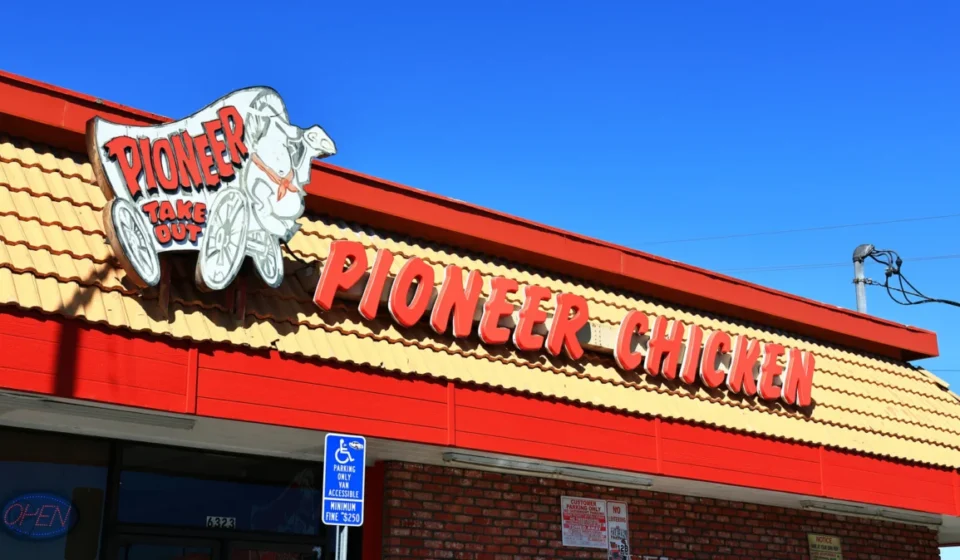
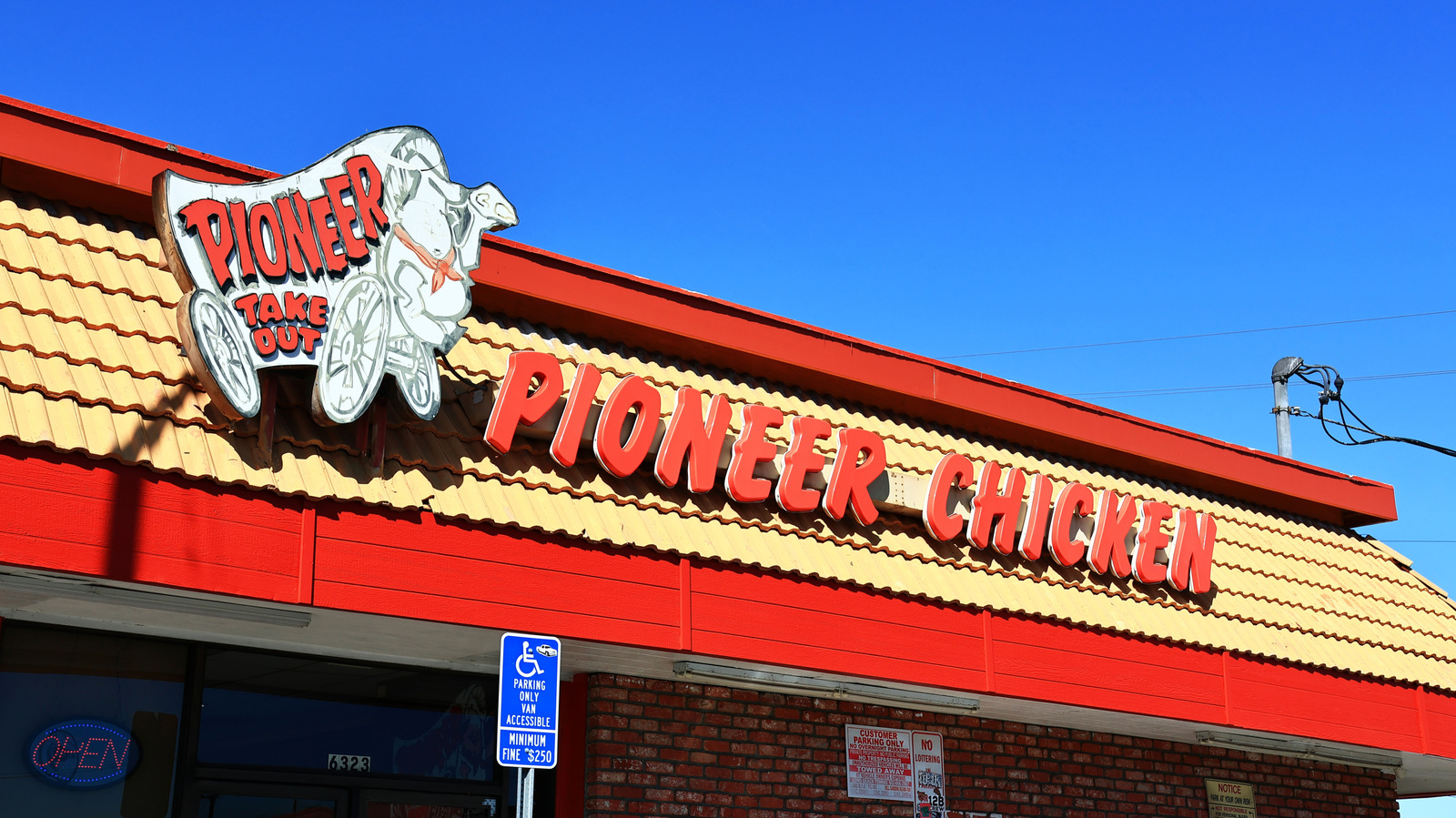
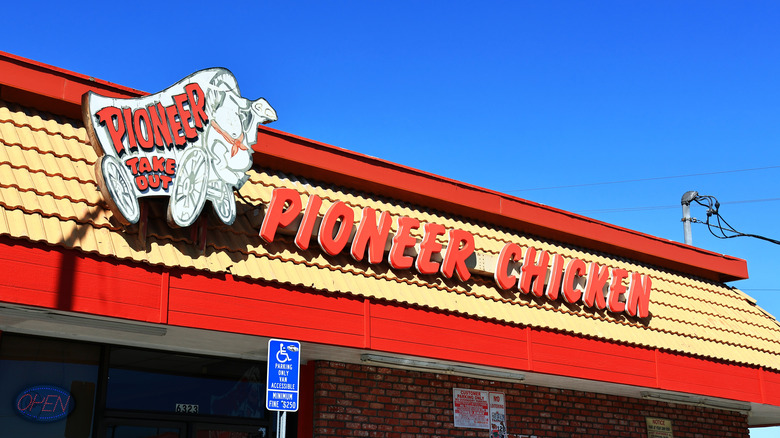
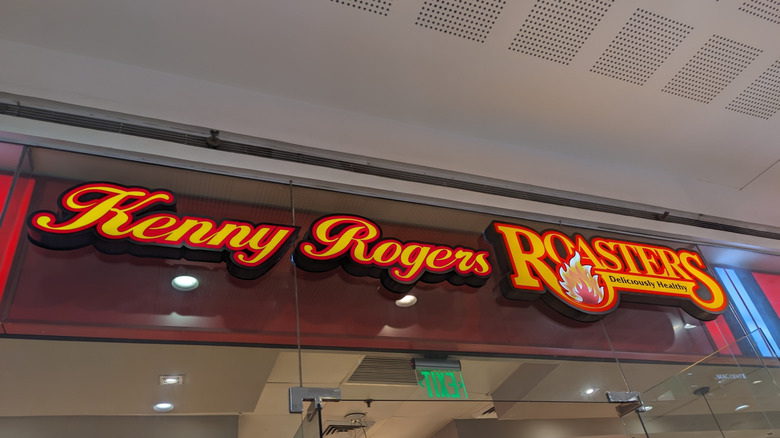
Pioneer Chicken was more than a restaurant; it was a piece of Los Angeles iconography. With ads featuring Muhammad Ali and cameos in pop culture staples like Full House and DeBarge’s "Rhythm of the Night" video, it defined a generation of Southern Californians. By the time Popeyes acquired the brand in 1993, its conversion was swift. Today, the few remaining locations—such as the one in Boyle Heights—serve as pilgrimage sites for those chasing the memory of their signature batter-fried recipe.
Mahalia Jackson’s Glori-Fried Chicken: Food as Empowerment
Perhaps the most socially conscious of the era’s chains, this venture was designed by the "Queen of Gospel" to generate wealth within Black communities. Operating out of converted gas stations and designed to resemble modern church architecture, the chain was as much about community as it was about poultry. Though legal investigations into its partners eventually shuttered the business, it remains a touchstone for those who valued the intersection of soul food and civil rights-era ambition.
Sisters Chicken and Biscuits: The Wendy’s Connection
Dave Thomas, the founder of Wendy’s, viewed Colonel Sanders as his mentor, and he applied those lessons to his own chicken venture, Sisters. Launched in 1980, it featured an aesthetic of white picket fences and gas-light fixtures. While the chain disappeared as Wendy’s consolidated its focus, the "Sisters" legacy lives on in the biscuit recipes that still define the breakfast menus of many modern fast-food giants.
Official Responses and Business Realities
The collapse of these chains was rarely due to a lack of flavor; it was almost always a result of rapid, unsustainable expansion or legal complications. Companies like Minnie Pearl’s Chicken and Mahalia Jackson’s Glori-Fried Chicken fell victim to Securities and Exchange Commission (SEC) investigations into "default accounting practices," where franchises were sold based on projections that never materialized into profit.
The corporate consolidation of the 1990s was the final nail in the coffin for many. Larger entities like Popeyes, Tyson Foods, and Hardee’s frequently acquired these smaller brands, often to eliminate competition or absorb real estate, rather than to preserve the culinary legacy of the original founders.
Implications for Modern Fast Food
What does this obsession with defunct chicken say about our current food culture? The primary implication is a yearning for "hyper-locality." Modern diners are increasingly tired of the "anywhere, USA" model of fast food. The continued success of the few remaining Pioneer Chicken or Yogi Bear’s Honey Fried Chicken outlets proves that consumers crave a story behind their meal—a connection to a specific time, place, or personality.
The "Chicken Wars" of today, dominated by massive conglomerates, focus on efficiency and social media virality. In contrast, the chains of the Boomer era were built on the idea of the "neighborhood institution." When we look back at these ten chains, we aren’t just remembering the food; we are remembering a time when the local chicken joint was a pillar of the community, a place where the staff knew your name and the recipe was a point of local pride.
As long as the ingredients of the past—be it the honey-flavored tenderizer of Yogi Bear or the buttery biscuits of Sisters—remain out of reach, they will likely occupy a permanent, glorified space in the American imagination. The lesson for today’s restaurateurs is clear: true brand loyalty is not built on efficiency alone, but on creating an experience that people are still talking about forty years later.