
The Final Countdown: Emmy Voting Closes as Industry Prepares for a Landmark Season

AWARDS HQ — June 22, 2026: The clock is ticking down on what has become one of the most unpredictable and high-stakes award cycles in recent memory. As of 10 p.m. PT tonight, the voting window for the 78th Primetime Emmy Awards nominations has officially closed. For television professionals, the wait now begins for the big reveal on July 8, followed by the main event: the 78th Emmy Awards, scheduled for September 14 on NBC.

The atmosphere in Hollywood is a mix of frenetic energy and somber reflection. While the industry pushes forward with marketing campaigns and final ballot submissions, the mood is tempered by the recent loss of legendary director James Burrows. Known as the architect of modern sitcom television, Burrows’ passing on Friday has left a void in the creative community. From "Mary Tyler Moore" and "Taxi" to "Cheers," "Frasier," and "Friends," his fingerprints are on the very DNA of the medium. His recent appearance on "The Comeback," where he delivered a poignant monologue about the necessity of human "blood, sweat and tears" in creative work, serves as a fitting epitaph for a man who defined the craft of comedy.

Chronology of the 78th Emmy Season
The path to the 78th Emmy Awards has been streamlined, much to the relief of publicists and studio executives. Following the Television Academy’s decision to consolidate the nominations announcement into a single event on July 8, the industry now has a clear roadmap to the ceremony:
- June 22, 2026: Nominations-round voting closes at 10 p.m.
- July 8, 2026: Official announcement of the 78th Emmy Award nominees.
- September 14, 2026: The 78th Emmy Awards ceremony airs live on NBC.
This year’s race has been defined by a surge in high-quality genre storytelling, a shift in network dominance, and a renewed focus on inclusivity, as evidenced by recent accolades from organizations like GALECA: The Society of LGBTQ Entertainment Critics.

Supporting Data: The Rise of New Contenders
The Dorian TV Awards, announced just before the Emmy voting deadline, have highlighted several key players that appear poised to disrupt the Emmy landscape. Crave/HBO Max’s "Heated Rivalry" and "Hacks" have emerged as the heavyweights, leading nominations in categories ranging from Best LGBTQ TV Show to Best Written TV Show.
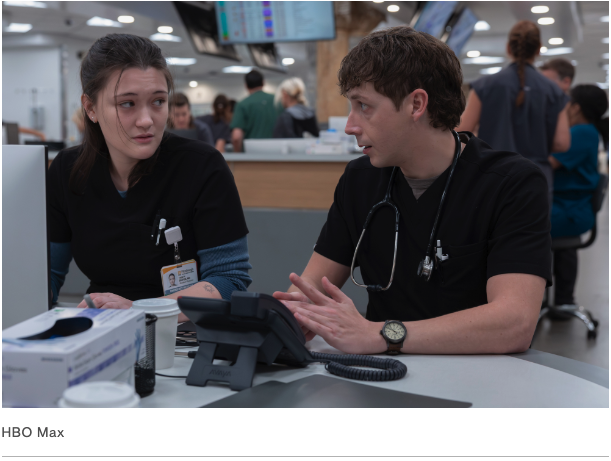
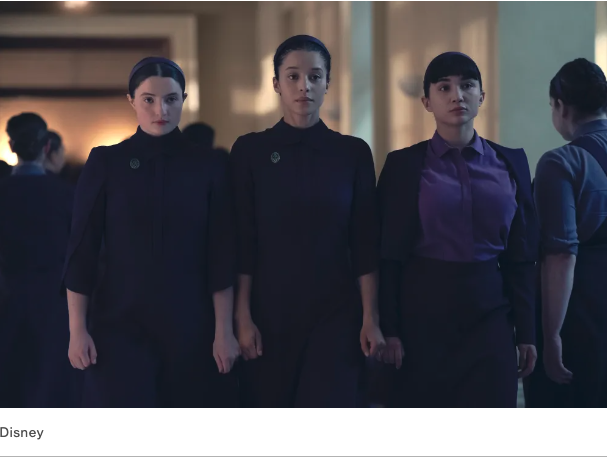
In the Drama category, the competition is particularly fierce. Last year’s champion, "The Pitt," faces significant challenges from "Heated Rivalry," "Pluribus," "Industry," and "The Gilded Age." The shift in critical preference towards series that are "queer at their core," as noted by GALECA Vice President Gerrick Kennedy, suggests that the Television Academy’s voters may be looking beyond traditional prestige dramas this year.
The "Luke Tennie" Phenomenon
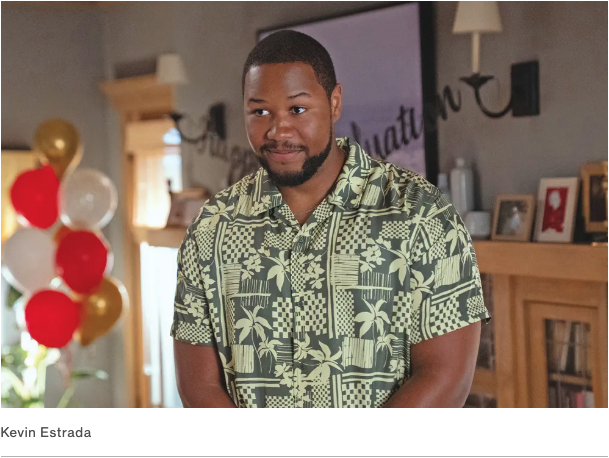
Perhaps no individual actor embodies the current state of television production more than Luke Tennie. With roles in "Shrinking" (Apple TV+), "The Pitt" (HBO Max), and "Abbott Elementary" (ABC), Tennie has achieved a rare "triple crown" of visibility across different outlets. His ability to navigate three distinct tones and networks—all while shooting in Los Angeles—has made him the unofficial "King of the Warner Bros. lot" this season. As industry observers note, Tennie’s success is a testament to the resilience of the Los Angeles production ecosystem, which has managed to sustain multiple hit shows simultaneously.
The "Self-Submission" Controversy and Industry Implications
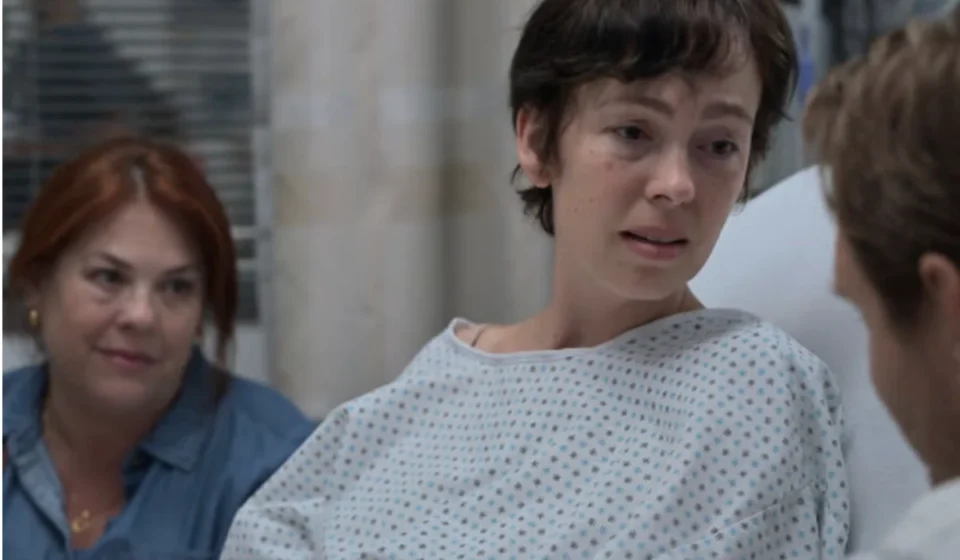
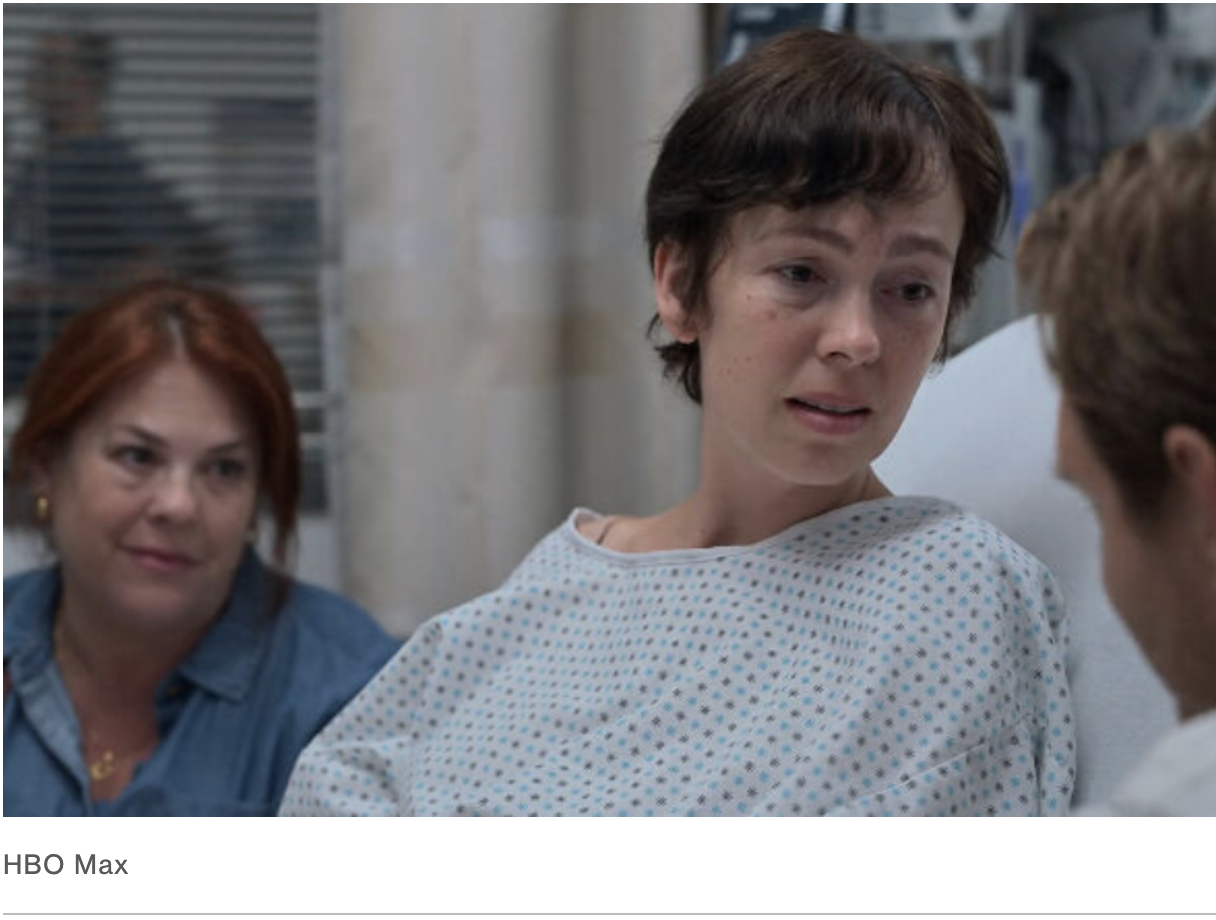
The 2026 cycle has also been marked by a notable instance of an actor taking matters into their own hands. Brittany Allen, who delivered a standout performance as a dying cancer patient in "The Pitt," found herself sidelined by the network’s official submission package. In a move that has sparked debate about the power dynamics between performers and studios, Allen submitted herself for consideration.
"Give me a call back, HBO," Allen joked during a recent interview, noting that the network ceased communication after excluding her from the list. Her performance, which was initially planned for a six-episode arc, was extended, and a creative decision to have her character pass away off-camera inadvertently made her eligible for a Guest Drama Actress nomination. This "do-it-yourself" approach to awards campaigning underscores a growing frustration among actors who feel that studio bureaucracy often overlooks the nuances of their contributions.
Official Responses and Strategic Shifts
The Television Academy has been proactive in addressing the changing landscape of television. Academy Chair Cris Abrego recently emphasized the "undiminished creative range and vitality" of the current medium, noting that the submissions reflect a healthy mix of emerging talent and established voices.
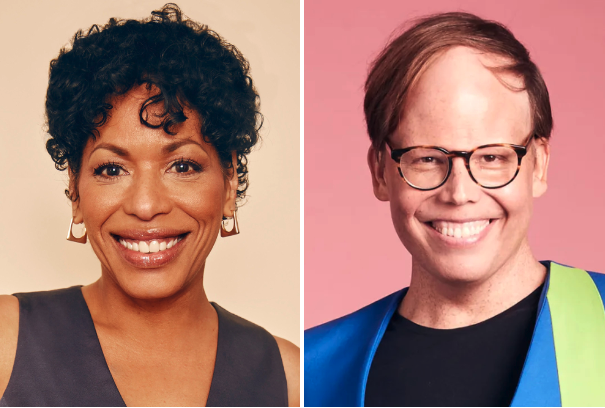
To ensure that diverse voices are not lost in the shuffle, organizations such as WIF (Women in Film) and ReFrame have released a "Who to Watch" FYC (For Your Consideration) guide. This guide specifically targets the least gender-diverse categories in the awards, championing women, nonbinary, and trans individuals who are pushing boundaries in directing, writing, and technical fields.
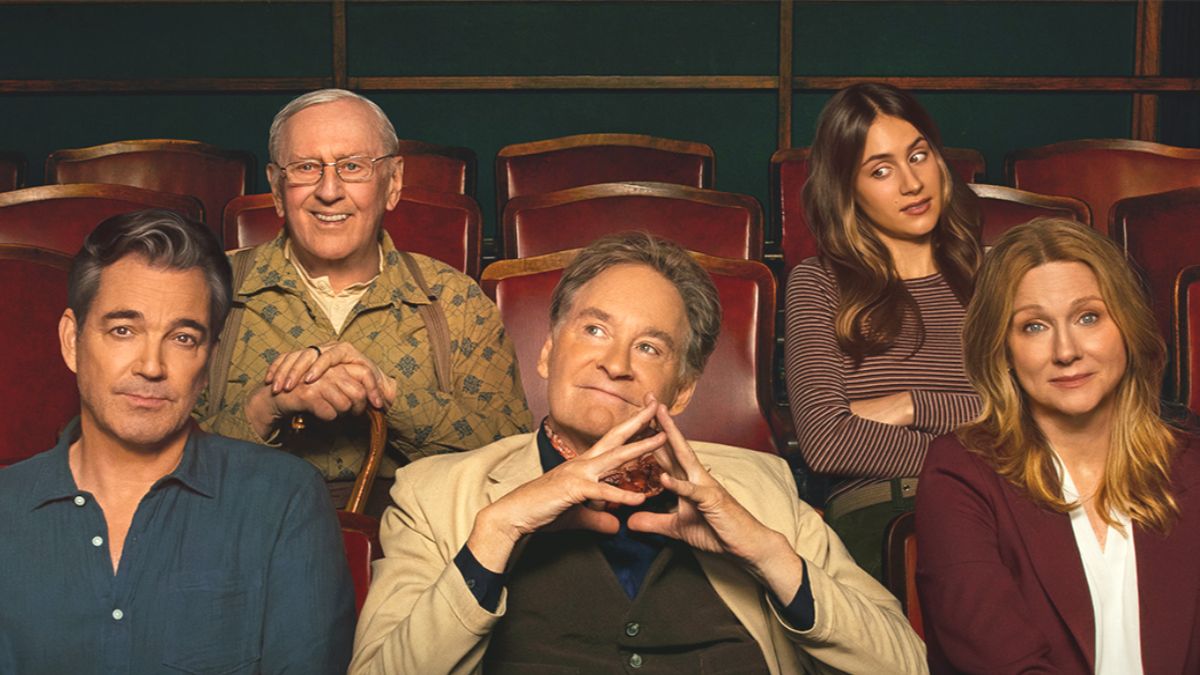
"The Who to Watch TV FYC List is a call to action to awards voters," said Kirsten Schaffer, CEO of WIF. "These directors, writers, cinematographers, composers, and VFX supervisors are doing extraordinary work in categories where gender representation has the furthest to go."
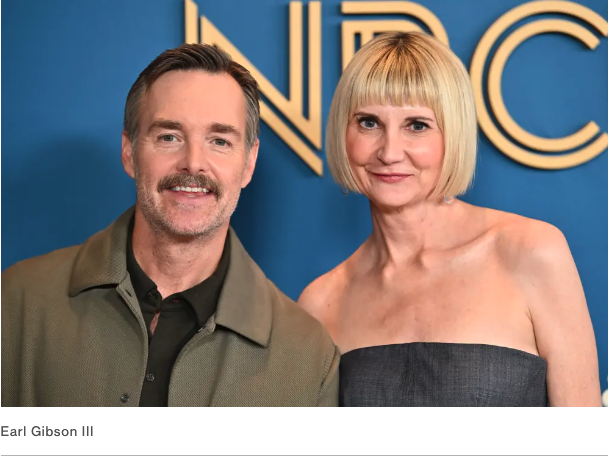
Implications for the Future of TV Awards
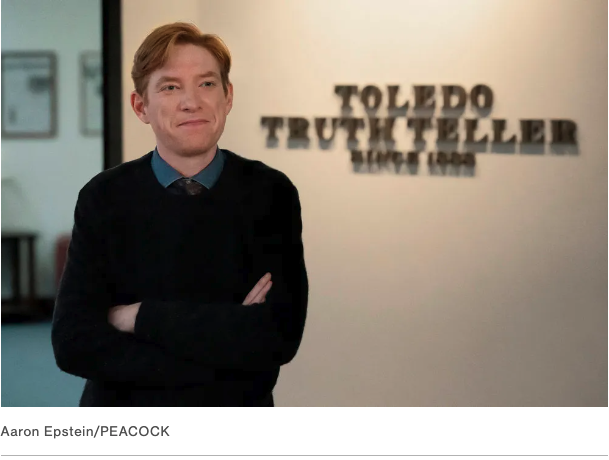
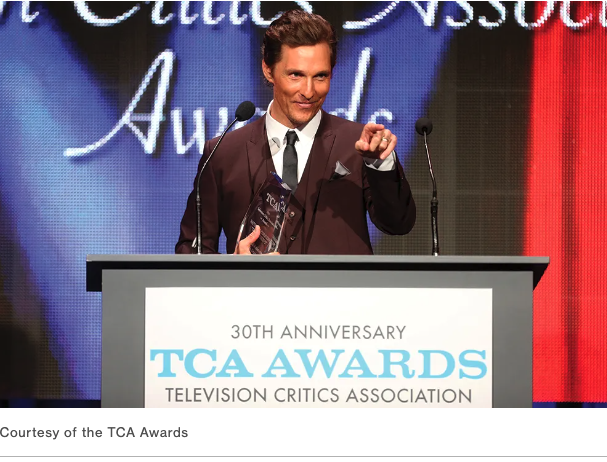
As the industry moves toward the July 8 announcement, several structural questions remain. The Television Critics Association (TCA) Awards, a historic barometer for television quality, are currently facing an identity crisis. Without a formal press tour to anchor an in-person ceremony, the TCA has been relegated to announcing winners via social media and pre-recorded videos.
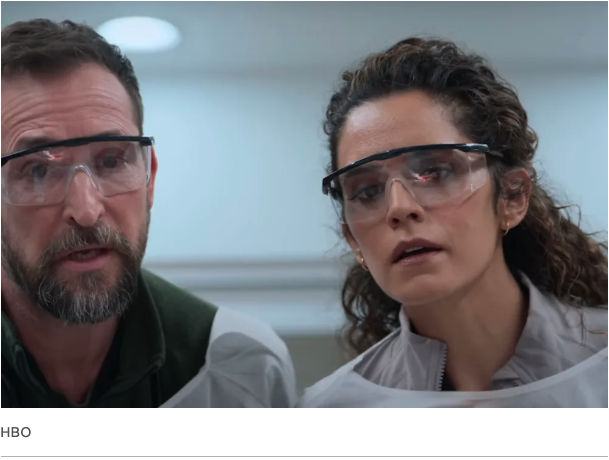
Critics of this approach, including Variety’s own Michael Schneider, argue that the TCA Awards must return to an in-person, live format to maintain their relevance and prestige. "If the Television Critics Association is to survive long term… I think it’s crucial that the TCA Awards return to an in-person event," Schneider wrote, highlighting that the lack of submission fees and the association’s commitment to independence make them a vital, albeit currently endangered, voice in the industry.
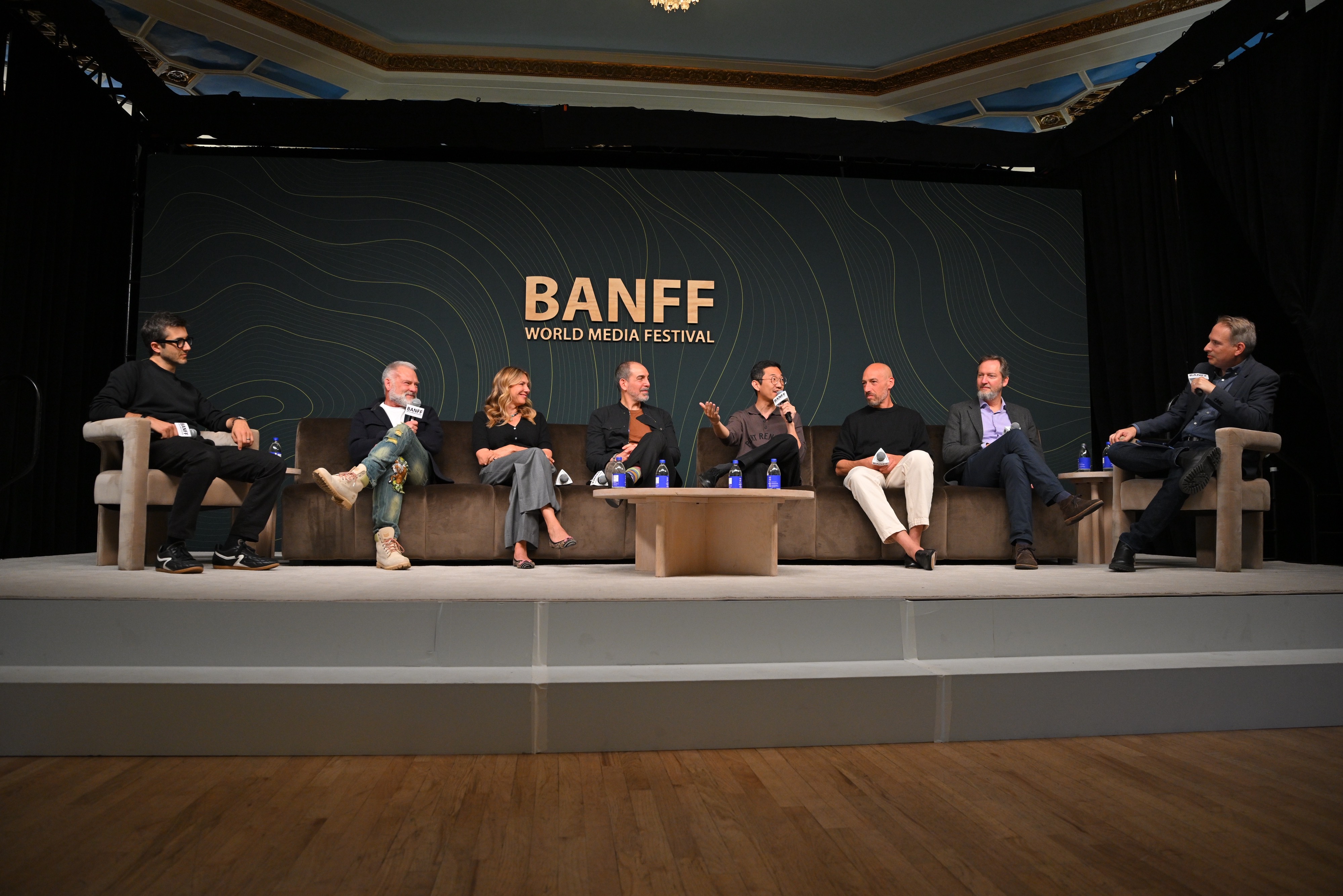
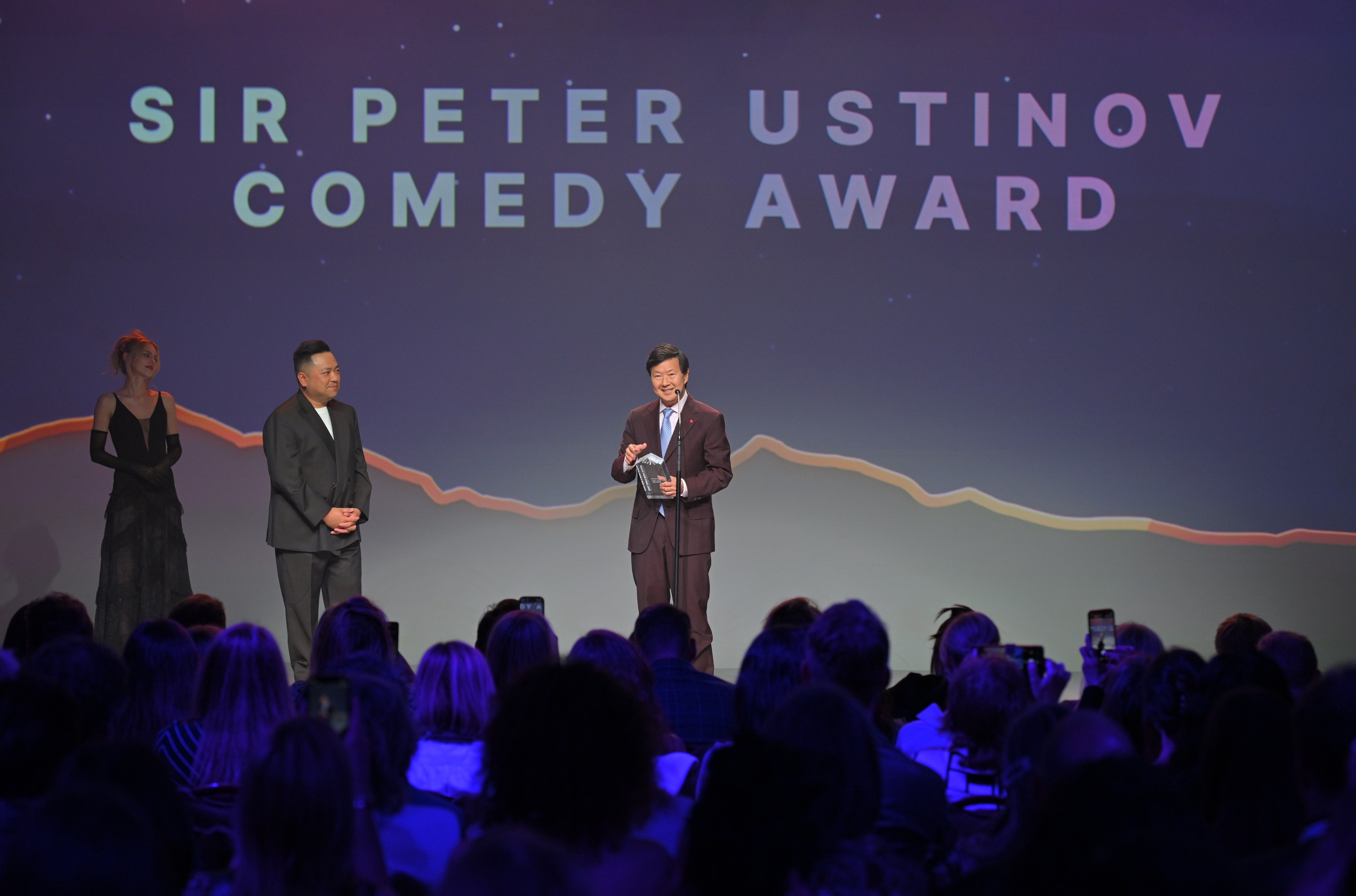
Meanwhile, the Banff World Media Festival continues to provide a global stage for excellence, with recent winners like "The Pitt" and "The Simpsons" proving that American content still dominates the international conversation, even as diverse, non-English language programming continues to make massive gains in popularity.
A Final Look at the Field
As voters finalize their ballots, the projections from analysts like Clayton Davis paint a picture of a tight race. With Netflix, HBO Max, and Apple TV+ battling for network supremacy—projected to take 134, 112, and 80 nominations respectively—the "streaming wars" are now firmly "awards wars."
The shift toward high-concept, emotionally resonant, and visually striking television—exemplified by shows like "Pluribus" and "The Pitt"—suggests that voters are favoring content that challenges the status quo. Whether these predictions hold up will be revealed in just over two weeks. Until then, the industry—and the audience—waits to see which of these stories will define the 2026 television year.
As Rhea Seehorn, who is currently being touted for her work in "Pluribus," aptly summarized, the goal remains the same: "Keep your side of the street clean." For the creators, actors, and producers of these shows, the side of the street is clean, the ballots are in, and the industry is ready for its next chapter.