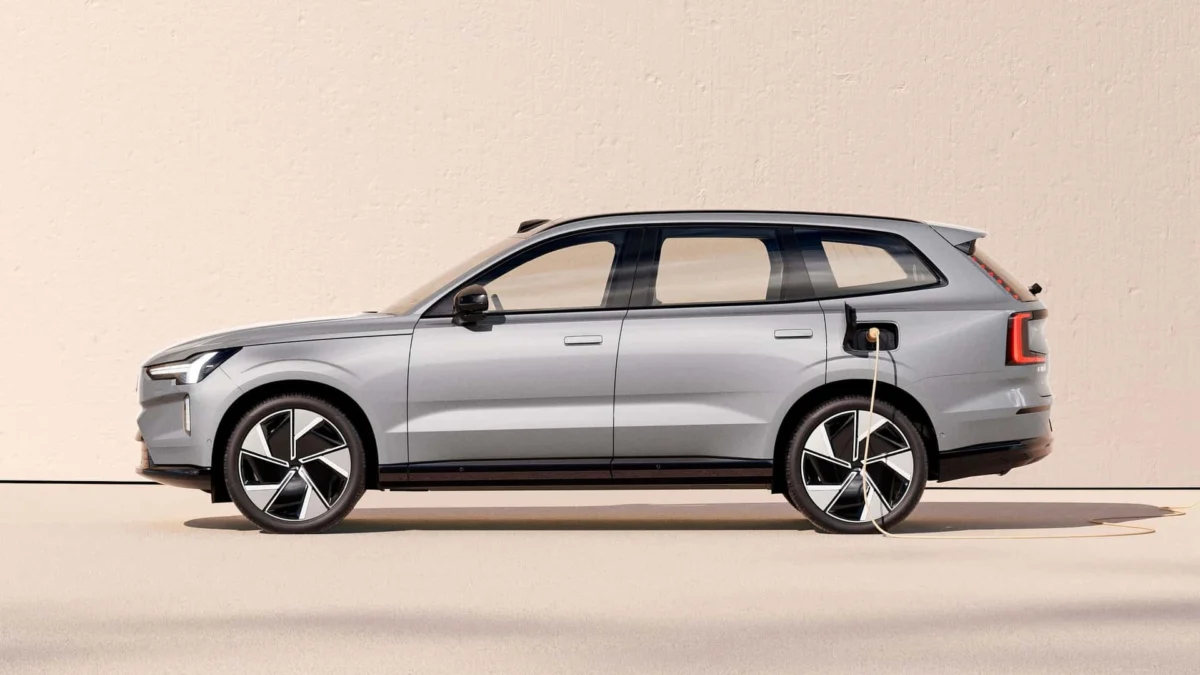
The transition to electric mobility has long been hampered by a fragmented user experience, particularly when it comes to public charging infrastructure. For years, Tesla owners have enjoyed a seamless, "plug-and-play" ecosystem, while drivers of other brands have navigated a labyrinth of mobile applications, proprietary fobs, and finicky credit card readers. That era of friction is finally drawing to a close for Volvo enthusiasts.
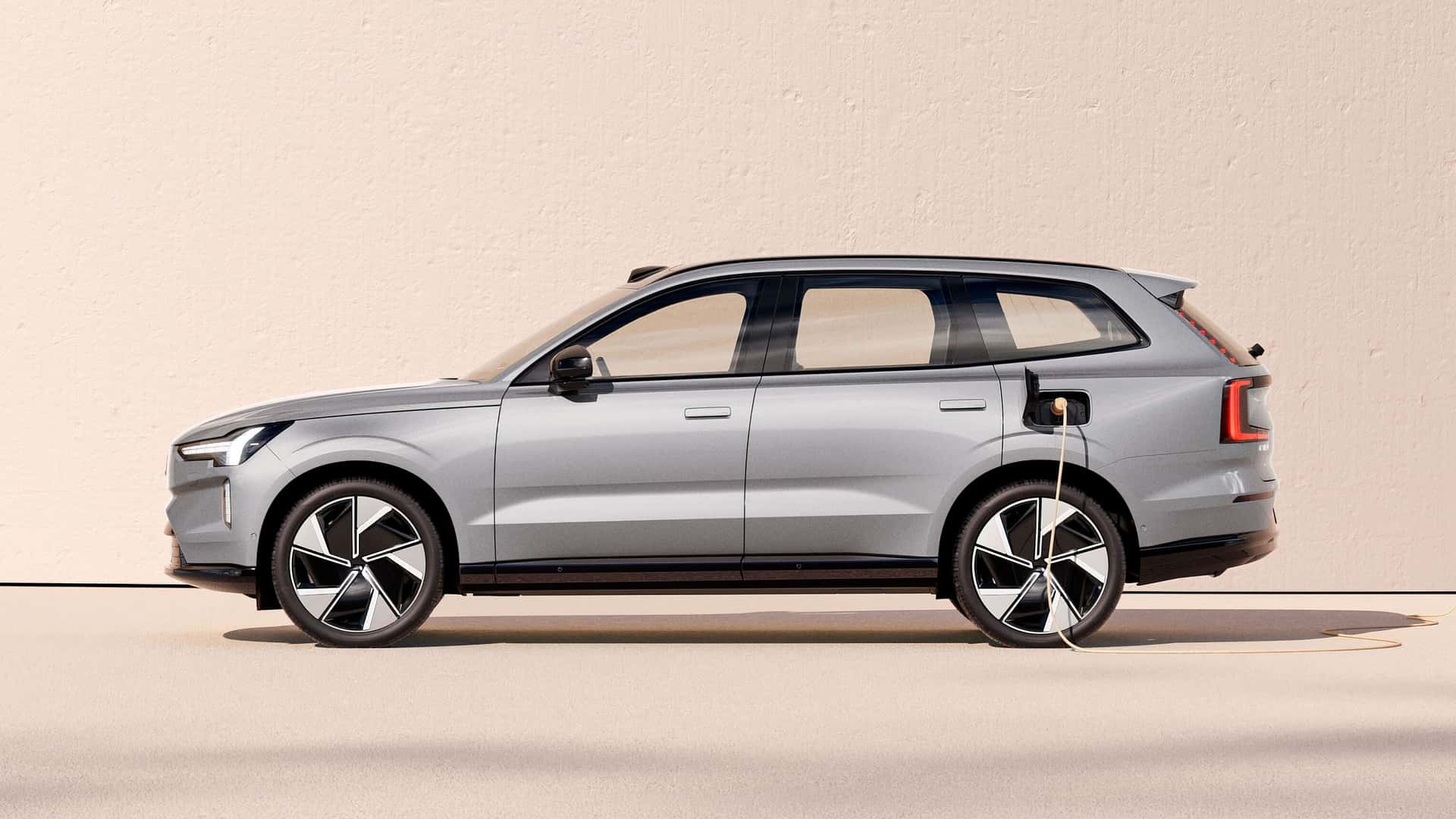
Volvo Cars has officially announced the rollout of its "Plug & Charge" feature, a significant technological milestone that promises to eliminate the administrative headache of public EV charging. The feature is debuting on the flagship EX90 SUV and will serve as a cornerstone of the upcoming EX60, a model poised to redefine expectations in the mid-size luxury segment.
The Mechanics of Convenience: What is Plug & Charge?
For the uninitiated, the term "Plug & Charge" refers to the ISO 15118 communication standard. In a traditional charging scenario, an EV driver must manually authenticate their identity and payment method at each individual charging station. This often involves downloading a specific network’s app, entering credit card information, or tapping an RFID card against a terminal.
Plug & Charge removes these barriers entirely. By creating a secure, digital handshake between the vehicle and the charging station, the car communicates its account details automatically upon the insertion of the cable. The charging session initiates immediately, and billing is processed in the background. It is a level of convenience that mirrors the simplicity of traditional fueling, yet maintains the sophisticated digital security required for modern vehicle-to-grid communications.
A Strategic Timeline: From the EX90 to the EX60
The implementation of this feature is not merely a software update; it is an architectural commitment to the future of Volvo’s product roadmap.
- The Present: The Volvo EX90, the brand’s high-tech, three-row electric flagship, is the first to receive the update. It signals a shift in Volvo’s approach to customer experience, acknowledging that in the premium segment, time is the ultimate luxury.
- The Near Future: Later this year, Volvo will launch the EX60. This vehicle is highly anticipated not just for its expected 400-mile range, but for its role as a technological testbed for the brand’s next-generation EV platform. The integration of Plug & Charge will be a native, out-of-the-box feature for the EX60.
This staggered rollout reflects Volvo’s broader strategy: retrofitting existing software-defined vehicles while ensuring that every new platform launch is fully optimized for the modern charging ecosystem.
Engineering Challenges and Charging Dynamics
While the prospect of a 400-mile range on the EX60 is a significant headline, the reality of charging performance remains a complex engineering puzzle. The EX60 has been designed with an 800-volt architecture, which theoretically allows for blistering charging speeds. However, reality often involves navigating the limitations of the current public infrastructure.
During the launch of the EX60, Volvo powertrain engineers provided critical context regarding how the vehicle interacts with existing networks. While the car boasts a 370-kilowatt peak charging speed, utilizing that power requires infrastructure that is still in its infancy. Furthermore, there is a technical hurdle when using older 400-volt charging stations. Because the EX60 utilizes a high-voltage 800-volt system, it must engage its rear inverter to boost the current for the battery pack. Consequently, engineers advise that the vehicle will be limited to a 120-kW peak on 400-volt chargers.
Tesla’s Supercharger network, now largely open to non-Tesla vehicles via the NACS (North American Charging Standard) port, remains a critical piece of the puzzle. The EX60 will feature an integrated NACS port, allowing for native connection to Tesla’s vast infrastructure. While current V3 Superchargers cannot fully realize the 370-kW potential of the EX60, support for higher-speed charging on the Tesla network is expected to evolve as hardware is upgraded to V4 standards.
The IONNA Partnership and Infrastructure Expansion
Beyond Tesla, Volvo is leaning heavily into the IONNA network. IONNA—a joint venture between several major automakers—is aggressively deploying 400-kW high-power charging stalls across the United States. These stations are specifically designed to leverage the EX60’s capability to charge from 10 to 80 percent in approximately 16 minutes.
To manage this, Volvo has integrated the charging experience directly into the vehicle’s "Google Automotive System." The native interface not only identifies these high-speed charging locations but actively manages route planning. By pre-conditioning the battery as the vehicle approaches a charger, the system ensures the battery is at the optimal temperature to accept the fastest possible charge rate, effectively turning the charging stop from a chore into a brief, efficient pause.
Official Perspectives: The Vision for Human-Centric Tech
The shift toward simplified charging is not just about cables and kilowatts; it is a fundamental shift in Volvo’s branding. Jim Nichols, Head of Product, Technology & Consumer Offer at Volvo Car Americas, emphasized that the transition to electric must be seamless to be successful.
"The EX60 and EX90 reflect Volvo Cars’ vision for the future of mobility—vehicles that combine safety, sustainability, and human-centric technology," Nichols stated. "With the addition of Plug & Charge, Volvo drivers can enjoy an even more seamless ownership experience, making public charging as simple as plugging in and walking away."
This focus on the "human-centric" aspect is vital. Volvo recognizes that the average luxury car buyer is not necessarily an electrical engineer. By removing the friction of authentication, Volvo is lowering the psychological barrier to EV adoption, effectively making the transition to electric as "human" and stress-free as possible.
Implications for the Competitive Landscape
Volvo is undoubtedly playing catch-up in the realm of automated billing. Tesla has dominated this space for over a decade, and early EV adopters have long lamented the lack of a standardized, plug-and-play experience on CCS networks. However, Volvo’s late-stage entry provides a strategic advantage: they are implementing the latest iterations of the ISO 15118 standard, which is more robust and secure than the early proprietary solutions used by other manufacturers.
The implications for the industry are significant. As Volvo integrates these technologies into the EX60 and EX90, it sets a new baseline for the luxury EV segment. Competitors who continue to rely on app-based authentication or physical credit card swipes will increasingly find themselves at a disadvantage.
Furthermore, the integration of NACS ports and the ability to interface with the Tesla Supercharger network proves that the industry is finally moving toward a unified standard. Volvo’s commitment to this future suggests that the "charging anxiety" that has plagued the EV market for years is finally being addressed through technical standardization rather than marketing promises.
Looking Ahead: The Future of the Volvo EV Fleet
As we look toward 2026 and beyond, the success of the EX60 will likely determine the pace at which Volvo electrifies the remainder of its lineup. The company has already signaled that its most popular legacy models, such as the XC60, are primed for significant updates, potentially incorporating the same high-speed charging and automated payment technology.
For now, the combination of the 400-mile range target, the 16-minute charge time, and the introduction of Plug & Charge positions the EX60 as a formidable challenger to the current leaders in the luxury electric SUV space. Volvo is not just selling a car; they are selling a comprehensive, worry-free ecosystem.
While the "Motor1 Take" suggests that Volvo is indeed in a catch-up phase, the technical specifications of their new offerings suggest that they are not merely catching up—they are positioning themselves to leapfrog the competition. By focusing on the integration of hardware and software, Volvo is ensuring that the "electric" part of the vehicle is no longer a source of frustration, but a hallmark of the premium experience.
As the charging infrastructure matures and the NACS standard becomes ubiquitous, the work Volvo is doing today with the EX90 and EX60 will form the foundation for the brand’s entire electric future. For the consumer, this means the promise of the EV—a clean, quiet, and powerful vehicle—is finally becoming a truly frictionless reality.