By International Affairs Desk
The European Union has entered a new, more restrictive era of migration policy, signaling a profound shift in how the bloc manages its borders, processes asylum seekers, and conducts the removal of undocumented individuals. As the "Returns Regulation" receives final approval from the European Parliament, international human rights watchdogs and United Nations officials have raised urgent alarms, warning that the new framework risks institutionalizing rights violations under the guise of administrative efficiency.
The adoption of these measures follows a broader trend within the EU to harmonize its migration policies—a goal that has increasingly pitted the imperatives of border security against the foundational tenets of international humanitarian law.
The Core Conflict: EU Returns Regulation and Global Standards
At the heart of the controversy is the newly adopted "Returns Regulation," a legislative framework designed to standardize the removal process of undocumented migrants across all EU member states. Initially proposed in March 2025, the regulation was officially passed by the European Parliament on Wednesday, June 17, 2026.
The regulation introduces two significant pillars that have drawn sharp criticism: the expansion of pre-removal detention powers and the authorization for EU member states to establish "return hubs" in third-party countries. Proponents within the European Commission argue that these measures are essential to ensuring that those who do not qualify for asylum are returned to their countries of origin swiftly, thereby maintaining the integrity of the asylum system for those who genuinely need it.
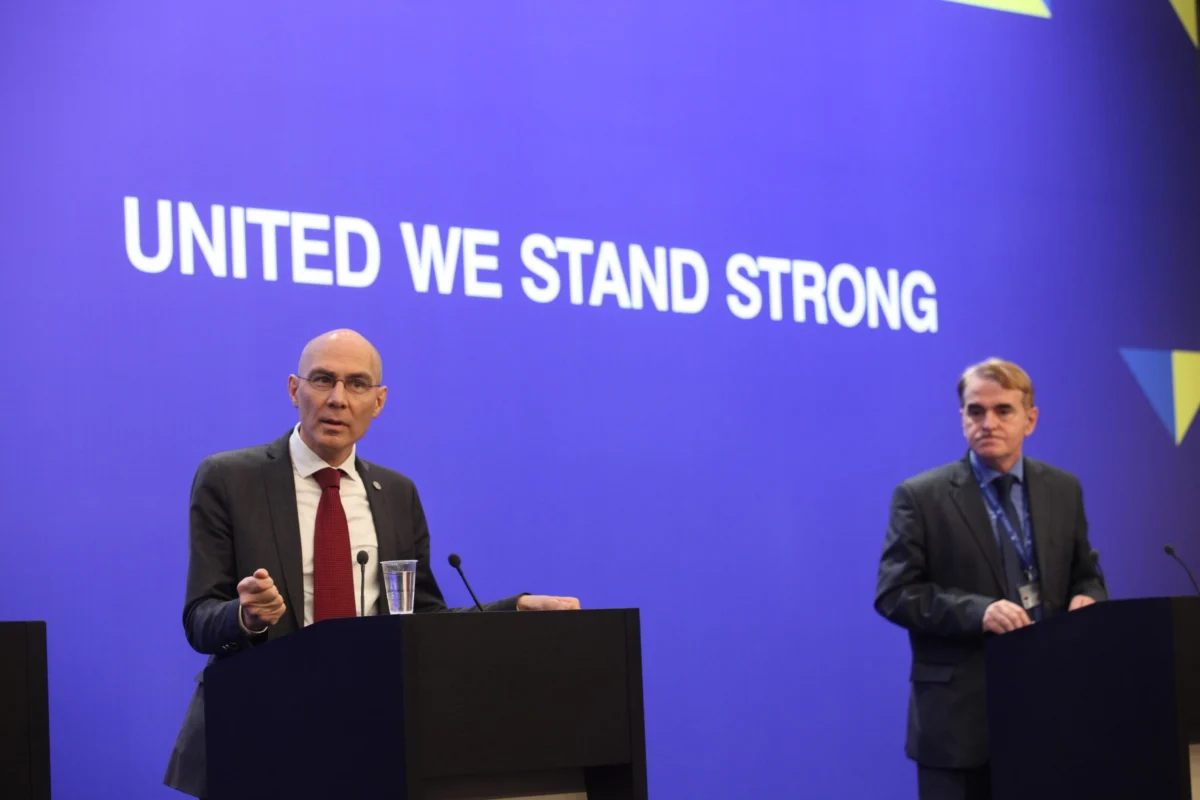
However, Volker Türk, the UN High Commissioner for Human Rights, has warned that the structural changes could lead to an erosion of fundamental protections. "EU States cannot simply outsource their human rights obligations to third States in this context," Türk stated in an official press release. "Detention and return of vulnerable people, including children, to other countries is a particularly sensitive exercise of the State’s power, and carries a high risk of human rights violations."
Chronology: A Path Toward Stringent Control
The current legislative landscape is the culmination of a multi-year effort by the European Commission to overhaul the bloc’s migration management.
- March 2025: The European Commission introduces the draft "Returns Regulation," citing the need for a more uniform approach to deportations. Human Rights Watch (HRW) immediately critiques the proposal, labeling it "cruel and unrealistic."
- Late 2025: Intense negotiations occur within the European Parliament and the Council of the EU, with focus shifting toward the externalization of migration processing.
- June 12, 2026: The broader EU Migration and Asylum Pact comes into force. This pact introduces sweeping changes, including broadened applicant screening, intensified health and security checks, and the ability for member states to designate non-EU nations as "safe third countries."
- June 17, 2026: The European Parliament votes to adopt the Returns Regulation, formalizing the new deportation framework.
- June 20, 2026: UN High Commissioner Volker Türk issues a formal statement expressing "deep concern" regarding the implications of the new law, urging EU leaders to maintain consistency with international law.
Implications of the New Migration Framework
The "Safe Third Country" Dilemma
One of the most contentious elements of the new Migration and Asylum Pact is the authority given to member states to designate non-EU countries as "safe third countries." This designation effectively allows an EU state to refuse to examine an asylum claim entirely, arguing that the applicant could have sought protection in the country they passed through.
Critics, including HRW and various refugee advocacy groups, argue that this policy creates a legal "black hole." By offloading the burden of processing to countries that may lack robust legal systems, the EU risks violating the principle of non-refoulement—the international law principle that prohibits a country from returning asylum seekers to a territory where they would be at risk of persecution.
The Rise of "Return Hubs"
The creation of "return hubs" in third countries represents an attempt to solve the "cooperation problem." The EU has historically struggled with countries of origin that refuse to accept the return of their nationals. By establishing facilities outside of Europe, the EU aims to bypass domestic legal challenges to deportation. However, the UN has cautioned that if these hubs are not subjected to rigorous, independent oversight, they will likely become sites of systemic abuse, where legal recourse for detainees is virtually nonexistent.
The Conflation of Security and Migration
A major concern voiced by Volker Türk is the political rhetoric surrounding these changes. He noted that public discussion on migration is increasingly conflating the movement of people with security threats. When migration is treated strictly as a security issue, the humanitarian dimension—the protection of individuals fleeing violence, climate change, and economic desperation—is often sidelined. Türk argued that this shift in framing makes it harder to advocate for the dignity of migrants, as policies become driven by fear rather than human rights obligations.
Official Responses and Expert Analysis
The UN Position: A Call for Accountability
The Office of the High Commissioner for Human Rights (OHCHR) has been clear: administrative efficiency cannot override human rights. Commissioner Türk emphasized that for these regulations to be remotely compatible with international norms, there must be "front-and-centre emphasis on human rights protection and dignity throughout—in fact and in law." The UN is calling for robust monitoring mechanisms that operate independently of the national authorities executing the returns.
The HRW Perspective: Addressing the Root Cause
Human Rights Watch has consistently argued that the EU’s focus is misplaced. Their analysis suggests that the primary obstacle to enforcing return decisions is not a lack of legal authority within the EU, but rather the reluctance of countries of origin to cooperate. By imposing harsher detention rules—including for unaccompanied children—the EU is punishing vulnerable individuals without solving the diplomatic impasse that prevents returns. Furthermore, HRW maintains that the new pact undermines the right to a fair hearing, as expedited procedures often deny applicants the time and legal support necessary to present their cases adequately.
Supporting Data: The Scale of the Challenge
The implementation of these policies occurs against a backdrop of complex migration patterns into the EU. According to Frontex and Eurostat data, the pressures on the EU’s external borders have remained high over the past 24 months.
- Expedited Procedures: The new Migration and Asylum Pact mandates that border procedures be concluded within a specific, abbreviated timeframe. Critics argue this will lead to "rubber-stamp" rejections of asylum claims.
- Detention Metrics: Under the new Returns Regulation, the threshold for prolonged detention has been lowered. Statistics from humanitarian NGOs suggest that children, even when unaccompanied, are at a higher risk of being held in detention centers for longer periods than in previous years.
- Legal Uncertainty: The "safe third country" designation has already seen a 15% increase in legal challenges in domestic courts across Southern European member states, suggesting that the implementation of these new laws will face years of judicial review.
Conclusion: A Turning Point for European Values
The adoption of the Returns Regulation and the broader Migration and Asylum Pact marks a definitive shift toward a more utilitarian approach to migration. While the EU maintains that these steps are necessary to ensure the orderly management of its borders and to preserve the legitimacy of its asylum systems, the warnings from the UN and human rights organizations cannot be ignored.
The fundamental tension remains: can the European Union uphold its claim to be a defender of human rights while simultaneously creating legal mechanisms designed to avoid those very responsibilities? As the regulations move into the implementation phase, the international community will be watching closely to see if the "robust monitoring" requested by Volker Türk actually materializes, or if the new laws will lead to a retreat from the standards of protection that have defined the post-war European order.
For now, the policy trajectory is set. The coming months will determine whether these new measures achieve their stated goals of efficiency or whether they result in a permanent degradation of the rights of those seeking refuge within Europe’s borders. The debate is no longer just about migration numbers; it is about the legal and moral identity of the European project itself.