
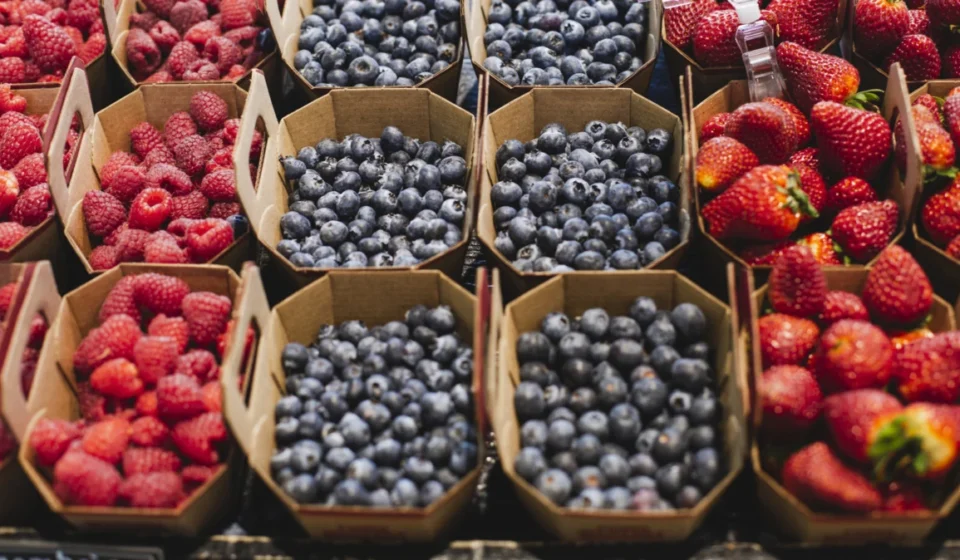

Fresh berries are the jewels of the produce aisle. Whether tossed into a morning oatmeal bowl, blitzed into a vibrant smoothie, or baked into a decadent summer tart, strawberries, blueberries, and raspberries offer a concentrated punch of nutrients and flavor. However, despite their popularity, the average shopper often navigates the produce section armed with outdated advice and culinary folklore.
From the belief that bigger is always better to the confusion surrounding the "true" botanical definition of a berry, many of our shopping habits are based on myths that can lead to wasted money and missed nutritional opportunities. By separating fact from fiction, we can become more informed consumers, ensuring that every punnet we bring home is as fresh, flavorful, and nutrient-dense as possible.
1. The Fallacy of Size: Bigger Isn’t Always Better
In the modern supermarket, we are conditioned to believe that larger produce equates to higher quality. We gravitate toward the giant, plump strawberries and oversized blueberries, assuming they are the "pick of the crop." In reality, this pursuit of aesthetic perfection often comes at the expense of both flavor and health.
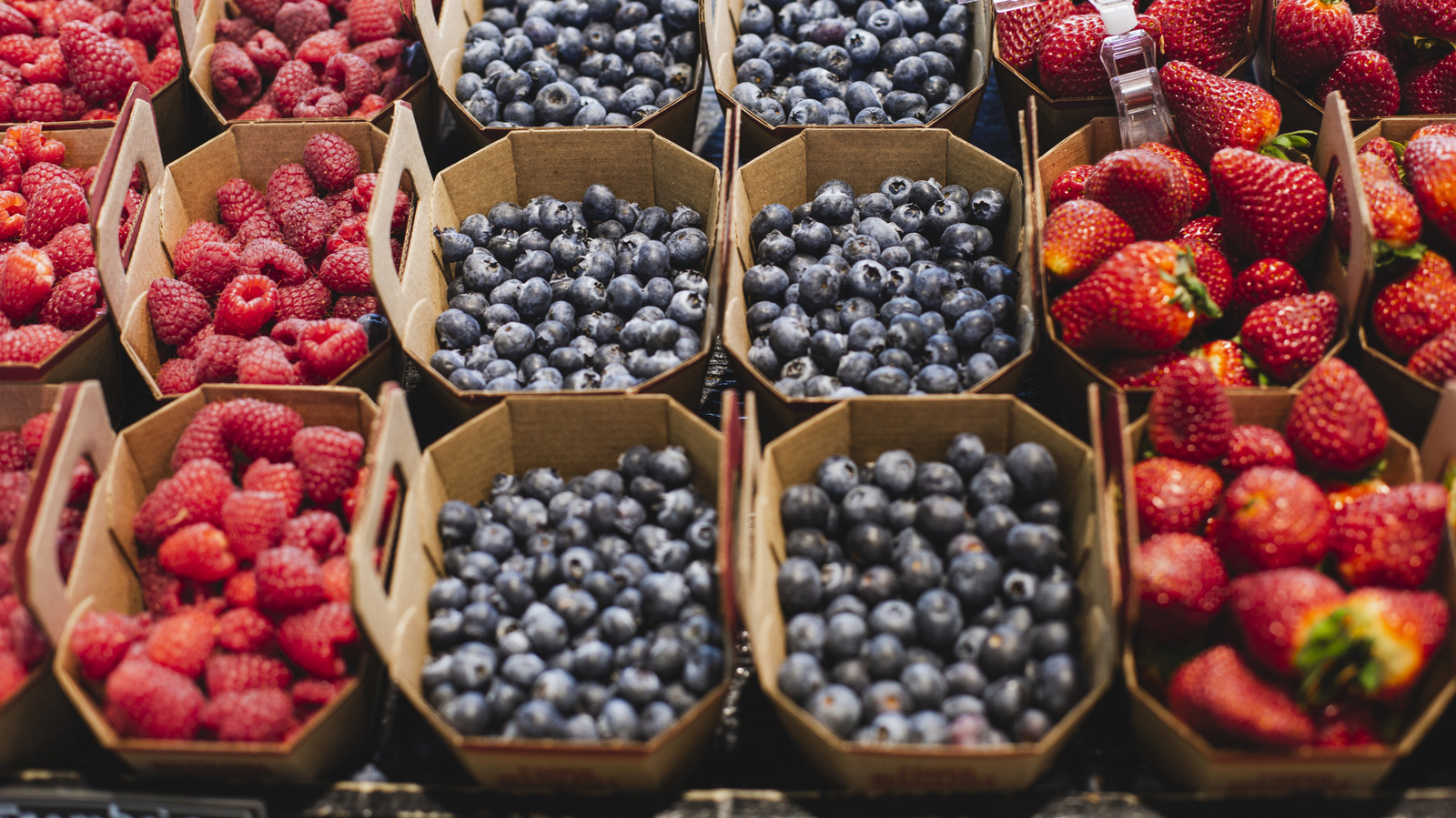
Large-scale commercial farming often prioritizes fruit size and shelf-life over complex flavor profiles. In the case of blueberries, the smaller, wild varieties consistently outperform their farmed, "jumbo" counterparts in taste tests. Smaller berries offer a more concentrated ratio of skin to pulp. Since a significant portion of a berry’s antioxidant profile resides in its pigment-rich skin, a smaller berry delivers a more potent dose of health-promoting compounds. The same logic applies to strawberries; smaller berries are frequently denser in flavor and aroma, while massive fruits can sometimes be hollow or watery.
2. The Frozen vs. Fresh Nutritional Debate
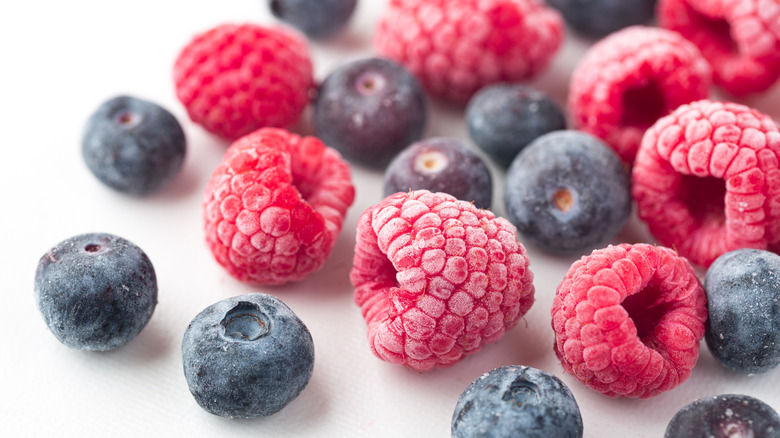
Perhaps the most persistent myth in the produce aisle is that frozen berries are nutritionally inferior to fresh ones. Many shoppers bypass the freezer section, believing that the freezing process destroys vitamins. Science, however, tells a different story.
Frozen berries are typically picked at the absolute peak of ripeness, when their nutrient content is highest, and flash-frozen within hours of harvest. This "locks in" their vitamins and minerals. Conversely, fresh berries sold in supermarkets are often picked before they are fully mature so they can withstand the rigors of shipping. By the time they reach your kitchen—often days or weeks after harvest—their nutritional value may have already begun to decline.
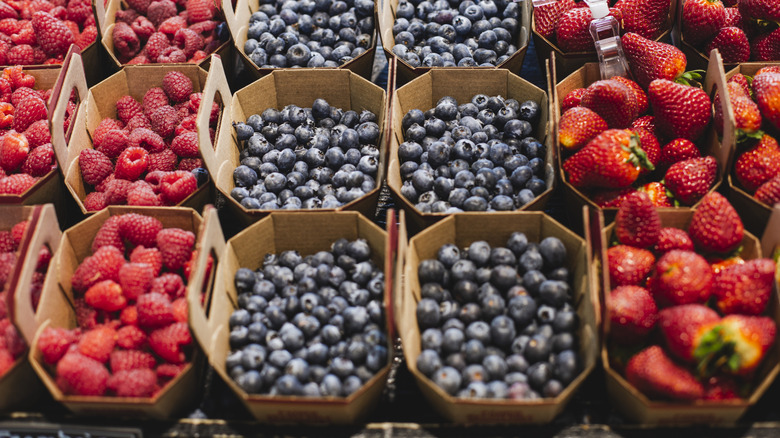
Furthermore, frozen berries are a more sustainable and economical choice, as they eliminate the high spoilage rate associated with fresh fruit, helping consumers reduce food waste while keeping their cost-per-serving low.
3. The Sugar Misconception
In an era of low-carb diets and fear-mongering regarding glucose, many individuals avoid fruit entirely. Berries, however, are among the lowest-sugar fruits available. While a banana or a mango can cause a significant blood sugar spike, berries provide a much more modest impact.
A 100-gram serving of strawberries, raspberries, or blackberries contains only 4 to 5 grams of sugar. Even blueberries, which are slightly higher at roughly 10 grams per 100 grams, remain a healthy choice when consumed in moderation. The presence of dietary fiber in these fruits is key; it slows the absorption of sugars into the bloodstream, providing a sustained release of energy rather than a crash. When you eat a bowl of berries, you are not just consuming sugar; you are consuming a complex matrix of phytonutrients, antioxidants, and fiber that supports heart health and immune function.
4. The Washing Conundrum: Timing is Everything
It is common practice for organized shoppers to wash their berries the moment they return from the grocery store, viewing it as a productive step toward food safety. However, this is a recipe for premature spoilage.
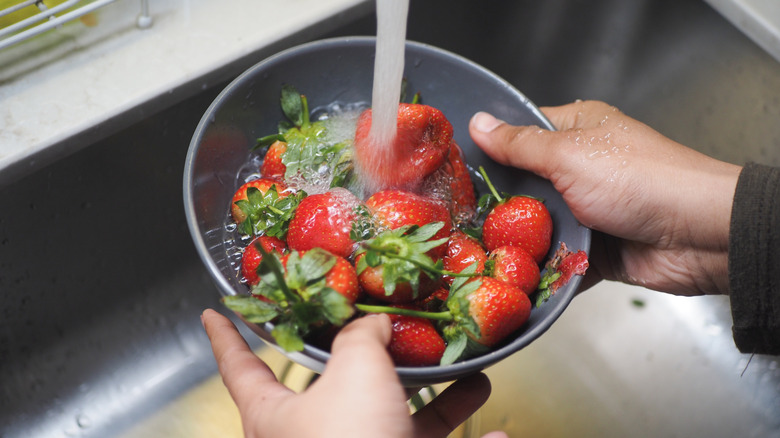
Berries are delicate, porous, and highly susceptible to mold. When you wash them before storage, you introduce excess moisture that creates a breeding ground for fungi. The best practice is to store your berries unwashed and keep them in their original, ventilated packaging until the exact moment you intend to eat them. If you feel compelled to clean them ahead of time, a brief soak in a diluted vinegar solution (one part vinegar to three parts water) can help kill surface mold spores, provided you dry them thoroughly on paper towels before returning them to a breathable container.
5. The "Bloom" Protection: Decoding the White Film
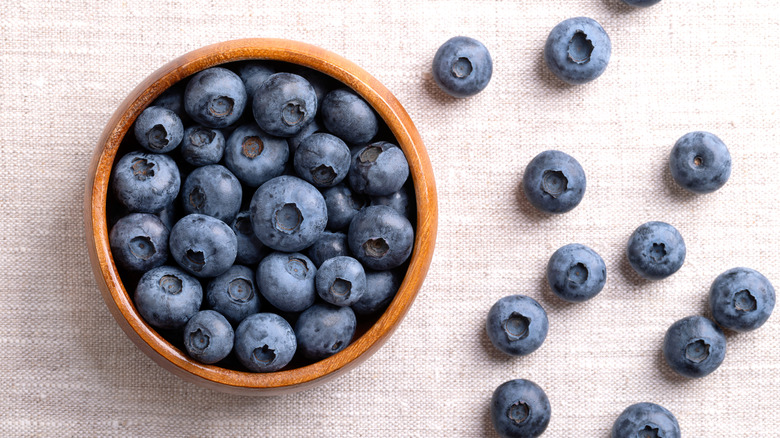
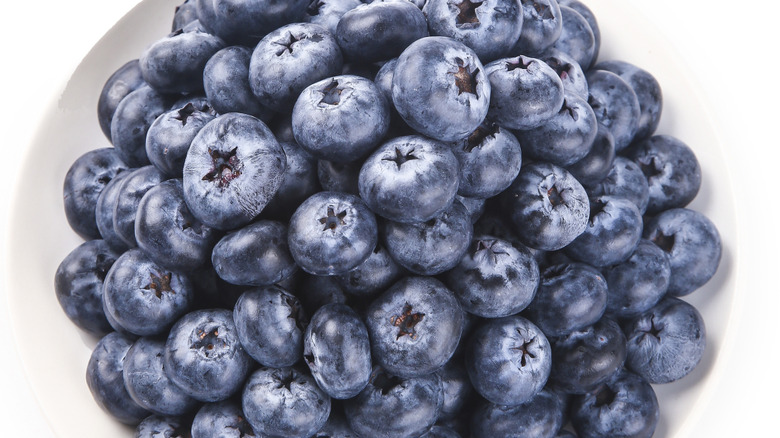
Have you ever pulled a pint of blueberries from the shelf and noticed a dusty, white film on their skins? Many shoppers mistake this for mold or chemical residue and assume the fruit is spoiled. In reality, this substance is known as "bloom."
Bloom is a naturally occurring, waxy coating produced by the plant to protect the fruit from pests, bacteria, and moisture loss. It acts as a barrier that keeps the interior of the berry fresh. A healthy, thick bloom is actually an indicator of high-quality fruit that has been handled carefully. Once you rinse the berries, the bloom is washed away, which is another reason to wait until the last possible second to wash them.
6. The Non-Climacteric Reality of Strawberries
Unlike bananas, kiwis, or pears—which continue to ripen on your kitchen counter long after harvest—strawberries are "non-climacteric." This means that once they are picked from the plant, they stop ripening immediately.
If you buy a punnet of pale, sour strawberries hoping they will sweeten up in a few days, you will be disappointed. They will only continue to soften and eventually decay. This biological fact makes the harvest timing critical. Because they don’t improve off the vine, the best strawberries are those harvested at peak maturity. Always inspect the berries for uniform color and firmness before purchasing, as you are seeing the final product.
7. Botanical Accuracy: What is a "True" Berry?
Language is rarely as precise as science. In the culinary world, any small, fleshy, edible fruit is called a "berry." Botanically, however, the definition is much narrower.
According to botanical standards, a true berry must develop from a single flower with one ovary. By this definition, strawberries and raspberries are not berries at all; they are "aggregate fruits," because they develop from flowers with multiple ovaries. Conversely, items we categorize as vegetables or kitchen staples—such as avocados, bananas, and even pumpkins—are technically berries. Blueberries and cranberries, however, pass both the culinary and botanical tests, making them the true "berries" of the group.
8. The Rebirth of the Black Currant
The history of the black currant in the United States is one of the most curious stories in agricultural law. For over 50 years, the U.S. government banned the cultivation of black currants to prevent the spread of a fungus that threatened the white pine timber industry.
While the ban has been lifted in most states, the berry has yet to regain its former popularity. This is a missed opportunity for the modern consumer. Black currants are nutritional powerhouses, boasting significantly higher levels of Vitamin C than citrus fruits and high concentrations of anthocyanins, which are linked to improved heart health. Their tart, deep flavor is incredibly versatile, working as well in savory sauces as it does in sweet jams.
9. The Fiber Gap: Juicing vs. Whole Fruit
The juice trend of the late 90s suggested that liquidizing fruit was the ultimate path to health. However, nutritional science has since clarified that juicing removes the most beneficial component of the fruit: the pulp.
When you juice berries, you strip away the fiber. Without fiber to regulate the digestion process, the natural fructose in the fruit hits the bloodstream rapidly, mimicking the effect of sugary sodas. Furthermore, it takes a much larger volume of fruit to produce a single glass of juice than you would typically consume whole, leading to an unintentional caloric and sugar surplus. Blending berries into smoothies is a far superior method, as it retains the fiber and preserves the nutrient integrity of the whole fruit.
10. Beyond the Color: The Strawberry Sweetness Test
We are visual creatures, and we have been trained to reach for the brightest, deepest ruby-red strawberry in the display. While a deep red color can indicate ripeness, it is not a foolproof indicator of sweetness.
Factors like soil health, light exposure, and genetic variety play massive roles in flavor development. Relying solely on color is a mistake. Instead, use your nose. A truly ripe, high-quality strawberry will emit a sweet, floral aroma that can be detected even through the container. If the berry looks perfect but has no scent, it will likely be bland. Additionally, check for signs of wrinkling or "funkiness" near the stem, which indicate the berry is past its prime. Finally, remember that some heirloom varieties, such as the white strawberry, are naturally pale or golden even when they are at their peak of sugary perfection.
Conclusion: Shopping with Confidence
Navigating the produce aisle doesn’t have to be a guessing game. By understanding that size is secondary to flavor, that frozen is often better than "fresh," and that nature’s "bloom" is a sign of quality rather than decay, you can make smarter choices.
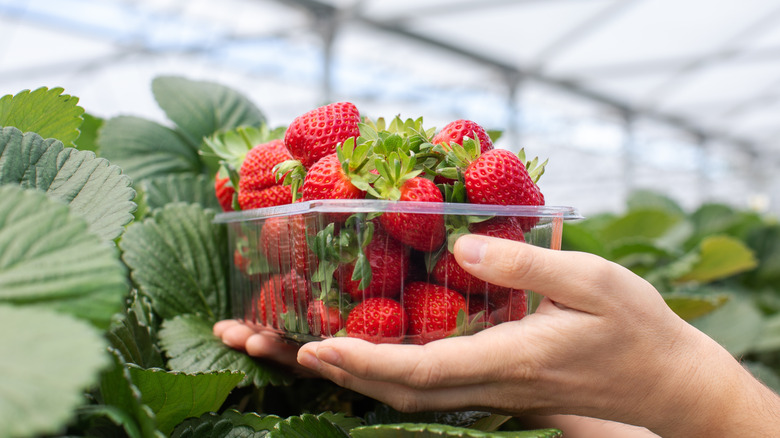
The next time you reach for a container of berries, look past the surface. Smell the fruit, check the weight, and remember that these tiny powerhouses are at their best when treated with the care they deserve. Whether you are a fan of the humble blueberry or the misunderstood black currant, your newfound knowledge will ensure that your next berry-packed meal is not only delicious but optimized for your health.