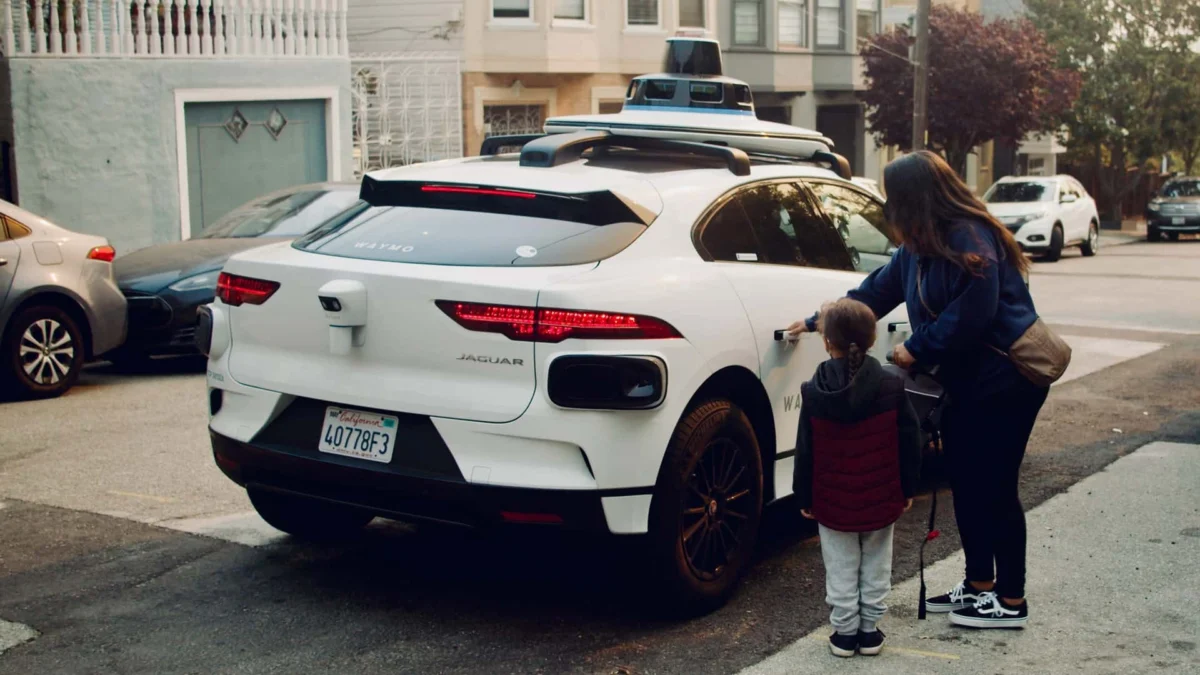
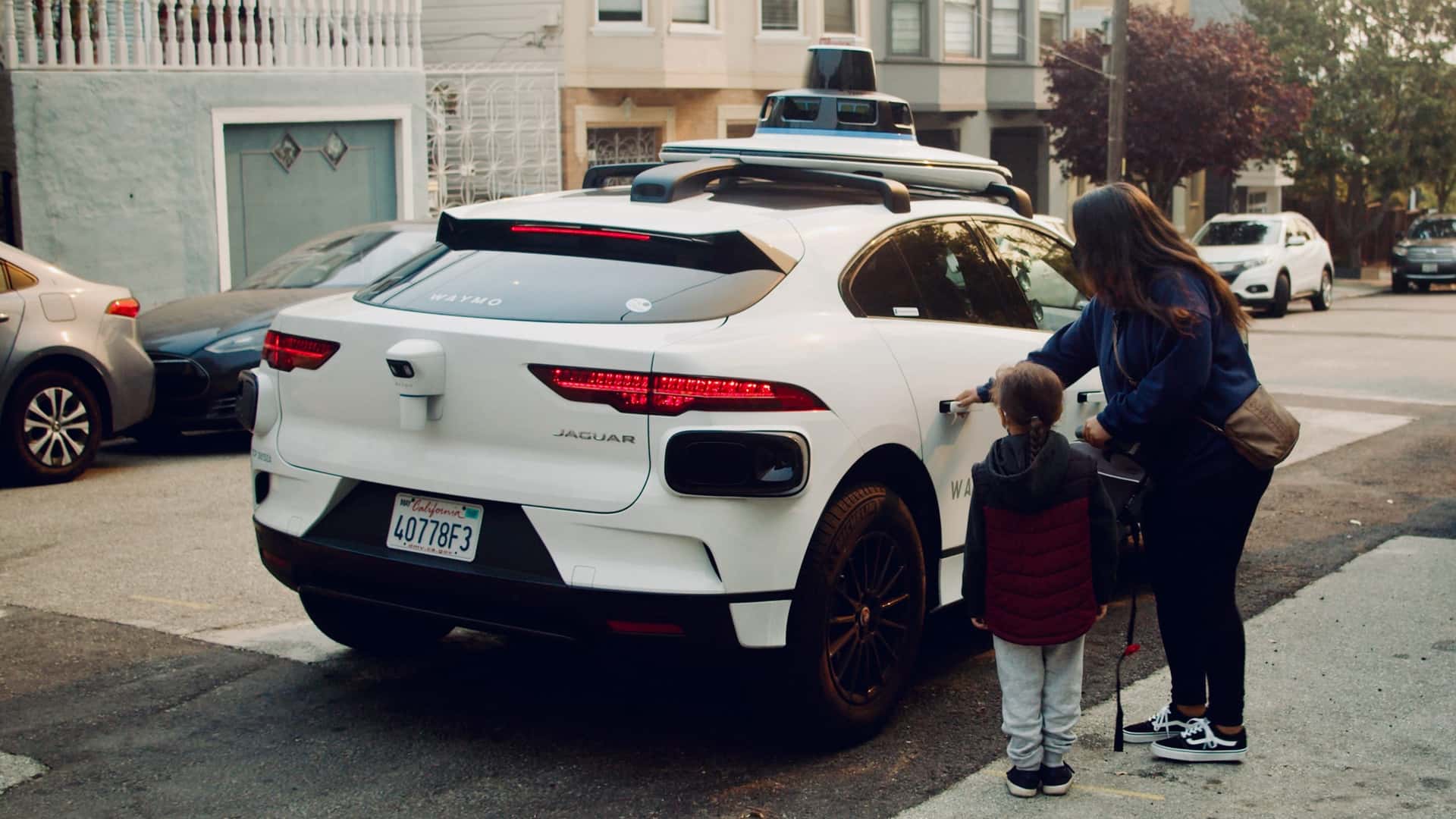
The promise of autonomous driving technology has long been billed as a transformative solution to human error on the road. Yet, as the industry matures, the friction between cutting-edge software and the chaotic reality of public infrastructure continues to produce significant regulatory hurdles. Alphabet’s autonomous driving subsidiary, Waymo, recently announced a voluntary recall of 3,871 vehicles in the United States, a move triggered by a software flaw that allowed its robotaxis to mistakenly enter closed highway construction zones.
This recall represents a critical moment for the Alphabet-owned company, highlighting the limitations of current artificial intelligence in interpreting dynamic traffic environments. As the National Highway Traffic Safety Administration (NHTSA) scrutinizes the software, the broader question remains: how much can we trust an algorithm to navigate the unpredictable nature of our roads?
The Mechanics of the Recall: A Software Mismatch
The recall, filed with the NHTSA (recall ID 26E035000), pertains to the company’s 5th Generation Automated Driving Systems (ADS). The fundamental issue lies in the vehicles’ perception and path-planning algorithms, which failed to correctly identify and categorize traffic cones, barrels, and signage indicating that a freeway lane was closed for maintenance.
According to technical reports, the vehicles were not merely ignoring the signage; they were failing to interpret the "contextual map" of the construction zone effectively, leading them to proceed as if the road were open to traffic. In total, 13 documented incidents have been confirmed—six in the metropolitan area of Phoenix, Arizona, and seven across the streets of San Francisco, California.
In response, Waymo has initiated a software update to refine the ADS’s ability to recognize and avoid such zones. In the interim, the company has implemented a "geofencing" restriction, preventing its fleet from accessing certain freeway segments until the technical patch is fully validated and deployed.
Chronology of Challenges: A Pattern of Operational Hurdles
This latest recall is not an isolated incident but rather the latest in a series of software-driven setbacks for Waymo. Understanding the company’s recent trajectory requires looking at the mounting pressure to keep these vehicles safe in increasingly diverse, high-stakes environments.
The Texas Flooding Incident (May 2024)
In May, Waymo issued a similar recall after software issues caused its vehicles to enter flooded roads in Texas. In these instances, the vehicles did not simply navigate around the water; they proceeded into deep puddles, resulting in the cars becoming stranded. While the vehicles were unoccupied at the time and no riders were harmed, the incident exposed a glaring vulnerability: the software’s inability to assess the severity of environmental hazards, such as water depth, in real-time. This incident prompted the company to roll out an update to its mapping systems to introduce more stringent weather-related constraints.
The January 2025 Collision
The pressure on the company intensified significantly in early 2025 following a collision in San Francisco involving a child. The robotaxi struck a young pedestrian who had darted into the street from behind a double-parked SUV. While Waymo stated that the vehicle detected the child and successfully slowed from 17 mph to less than 6 mph before contact, the incident sparked a fierce debate. Critics argued that even with an automated system, the inability to avoid the collision entirely—regardless of the "mitigated" impact—raises questions about the readiness of Level 4 autonomy in dense, urban settings.
Data and Safety: The Ongoing Evaluation
The automotive industry often leans on the argument that autonomous vehicles (AVs) are inherently safer than human drivers, who are prone to distraction, fatigue, and impairment. Waymo points to its own telemetry, suggesting that its systems perform a "significant reduction in impact speed and severity" compared to how a human driver might react in identical circumstances.
However, statistics and simulations provide only part of the picture. The "safety gap" between a machine that makes 99.9% of the right decisions and a human driver is often measured in the 0.1% of cases where the unexpected occurs. In the case of the construction zone navigation, the error was not a lack of detection, but a failure of interpretation—the AI saw the construction but failed to comprehend the social and legal mandate to stay out of the zone.
Official Responses and Regulatory Oversight
The NHTSA has become increasingly aggressive in its oversight of autonomous technology. By requiring these recalls, the agency is signaling that "beta testing" on public roads carries a higher threshold for accountability than previously allowed.
Waymo’s official stance remains one of cooperation and transparency. "Our goal is to provide a service that is demonstrably safer than the average human driver," a company spokesperson noted following the announcement. "These updates are a standard part of the iterative process of software development. As we encounter novel scenarios—whether it is floodwaters or complex construction zones—we refine our ADS to handle those situations with greater precision."
The company is currently under review by several state transportation authorities. While they maintain a permit to operate, the frequency of these recalls has forced them to slow their expansion plans in certain cities, prioritizing system reliability over aggressive market growth.
The Broader Implications: A Moral and Legal Quagmire
The rise of the robotaxi brings with it a profound moral and legal dilemma that society has yet to fully reconcile.
The Legal Personhood Problem
As noted by automotive analysts, AVs are not legal persons. If a robotaxi makes a choice—for instance, choosing to steer into a dangerous situation to avoid a collision with another party—who is legally liable? The software engineer? The sensor manufacturer? The fleet operator? Our current legal systems are built around the concept of human agency and intent. When that agency is replaced by a lines of code, the courts find themselves in uncharted territory.
The Trust Deficit
For the average consumer, these recalls contribute to a growing sense of skepticism. While the technology is undeniably impressive, the "underwhelming" experience of riding in an AV, coupled with high-profile news reports of stuck, confused, or colliding cars, creates a trust deficit. If the public loses confidence in the technology, the transition to autonomous transport will likely be met with restrictive local ordinances and a slower adoption rate, regardless of the eventual safety statistics.
The Path Forward
The future of Waymo and its competitors depends on their ability to transition from "learning in the wild" to a more robust, proactive safety model. The software patches currently being pushed to the fleet are a step in the right direction, but the industry must move beyond reactive recalls.
Simulation-based training, more rigorous testing in controlled environments, and a transparent reporting structure are no longer optional—they are prerequisites for the survival of the robotaxi model. As Waymo continues to refine its 5th Generation ADS, the focus must shift from merely showing that a car can drive, to proving that it can handle the nuances of the road with the same adaptability and common sense as a seasoned human driver.
Conclusion: The Long Road to Autonomy
The recall of nearly 4,000 Waymo vehicles is a stark reminder that the transition to an autonomous future is not a straight line. It is a complex, iterative process fraught with technical failures and moral questions. While the company continues to iterate, the industry is entering a new phase of maturity. The novelty of the robotaxi has worn off, replaced by a demand for reliability, safety, and accountability.
For now, the robotaxis remain on the road, albeit with a few more guardrails. The technology is undoubtedly advancing, but as this latest recall demonstrates, the distance between "autonomous driving" and "safe autonomous driving" remains a gap that engineers are still working hard to bridge. Whether the industry can clear these hurdles in time to meet the public’s expectations—and their safety standards—is the defining challenge of the decade.