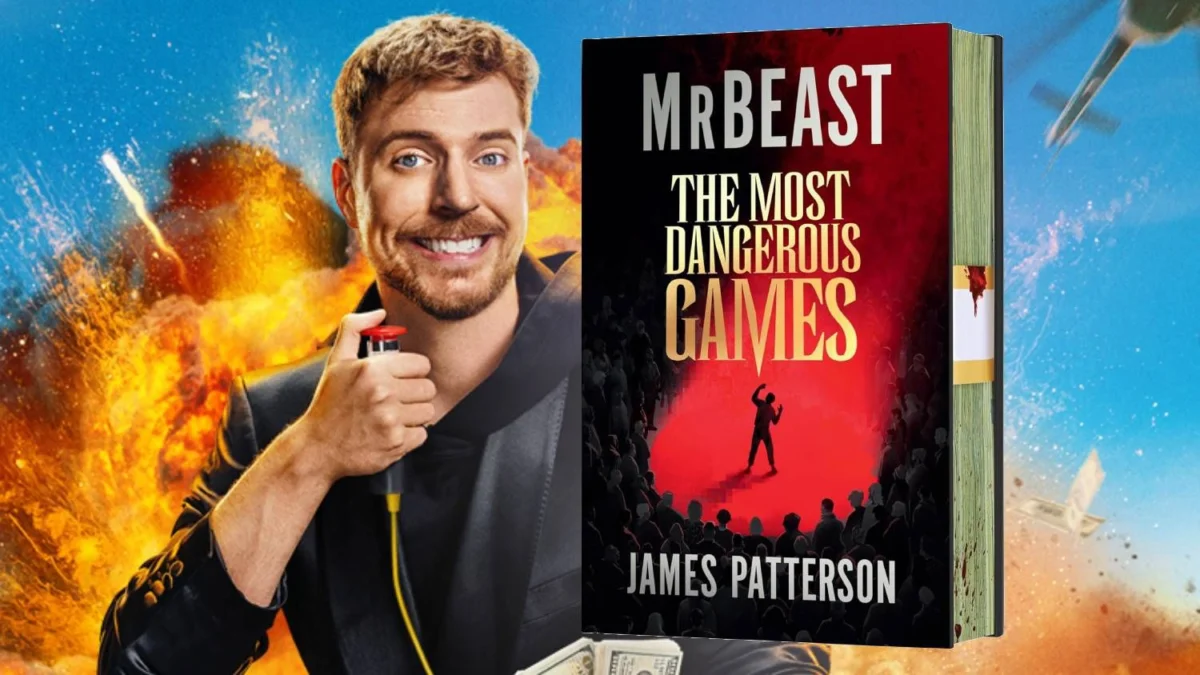
In a move that underscores the convergence of digital-first stardom and traditional publishing powerhouses, YouTube mogul Jimmy “MrBeast” Donaldson has announced a high-profile collaboration with thriller titan James Patterson. The resulting novel, titled The Most Dangerous Games, is slated for a September 1 release and is being marketed by publisher HarperCollins as the “book event of the year.” This partnership pairs the most-subscribed YouTuber on the planet with the world’s most prolific commercial novelist, creating a cross-media juggernaut that aims to bridge the gap between short-form digital entertainment and long-form fiction.
The Convergence of Empires: A Study in Scale
Jimmy Donaldson’s rise to prominence is built on the foundation of high-stakes, big-budget spectacle. Whether it is his viral Beast Games production or his relentless philanthropic stunts, Donaldson has mastered the art of the “event.” By partnering with James Patterson, he is applying that same logic to the literary world.
Patterson, whose career is defined by a massive, assembly-line approach to fiction, is perhaps the only author capable of matching the industrial scale of MrBeast’s content production. Having authored or co-authored hundreds of books, Patterson has revolutionized the way thrillers are produced. By utilizing exhaustive 50- to 70-page outlines and collaborating with a vast network of writers, he ensures a relentless release schedule. This methodology mirrors Donaldson’s own approach to YouTube, where an army of editors, researchers, and producers work to ensure that his content machine never stops turning.
Chronology: From Viral Stunts to the Printed Page
The trajectory toward this collaboration has been years in the making, tracking alongside the evolution of MrBeast from a niche gamer to a global media entity.
- 2021-2023: Donaldson solidifies his status as a YouTube titan, expanding his brand into food (Feastables) and massive, reality-TV-style competitions that rival network television budgets.
- 2024-2025: As MrBeast’s production value reaches its zenith, the creator begins facing increasing scrutiny. Reports of dangerous on-set conditions and a series of high-profile lawsuits filed against his company begin to circulate, casting a shadow over his "wholesome" brand.
- Early 2026: Donaldson shifts his focus toward legacy media platforms, specifically Amazon, signaling a departure from pure YouTube dependency.
- June 18, 2026: The official announcement of The Most Dangerous Games is made, revealing the partnership with James Patterson and the book’s thematic overlap with the dystopian competitions that have become a hallmark of the MrBeast brand.
- September 1, 2026: Scheduled release date for the novel.
The Dystopian Mirror: Fiction Meets Reality
The plot of The Most Dangerous Games appears to be a conscious—or perhaps subconscious—reflection of the very controversies currently dogging Donaldson’s career. The book follows one hundred players in a “ruthless, high-stakes competition” where the reward is one billion dollars and the hope of saving humanity.
The synopsis reads like a distillation of the criticism leveled against MrBeast’s Beast Games production. Critics and legal filings have argued that the conditions for contestants in his real-world challenges were unnecessarily brutal and hazardous. By framing his first novel around a literal “deadly game,” Donaldson is leaning into the criticisms, essentially gamifying the discourse surrounding his own professional conduct.
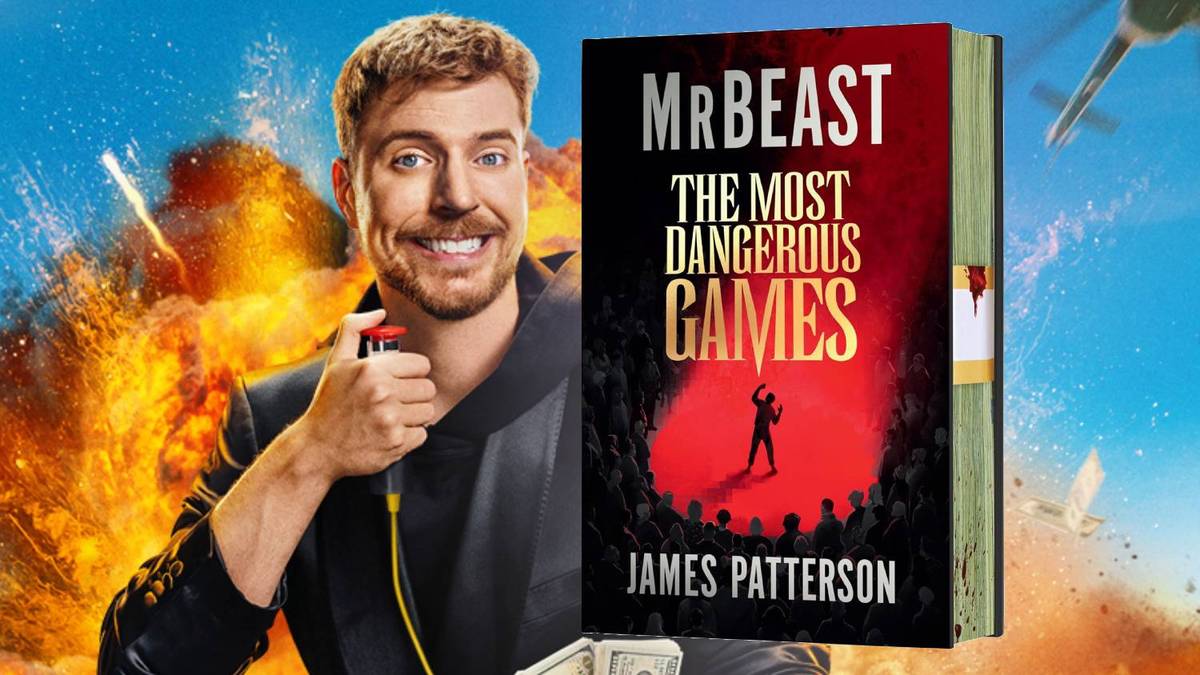
The comparison to The Hunger Games and The Running Man is inevitable. Like Suzanne Collins or Stephen King, the duo is exploring the dehumanizing nature of entertainment-driven survival. However, the irony of a billionaire creator writing a book about the desperation of players competing for a life-changing prize has not been lost on industry observers.
Supporting Data: The Economics of the Beast
To understand the scale of this collaboration, one must look at the financial architecture of both men. James Patterson has sold more than 425 million copies of his books worldwide, consistently appearing at the top of the Forbes list for highest-paid authors. Jimmy Donaldson, meanwhile, has transformed his channel into a business that generates hundreds of millions in annual revenue.
The publishing industry, which has struggled to capture the attention of Gen Z and Gen Alpha, views this partnership as a potential lifeline. If Donaldson can mobilize even a fraction of his hundreds of millions of subscribers to purchase a book, it would represent one of the most successful marketing campaigns in the history of the industry. The publisher’s investment in a “Deluxe Limited Edition” suggests they are banking on the "MrBeast effect"—a phenomenon where his audience doesn’t just watch his content, but actively invests in his products.
Official Responses and Creative Vision
The rhetoric surrounding the book’s announcement is carefully crafted to appeal to both the literary establishment and Donaldson’s younger, digital-native demographic.
“Growing up, I thought books were boring,” Donaldson admitted during the announcement. “As I got into my 20s I realized I was just reading the wrong books and they can be exciting if it’s the right match.”
This statement serves a dual purpose: it validates his younger audience’s potential aversion to reading while positioning The Most Dangerous Games as the “cool” alternative. Patterson, in turn, has leaned into the professional aspect of the partnership, praising Donaldson’s instincts.

“Jimmy has the best storytelling instincts of anyone I’ve worked with,” Patterson stated. “We had a great time working in collaboration, going back and forth with ideas, making the novel better and better every step of the way.”
Whether this “back and forth” implies that Donaldson provided the high-level concepts while Patterson’s team executed the prose remains an open question. However, in the world of Patterson’s literary factory, the distinction between “author” and “architect” has always been fluid.
Implications for the Future of Publishing
The implications of this project extend far beyond the sales figures of a single novel. If The Most Dangerous Games succeeds, it will likely trigger a gold rush of publishing houses attempting to sign top-tier YouTubers and streamers to similar deals.
- The Death of the Traditional "Author" Persona: We are moving toward an era where the “author” is a brand manager rather than a solitary wordsmith. The celebrity-driven model, where the name on the cover is a marketing vehicle, is becoming the standard for commercial success.
- Platform Integration: The book serves as a key piece of intellectual property that could be easily adapted into a film or a streaming series. By owning the story from the inception of the novel, Donaldson is ensuring he controls the rights to potential future adaptations, further cementing his move away from YouTube toward broader media ownership.
- The "Content-First" Reader: By framing reading as an "exciting" activity that requires the "right match," Donaldson is attempting to gamify the reading experience. This aligns with the attention-economy tactics he has used for years, where the goal is to keep the user engaged at any cost.
Conclusion: A Gamble on Literacy
As summer draws to a close, the release of The Most Dangerous Games will serve as a bellwether for the future of creator-led literature. Will the millions of fans who tune in to watch Donaldson navigate obstacle courses and perform stunts be willing to sit down and read a 300-page thriller?
The book is, in many ways, the ultimate MrBeast challenge: can he convince a generation that has grown up on 60-second clips that a novel is worth their time? If he succeeds, he won’t just have written a book; he will have successfully expanded the boundaries of the influencer economy into the last, final frontier of traditional media. If he fails, it will serve as a rare, high-profile misstep in a career that has been defined by an uncanny ability to understand exactly what his audience wants—even before they know they want it themselves.