
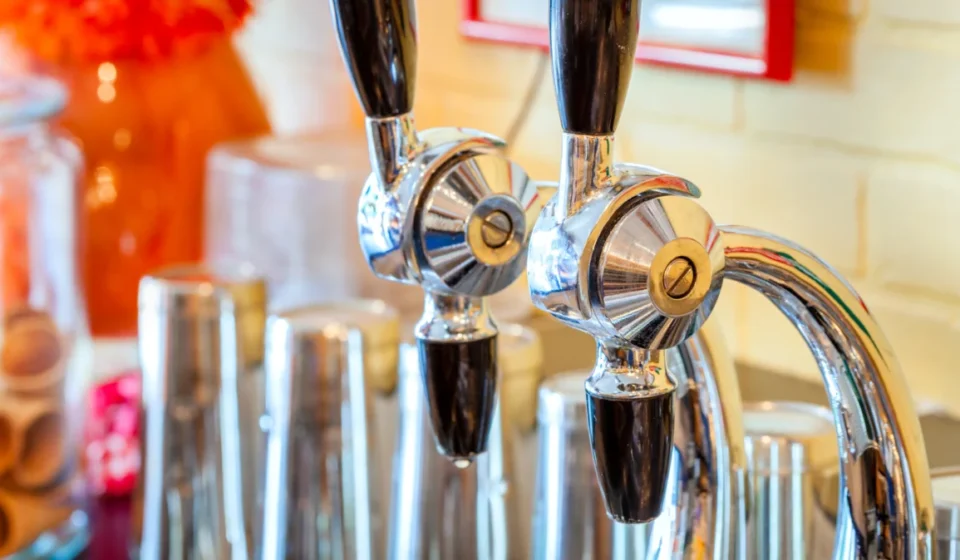

In an era defined by rapid-fire drive-thrus, automated kiosks, and the clinical efficiency of modern fast-casual dining, there is something profoundly radical about the act of pulling up a stool at an old-school soda fountain. It is a sensory experience that defies the digital age: the rhythmic clatter of metal spoons against heavy glass, the sharp hiss of carbonated water mixing with house-made syrups, and the unmistakable, lingering scent of malted milk and sugar.
Once the beating heart of the American community, the traditional soda fountain—often tucked into the back of a neighborhood pharmacy—was more than a place to grab a drink. It was a social anchor. As we move further into the 21st century, these "time capsules" serve as a poignant reminder of a slower, more deliberate way of life. While the bologna cakes and Jell-O salads of the 1950s have rightfully faded into culinary obscurity, the soda fountain remains a cherished relic worth preserving.
The Evolution of the Fizzy Concoction: A Chronology
To understand the enduring appeal of the soda fountain, one must look back to the mid-19th century. Initially, carbonated water was a medicinal commodity. Pharmacists, the local chemists of the Victorian era, utilized their knowledge of botany and chemistry to infuse carbonated water with syrups, herbs, and extracts. These concoctions were often marketed as "tonics" meant to cure everything from indigestion to exhaustion.
By the early 1900s, the medicinal pretense had largely vanished, replaced by pure, unadulterated indulgence. The soda fountain became the Prohibition-era alternative to the neighborhood saloon. Families, courting couples, and teenagers found a safe, vibrant space to gather. The counter became a stage, and the "soda jerk"—a term derived from the sharp, jerking motion required to operate the draft arm—became a local celebrity.
The post-World War II landscape, however, proved devastating. The rise of bottled soft drinks, mass-produced and sold in grocery stores, stripped the soda fountain of its monopoly on carbonation. As refrigeration became a household staple and the American car culture necessitated convenience, the local apothecary fountain began to close its doors by the thousands. Yet, a resilient few survived—either by sheer force of community will or by evolving into destination eateries.
The Pillars of Preservation: Iconic Establishments
Across the United States, several institutions have weathered the tides of change, maintaining the integrity of the fountain experience.
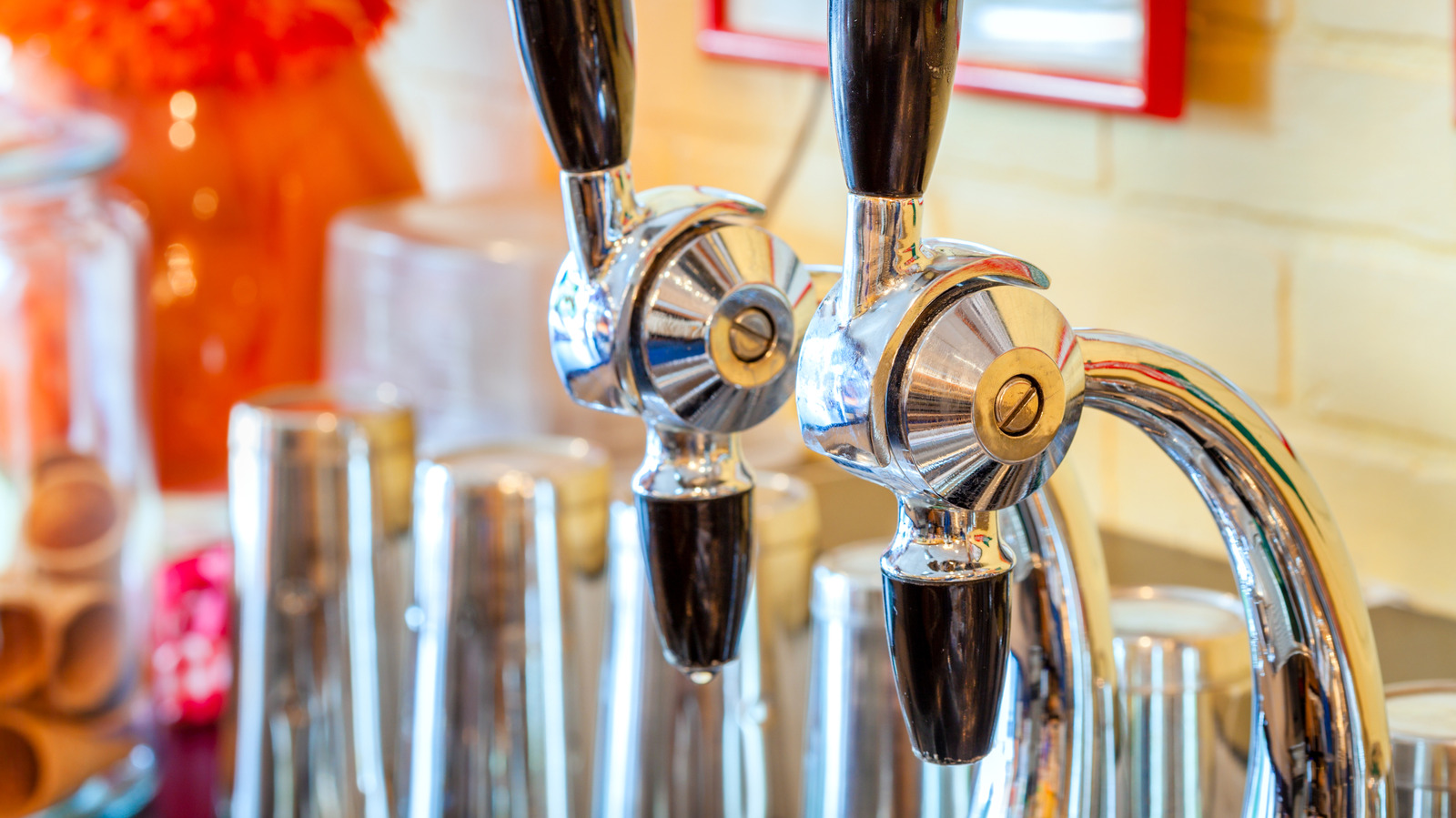
1. The Tennessee Tradition: Elliston Place Soda Shop, Nashville
Founded in 1939, Elliston Place is a testament to the longevity of Southern hospitality. Despite a 2021 relocation and modernization, the shop has meticulously preserved its "meat ‘n’ three" roots. The chrome-heavy interior remains, and the menu still features artisanal soda flavors like lavender and tangerine. As founder Lynn Chandler famously instilled, the goal was to treat every patron like family—a philosophy that continues to draw crowds today.
2. The Living Museum: Zaharakos, Columbus, Indiana
Opening its doors in 1900, Zaharakos is perhaps the most immersive experience on this list. Featuring a 1904 onyx soda fountain, the shop acts as both a restaurant and a museum. Visitors are surrounded by century-old mechanical music machines and syrup dispensers, all while enjoying house-made ice cream. It is a rare example of a business that treats its own history with as much reverence as its secret-recipe sundaes.
3. The Civil War Legacy: Borroum’s Drug Store, Corinth, Mississippi
Established in 1865 by a Civil War surgeon, Borroum’s represents the oldest drug store in Mississippi. It is a bastion of regional identity, most famous for its "Slugburger"—a Depression-era delicacy made from a mixture of meat and extenders like flour or soy grits. Sitting in this Art Deco-style shop, sipping a cherry phosphate, one truly feels the weight and wonder of the past.
4. Hollywood Meets History: Leopold’s, Savannah, Georgia
Opened in 1919 by three Greek immigrant brothers, Leopold’s Ice Cream is a Savannah landmark. The original downtown location still uses much of the century-old equipment that defined its early years. Interestingly, the shop is currently owned by Stratton Leopold, a prominent Hollywood film producer. The juxtaposition of cinematic glamour and classic, small-town soda fountain service has made it a must-visit destination.
5. The Phoenix Phoenix: MacAlpine’s, Arizona
MacAlpine’s has endured through thick and thin, including the challenges of the COVID-19 pandemic and the tragic loss of key family members. Founded in 1929, it remains a pillar of Phoenix culture. Legend has it that the store was a favorite of Frank Lloyd Wright and the site where entertainer Wayne Newton was discovered. With its original fixtures still intact, it offers a rare, authentic slice of early 20th-century Americana.
Supporting Data: Why They Still Matter
The survival of these establishments is not merely a matter of nostalgia; it is a matter of economic and cultural sustainability. According to industry observations, these shops succeed where others fail because they have transitioned from "convenience providers" to "experiential destinations."
- Longevity: Most of the highlighted fountains have been in continuous operation for over 100 years.
- Economic Impact: Many have been recognized by organizations like the James Beard Foundation (e.g., Lagomarcino’s in Illinois/Iowa), proving that high-quality, artisanal production is a viable business model.
- Community Retention: Unlike chain restaurants, these fountains serve as intergenerational hubs. A 2023 survey of patrons at these locations indicated that over 70% were visiting based on family tradition, highlighting the role of these shops in maintaining local identity.
Official Responses and Preservation Efforts
The preservation of these sites is rarely supported by government subsidies; rather, it is driven by local preservation societies and the families who own them. Ric Griffith, a pharmacist and owner of the Griffith & Feil Soda Fountain in Kenova, West Virginia, notes: "Being a pharmacist and a soda fountain owner isn’t a contradiction; it’s a continuation. We are still providing care, just in different forms—the medicine for the body and the treat for the soul."
This sentiment is echoed by the owners of Fair Oaks Pharmacy in Pasadena, California, who emphasize that their role is to act as stewards of Route 66 history. They argue that these fountains are not just serving food; they are providing a tangible link to the American experience that cannot be replicated by modern franchises.
Implications: The Future of the Soda Fountain
What does the future hold for these fizzy sanctuaries? The primary implication of their success is a shift in consumer behavior. As younger generations become increasingly disillusioned with the "fast and cheap" model of modern dining, the "slow and storied" model of the soda fountain offers a compelling alternative.
However, the challenges remain significant. High maintenance costs for antique equipment, the scarcity of replacement parts for original soda fountains, and the difficulty of maintaining old buildings mean that these businesses operate on thin margins. Their survival depends entirely on the willingness of the public to value craftsmanship over convenience.
Ultimately, the soda fountain is a reminder that we are the sum of our shared experiences. Whether it is a phosphate in Girard, Illinois, or an egg cream in Pasadena, these shops offer more than just sugar and carbonation. They offer a seat at a counter where time slows down, where the music is still played on a jukebox, and where every customer is part of a century-long tradition. As long as there are people willing to slide onto a stool and order a milkshake the old-fashioned way, the American soda fountain will never truly go out of style. It will simply wait for the next generation to rediscover the magic in the foam.