Executive Summary: A Delicate Balancing Act
In a significant diplomatic intervention, the United Nations Special Rapporteur on the promotion and protection of human rights and fundamental freedoms while countering terrorism, Ben Saul, has issued a stark call to action for the government of Mozambique. Following a comprehensive ten-day mission to the Southeast African nation, Saul emphasized that while military successes in reclaiming territory from insurgent groups are commendable, long-term stability remains fragile.
The core of the UN’s message is that counter-terrorism strategies cannot rely solely on force. To truly eradicate the insurgency that has plagued the northern province of Cabo Delgado since 2017, the Mozambican government must address the systemic socioeconomic grievances that fuel extremist recruitment. Saul’s findings underscore a critical juncture for the country: the need to transition from an emergency military footing toward a sustainable governance model that prioritizes human rights, accountability, and equitable development.
Chronology: The Cabo Delgado Insurgency
The current crisis in Mozambique is not a sudden eruption but the culmination of years of systemic neglect and regional instability.
- October 2017: The conflict begins with an armed attack on police stations in the town of Mocímboa da Praia, Cabo Delgado, by a group known locally as al-Shabaab (not affiliated with the Somali group of the same name), which would later pledge allegiance to the Islamic State.
- 2018–2020: The insurgency intensifies, expanding its reach across multiple districts. The conflict is marked by brutal attacks on civilians, the destruction of infrastructure, and the systematic burning of villages.
- March 2021: The siege of Palma occurs, resulting in hundreds of casualties and the displacement of thousands, bringing international attention to the severity of the crisis.
- July 2021: The Southern African Development Community (SADC) Mission in Mozambique (SAMIM) and a separate Rwandan military contingent arrive to assist the Mozambican Defense Armed Forces (FADM).
- 2022–2025: A period of slow stabilization ensues. Coalition forces reclaim major population centers, allowing for a phased return of internally displaced persons (IDPs). However, the conflict persists in the form of asymmetrical warfare and localized guerrilla attacks.
- August 2026: UN Special Rapporteur Ben Saul concludes his fact-finding mission, releasing a report that calls for a paradigm shift in the national counter-terrorism strategy.
Supporting Data: The Drivers of Conflict
The UN report highlights that the insurgency in northern Mozambique is fed by a "cocktail" of grievances. The UN Global Counter-Terrorism Strategy identifies several conditions conducive to terrorism, all of which are present in the Cabo Delgado region:
- Socioeconomic Marginalization: High levels of poverty and a lack of economic opportunity have created a vacuum that extremist ideologies exploit.
- Resource Mismanagement: Despite the region’s massive natural gas reserves and mineral wealth, local communities have seen little of the resulting economic growth. This perceived lack of benefit from extractive industries has fostered deep-seated resentment toward the state.
- Governance Deficits: Corruption, land disputes, and a lack of basic infrastructure—including schools and hospitals—have eroded public trust in government institutions.
- Security Abuses: The report notes that abuses committed by state-aligned forces have, in some instances, pushed fence-sitters toward the insurgents, as local populations struggle to distinguish between the various armed actors operating in their territory.
Official Perspectives and UN Recommendations
Ben Saul’s statement is characterized by a "carrot and stick" approach. He expressed solidarity with the Mozambican authorities, acknowledging the recovery of areas that were once under the control of terrorist groups. He praised the government’s attempt to move toward a more "comprehensive" strategy that acknowledges the role of development in security.
Key Recommendations for the Mozambican Government:
- Institutional Reform: Strengthening the rule of law is paramount. This includes establishing robust accountability mechanisms to investigate and prosecute human rights violations committed by all parties, including security forces.
- Local Security Oversight: Saul expressed specific concern regarding the Força Local (a local militia). He called for stricter training, vetting, and control of these groups to prevent them from becoming perpetrators of rights abuses.
- Legislative Review: The Special Rapporteur criticized Mozambique’s current anti-terrorism legal framework as being "overly broad." He argued that vague definitions of terrorism could be weaponized to stifle dissent and infringe on civil liberties.
- Proportionality in Financing: He recommended that measures to track terror financing be risk-based and not indiscriminately applied, as current policies have inadvertently hindered the operations of legitimate non-profit organizations providing humanitarian aid.
Human Rights Violations: A Dual Threat
The human rights situation in northern Mozambique is dire, with the population caught between the brutality of the insurgents and the heavy-handedness of the security response.
The Insurgents
The insurgent groups have been implicated in egregious violations of international humanitarian law. These include the systemic use of sexual violence against women, the forced recruitment of children, and the indiscriminate killing and maiming of non-combatants. The terror campaign has effectively weaponized fear to maintain control over rural districts.
The Security Forces
Equally concerning are reports of abuses by state actors and their affiliates. While the state has a mandate to protect its citizens, the UN report warns that "security through repression" is counterproductive. When the state fails to provide protection—or worse, when it becomes an aggressor—it forfeits the "hearts and minds" of the local population, which is essential to defeating an ideology.
Implications for the International Community
The UN report serves as a warning to the international community: Mozambique is at a "critical moment." With the recent decline in external funding, there is a risk that the stabilization gains made over the last three years could be reversed.
The Need for Sustained Support
The conflict is likely to be prolonged. A military-only strategy, while capable of reclaiming ground, cannot solve the structural issues that birthed the insurgency. The international community must pivot from funding purely military efforts to supporting:
- Inclusive Governance: Promoting programs that ensure local communities have a seat at the table regarding the exploitation of natural resources.
- Human Development: Investing in education, healthcare, and infrastructure in the north to neutralize the appeal of extremist rhetoric.
- Reintegration Programs: Developing structured programs to rehabilitate and reintegrate individuals who wish to disengage from terrorist groups, a process that is currently underdeveloped in the region.
The Path Forward
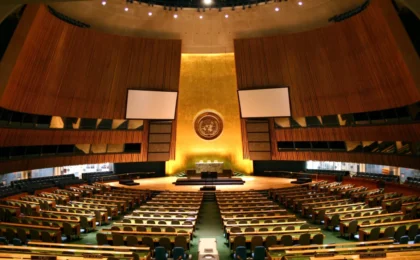
The upcoming presentation of the full report to the UN Human Rights Council in March 2027 will be a pivotal event. It will force a global conversation on whether Mozambique’s partners are willing to provide the long-term, multi-dimensional support required to stabilize the region.
In conclusion, the UN’s intervention serves as a reminder that the war against terrorism is not just a war against a group of insurgents; it is a war for the legitimacy of the state. Unless the Mozambican government can demonstrate that it serves the rights and needs of its citizens better than the extremists do, the cycle of violence in Cabo Delgado will likely continue to threaten the security of the entire region. The government’s response to Saul’s recommendations—specifically regarding legal reform and the accountability of security forces—will be the true test of its commitment to peace and human rights.