As the autumn leaves begin to turn and the air grows crisp, the seasonal migration of shoppers toward the Costco bakery section becomes a quintessential American tradition. At the heart of this fervor lies the Kirkland Signature Pumpkin Pie—a 58-ounce, three-pound-plus behemoth that has achieved cult-like status. While baking a pie from scratch is a noble pursuit that can easily consume three hours of labor, the Kirkland alternative offers a budget-friendly, high-quality solution for the time-strapped host. However, navigating the logistics of buying, storing, and serving a pie of this magnitude requires strategy.
To ensure your holiday dessert table is the envy of the neighborhood, we have compiled an exhaustive guide to mastering the Costco pumpkin pie experience, from the moment you step into the warehouse to the final bite of leftovers.
The Anatomy of the Kirkland Pumpkin Pie: Main Facts
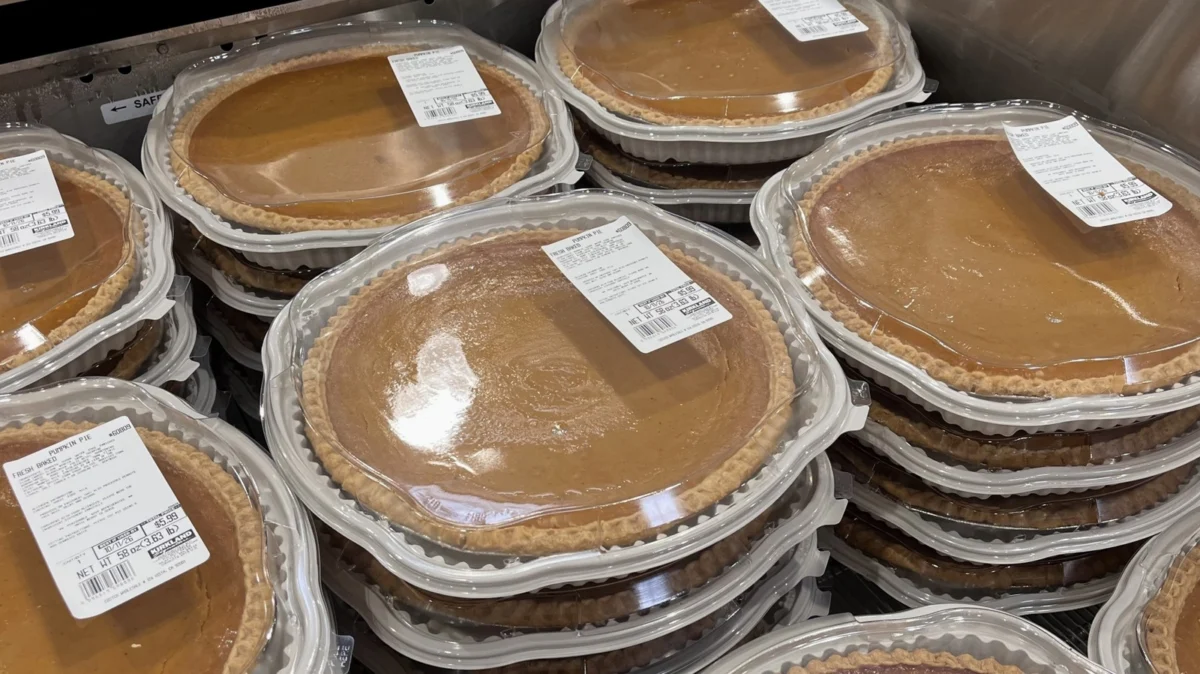
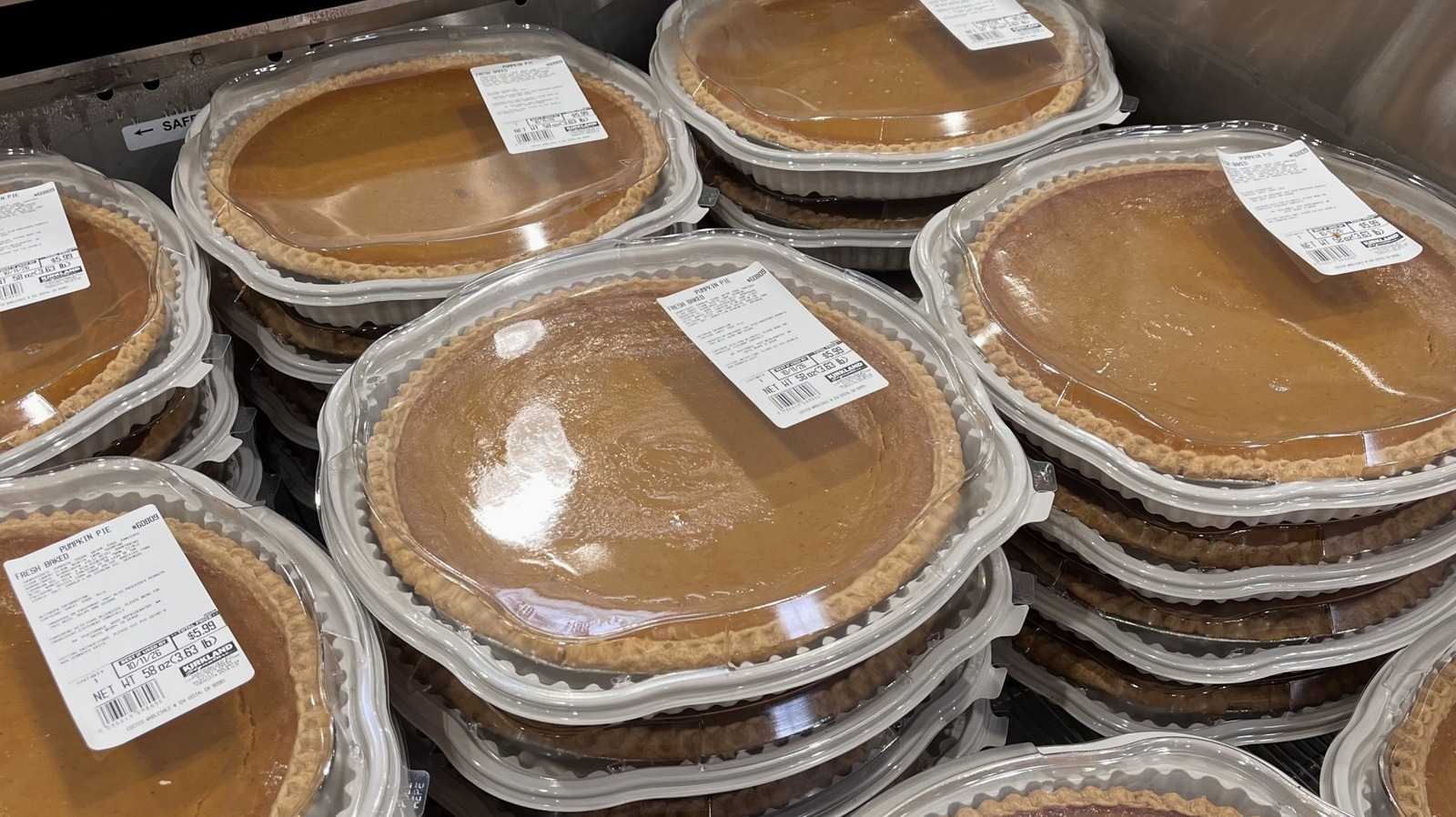
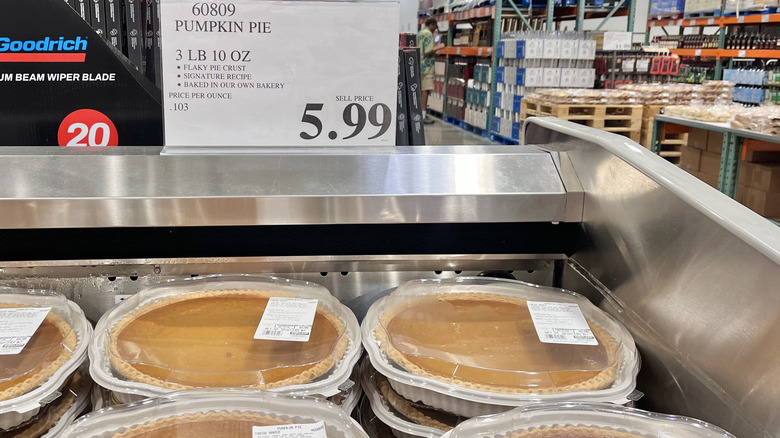
The Costco pumpkin pie is not merely a dessert; it is a logistical marvel. Weighing in at approximately 3 pounds and 10 ounces, it is nearly triple the size of a standard grocery store bakery offering. Its composition—a classic, custard-based pumpkin filling encased in a buttery, sturdy crust—is designed for mass appeal.
However, the sheer scale of the product presents unique challenges. Because these pies are mass-produced in the thousands leading up to major holidays like Thanksgiving, quality control is maintained through rigorous assembly-line standards. Yet, as with any high-volume bakery item, individual variations exist. Understanding these variations—and knowing how to spot a "perfect" pie—is the first step in successful hosting.
A Chronological Approach to Acquisition
Securing a fresh pie requires an understanding of warehouse operations and seasonal supply chains.
The "Day-Of" Fallacy
Many shoppers assume that a "fresh" pie must be purchased on the morning of their event. This is a strategic error. Costco warehouses are closed on major holidays, including Thanksgiving Day. Attempting to secure a last-minute pie on the morning of the holiday will lead to disappointment.
The Optimal Window
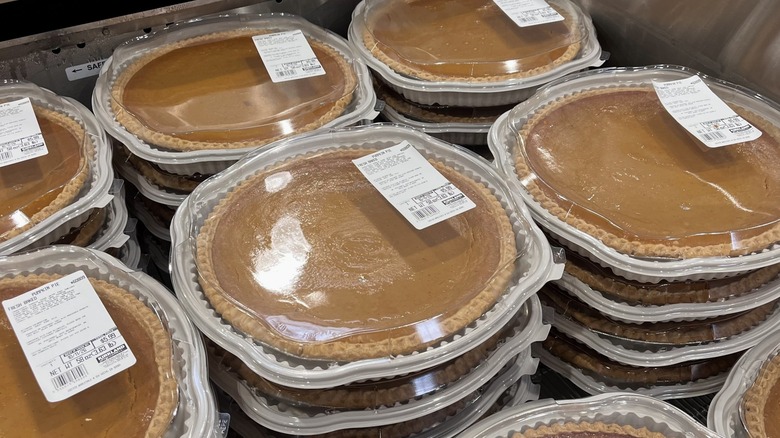
Based on inventory cycles, the best time to purchase is 24 to 48 hours prior to your event. During the lead-up to Thanksgiving, Costco significantly scales production. If you shop early in the season—such as early October—you will find smaller inventory quantities. In the week preceding Thanksgiving, the warehouse is flooded with stock. By purchasing two days out, you maintain the structural integrity of the crust and the freshness of the custard while avoiding the "panic-shopping" crowds that descend on the day before the holiday.
Hours of Operation
Always verify your local warehouse hours before departing. Regional variations exist, and weekend hours often differ from weekday schedules. Arriving at closing time is a risk that often results in empty shelves.
Visual Inspection: The Selection Process
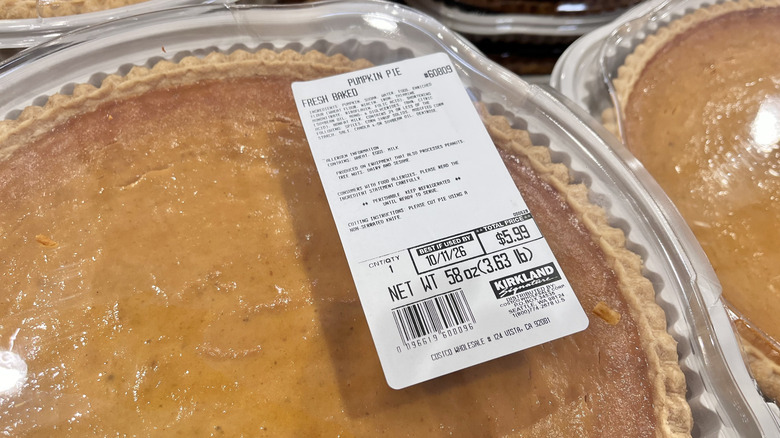
Before placing a pie in your cart, take a moment to conduct a visual assessment. While the plastic lids are sealed for food safety, they are transparent enough to allow for a thorough inspection.
Identifying the Ideal Pie
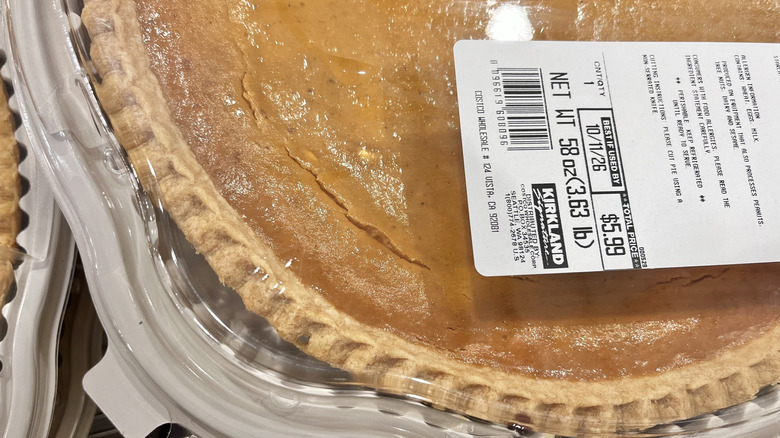
- Check for Cracks: While minor aesthetic imperfections are common in large-scale baking, avoid pies with deep fissures in the custard filling. Cracks in the center are often a sign of over-whipping the batter or cooling issues. A cracked pie is not necessarily unsafe, but it is prone to further degradation when sliced.
- Evaluate the Crust: Look for a golden-brown hue. Avoid pies that appear pale (undercooked) or excessively dark (potentially burnt).
- Filling Stability: If you observe liquid pooling on the surface, avoid that specific unit. This suggests improper setting of the custard, which will make the pie difficult to plate cleanly.
Important Note: Never open the plastic lid or touch the product. Respecting the safety seals is a non-negotiable aspect of the shopping experience.
Technical Interventions: Troubleshooting Undercooked Crusts
If you arrive home and find that your pie seems slightly "soggy" or the custard is softer than you prefer, do not despair. Many culinary professionals treat store-bought pies as a "base" rather than a finished product.
The Re-Bake Strategy
If the crust appears undercooked, you can safely return the pie to the oven.
- Method: Preheat your oven to a low temperature (approximately 300°F).
- Duration: Heat for 10 to 20 minutes.
- Monitoring: Keep a close watch. The goal is to dehydrate the crust slightly and set the custard, not to bake it to death. This minor intervention can transform a supermarket-style pie into a restaurant-quality experience.
Logistical Planning: Fridge Management and Storage
The sheer size of the Kirkland pie is its greatest attribute and its most significant logistical hurdle.
Clearing the Decks
Before your shopping trip, audit your refrigerator. A 58-ounce pie requires a significant footprint. If your fridge is packed, consider creating a dedicated space on a middle or bottom shelf.
The Flat-Surface Rule
The pie must be stored on a perfectly level surface. Storing it on an angle or tilted on a shelf can cause the custard to shift, leading to unnecessary cracking. Furthermore, avoid stacking heavy items on top of the pie container. While the plastic lids are designed to be stackable in a warehouse environment, they can warp under the weight of heavy grocery bags, potentially pressing the lid into the surface of the custard.
Culinary Transformation: Elevating the Experience
To disguise the "store-bought" nature of the pie, consider creative culinary modifications that add texture, flavor, and visual flair.
The "Bite-Sized" Aesthetic
If you are hosting a large party, serving the entire pie can be cumbersome. Use festive cookie cutters to create individual, flower-shaped or star-shaped pumpkin bites. This allows guests to enjoy the flavor profile in a refined, manageable format.
Toppings and Drizzles
- Caramelization: A warm salted caramel drizzle provides a sophisticated contrast to the earthy notes of cinnamon and nutmeg.
- Texture Additions: To combat the uniform softness of the custard, add a layer of chopped dark chocolate and toasted walnuts. The earthiness of the walnuts and the bitterness of the chocolate elevate the pie to a gourmet level.
- The Mascarpone Alternative: While whipped cream is the industry standard, consider whipping mascarpone with a touch of vanilla and maple syrup. It offers a denser, tangier, and more luxurious mouthfeel than traditional canned whipped topping.
Long-Term Preservation: Freezing for the Future
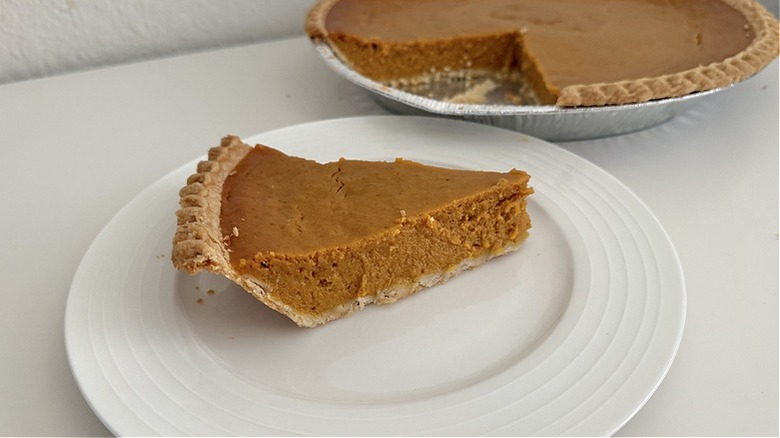
The Kirkland pie is surprisingly freezer-friendly. If you have leftovers, you can preserve them for up to three months.
Proper Freezing Technique
- Slice First: Portion the pie into mid-sized slices before freezing. This allows you to thaw only what you need.
- The Double-Barrier Method: Wrap each slice individually in high-quality plastic wrap, then wrap again in aluminum foil. This prevents freezer burn and the absorption of unwanted odors.
- Vacuum Sealing: For the best results, use a vacuum sealer. This removes all air from the packaging, effectively "locking" the flavor in place.
Thawing and Reheating
To serve frozen slices, allow them to thaw in the refrigerator overnight. To restore the texture of the crust, place the thawed slice in an air fryer at 350°F for 3–5 minutes. This process eliminates the moisture that often accumulates during the freezing process, resulting in a pie that tastes nearly as fresh as the day it was baked.
Implications for the Modern Host
The Costco pumpkin pie represents a shift in modern holiday hosting: the democratization of high-quality desserts. By leveraging the scale of a warehouse club, the host can allocate their time and energy toward other complex aspects of the meal—such as the turkey, the sides, or the atmosphere—without compromising the dessert course.
Ultimately, the Kirkland Signature Pumpkin Pie is a canvas. Whether you serve it exactly as it comes out of the box or use it as a foundation for your own creative garnishes and techniques, it remains a reliable, cost-effective, and delicious centerpiece for the autumn season. With the right preparation and a bit of culinary ingenuity, you can ensure that your guests enjoy a professional-grade dessert that perfectly captures the spirit of the holidays.