The world of Sunnydale recently experienced a brief, tantalizing flicker of resurrection, only to be extinguished before it could fully take hold. For fans of the iconic supernatural drama Buffy the Vampire Slayer, the recent news that Hulu had officially passed on the planned reboot, Buffy: New Sunnydale, was a bitter pill to swallow. Amidst the post-mortem analysis of why the project failed to launch, one beloved cast member has stepped forward to clarify his own connection—or lack thereof—to the venture.
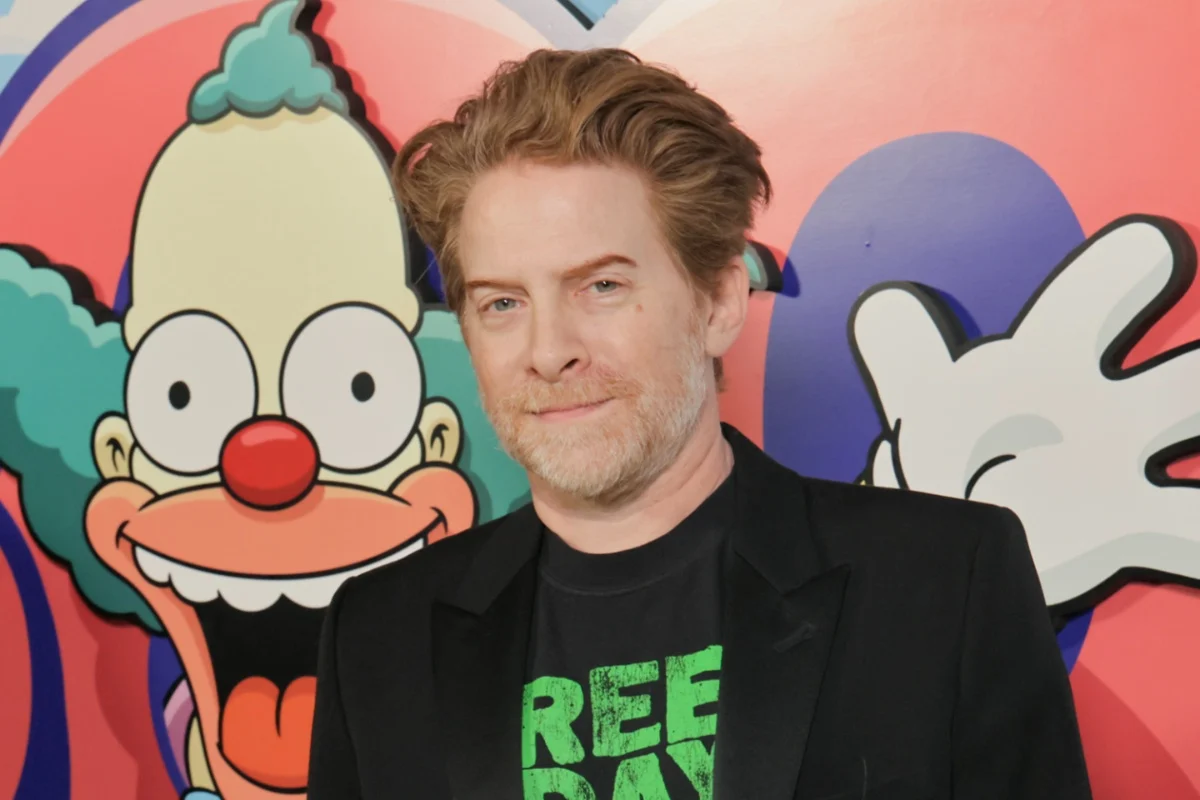
Seth Green, who immortalized the stoic, guitar-playing werewolf Daniel "Oz" Osbourne, recently broke his silence on the matter. Speaking on the September 8 episode of The McBride Rewind podcast, Green addressed the lingering questions regarding his involvement in the now-defunct project, confirming that his tenure in the Buffyverse remained strictly in the past during the development phase.
The Silence of the Werewolf: Seth Green’s Stance
During his appearance on the podcast, Green was candid about his exclusion from the creative conversations surrounding the reboot. When asked if he had been approached to reprise his role as the cool-headed, lycanthropic musician who served as a foundational member of the "Scooby Gang," Green was unequivocal.
"I was not part of those talks," Green stated, dispelling rumors that he might have been in line for a cameo or a recurring role in the new iteration.
However, his lack of involvement in the development process does not translate to a lack of interest in the character. In a sentiment that is sure to excite the show’s enduring fanbase, Green expressed a genuine curiosity about the current whereabouts and well-being of Oz. "If they wrote an Oz story, I’d love to see where Oz is right now," he added.
Oz’s departure in the original series—a painful, self-imposed exile to master his wolf nature—left a narrative thread that many fans have speculated about for two decades. Green’s willingness to revisit the role suggests that, while the door is currently closed, it is far from locked, should a future opportunity arise.
A Chronology of the ‘New Sunnydale’ Saga
To understand the weight of Green’s comments, one must look at the timeline of the ill-fated Buffy: New Sunnydale project. The original Buffy the Vampire Slayer series, created by Joss Whedon, ran for seven seasons from 1997 to 2003. It redefined the teen drama genre, blending high-stakes monster hunting with the poignant, often devastating trials of adolescence and early adulthood.
The whispers of a reboot began to circulate in industry circles years ago, but the project gained significant momentum when Hulu confirmed plans for a revival. The vision was ambitious: to move away from a traditional remake and instead focus on a "new" slayer, shifting the torch to a younger generation while maintaining a bridge to the original series.
The project, titled Buffy: New Sunnydale, was slated for a March 2025 release. The production secured a notable cast, including Ryan Kiera Armstrong as the new Slayer. The pilot boasted a diverse ensemble, including Faly Rakotohavana as Hugo, Ava Jean as Larkin, Sarah Bock as Gracie, Daniel di Tomasso as Abe, and Jack Cutmore-Scott as Mr. Burke. Perhaps most significantly, Sarah Michelle Gellar—the face of the franchise—was attached to return, providing the connective tissue that many legacy fans felt was essential for the project’s success.
However, the dream came to an abrupt end. In an emotional announcement on Instagram, Gellar confirmed the cancellation. "I am really sad to have to share this, but I wanted you all to hear it from me," Gellar wrote. "Unfortunately, Hulu has decided not to move forward with Buffy: New Sunnydale."
Behind the Scenes: The Vision of Chloë Zhao
One of the most intriguing aspects of the canceled project was the involvement of visionary director Chloë Zhao. Known for her atmospheric, character-driven work in films like Nomadland and the Marvel Cinematic Universe’s Eternals, Zhao’s attachment to Buffy suggested a departure from the campy, high-energy tone of the 90s original toward something more grounded and visceral.
Gellar’s statement offered a glimpse into the impact this project had on her personally. "I want to thank Chloë Zhao, because I never thought I would find myself back in Buffy’s stylish yet affordable boots," Gellar noted. "And thanks to Chloë, I was reminded how much I love her and how much she means not only to me but to all of you."
Gellar’s tribute to the project suggests that the vision was not merely a cynical cash grab, but a genuine attempt to evolve the franchise. The inclusion of an auteur like Zhao implies that the pilot was likely exploring the deeper, more melancholic underpinnings of the Slayer mythos—a tone that many fans of the darker seasons of the original show would have likely embraced.
Official Responses and Industry Silence
In the wake of the cancellation, the industry has been notably tight-lipped. Requests for comment sent to representatives for 20th Century Television and Hulu regarding the specific reasons for the cancellation have largely gone unanswered.
In the modern streaming landscape, the "cancellation of a pilot" is a common occurrence, often driven by shifts in corporate strategy, budget restructuring, or simply the failure of a project to meet the creative benchmarks set by studio executives. While the cancellation of a brand as powerful as Buffy is a high-profile failure, it reflects the volatile nature of rebooting "IP-heavy" content in a saturated market.
The Implications for the Franchise
The failure of New Sunnydale raises profound questions about the future of the Buffy franchise. Can a series so deeply rooted in the cultural zeitgeist of the late 90s successfully translate to the mid-2020s?
The original series was a perfect storm of writing, casting, and timing. Attempts to recapture that "lightning in a bottle" are fraught with difficulty. The cancellation of New Sunnydale suggests that perhaps the appetite for a direct continuation is lower than the studio anticipated, or that the cost-to-risk ratio for such a high-profile legacy property has become prohibitive.
However, Seth Green’s recent comments offer a different perspective. His openness to returning as Oz highlights a vital point: the cast members themselves hold a deep, lingering affection for these characters. Even if a large-scale ensemble reboot is not in the cards, the potential for smaller, more focused narratives—perhaps limited series or character-driven specials—could be the future path.
The Buffy universe has already proven its resilience in the form of Dark Horse comic books, which continued the narrative long after the cameras stopped rolling. The characters have a life independent of the screen, and as long as the original cast members maintain an interest in their roles, the possibility of a "legacy sequel" or a reunion project will always remain a topic of fervent fan discussion.
Conclusion: The Slayer’s Legacy
For now, the boots remain on the shelf. The cancellation of New Sunnydale is undoubtedly a disappointment for those who hoped to see the Slayer legacy continue, but it also serves as a testament to the high standards held by the fanbase.
Seth Green’s reflection on his time as Oz, and his willingness to revisit that chapter of his career, serves as a poignant reminder that Buffy the Vampire Slayer is more than just a television property; it is a cultural touchstone that shaped a generation. While Hulu has chosen not to move forward, the legend of the Slayer, the Scooby Gang, and the quiet, guitar-playing werewolf who helped them fight the darkness, remains etched in the history of television.
As Gellar reminded her followers in her final post on the project: "This doesn’t change any of that, and I promise if the apocalypse actually comes, you can still beep me." Until then, the fans will wait, watch, and continue to revisit the original seven seasons, where Sunnydale remains forever, and the fight against the forces of evil never truly ends.