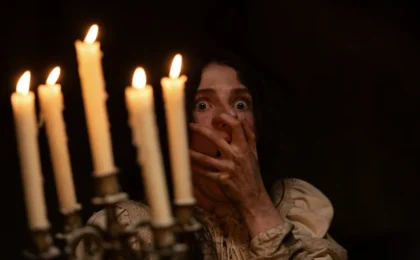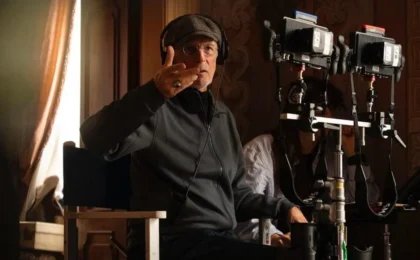

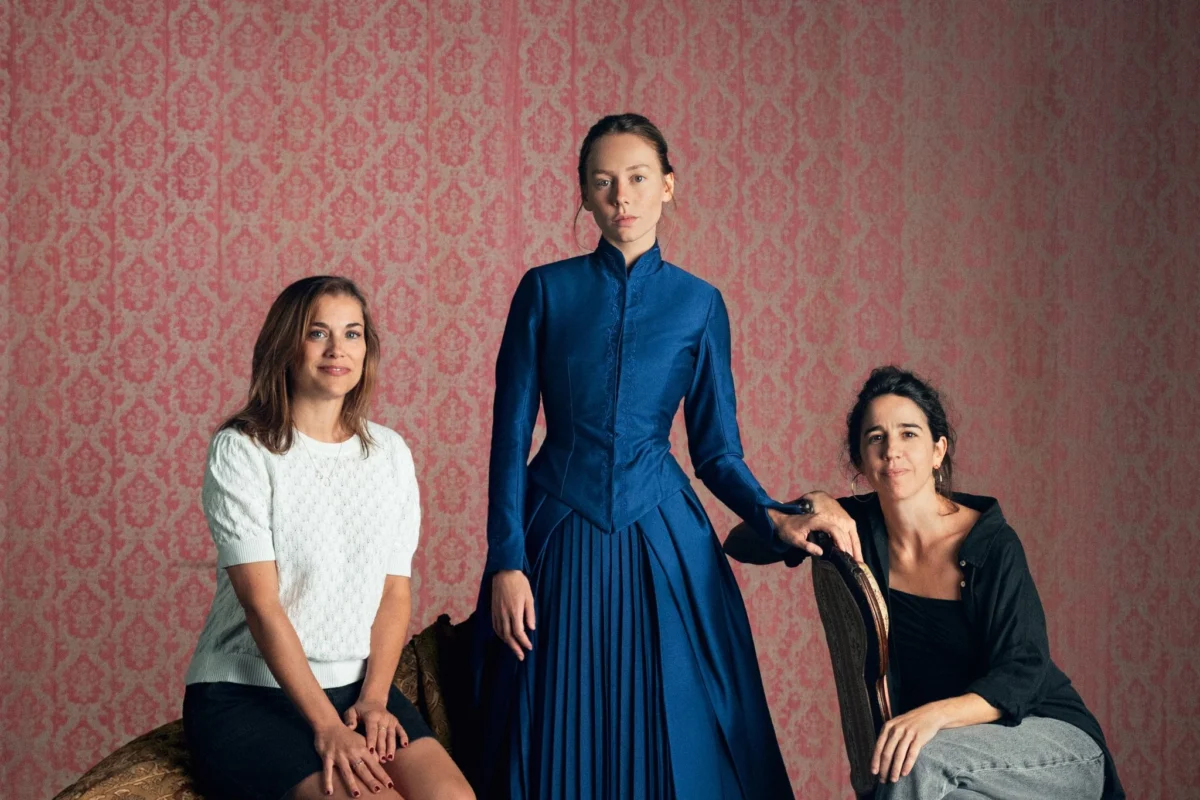
In a seismic development for the Spanish film industry, Netflix has announced the production of a major feature film adaptation of Leopoldo Alas “Clarín’s” 19th-century masterpiece, La Regenta. The project, which quietly entered production on October 23, is poised to become one of the most significant cinematic events of 2027. Directed by the acclaimed Locarno-winning filmmaker Mar Coll and starring Netflix royalty Ester Expósito, the film promises a contemporary, female-centric lens on a story that has long defined the Spanish literary canon.
The surprise announcement has sent ripples of excitement through the European film community, largely because the project was kept under strict wraps until Friday’s revelation. Produced by María Zamora of Elastica Films—the powerhouse behind recent festival darlings Alcarràs and Creatura—this adaptation signals a shift in Netflix’s strategy, as the streamer continues to invest in high-prestige, world-class literary IP.
A Literary Titan Reimagined
Often cited as the "Madame Bovary" of Spain, La Regenta is widely considered the most important Spanish novel of the 19th century, surpassed only by Miguel de Cervantes’ Don Quixote. Despite being lambasted by critics upon its initial publication in 1884–85, it has since achieved status as a monumental work of realism. British novelist Julian Barnes recently underscored its global stature, placing it alongside the towering achievements of Gustave Flaubert and Leo Tolstoy.
The narrative centers on Ana Ozores, a young, beautiful, and deeply sensitive woman trapped in a loveless marriage to Víctor Quintanar, a former magistrate in Vetusta, a suffocating, provincial city. In this claustrophobic environment, "everything is known and everything is judged." Seeking to imbue her existence with meaning, Ana becomes the object of a dual, predatory pursuit: the intense, spiritual-turned-erotic obsession of her confessor, the Magistral Fermín de Pas, and the relentless, opportunistic advances of the local libertine, Álvaro Mesía.
The upcoming Netflix film aims to strip away the dust of the 19th century to reveal a modern psychological thriller about desire, faith, and the crushing weight of social surveillance. According to the official synopsis, the film will track how a personal crisis evolves into a "silent struggle between desire, faith and social power," highlighting the ways in which Ana’s autonomy is eroded by the judgmental gaze of her community.
Chronology and Production Scale
The film’s development marks a major milestone for Netflix’s international content division. Following the massive global success of the One Hundred Years of Solitude series in Colombia and The Eternaut in Argentina, La Regenta represents the streamer’s commitment to adapting "revered big literary IP" for a global, non-English-speaking audience.
Production officially commenced on October 23, with a filming schedule designed to capture the atmospheric, stifling tension of a provincial city that reflects the novel’s original spirit while grounding it in a modern visual language. The film is penned by a trio of formidable writing talents: director Mar Coll, Anna R. Costa (known for the standout series Madrid Arde), and the Peruvian auteur Diego Vega, whose credits include October and My Lucky Day.
The cast is equally ambitious, reflecting a "who’s who" of contemporary Spanish talent:
- Ester Expósito as the titular Ana Ozores.
- Oriol Pla, an International Emmy winner, as the complex, conflicted Fermín de Pas.
- Vito Sanz as the aging, distant husband, Víctor Quintanar.
- Borja Luna as the charismatic Don Juan, Álvaro Mesía.
- Ana Torrent (famed for Thesis) as the formidable Doña Paula.
The ensemble is rounded out by Clara Ingold, Carlos González, Itsaso Arana, and Gonzalo de Castro, ensuring that the complex web of minor characters—vital to the book’s critique of provincial hypocrisy—will be fully realized on screen.
The Vision of Mar Coll: A Radical Perspective
For Mar Coll, La Regenta is not merely a period piece; it is a profound study of loneliness. A "founding mother" of the Newest Catalan Cinema, Coll has built a twenty-year career on deconstructing established norms—from upper-middle-class hypocrisy in Three Days With the Family to the taboos surrounding motherhood in her recent Locarno-winning film, Salve María.
"Clarín’s novel is so rich that dozens of different adaptations can be made from it," Coll noted in a statement following the announcement. "I have tried to approach the material, humbly, from a radically personal perspective. I have made my own what has moved me most in the novel, and what explores the loneliness and heartbreak of this regent’s wife, who tirelessly longs to give meaning to her life."
Coll describes Ana Ozores as a "luminous character inhabiting a universe poised to prey on her," framing the protagonist’s search for identity as an act of resistance. This aligns with the director’s established body of work, which frequently examines emotional paralysis and the suffocating nature of patriarchal structures. By focusing on the "fresh female perspective," Coll intends to pivot away from the traditional, moralizing interpretations of the past, focusing instead on Ana’s internal landscape.
The Powerhouse Behind the Camera: María Zamora
The production is spearheaded by María Zamora, the recipient of Spain’s National Cinematography Award. Zamora has been instrumental in the rise of a new generation of Spanish filmmakers, particularly women who have challenged the status quo of the domestic industry. Her track record—which includes the Golden Shell winner The Rye Horn and the Directors’ Fortnight winner Creatura—suggests that La Regenta will receive the same meticulous, auteur-driven care as her previous independent projects.
By bridging the gap between independent arthouse sensibilities and the massive reach of Netflix, Zamora is positioning this adaptation to serve as a bridge between the niche, critical world of European film and the mainstream global audience.
Societal Implications: Why ‘La Regenta’ Matters Today
The decision to adapt such a dense, 700-page novel for a 2027 release is not merely an exercise in heritage filmmaking. In an era of #MeToo and renewed discourse surrounding female agency and institutional control, La Regenta feels startlingly relevant.
- The Critique of Surveillance: Clarín’s Vetusta is a precursor to modern digital society, where private lives are public property. The adaptation’s focus on how Ana is "watched, judged and used" mirrors the current anxieties regarding privacy and social media scrutiny.
- Toxic Masculine Egotism: The novel’s dissection of the "Don Juan" archetype and the manipulative control of the clergy provides a template for exploring power imbalances that persist in the modern world.
- The Quest for Autonomy: At its heart, the story remains a struggle for self-definition against a backdrop of stifling tradition. By centering Ana’s internal, "silent" struggle, the filmmakers are inviting audiences to consider the cost of non-conformity.
Looking Ahead to 2027
As production continues, the film industry will be watching closely to see how this team navigates the complexities of a text so deeply embedded in the Spanish psyche. La Regenta is more than just a classic; it is a mirror reflecting the inherent contradictions of society. With a director known for her "cultured dissent" and a cast that brings both commercial appeal and profound dramatic range, the 2027 release is set to define the conversation for years to come.
While the film remains in the early stages of production, the narrative surrounding it is already clear: La Regenta is no longer just a relic of the 19th century. In the hands of Mar Coll and Netflix, it is being reborn as a sharp, modern, and necessary critique of the cages we build—and the women who fight to break free from them.