For many fitness enthusiasts, the most grueling part of a leg day isn’t just the physical weight on the machine—it’s the mental battle against fatigue and the nagging hunger that often accompanies a high-intensity session. However, a groundbreaking new study published in Frontiers in Physiology suggests that the solution to smashing through a plateau might be as simple as an olfactory nudge. Researchers have discovered that the mere scent of chocolate can significantly boost resistance training performance, allowing athletes to complete more repetitions without feeling an increase in exertion.
This discovery opens a fascinating window into the "psychobiology" of exercise, suggesting that our brains—and by extension, our physical capabilities—are far more susceptible to sensory cues than previously understood. By tapping into the powerful neural networks linking smell, appetite, and emotional reward, researchers believe they have identified a non-invasive, "learned" performance enhancer.
The Core Findings: More Reps, Less Effort
The study, led by Dr. Mohamed Nashrudin bin Naharudin, an assistant professor at the Faculty of Sports and Exercise Science at the University of Malaya, set out to investigate whether olfactory stimuli could alter the way the body handles the physiological stress of resistance training.
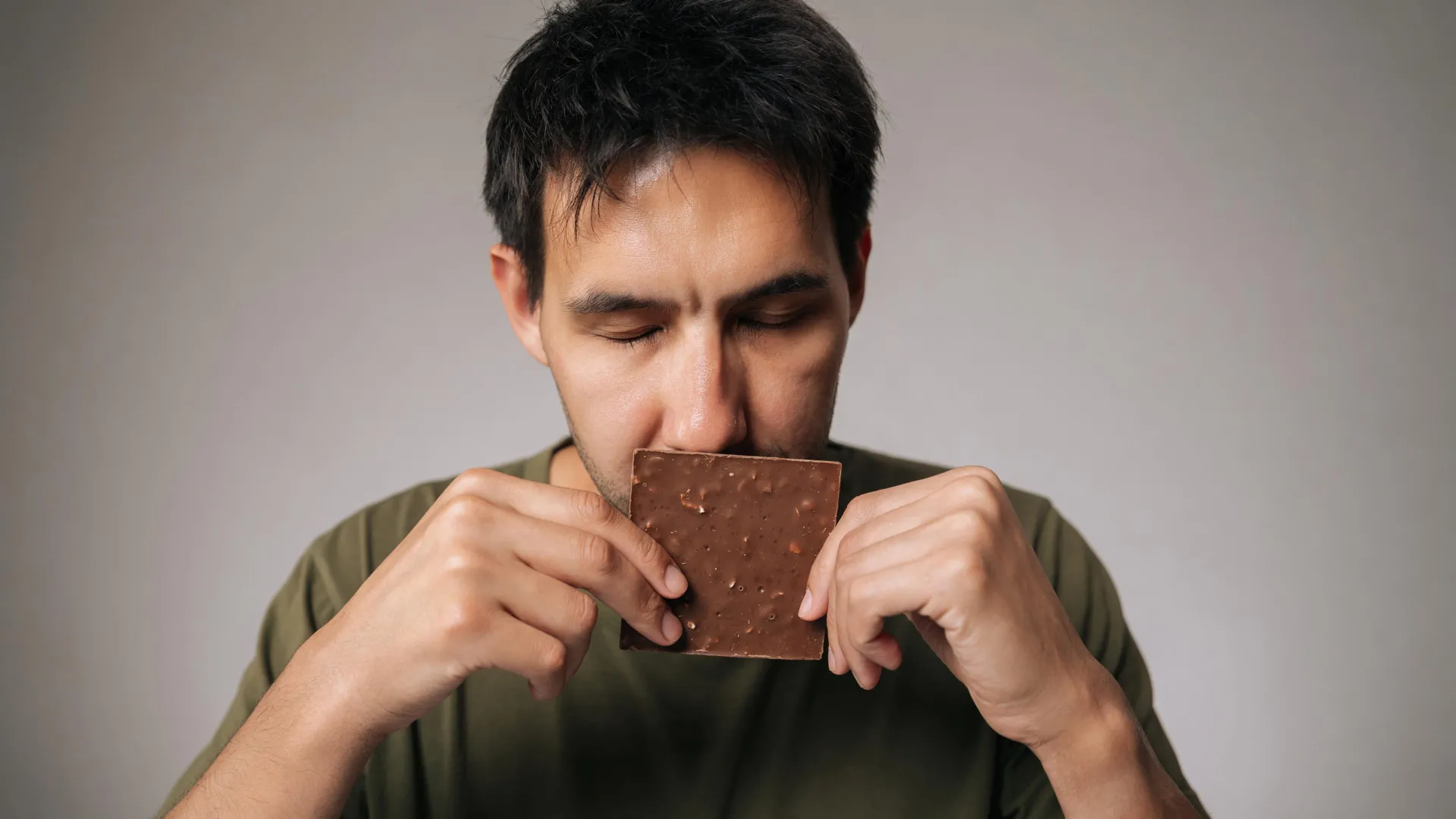
The results were striking. Participants exposed to the scent of 90% dark chocolate before and during their sets performed significantly more repetitions of leg extensions compared to those in a control group who were exposed to odorless water. On average, the dark chocolate group added approximately 18 extra repetitions to their performance. Interestingly, the scent of 60% milk chocolate also proved effective, adding about nine extra repetitions.
Perhaps the most significant finding was the subjective experience of the athletes. Despite the increased volume of work, the participants reported that their perceived exertion remained unchanged. In the world of sports science, this is a "holy grail" outcome: increasing training volume without pushing the body into a state of higher perceived distress, thereby delaying the point at which an athlete feels the need to quit.
Chronology: A Controlled Investigation
To reach these conclusions, the research team recruited 23 healthy, moderately trained men in their early to mid-20s. The methodology was designed to isolate the variables of smell and appetite in a controlled, fasting environment.
1. Preparation and Fasting
All participants were required to fast for at least 10 hours prior to the experiment to ensure that hunger levels were elevated and consistent. Before beginning the physical exercise, each subject provided baseline ratings regarding their hunger, satiety, and intention to eat.
2. Experimental Grouping
The researchers divided the participants into three distinct cohorts. Each group was exposed to one of three olfactory stimuli:
- The Dark Chocolate Group: Exposed to liquefied dark chocolate (90% cocoa).
- The Milk Chocolate Group: Exposed to liquefied milk chocolate (60% cocoa).
- The Control Group: Exposed to odorless water.
3. The Exercise Protocol
The participants performed leg extensions—a classic movement designed to isolate the quadriceps. Researchers measured the performance both before and during the training session. Crucially, the scent exposure was not a one-time event; participants were exposed to their respective samples before sets and between them, with researchers measuring appetite markers after each 30-second exposure.
Supporting Data: Why Dark and Milk Chocolate Differ
The data revealed a nuanced divergence in how different chocolate profiles interact with the human brain. While both scents improved performance, they did so through different physiological and psychological mechanisms.
The Dark Chocolate Effect (The Satiety Cue)
The 90% dark chocolate aroma was consistently associated with a physiological "dampening" of hunger. Participants in this group reported lower hunger levels, less desire to eat, and a greater sense of fullness before even beginning the exercise. The researchers hypothesize that because dark chocolate is often associated with a rich, bitter, and highly satiating experience, the brain uses this scent as a "learned cue." It effectively tricks the body into an anticipatory state of satiety, which may reduce the brain’s "emergency" signals that typically trigger the sensation of fatigue during a fast.
The Milk Chocolate Effect (The Reward Cue)
Milk chocolate, conversely, functioned differently. Participants rated the scent of milk chocolate as more pleasant than the dark chocolate or the water. However, it did not significantly alter their hunger signals. Instead, the researchers believe the milk chocolate acted as a "hedonic reward cue." By creating a more pleasant sensory environment, the brain felt more "rewarded" during the task, allowing the participants to push through more repetitions. It wasn’t about feeling "full"; it was about feeling "happy" or stimulated enough to continue the effort.
Official Perspectives: Decoding the Psychobiology
Dr. Nashrudin bin Naharudin emphasizes that the findings represent a rare look at the three-way interaction between olfaction, appetite, and physical capacity.
"Seeing a substantial increase in repetitions without the athletes feeling like they were exerting themselves any harder is a fascinating psychobiological outcome," Dr. Nashrudin noted. He explains that humans spend a lifetime forming associations between specific smells and the metabolic state that follows consumption.
"The dark chocolate scent serves as a learned cue for a rich, bitter, and highly satiating food, which essentially tricks the system into an anticipatory state of fullness," he added. By "hacking" these anticipatory signals, the researchers believe they have found a way to bypass the body’s natural tendency to throttle physical output when it senses a lack of fuel.
Implications for Athletes and Future Research
The implications of this study are broad, touching on everything from sports psychology to nutrition science. For the average gym-goer or professional athlete, this suggests that the "mind-muscle connection" might extend to the olfactory bulb.
Can We Apply This to Other Foods?
A logical question follows: Is chocolate special, or could any food scent provide a boost? The research team suspects that chocolate is not unique, but rather an ideal candidate because of its near-universal positive association.
"A person likely needs to find the odor familiar and appealing—or at least not repulsive—to trigger the psychological shift in appetite that’s needed to see a performance boost," Dr. Nashrudin explained. This suggests that the "perfect" scent for a workout might be highly individualized. A person who grew up with the scent of savory, salty snacks might find those aromas more motivating than the sweet scent of chocolate.
Limitations and the Need for Caution
While the results are compelling, the scientific team is quick to temper expectations. The study is limited by several factors:
- Sample Size and Demographics: The study involved only 23 young, healthy men. It remains unclear if these effects would be replicated in women, older populations, or elite athletes with different neural adaptations.
- Biological Transparency: The researchers did not measure blood hormone levels (such as ghrelin or leptin) or use fMRI imaging to track neural activity. Therefore, the "biological explanation" for these performance gains remains theoretical.
- Sensory Controls: The team acknowledged that the intensity of the scents could not be perfectly standardized, and the control group (water) was easily distinguishable from the chocolate samples, which could introduce a psychological placebo effect.
Conclusion: A New Frontier in Training?
The discovery that an aroma can act as a silent coach, coaxing more work out of our muscles, is a testament to the complexity of the human brain. While we are still far from recommending "aroma therapy" as a standard replacement for proper nutrition and training programming, the study offers a tantalizing look at how we might one day leverage our senses to maximize our potential.
For now, the science suggests that if you find yourself struggling to finish that final set of squats, the solution might not be found in an expensive pre-workout supplement, but in a familiar, comforting scent. Whether it is the bitter, satiating aroma of dark chocolate or the sweet, rewarding scent of milk, your brain may be the key to unlocking the next level of your physical performance. Future research will undoubtedly seek to identify which specific aromas offer the most consistent benefits, and perhaps one day, the gym bag of the future might include more than just straps and shakers—it might include a small vial of scent to help you power through your toughest days.