In the high-stakes world of automotive performance, few manufacturers command as much respect for their heritage as Toyota. While the brand has spent the last decade carefully curating its Gazoo Racing (GR) division, enthusiasts have long clamored for a return to the lightweight, mid-engined purity of the 1990s. Now, a tantalizing glimpse from Japan suggests that Toyota is not just listening—they are building.
Recent footage captured at the legendary Fuji Speedway and circulated on X (formerly Twitter) by user @You_SuiKoyoAZ has sent shockwaves through the enthusiast community. The video, though brief, showcases a camouflaged prototype that appears to be a spiritual successor to the legendary Toyota Celica or the iconic MR2. As the automotive industry pivots toward electrification, this combustion-powered, all-wheel-drive silhouette represents a defiant final act for the internal combustion engine.
Main Facts: A New Breed of Performance
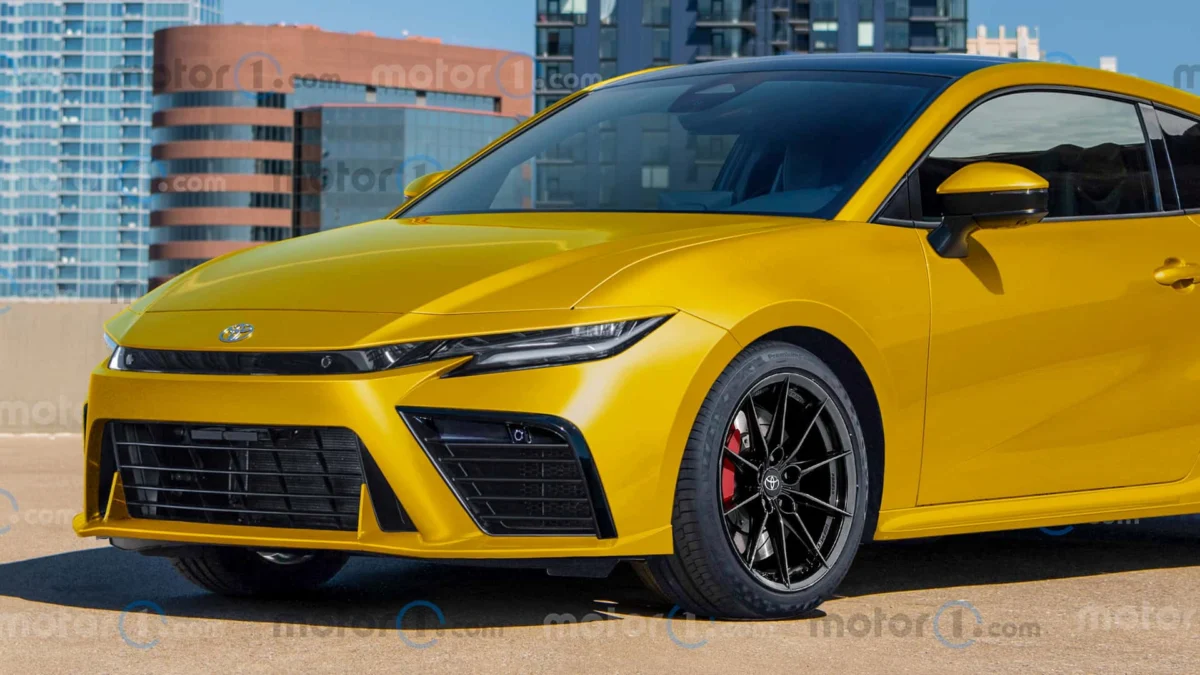
The prototype observed at Fuji Speedway is distinctly different from the rally-spec "mule" spotted testing in rugged terrain earlier this year. Where the previous sightings suggested a makeshift body, the current vehicle features production-ready design language. The car is a two-door coupe characterized by slim, aggressive downturned headlights, a prominent hood vent for cooling, and a rear lighting signature that aligns perfectly with Toyota’s contemporary design evolution.
Perhaps the most significant takeaway from the footage is the auditory profile. The distinct "burbly" exhaust note, paired with the rapid, mechanical shift pattern observed in the video, strongly indicates the presence of a manual transmission. This is a deliberate choice by Toyota’s engineers; in an era where dual-clutch and automatic gearboxes dominate performance segments, a manual option would solidify this car’s status as a driver-focused machine.
While Toyota has maintained a strict "no comment" policy regarding the project, industry insiders suggest the vehicle is powered by a high-output, turbocharged 2.0-liter four-cylinder engine. This powerplant is expected to be a cornerstone of the Gazoo Racing lineup, potentially pushing the car into the 400-horsepower bracket for standard models, with rumors of a high-performance variant—likely utilizing a larger turbocharger and mild-hybrid assistance—reaching upwards of 600 hp.
Chronology: From Concept to Reality
The journey toward this mystery vehicle has been a long one, marked by years of speculation and internal rumblings at Toyota’s Higashi-Fuji Technical Center.
- 2021-2022: The foundation of the rumor mill began when Toyota CEO Koji Sato, an avid proponent of the GR brand, hinted that the company was looking to expand its sports car portfolio beyond the GR86 and the Supra.
- Late 2023: Reports began to surface that Toyota was developing a new 2.0-liter engine platform intended to replace the aging engines found in the current GR Yaris and Corolla.
- Early 2025: A rugged, heavily disguised prototype was spotted on WRC-style rally stages. Initial speculation suggested it was a testbed for the next generation of Toyota’s all-wheel-drive system.
- Present Day: The Fuji Speedway footage confirms that the project has moved from developmental testing to high-speed track validation. The refinement of the bodywork suggests the program is now in the final phases of aerodynamic and mechanical calibration.
Supporting Data: The Gazoo Racing Strategy
The significance of this vehicle extends beyond mere horsepower figures. Toyota is currently in the process of spinning off Gazoo Racing into a more autonomous performance entity. By creating a standalone brand—similar to how Hyundai has positioned its "N" division or how Porsche operates independently of the Volkswagen Group—Toyota intends to focus on high-margin, high-performance vehicles that enhance brand prestige.
Technically, the rumored platform is expected to leverage a modular architecture that accommodates both internal combustion and hybrid systems. The decision to pursue an all-wheel-drive (AWD) configuration is a direct nod to Toyota’s WRC success. By applying the "GR-Four" system to a mid-engined layout, Toyota is creating a car that could arguably out-handle almost anything in its price bracket.
Performance Projections
| Feature | Estimated Spec |
|---|---|
| Engine | Turbocharged 2.0L Inline-4 |
| Drivetrain | GR-Four AWD |
| Transmission | 6-Speed Manual / Optional DCT |
| Horsepower | 400 hp (Base) / 600 hp (High-Output) |
| Chassis | Mid-Engine, Rear-Bias |
The integration of electrification is also a critical component of this project. Toyota has made no secret of its "multi-pathway" approach to carbon neutrality, which includes hydrogen combustion and high-performance hybrid systems. The rumored 600-hp variant is widely expected to utilize an electric motor on the front axle, providing a torque-fill effect that will allow for instantaneous acceleration and superior traction during corner exits.
Official Responses and Corporate Stance
Toyota’s official communication channels have been masterfully quiet. When approached for comment regarding the Fuji Speedway footage, a Toyota spokesperson reiterated the company’s commitment to "making ever-better cars" under the Gazoo Racing umbrella.
However, the corporate silence is telling. In the past, when rumors of non-existent vehicles circulated, Toyota has been quick to issue denials. The absence of a denial, combined with the fact that the company has actively been registering new trademarks related to the "Celica" and "MR2" names, leads many analysts to believe that a reveal is imminent. Furthermore, Akio Toyoda, the company’s Chairman, has been vocal about his desire to see the return of the "Three Brothers" of Toyota sports cars (Celica, MR2, and Supra). With the Supra already present, the arrival of this mid-engined machine would complete the holy trinity.
Implications: The Future of the Sports Car
If this vehicle reaches production, its implications for the automotive market will be profound. At a time when many manufacturers are abandoning the sports car segment in favor of electrified SUVs and crossovers, Toyota’s persistence is a testament to the brand’s commitment to the "fun-to-drive" philosophy.
1. Market Positioning
By targeting the 400-to-600 horsepower range, Toyota is effectively bridging the gap between the Porsche 718 Cayman and the more exotic, high-end supercars. It fills a void that has existed since the mid-2000s, providing a raw, visceral driving experience that is increasingly rare.
2. The WRC Connection
If the prototype spotted on rally stages is indeed the same platform as the one on the track, it suggests that Toyota is planning a dual-pronged strategy: a road-going sports car and a WRC homologation special. This would allow Toyota to dominate the rally circuit while simultaneously offering customers a vehicle that carries the DNA of a champion.
3. Sustainability and Heritage
Perhaps the most interesting aspect of this vehicle is its reliance on the internal combustion engine. Toyota is betting that there is still a massive, loyal market for enthusiast cars that prioritize engagement over autonomous features. By potentially using synthetic fuels or advanced hybrid powertrains, Toyota is positioning itself as the leader in "sustainable performance," proving that the engine note and the manual gearbox do not have to be relics of the past.
Conclusion: A Date with Destiny
As we look toward 2027—the rumored target date for the production debut—the automotive world finds itself in a state of anticipatory tension. The Fuji Speedway footage is more than just a leak; it is a promise. It is a promise that Toyota, the world’s largest automaker, still believes in the soul of the automobile.
Whether it revives the Celica badge or adopts the legendary MR2 moniker, the machine captured on video represents the pinnacle of Toyota’s current engineering capabilities. It is a car built by enthusiasts, for enthusiasts, designed to challenge the status quo and remind the world why we fell in love with driving in the first place. For now, we wait, but if the exhaust note in that clip is any indication, the wait will be well worth it.