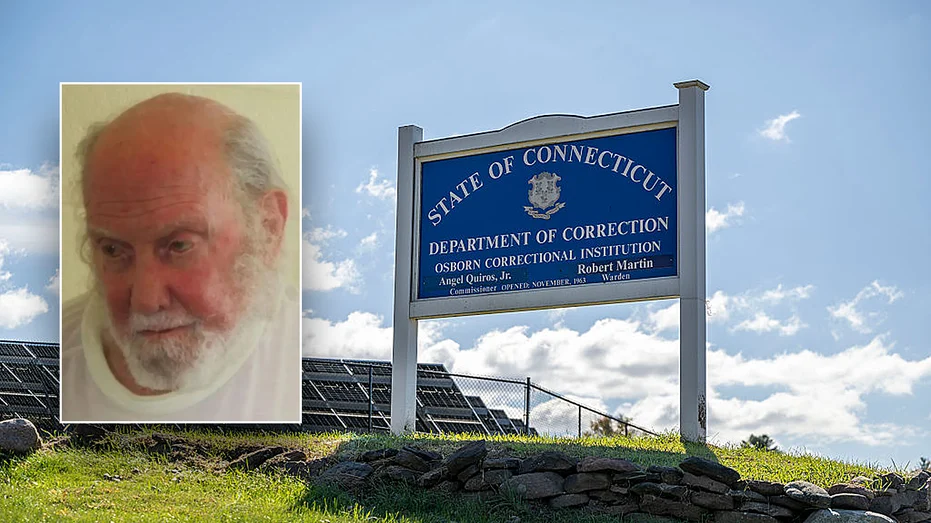
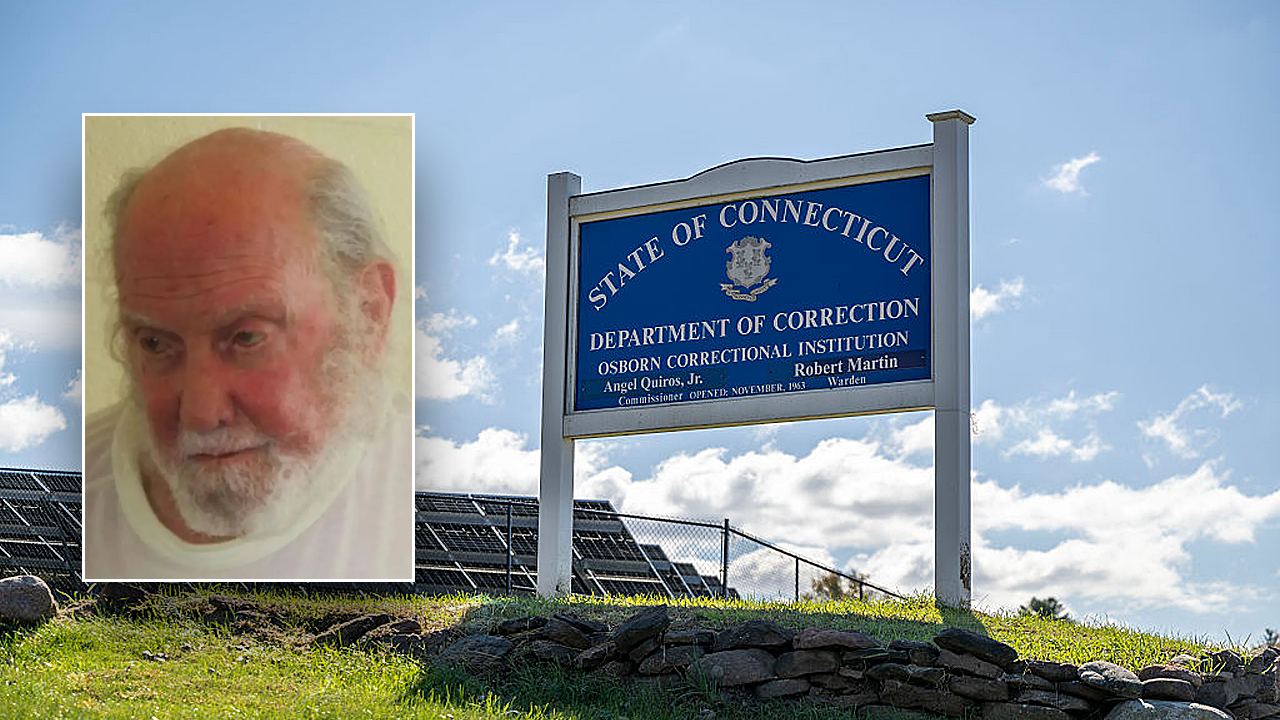
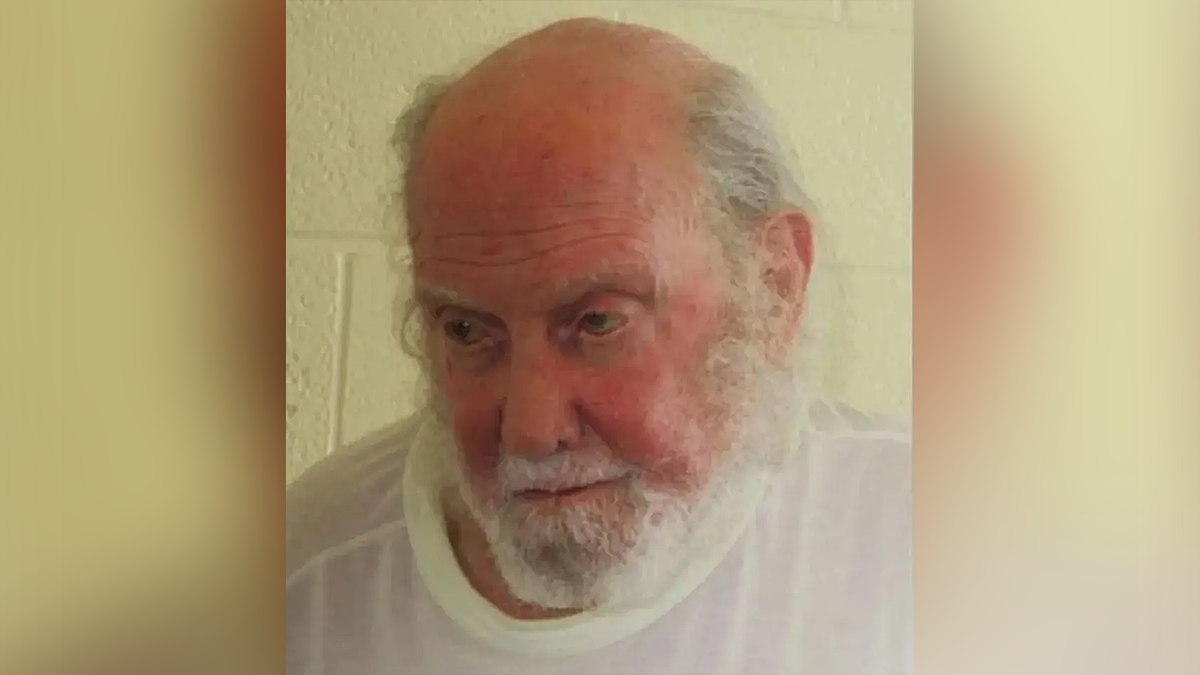
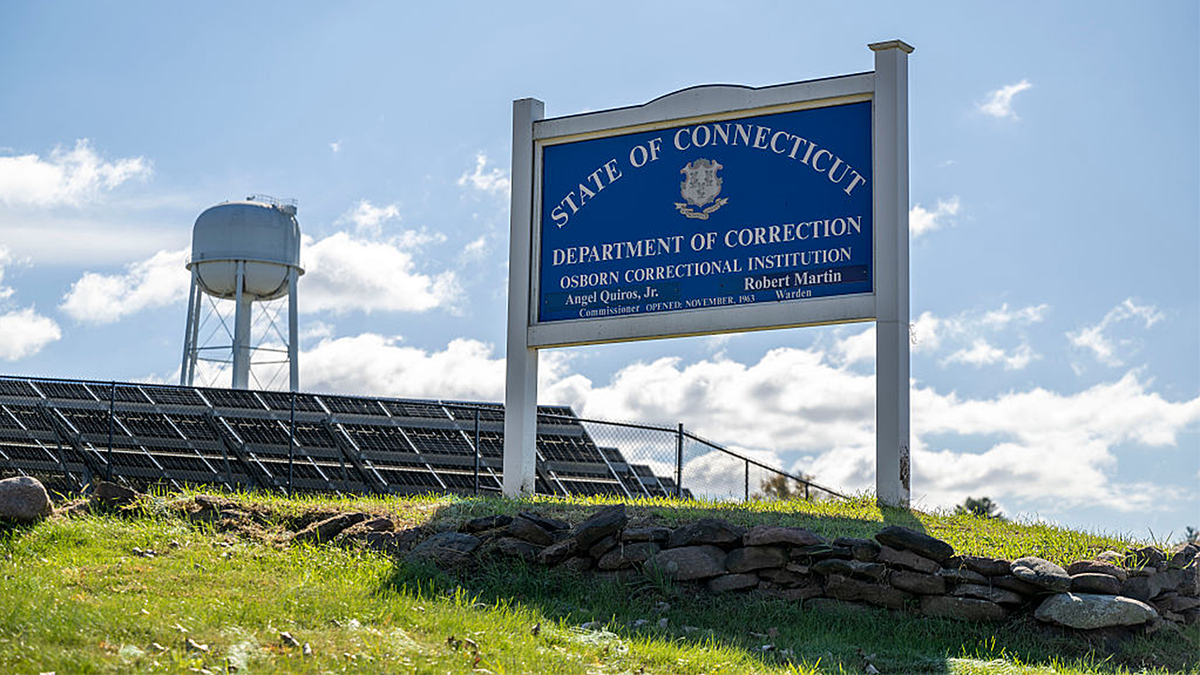
Francis Clifford Smith, a man believed to have been the longest-serving prisoner in United States history, has died at the age of 101. Over a confinement spanning more than seven and a half decades, Smith survived eight scheduled execution dates and maintained his innocence until his final days. His passing marks the end of one of the most protracted, legally complex, and controversial cases in the history of the American justice system.
Smith died in his sleep in late June at 60 West, a highly secured nursing facility in Rocky Hill, Connecticut, designed specifically to care for elderly individuals under the jurisdiction of the justice system. Just months away from his 102nd birthday, Smith’s long journey through the correctional system concluded quietly. According to facility administrators, he was cremated without a formal funeral service, reflecting the isolated life of a man who spent nearly his entire adulthood behind bars.
Main Facts of the Case and Smith’s Passing
The legacy of Francis Clifford Smith is defined by an extraordinary duration of incarceration. Having entered the penal system in his mid-20s, Smith remained under state supervision for approximately 76 years.
+-------------------------------------------------------------------------+
|                      FRANCIS CLIFFORD SMITH (1922–2024)                 |
+-------------------------------------------------------------------------+
|  • Age at Death: 101 (Months away from 102)                             |
|  • Total Time in Custody: ~76 Years                                     |
|  • Original Sentence: Death by Execution (Commuted to Life in 1954)      |
|  • Execution Dates Scheduled & Postponed: 8                             |
|  • Final Facility: 60 West Secured Care (Rocky Hill, CT)                |
+-------------------------------------------------------------------------+
The Final Days at 60 West
In 2020, following decades of legal battles and declining health, Smith was released on supervised parole to 60 West. The facility is unique in its mission, providing specialized geriatric and palliative care to individuals who have spent significant portions of their lives incarcerated or who present complex placement challenges due to their criminal histories.
According to David Skoczulek, a spokesman for 60 West, Smith’s death was peaceful and attributed to natural causes. "Essentially, he died of old age," Skoczulek stated. "He had very limited family involvement around his passing, but we assured it was appropriate, met his wishes and was dignified."
State officials confirmed that toward the end of his life, Smith struggled with cognitive decline and physical issues associated with advanced age. Despite his deteriorating condition, those who interacted with him in his final years noted that his insistence on his innocence never wavered.
To understand the sheer scale of Smith’s confinement, one must look at the historical timeline, which began in the immediate post-World War II era and stretched into the digital age.
1949 ───────────────────► July 23: Grover Hart murdered; Smith (25) arrested.
1950–1954 ──────────────► Smith sentenced to death; survives 8 scheduled execution dates.
1954 ───────────────────► Death sentence commuted to life imprisonment.
1967 ───────────────────► Smith escapes custody; remains at large for 12 days.
1975 ───────────────────► Granted parole; re-arrested 10 months later; returned to prison.
2020 ───────────────────► Transferred to 60 West nursing facility under supervised parole.
2024 ───────────────────► Late June: Smith dies in his sleep at age 101.
The Crime and Arrest (1949)
The case began on the night of July 23, 1949, in Greenwich, Connecticut. Grover Hart, a 68-year-old night watchman at a local yacht club, was shot and killed during an attempted robbery. The crime shocked the affluent coastal community, putting immense pressure on local law enforcement to find the perpetrators.
Francis Clifford Smith, then 25 years old, was arrested alongside another man, George Lowden. The prosecution’s case rested heavily on Lowden’s initial statements to police, in which he implicated Smith as the shooter in exchange for a plea deal.
The Death Penalty and Commutation (1950–1954)
Following a rapid trial, Smith was convicted of first-degree murder and sentenced to death. Between his conviction and 1954, Smith was moved to the death house and scheduled to be executed eight separate times. Each time, legal maneuvers, last-minute stays, and administrative interventions spared his life.
The psychological toll of preparing for execution eight times is difficult to overstate. In 1954, recognizing the growing doubts surrounding the consistency of the evidence, the Connecticut Board of Pardons commuted Smith’s death sentence to life imprisonment.
Escape and Brief Freedom (1967)
Smith’s confinement was not entirely uninterrupted. In 1967, after serving nearly two decades, Smith managed to escape from a minimum-security detail. His taste of freedom was short-lived; he spent 12 days on the run before law enforcement recaptured him without incident. He was subsequently returned to maximum-security confinement.
The 1975 Parole and Return to Custody
In 1975, the parole board granted Smith his freedom. He lived in the community for approximately 10 months. However, his transition was cut short when he was arrested on charges of larceny and weapons possession.
Although Smith was never convicted of these new charges, the arrest constituted a technical violation of his parole conditions. Consequently, his parole was revoked, and he was returned to prison to continue serving his life sentence.
In the decades that followed, state records suggest Smith either declined or failed to participate in subsequent parole hearings. When questioned about this in his later years, Smith disputed the state’s characterization, claiming he had no memory of refusing parole opportunities.
Evidentiary Discrepancies and the Battle over Smith’s Conviction
Throughout his 76 years of custody, Smith’s defense team and various advocates pointed to critical weaknesses in the state’s original case. Over time, several pillars of the prosecution’s argument crumbled, though never enough to secure a new trial.
1. The Coerced Confession of George Lowden
The primary piece of evidence linking Smith to the murder of Grover Hart was the statement of his co-defendant, George Lowden. However, shortly after securing his plea deal, Lowden repudiated his statement. He claimed that police officers had physically beaten him to extract the confession and to force him to implicate Smith. Lowden ultimately refused to testify against Smith at trial, raising serious questions about the validity of the state’s narrative.
2. The Interrogator’s Doubts
Perhaps the most startling development came from within the law enforcement apparatus itself. Major Leo Carroll, one of the primary police officers who interrogated Smith after his arrest, eventually expressed deep reservations about the conviction.
Testifying before the Board of Pardons just prior to Smith’s eighth scheduled execution date, Carroll stated:
"I’m not even sure he was present at the murder."
Despite this admission from a lead investigator, the state maintained its opposition to overturning the conviction.
3. Recanted Testimony and Alternative Confessions
Other key elements of the state’s case fell apart in subsequent years:
Witness Recantation: A key female witness, whose testimony originally placed Smith near the scene of the crime, recanted her account, admitting her statement had been influenced by external pressure.
The Alabama Confession: Years after the trial, an inmate serving time in an Alabama prison confessed to the yacht club robbery, claiming that he, not Smith, was responsible for the death of Grover Hart.
However, when these developments were presented to the judiciary, a reviewing judge rejected the Alabama inmate’s confession as "not credible." Because the legal standard for securing a new trial after a conviction is exceptionally high, Smith’s appeals were repeatedly denied, and his conviction remained legally intact.
In a 2023 interview with the Boston Globe, a centenarian Smith summarized his frustration with the legal system:
"I’m in here on no evidence at all."
Official Responses and the Operations of 60 West
The death of Francis Clifford Smith has drawn measured responses from correctional and medical officials, who viewed his case through the dual lenses of administrative duty and geriatric healthcare management.
Andrius Banevicius, the public information officer for the Connecticut Department of Correction, acknowledged the sheer longevity of Smith’s life and confinement:
"He was 101 and a half. He did pretty well as far as longevity is concerned."
Banevicius and other correctional spokespersons emphasized that while the state was responsible for maintaining the security and legality of Smith’s sentence, his transfer to 60 West in 2020 was a humanitarian and practical necessity.
The Role of Specialized Care Facilities
The facility where Smith spent his final four years, 60 West, represents a growing trend in the intersection of criminal justice and healthcare.
+-------------------------------------------------------------------+
|               THE CHALLENGE OF GERIATRIC INCARCERATION            |
+-------------------------------------------------------------------+
|  • High Medical Costs: Elderly inmates cost 2–3x more to house.   |
|  • Specialized Needs: Dementia, mobility limits, palliative care. |
|  | Solution: Secured, community-based nursing facilities like     |
|  | 60 West to balance public safety with dignified end-of-life    |
|  | care.                                                          |
+-------------------------------------------------------------------+
Standard nursing homes are often unwilling or legally unable to accept patients with violent felony records. Secured facilities like 60 West resolve this issue by providing high-level nursing care within a secured perimeter, ensuring that public safety is maintained while providing appropriate medical attention to frail, elderly individuals.
Systemic Implications: The Graying Prison Population and the Unyielding Nature of Justice
The life and death of Francis Clifford Smith serve as a stark case study for several broader issues currently facing the American legal and correctional systems.
The Phenomenon of the "Graying" Prison Population
Smith’s case is an extreme example of a nationwide trend. Due to the implementation of harsh sentencing guidelines, "three-strikes" laws, and the frequent use of life-without-parole sentences during the late 20th century, the average age of the American prison population has risen dramatically.
According to criminological data, housing elderly inmates presents significant challenges:
Financial Burden: The cost of incarcerating an elderly individual is estimated to be two to three times higher than that of a younger inmate, primarily due to specialized healthcare needs, prescription medications, and physical therapy.
Low Recidivism Risk: Statistical analyses consistently show that individuals over the age of 50 have extremely low rates of reoffending, raising questions about the fiscal and ethical utility of keeping centenarians behind bars.
The Finality of the Law vs. The Search for Truth
Smith’s decades-long struggle highlights the institutional rigidity of the appellate process. Even when key witnesses recanted, co-defendants alleged coercion, and the interrogating officer expressed doubt, the judicial system prioritized the finality of the original jury verdict over the introduction of new, conflicting evidence.
For advocates of criminal justice reform, Francis Clifford Smith’s 76-year confinement represents the potential cost of an unyielding system—one where the path to proving innocence after conviction is so narrow that it can consume an entire lifetime. For others, the adherence to his original conviction represents the rule of law carrying out a sentence handed down by a jury of his peers for a brutal crime that cost an innocent man his life.
Ultimately, Smith’s passing closes a unique chapter in American legal history, leaving behind a legacy of unanswered questions, systemic debates, and an unmatched record of survival within the American penal system.