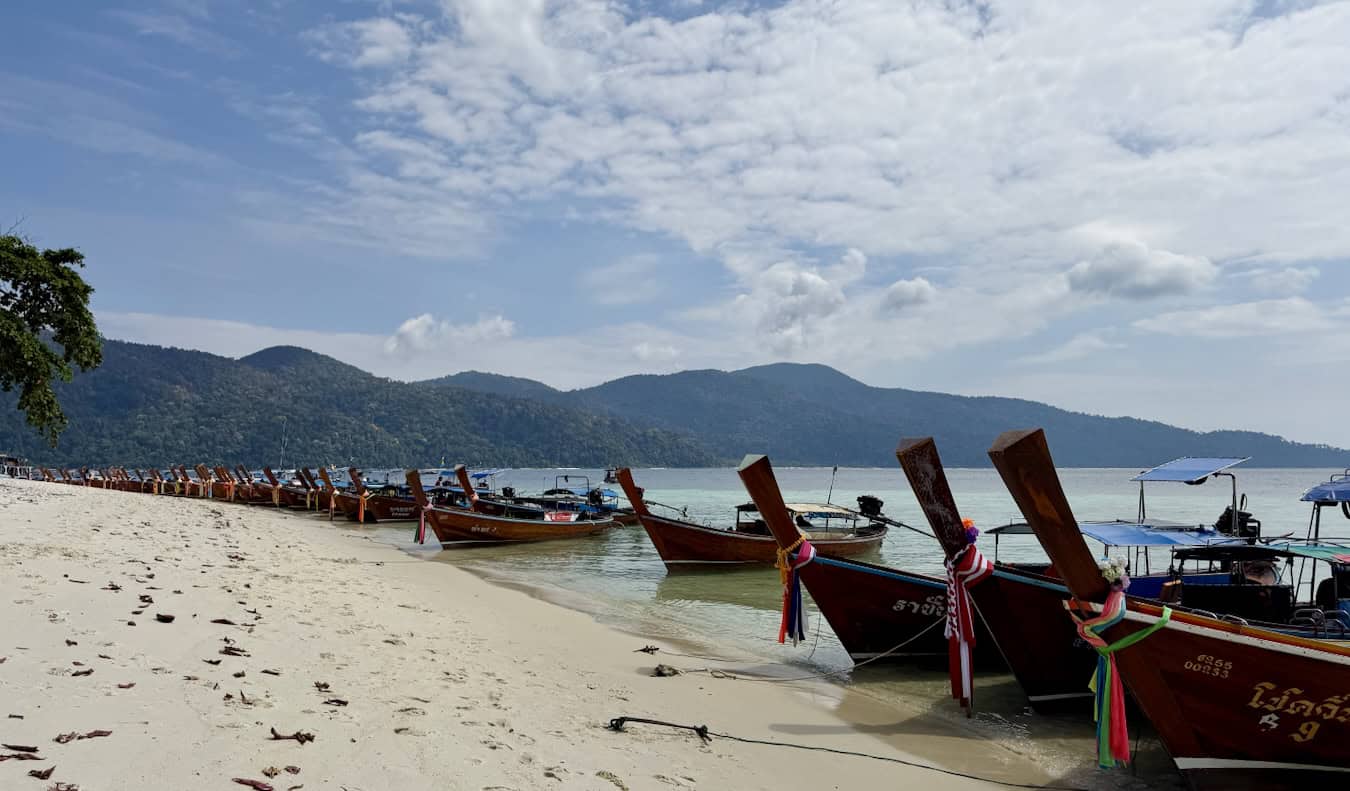
Nineteen years ago, the Thai island of Ko Lipe was a whisper among backpackers—a remote sanctuary where electricity was a luxury provided only for a few hours each evening. A month spent on its sands in 2006 felt like a lifetime in a secret garden; bungalows cost a mere $2, the island boasted only five restaurants, and the "last boat" of the season was a literal deadline for anyone hoping to leave.
Today, that silence has been replaced by the roar of construction machinery and the relentless churn of tourism. Returning to the island for the first time in nearly two decades, the experience was not a trip down memory lane, but a sobering encounter with the irreversible costs of unchecked development.
The Chronology of a Transformation
In the mid-2000s, Ko Lipe represented the quintessential "backpacker dream." It was defined by its simplicity: reading on the beach, snorkeling in pristine waters, and socializing at the island’s solitary beach bar. It was a place where time didn’t just slow down; it ceased to exist, often turning a three-day visit into a three-week residency.
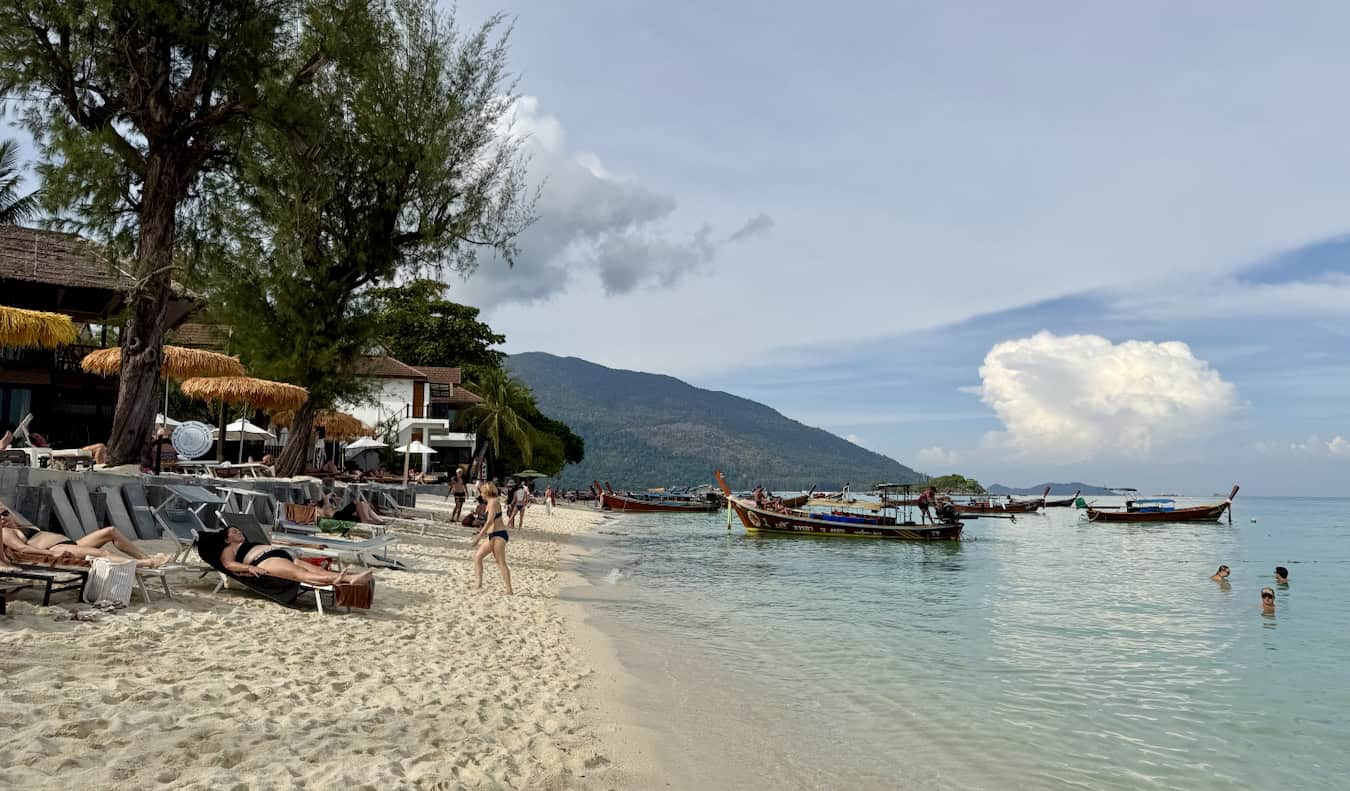
The shift, however, was not sudden but systemic. As Southeast Asia’s tourism infrastructure matured, Ko Lipe was thrust into the spotlight. By the mid-2010s, the island began to experience a rapid, aggressive urbanization. Dirt paths, once carved by foot traffic and bicycles, were paved over to accommodate supply trucks and construction vehicles. What were once quiet stretches of sand became prime real estate for concrete-heavy, high-end resorts.
By 2026, the transformation is complete. The island has adopted the "Ko Phi Phi model"—a template of high-density tourism that prioritizes capacity over conservation. The transition from a quiet fishing enclave to a commercialized hub has been swift, leaving the island’s fragile ecosystem struggling to catch up.
Supporting Data: The Environmental Toll
The development of Ko Lipe is not merely an aesthetic concern; it is an environmental crisis. The island, which lacks a natural freshwater supply, is now dotted with luxury resorts featuring swimming pools—an irony that highlights the unsustainable nature of current tourism practices.
The ecological data paints a grim picture:
- Marine Degradation: The coral reefs surrounding the island, once among the most vibrant in the Andaman Sea, are in a state of rapid decline. Scientists attribute this to a combination of anchor damage, chemical pollution from boat exhaust, and the sedimentation caused by constant coastal construction.
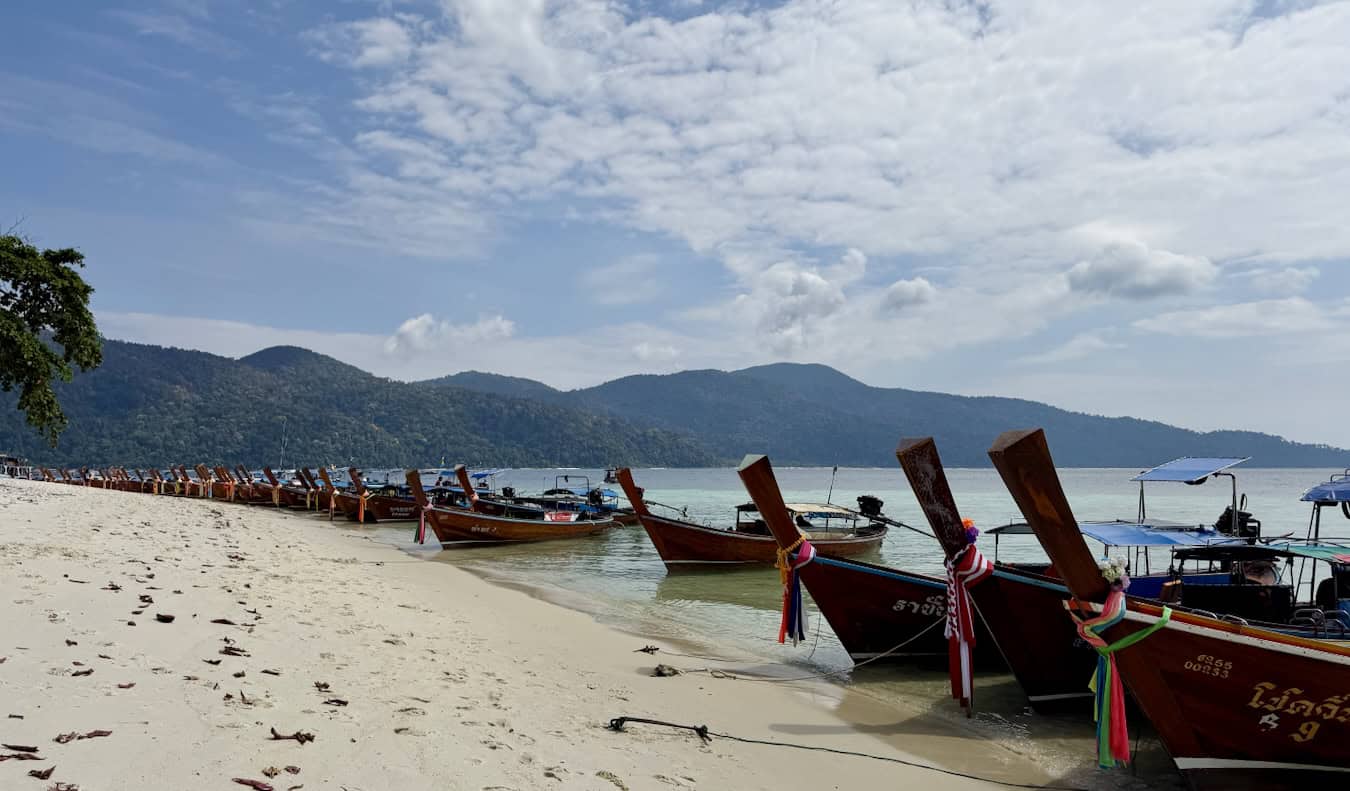
- Pollution Levels: Swimming in the once-crystal-clear waters now often involves navigating a visible film of fuel and waste. The sheer volume of boat traffic—longtail boats and ferries churning through the shallow bays—has degraded water quality to levels that pose significant risks to marine life.
- Infrastructure Stress: The island’s waste management and sewage systems were never designed for the current influx of visitors. As the permanent population and tourist count skyrocket, the island’s limited resources are stretched to a breaking point, leading to soil and water contamination.
The Socio-Economic Displacement
Beyond the physical destruction lies the human cost. The economic boom of Ko Lipe has not been a rising tide for all. Many of the local families who lived on the island for generations have been displaced, their land sold to wealthy mainland developers who hold the capital required for large-scale construction.
Consequently, much of the workforce on the island is now comprised of migrants from the mainland who are brought in to serve the tourism industry. These workers rarely see the long-term benefits of the island’s success; they are often subject to the precarious nature of seasonal tourism, while the profits generated by high-end resorts are repatriated to corporations rather than staying within the local community. The island has effectively been hollowed out, transformed into a commodity for consumption rather than a home for its inhabitants.
Official Responses and the Illusion of Sustainability
While local authorities often frame new developments under the guise of "eco-friendly" tourism or "sustainable growth," these labels rarely match the reality on the ground. Regulatory enforcement on remote islands is notoriously difficult, and the demand for increased tourism revenue often overrides environmental zoning laws.
In many instances, the official response to the degradation of Thailand’s islands has been reactive—closing specific beaches or limiting boat access after the damage has already reached a critical point. While well-intentioned, these measures function more as band-aids than solutions to the fundamental issue: the over-commercialization of finite island ecosystems. There is currently no unified, enforceable policy that prioritizes long-term ecological health over immediate economic gain.
The Implications: Is It Time to Stay Away?
The implications of this trajectory are clear: if tourism continues on its current path, Ko Lipe will eventually become a victim of its own success. The very "postcard-perfect" qualities that attract visitors are the same ones being systematically destroyed by the infrastructure built to accommodate them.
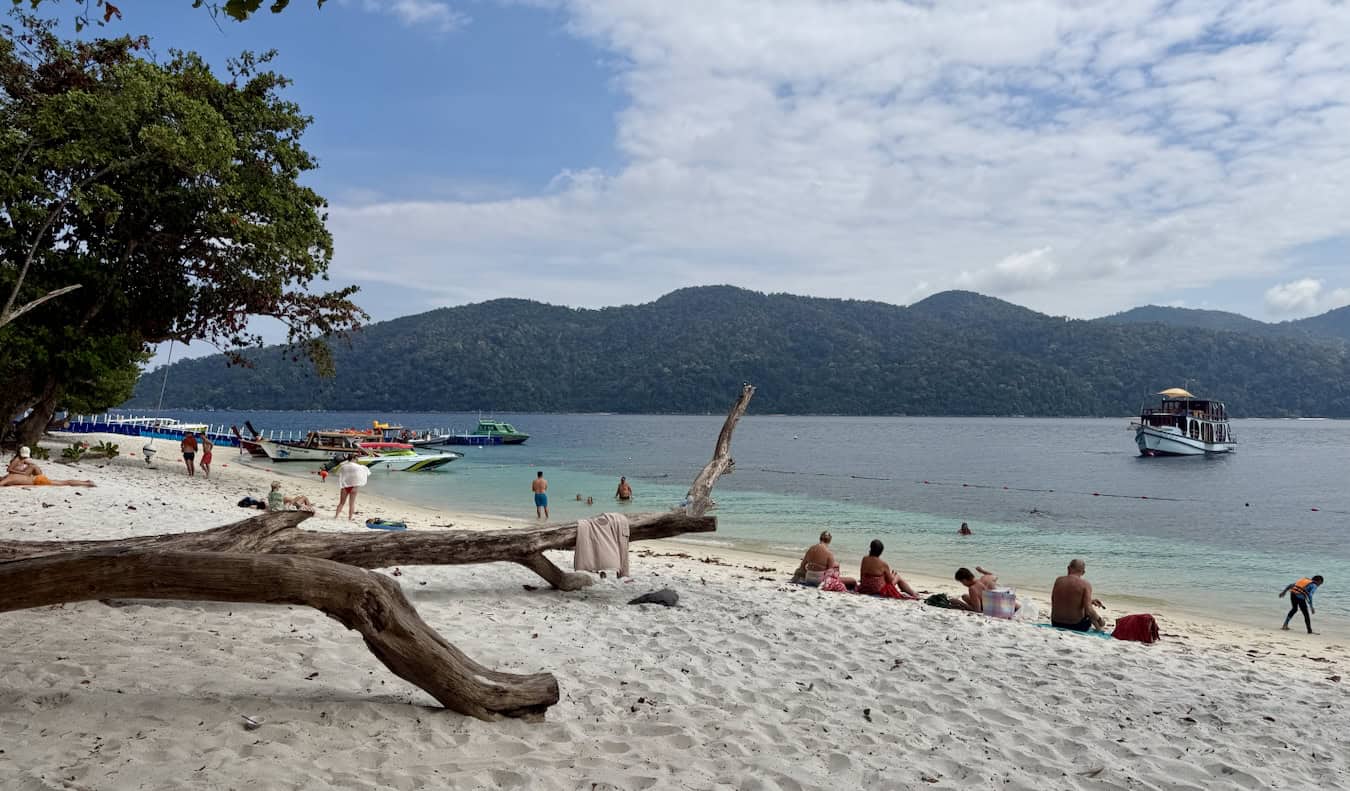
For the modern traveler, this creates a profound ethical dilemma. Can we justify visiting a destination that is being actively degraded by our presence?
The conclusion is becoming increasingly difficult to ignore: some places have simply reached their carrying capacity. By continuing to flock to these overdeveloped sites, tourists incentivize further construction and resource exploitation. Conversely, by choosing to visit better-managed, less-developed alternatives—such as Ko Lanta, Ko Jum, or Ko Mook—travelers can help distribute the economic benefits of tourism while reducing the pressure on the most vulnerable ecosystems.
A Call to Conscious Travel
The history of travel has shown that consumer demand is the most powerful tool for change. The decline of elephant tourism in Thailand and the surge in demand for genuine eco-lodges are testaments to what happens when travelers demand better. If we want to save what remains of Southeast Asia’s natural beauty, we must be willing to say "enough is enough."

Returning to Ko Lipe in 2026 was a painful lesson in the inevitability of change. It is no longer the sanctuary of 2006, and it never will be again. The "ghosts" of the past are not just memories of people; they are memories of an island that existed in harmony with its surroundings.
We cannot turn back the clock, and we cannot demand that locals remain in poverty for the sake of our own romanticized, idealized travel experiences. However, we can choose where we spend our money and time. By choosing to skip overdeveloped destinations, we force the industry to rethink its strategy.
Your choices have an impact. Every ticket purchased and every hotel room booked is a vote for the kind of world we want to inhabit. When it comes to Ko Lipe, the most responsible action a traveler can take today is to look elsewhere. Let the island breathe, let the reefs recover, and let the demand for unsustainable growth wither away. Sometimes, the most meaningful way to love a place is to simply let it be.