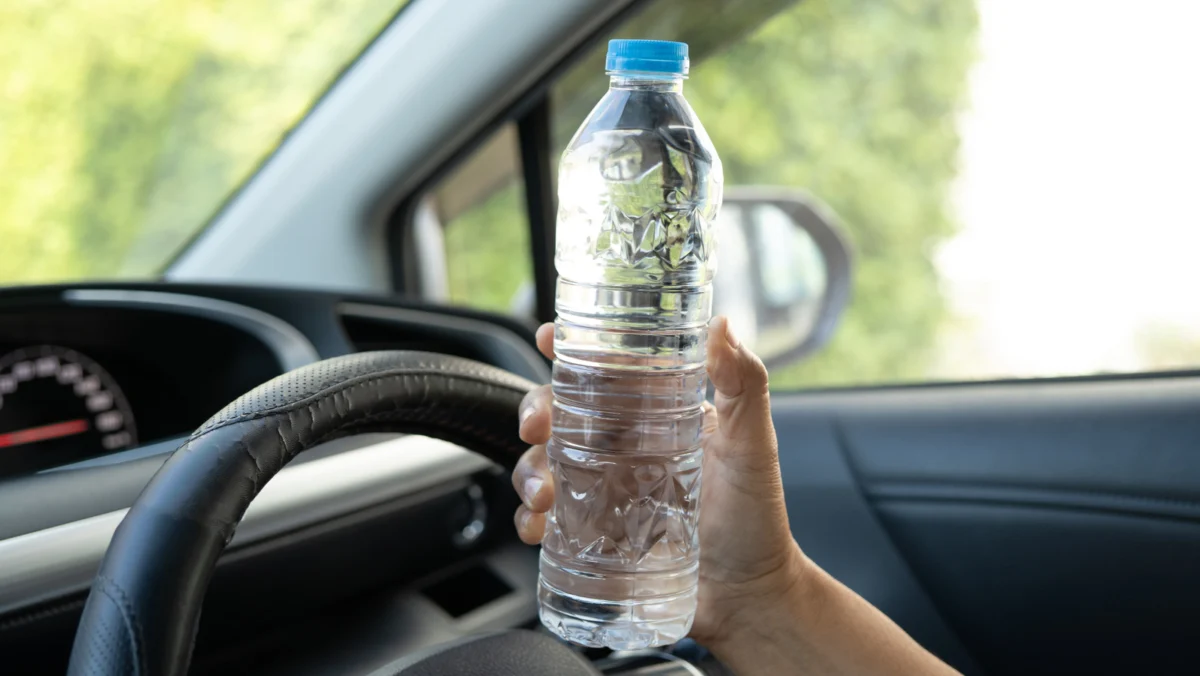
In the modern era, the sight of a plastic water bottle has become as ubiquitous as the smartphone. Despite the rise of sustainability movements and the increasing availability of high-quality filtration systems, the bottled water industry continues to command a staggering share of the consumer market. In 2024, the International Bottled Water Association (IBWA) reported that Americans spent a monumental $49.9 billion on over 16 billion gallons of bottled water. Yet, as we move deeper into 2026, the justification for this massive expenditure is crumbling under the weight of scientific scrutiny, economic reality, and environmental necessity.
The Myth of Superiority: Safety and Regulatory Realities
The primary driver behind the persistent demand for bottled water is a widespread, yet largely unfounded, perception that it is inherently safer than the water flowing from the kitchen tap. This skepticism is not entirely misplaced; surveys consistently indicate that 50% to 60% of Americans harbor concerns regarding their municipal water quality. However, the data suggests that these fears are often misdirected.
The Regulatory Divide
The landscape of water safety is governed by two different federal entities in the United States. Municipal tap water falls under the jurisdiction of the Environmental Protection Agency (EPA), which operates under the Safe Drinking Water Act. The EPA mandates rigorous testing, frequent reporting, and strict standards for contaminants. Conversely, the Food and Drug Administration (FDA) oversees bottled water as a "packaged food product." While the FDA does set safety standards, critics—including researchers from the Natural Resources Defense Council (NRDC)—have long argued that these standards are significantly less stringent than those imposed on public utilities.
Contamination Risks: The Tap vs. The Bottle
It is a misconception to label municipal water as "perfectly safe" everywhere; aging infrastructure and lead pipes in older homes remain a legitimate public health concern. However, replacing tap water with bottled water is rarely a reliable solution. Studies have repeatedly found that bottled water is not immune to the very contaminants consumers hope to avoid. An NRDC investigation revealed that roughly 22% of tested bottled water brands contained chemical contaminants—including arsenic and lead—at levels exceeding local health guidelines. In essence, by purchasing bottled water, consumers are often paying a premium for a product that lacks the transparency and rigorous oversight of the public utility system.
A Chemical Cocktail: The Microplastic Crisis
If safety concerns regarding chemical purity weren’t enough, the physical composition of bottled water has become a central focus of 2026 environmental health studies. The proliferation of microplastics and nanoplastics in bottled products has shifted from a niche concern to a mainstream health emergency.
The Scale of Ingestion
Recent findings published in the Journal of Hazardous Materials (2025) confirm that microplastic concentration in bottled water varies wildly but can reach upwards of 6,600 particles per liter. Even more concerning is the presence of "nanoplastics"—particles so small they can penetrate human cells. The National Institutes of Health (NIH) has identified that a single liter of bottled water can contain as many as 240,000 such particles.
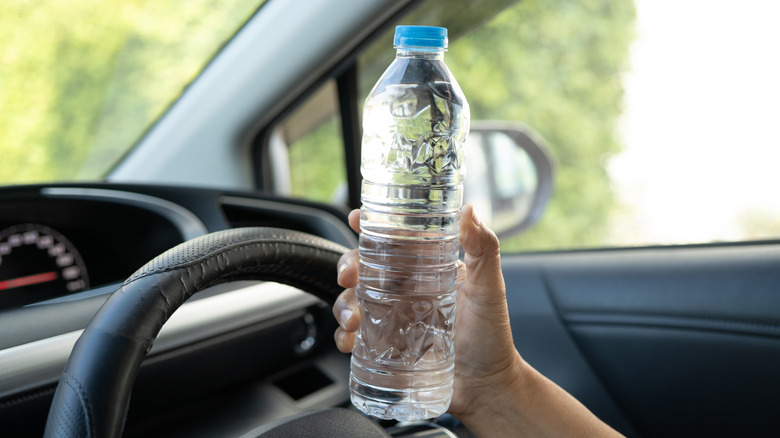
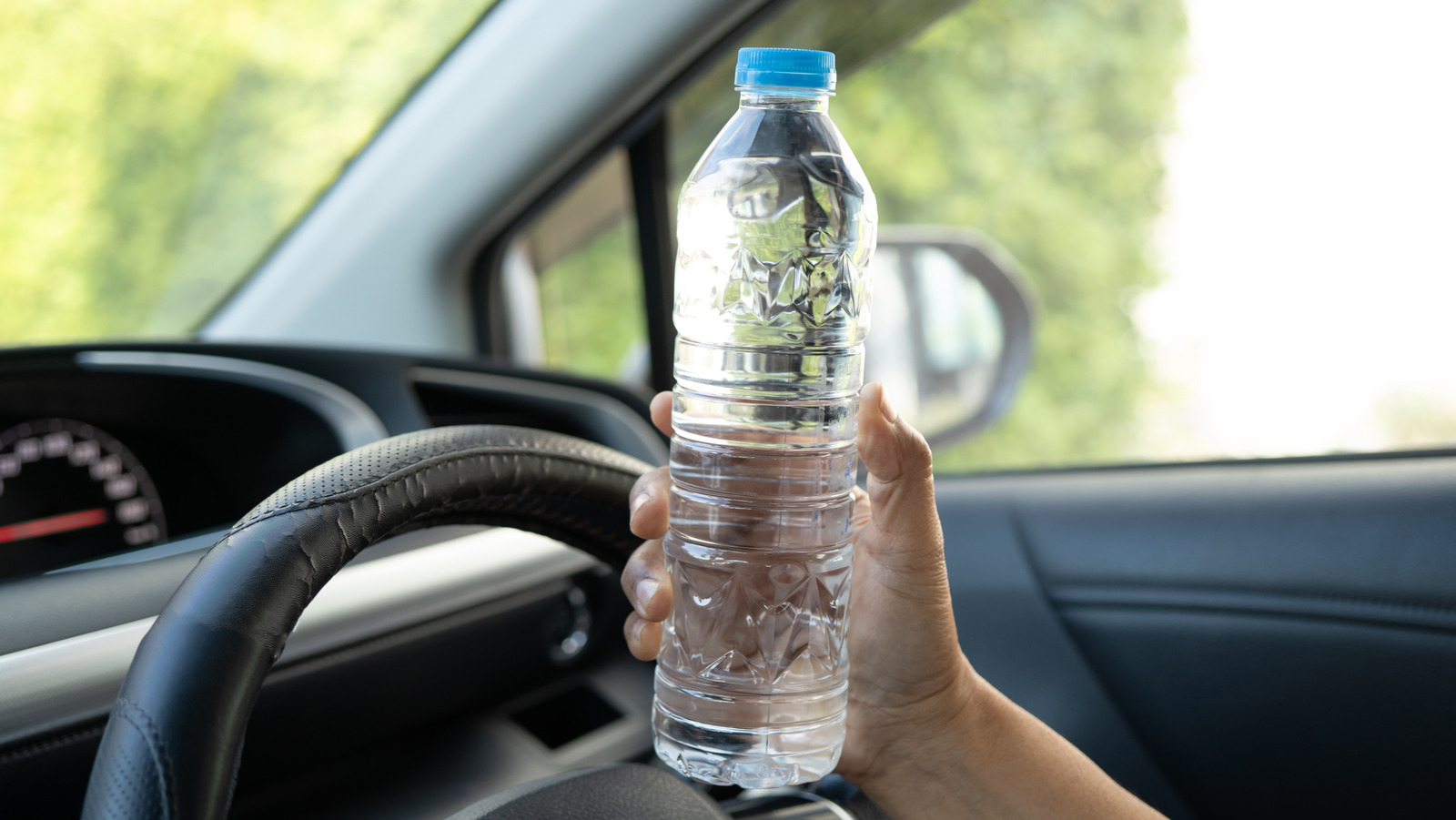
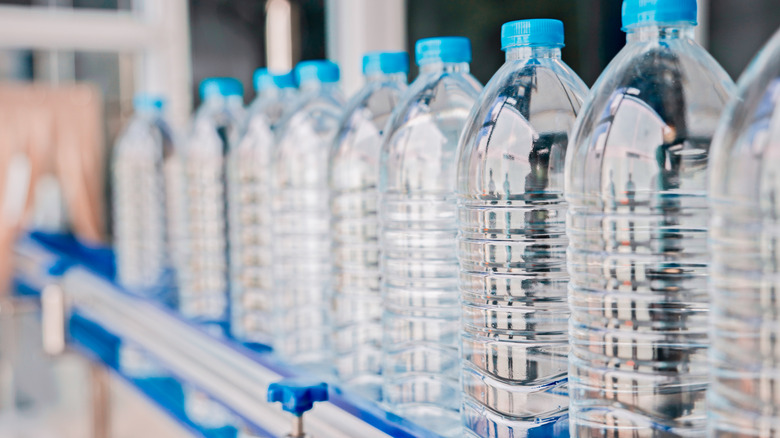
The mechanical process of bottling—the filling, capping, and friction of plastic components—is a major contributor to this contamination. Furthermore, when plastic bottles are exposed to heat during transport or storage, the structural integrity of the plastic degrades, accelerating the leaching of these polymers into the liquid. While longitudinal studies on the human health impacts of chronic microplastic ingestion are ongoing, early indicators suggest links to endocrine disruption, inflammatory responses, and potential damage to reproductive and digestive systems.
The Environmental Toll: An Ecological Debt
Beyond the immediate health risks to the consumer, the bottled water industry represents an ecological catastrophe. The "convenience" of a single-use bottle carries an environmental price tag that current generations are paying in the form of climate change and habitat degradation.
Resource Intensity and Carbon Footprint
The production of plastic water bottles is a fossil fuel-intensive endeavor. Industry estimates suggest that approximately 47 million gallons of oil are consumed annually to manufacture these bottles—an amount of energy equivalent to powering 1.3 million passenger vehicles. This, coupled with the transportation costs associated with moving heavy water from remote springs (some as far as 6,000 miles away, as seen with certain premium imports) to local retail shelves, results in a carbon footprint that is, according to the Barcelona Institute for Global Health, 1,400 times greater than that of municipal tap water.
The Lifecycle of Waste
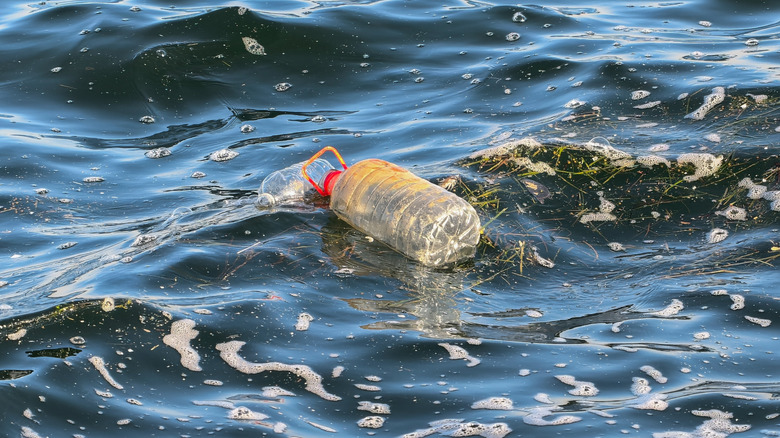
The disposal cycle is equally grim. With over 4 billion pounds of plastic produced for the water industry annually, the recycling infrastructure has proven woefully inadequate. Most of this plastic ends up in landfills or, more alarmingly, in the ocean. Once in the marine environment, these bottles break down into the very microplastics that eventually work their way back into the global food chain.
Economic Implications: The "Convenience" Tax
When calculating the cost of bottled water, the financial burden on the household is rarely discussed with enough gravity. Bottled water can cost between 600 and 2,000 times more per ounce than the water delivered to a home via municipal pipes. For a family of four, this "convenience tax" can amount to hundreds, if not thousands, of dollars annually.
In an economic climate where inflation and cost-of-living adjustments are at the forefront of the public consciousness, the habit of purchasing bottled water is perhaps the most avoidable drain on personal finances.
A Sustainable Future: Filtration and Advocacy
The solution to the bottled water dilemma in 2026 is multifaceted, requiring a shift in both individual behavior and civic engagement.
The Efficiency of Modern Filtration
For those who live in areas where municipal water quality is genuinely compromised, or who simply dislike the taste of treated water, the alternative is not the grocery store aisle—it is the home filtration system. Today’s market offers high-efficiency under-sink reverse osmosis systems and advanced pitcher filters (such as those from PUR or Brita) that are capable of removing lead, chlorine, and micro-particulates at a fraction of the cost of bottled water.
The Path Forward
To move past the bottled water era, a three-pronged approach is recommended:
- Testing: Consumers should utilize local utility reports or independent testing kits to identify if their tap water actually contains specific contaminants.
- Investment: Shifting the money spent on monthly bottled water cases toward a one-time investment in a high-quality, long-term filtration system.
- Institutional Change: Supporting policies that invest in aging water infrastructure. If the public trust in tap water is the root cause of the bottled water explosion, the fix must be political—ensuring that every citizen has access to safe, clean, and affordable water from their own pipes.
Conclusion
As we look toward the remainder of 2026, the evidence is insurmountable: bottled water is not the "pure" alternative it was once marketed to be. It is a product wrapped in the facade of health, masking a reality of microplastic contamination, environmental destruction, and extreme economic inefficiency. By embracing reusable containers and modern, cost-effective filtration, the public can reclaim their health and their wallets, effectively ending the reign of the single-use plastic bottle. The water you need is likely already waiting for you at the tap—it is time to stop paying a premium for a problem that we have the power to solve ourselves.