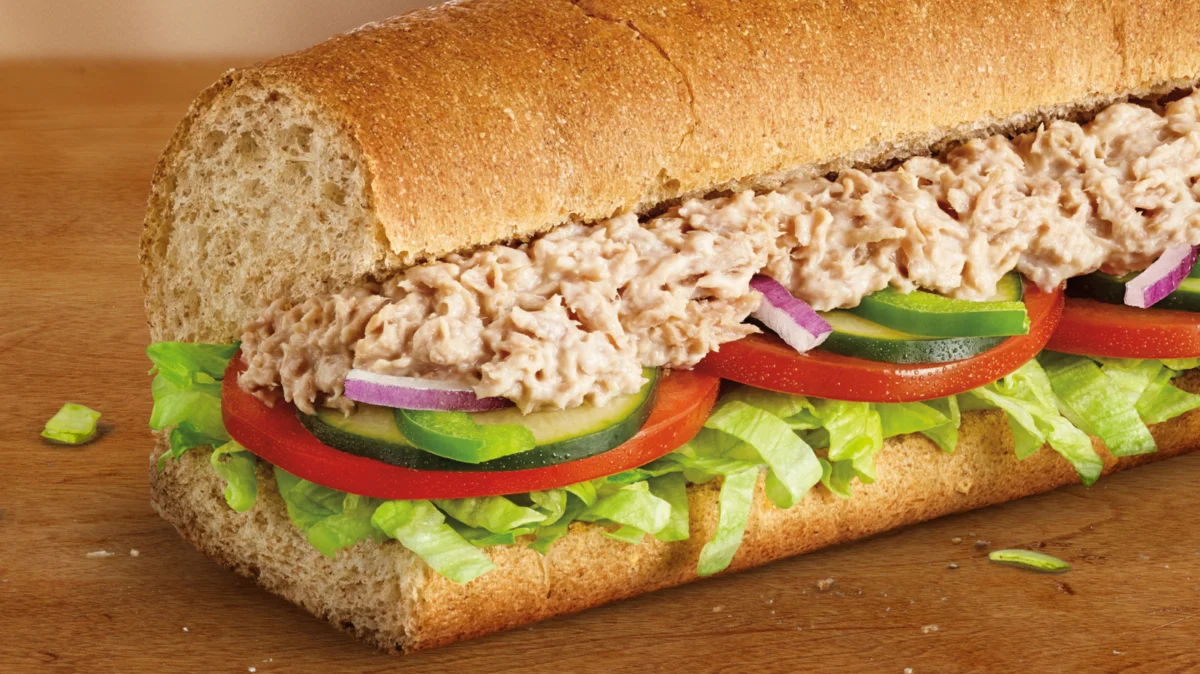
For decades, the Subway tuna sandwich has occupied a distinct niche in the American fast-casual landscape. It is a reliable, protein-forward staple that remains a top-tier choice for millions of diners. Yet, even the most dedicated fans of the classic tuna sub can fall victim to "menu fatigue." When the standard combination of tuna salad, provolone, and Italian bread begins to feel monotonous, the solution may lie thousands of miles away. By looking at the innovative variations offered by Subway locations abroad—specifically in France—American customers can transform a mundane lunch into a gourmet-inspired experience.
The Anatomy of the French-Style Tuna Sub
To understand why the international approach to the tuna sandwich is garnering so much attention, one must first deconstruct the standard American iteration. In the United States, the default Subway tuna sub is a study in simplicity: tuna salad, provolone cheese, lettuce, tomatoes, and onions, served on Artisan Italian bread. It is a functional, balanced meal, but it lacks the textural complexity and flavor profiles found in global markets.
In contrast, Subway France has elevated this humble sandwich by introducing a more adventurous architecture. The French-style version swaps the traditional provolone for American cheese, replaces the standard bread with Parmesan Oregano, and introduces a vibrant medley of cucumbers, lettuce, and tomatoes. The piece de résistance, however, is the addition of chipotle Southwest sauce. This addition shifts the flavor profile from a mild, creamy standard to a bold, tangy, and slightly spicy experience.
Recreating the French Standard at Home
For the American consumer looking to replicate this experience, the process is surprisingly accessible through Subway’s customization platform:
- Bread Choice: Opt for the Italian Herbs & Cheese bread. While not identical to the French Parmesan Oregano, it provides the closest match in terms of savory depth and aromatic crust.
- The Cheese Swap: Exchange the standard provolone for American cheese to achieve that distinct, melt-in-your-mouth creaminess.
- The Veggie Medley: Retain the tomatoes, but lean heavily into the cucumber to provide a necessary crunch that contrasts with the softness of the tuna. While the French menu officially omits onions, their inclusion remains a personal preference that aligns with the visual aesthetic of the sandwich.
- The Sauce: The "secret weapon" is the sauce. While the original French recipe uses a specific chipotle Southwest condiment, American diners can utilize the Baja Chipotle sauce. Having been identified by culinary critics as one of the chain’s finest offerings, this sauce provides the requisite smoke and heat to elevate the tuna’s inherent richness.
Chronology: The Evolution of Global Subway Trends
The rise of "menu hacking" and international inspiration is not a new phenomenon, but it has accelerated in the digital age. In the early 2000s, Subway menus were strictly localized, with little cross-pollination between regions. As social media platforms began to flourish in the 2010s, travelers started sharing photos of exotic Subway offerings—such as the Paneer Tikka sub in India or the Teriyaki chicken variations in Japan—igniting a desire among domestic customers to replicate these experiences.
By 2020, the concept of the "secret menu" became a cornerstone of fast-food culture. Subway’s decision to transition to a digital-first ordering system allowed for greater customization, making it easier for customers to specify intricate builds. The recent shift in the U.S. toward higher-quality bread options and the introduction of premium sauces like Baja Chipotle was, in part, a response to these global consumer trends, acknowledging that the American palate was moving toward bolder, more complex flavor profiles.
Supporting Data: Why Texture and Sauce Matter
Culinary science suggests that the success of a sandwich is determined not just by the quality of the primary protein, but by the "mouthfeel"—a combination of temperature, texture, and flavor intensity.
The traditional American tuna sub is often criticized for being overly soft or one-dimensional. By introducing cucumbers, the diner adds a "snap" that breaks up the dense, creamy tuna salad. Furthermore, the inclusion of the Parmesan Oregano bread adds a savory, salty crust that interacts with the fatty tuna to create a more rounded palate experience. The use of chipotle-based sauces is scientifically backed as well; the heat from the chipotle stimulates the taste buds, cutting through the natural oiliness of the mayonnaise-based tuna salad, effectively "resetting" the palate between bites.
Official Perspectives and Corporate Strategy
While Subway corporate rarely comments on individual "hacks," the brand has leaned heavily into the "Subway Series" initiative, which encourages customers to try pre-configured, chef-inspired builds. When asked about the potential for bringing international favorites to the U.S., a spokesperson for the franchise emphasized the importance of local customization.
"Our brand is built on the foundation of choice," the representative noted. "While we maintain core ingredients to ensure consistency across the country, we empower our franchisees and our customers to explore flavors that suit their specific preferences. The beauty of the Subway model is that no two sandwiches need to be identical."
From an analytical standpoint, this strategy protects the brand from the supply chain volatility associated with localized ingredients while keeping the customer engaged through constant experimentation.
Beyond the Basics: Advanced French-Inspired Hacks
For the truly ambitious diner, the French-style tuna sub is merely a starting point. Those seeking a more authentic, "bistro-style" experience can look toward traditional French culinary staples.
The "Baguette-Style" Toast
A common complaint about domestic tuna subs is the bread’s softness. To replicate a French baguette-style experience, request that your bread be toasted until it reaches a deep, golden-brown state. This "well-done" toast provides a crisp exterior that mimics the crusty texture of a Parisian sandwich. Swap the lettuce for spinach to provide a earthier, more refined green base, and add a dash of black pepper and oregano to elevate the seasoning.
The Nicoise-Inspired Sub
For those who prefer a more sophisticated profile, the Salade Niçoise—a French classic featuring tuna, olives, and a vinaigrette—can serve as the blueprint.
- The Base: Start with a tuna sub on Italian bread.
- The Veggies: Add black olives, red onions, and fresh tomatoes.
- The Dressing: Instead of a heavy mayo-based sauce, opt for a "light" dressing approach. Ask for a drizzle of red wine vinegar and olive oil.
- The Finish: A tiny squeeze of yellow mustard provides the acidic tang necessary to bridge the gap between the briny olives and the tuna.
Implications for the Fast-Casual Industry
The trend of internationalizing the domestic menu carries significant implications for the fast-casual industry. It suggests that consumers are no longer satisfied with "standard" products; they are global citizens with sophisticated palates who view fast food as a canvas for creativity.
This shift forces major chains to reconsider their supply chains. If customers start demanding ingredients like cornichons, shallots, or specific vinegars to replicate international dishes, the infrastructure of the supply chain must adapt. Moreover, it places a higher premium on staff training. A "sandwich artist" who understands why a customer is asking for specific, non-standard combinations is more likely to provide a superior service experience than one who merely follows a rote build sheet.
Conclusion: The Future of the Tuna Sandwich
The tuna sandwich, once the "safe" choice for the unadventurous eater, is undergoing a quiet renaissance. By embracing international influences—whether through the bold, chipotle-infused profile of the French Subway menu or the refined, herb-forward approach of a Niçoise salad—the modern diner has the power to redefine their lunch.
As we look toward the future, the boundary between "domestic" and "international" menus will likely continue to blur. Technology, social media, and a shared global culinary culture are ensuring that the best ideas travel quickly. The next time you find yourself standing before the glass display at your local Subway, remember that you are not limited by the menu board. With a little imagination and a nod to our French counterparts, that next tuna sub can be an invitation to travel, one bite at a time. Whether you choose the zesty punch of the chipotle-drenched French-style sub or the refined, garlicky notes of a bistro-inspired creation, the ultimate goal remains the same: transforming a routine meal into an exceptional one.