For the modern digital nomad, the promise of “working from anywhere” often collides with the harsh reality of unreliable Wi-Fi, cramped hostel quarters, and the pervasive loneliness that can accompany a life of perpetual travel. For years, the nomadic lifestyle was characterized by the struggle to balance professional output with the desire for authentic exploration. Today, however, a new infrastructure is emerging to solve these logistical headaches: the rise of professional coliving spaces.
Platforms like Outsite are leading a shift in how remote professionals operate, offering a hybrid model that blends the productivity of a high-end office with the social fabric of a community-oriented living space. By professionalizing the remote work experience, these platforms are effectively ending the era of "laptop-in-a-coffee-shop" instability.
Main Facts: The Rise of the Professional Nomad Hub
Founded in 2015, Outsite began as a singular mission in Santa Cruz, California: to provide a sanctuary for surfers who needed to remain tethered to their professional obligations. Almost a decade later, the platform has evolved into a global network with over 5,000 members and 50 locations worldwide.
Unlike traditional accommodation, Outsite is built specifically for the location-independent entrepreneur. The core offering is a private, curated living environment that prioritizes three pillars: reliable enterprise-grade connectivity, ergonomic workspaces, and a community-centric atmosphere. It is designed to bridge the gap between the isolation of an Airbnb and the chaotic, often youth-skewed, environment of a standard hostel.
Chronology of the Remote Work Shift
The trajectory of remote work has shifted dramatically over the last decade. Pre-2020, "digital nomadism" was largely the domain of freelancers and niche creative professionals. However, the post-pandemic surge in flexible work policies accelerated the demand for infrastructure that could support a permanent workforce on the move.
- 2015: Outsite launches with a focus on work-life balance for surfers in California.
- 2018–2019: The "coworking" trend gains momentum, but residential solutions remain fragmented.
- 2020–2021: Global lockdowns catalyze the mainstream adoption of remote work, leading to a surge in demand for "work-from-anywhere" infrastructure.
- 2022–Present: Coliving networks expand rapidly, shifting from simple "housing" to curated "communities" with dedicated community managers, event programming, and professional networking opportunities.
Supporting Data: The Value Proposition
For the uninitiated, the price point of a platform like Outsite can seem steep when compared to budget backpacking options. However, a deeper analysis reveals a significant cost-benefit shift.
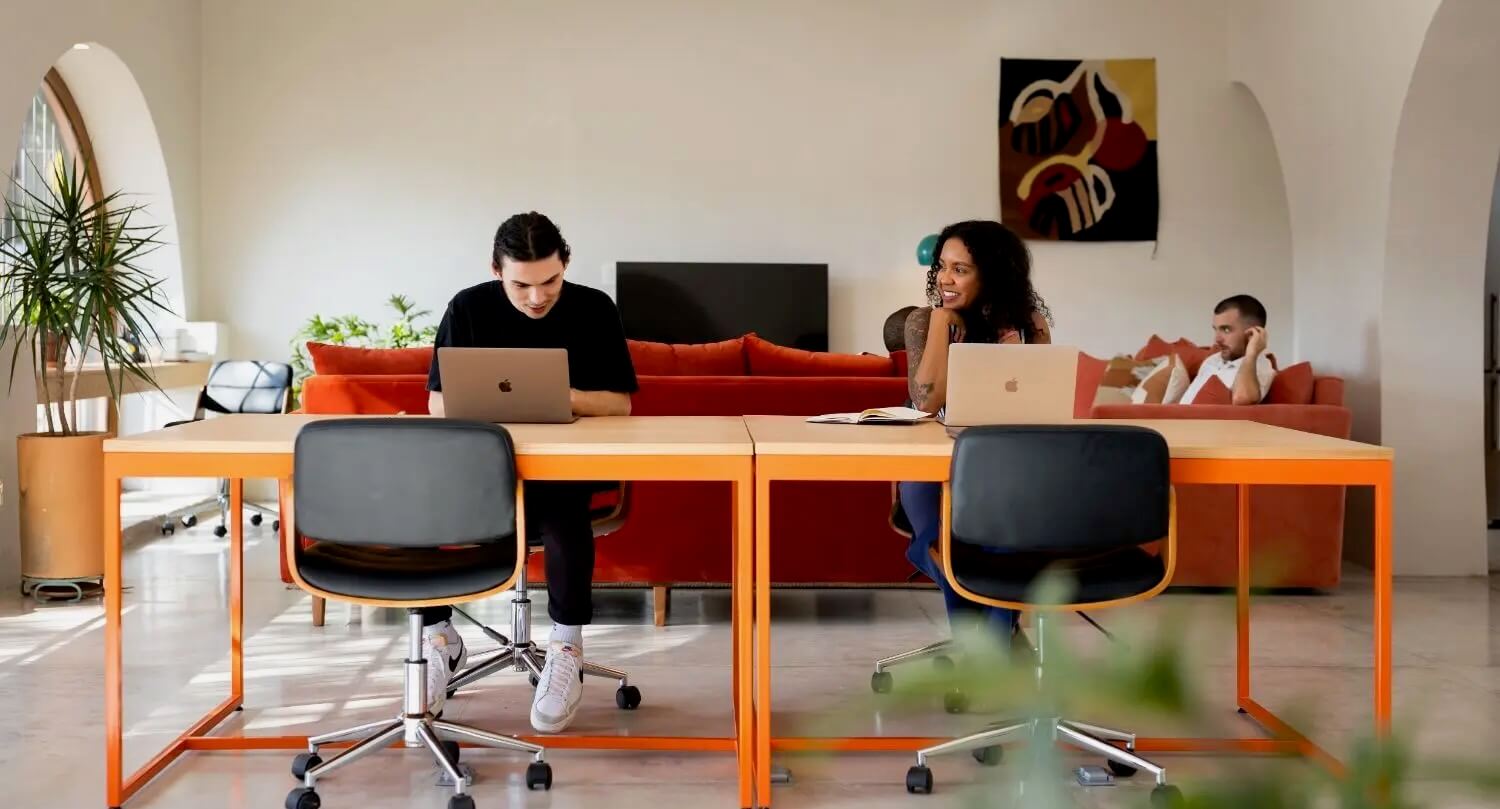
When a traveler books a standard short-term rental, they must factor in the additional cost of a monthly coworking pass, which can range from $150 to $400 depending on the city. Furthermore, there is the “hidden cost” of productivity—time spent scouting cafes with stable internet or dealing with the discomfort of inadequate furniture.
Outsite’s membership model—which offers a yearly fee of $199 or a lifetime pass for $499—unlocks tiered benefits, including:
- Flash Sales: Up to 50% off for members.
- Extended Stay Discounts: Up to 40% off for long-term travelers.
- Professional Networking: Access to a job and sublets board, alongside curated community mixers.
By bundling high-speed internet, ergonomic desks, and professional-grade kitchens, Outsite mitigates the "hidden costs" of nomadic living, providing a predictable environment that allows professionals to maintain high-level output without the friction of constant logistical troubleshooting.
The Community Manager: An Essential Human Element
Perhaps the most significant differentiator between a traditional booking platform and a coliving space is the role of the Community Manager. In a standard hotel, the staff is there to facilitate your stay; in an Outsite location, the Community Manager is there to facilitate your life.
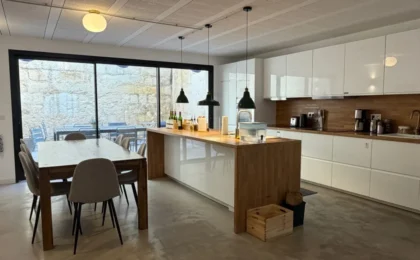
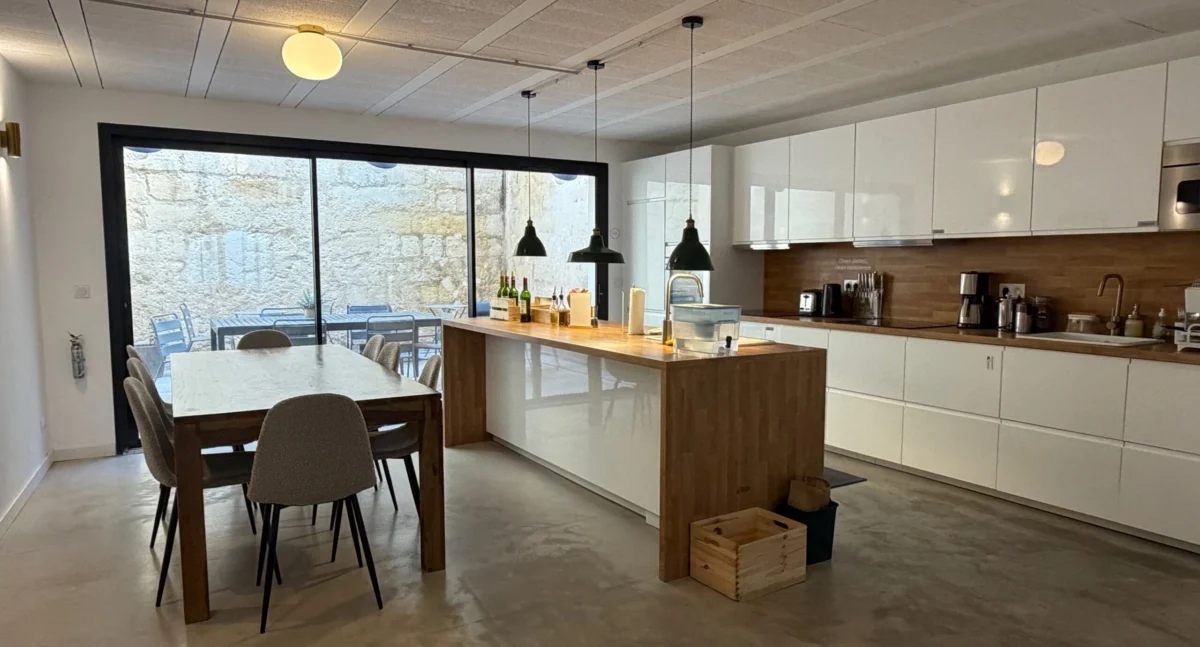
During a recent stay in Bordeaux, the value of this role became immediately apparent. Upon arrival, the manager integrated the residents into a pre-existing WhatsApp group, immediately bridging the gap between strangers. The manager orchestrated social programming—ranging from Friday night tapas crawls to family-style dinners and morning yoga—which directly addressed the primary complaint of remote workers: isolation. By curating a group of like-minded professionals, the platform ensures that the social experience is one of shared professional development rather than mere tourism.
Official Perspective and Design Philosophy
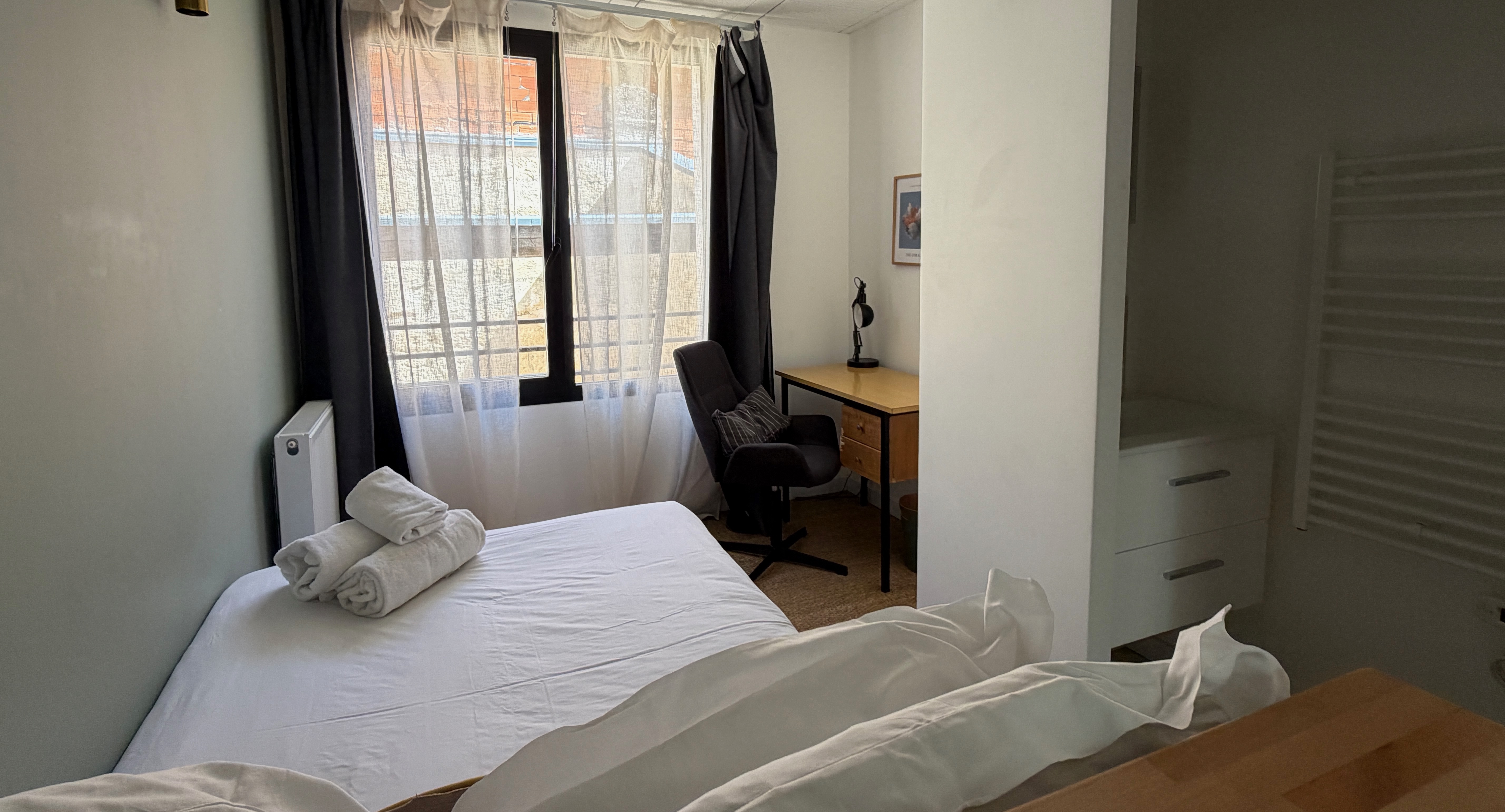
The design philosophy behind Outsite is a calculated departure from the sterile, beige monotony of corporate hotels or the mismatched, impersonal aesthetic of cheap rental properties. The spaces are meticulously curated to favor natural light, ergonomic furniture, and local art.
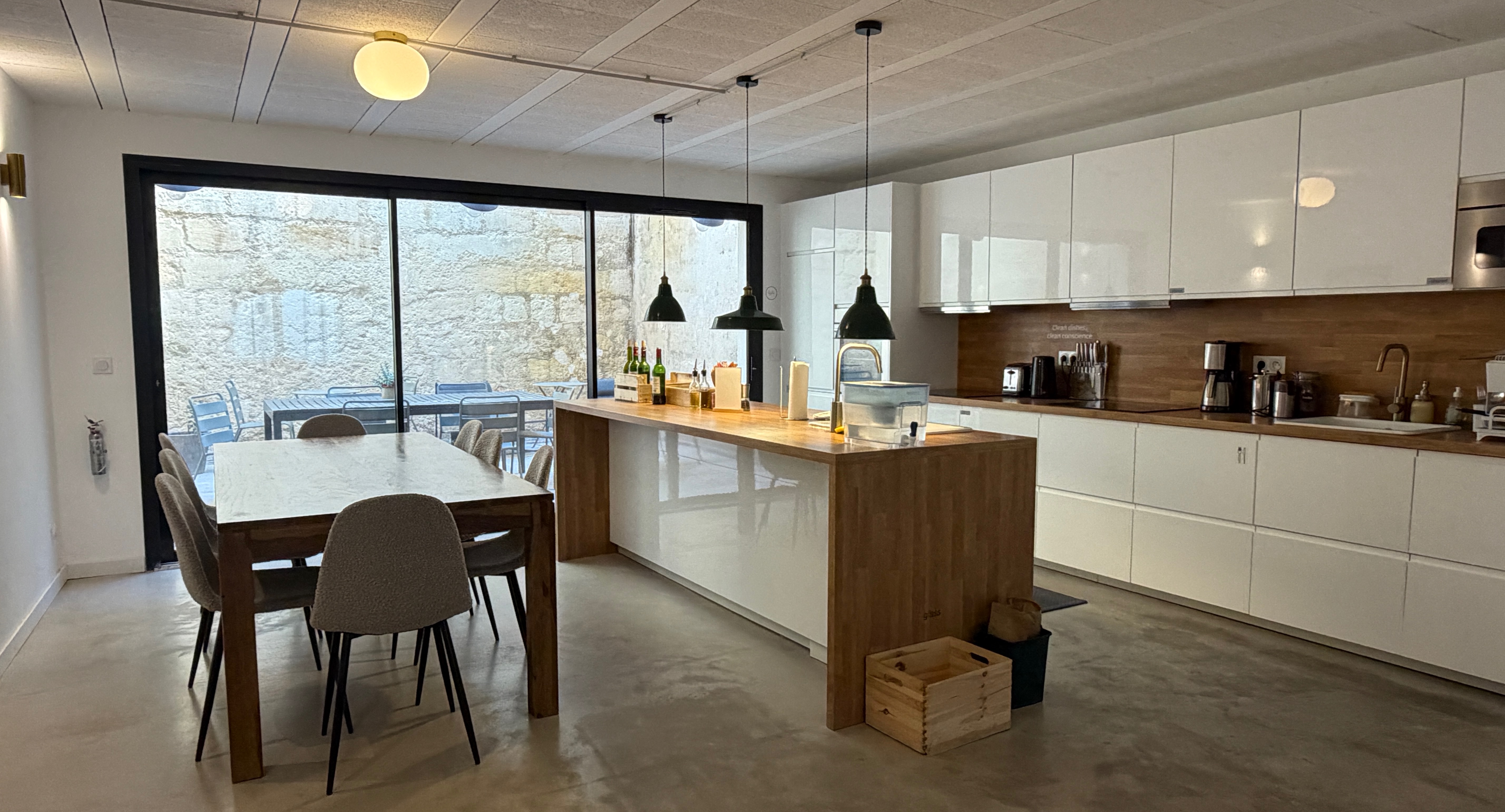
The rationale is clear: environment dictates output. By providing "wealthy friend’s home" aesthetics, the spaces lower the cognitive load on the worker, allowing them to enter a state of deep focus within minutes of waking. Furthermore, the inclusion of daily cleaning services and fully-equipped, chef-grade kitchens allows professionals to maintain a healthy lifestyle—often the first thing sacrificed when traveling—without the time-sink of constant meal planning.
Implications: The Future of Distributed Work
The emergence of these spaces signals a broader shift in how society views the intersection of home, work, and travel. We are witnessing the end of the "office-centric" career and the birth of the "location-flexible" professional class.
1. The Death of the "Backpacker" Stigma
Digital nomads are no longer just backpackers in their early 20s. The demographics of Outsite skew toward professionals in their late 20s, 30s, and 40s. These are individuals with established careers, high productivity expectations, and a desire for stability. The industry is responding by offering more sophisticated, high-end amenities that mirror the professional standards of a metropolitan office.
2. The Rise of "Work-Life Integration"
The goal is no longer "work-life balance"—a term that implies the two are in constant opposition—but rather "work-life integration." When your office is a beautiful space in a historic French city, and your social circle consists of designers, developers, and entrepreneurs, the act of working feels less like a chore and more like a chosen component of a rich life.
3. Logistical Realities and Market Constraints
Despite the appeal, there are barriers to entry. The most sought-after locations, particularly in European hubs like Lisbon or high-demand tropical spots like Costa Rica, require booking months in advance. This creates a "planned" nomadic lifestyle, moving away from the impulsive, spontaneous travel of the past toward a structured, deliberate calendar of movement.
Additionally, pet policies and minimum stay requirements (which, in some jurisdictions like New York, can legally mandate a 30-day stay) mean that Outsite is not a universal solution for every type of traveler. It is a tool for the intentional professional, not the casual vacationer.
Conclusion: Finding Your Tribe
Living the digital nomad life no longer requires sacrificing career progression, comfort, or a social life. The transition toward coliving represents a maturation of the remote work industry. It is a acknowledgment that human beings are fundamentally social creatures who perform best when their basic needs for safety, connectivity, and community are met.
For those who have spent hours hunching over laptop screens in loud, uncomfortable cafes or struggling to find reliable Wi-Fi in an overpriced Airbnb, platforms like Outsite offer a viable path forward. They provide the consistency needed to produce high-quality work, and the community required to sustain a healthy mental state while far from home.
As we move toward a future where remote work is the default for millions, the infrastructure of "where we work" will continue to evolve. Whether you are a solo entrepreneur, a freelancer, or a remote employee seeking a change of scenery, the key to success on the road is no longer just finding a destination—it is finding your tribe. By choosing environments that prioritize both professional utility and community, you aren’t just traveling; you are building a life that happens to be on the move.