For the modern digital nomad, the romanticized vision of tapping away at a laptop on a sun-drenched beach is often a far cry from reality. In practice, the lifestyle is frequently defined by the frantic search for reliable Wi-Fi, the isolation of working from anonymous hotel rooms, or the frustration of an Airbnb host whose definition of "high-speed internet" is a connection that barely supports a text-only email.
As the post-pandemic labor market cements remote work as a permanent fixture, a new solution has emerged to solve the "nomad’s dilemma": the coliving space. Platforms like Outsite are bridging the gap between the professional efficiency of a coworking office and the social connectivity of a boutique hostel, offering a blueprint for a sustainable, nomadic lifestyle.
Main Facts: The Rise of Curated Coliving
Founded in 2015, Outsite began with a modest mission in Santa Cruz, California: to provide a home base for surfers and entrepreneurs who needed a space that prioritized both productivity and play. Nearly a decade later, the platform has grown into a global network boasting over 5,000 members and 50 curated locations worldwide.
Unlike traditional hospitality models, Outsite functions on a membership-driven ecosystem. While short-term bookings are available to the public, the platform incentivizes long-term commitment through tiered membership programs. A $199 annual fee (or a $499 lifetime pass) unlocks a suite of benefits, including discounted nightly rates, priority access to high-demand properties, "flash sale" pricing, and entry into an exclusive professional network.
Chronology: From Santa Cruz to Global Expansion
The growth of the coliving sector mirrors the broader evolution of the "Work from Anywhere" movement.
- 2015: Outsite launches in Santa Cruz, catering to a niche group of location-independent tech workers and outdoor enthusiasts.
- 2018–2019: As remote work gains traction in the corporate world, the demand for "turnkey" travel solutions increases. Outsite expands its portfolio into urban centers and mountain retreats.
- 2020–2022: The pandemic accelerates the adoption of remote work. The demand for reliable, community-oriented housing for displaced workers skyrockets. Outsite pivots to accommodate longer stays, focusing on "work-from-home" ergonomics.
- 2023–Present: The platform stabilizes into a global network. Recent expansions into European cultural hubs—like the recent Bordeaux property—demonstrate a shift from purely "surf/adventure" locations to "urban integration" destinations.
Supporting Data: The Productivity/Community Balance
The efficacy of the Outsite model lies in its infrastructure. Data from recent stays in hubs like Bordeaux suggests that professional-grade amenities are the primary draw for digital nomads. Each location is equipped with:
- Enterprise-Grade Connectivity: Dedicated Wi-Fi networks designed to handle heavy video conferencing traffic.
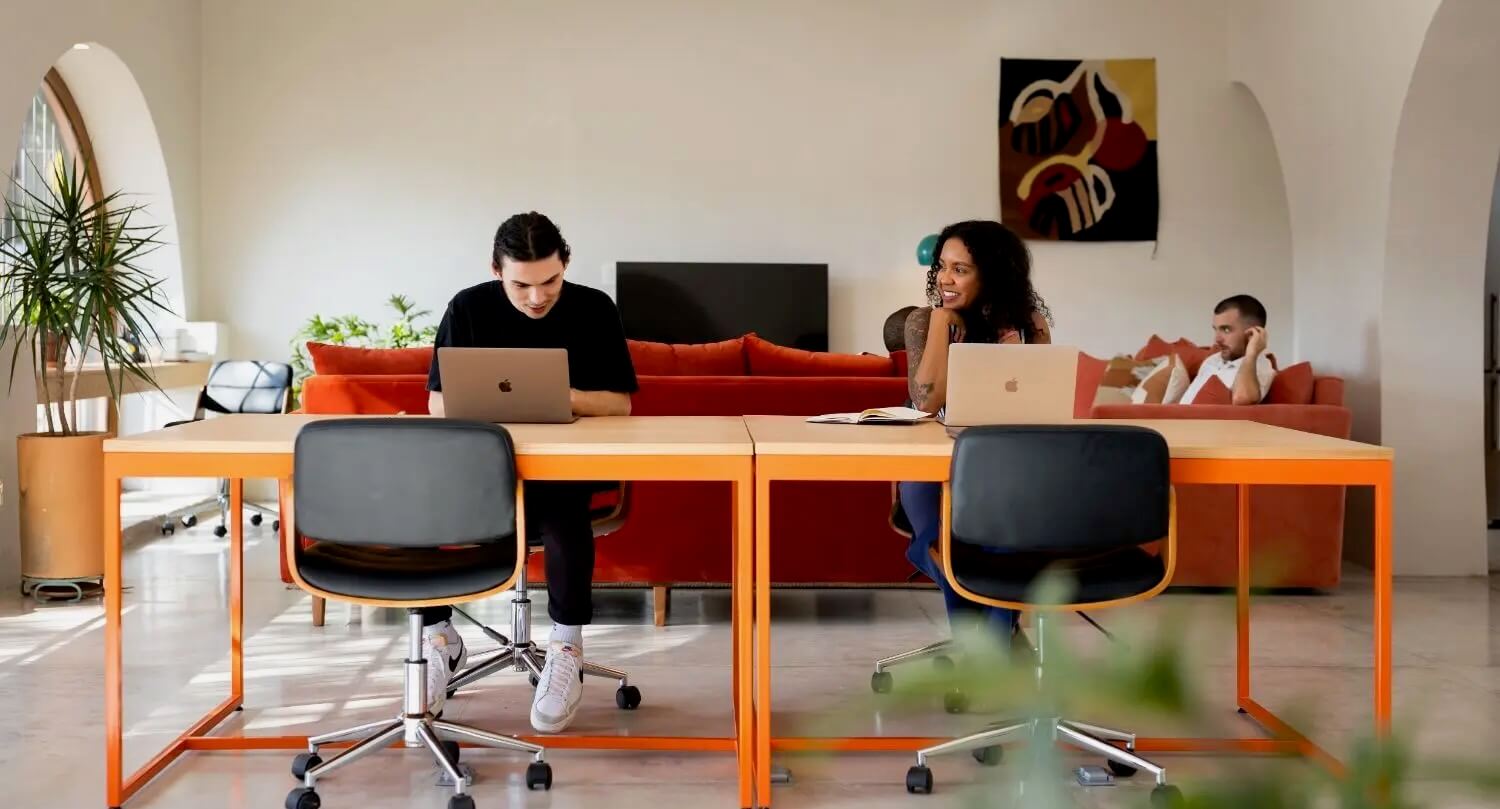
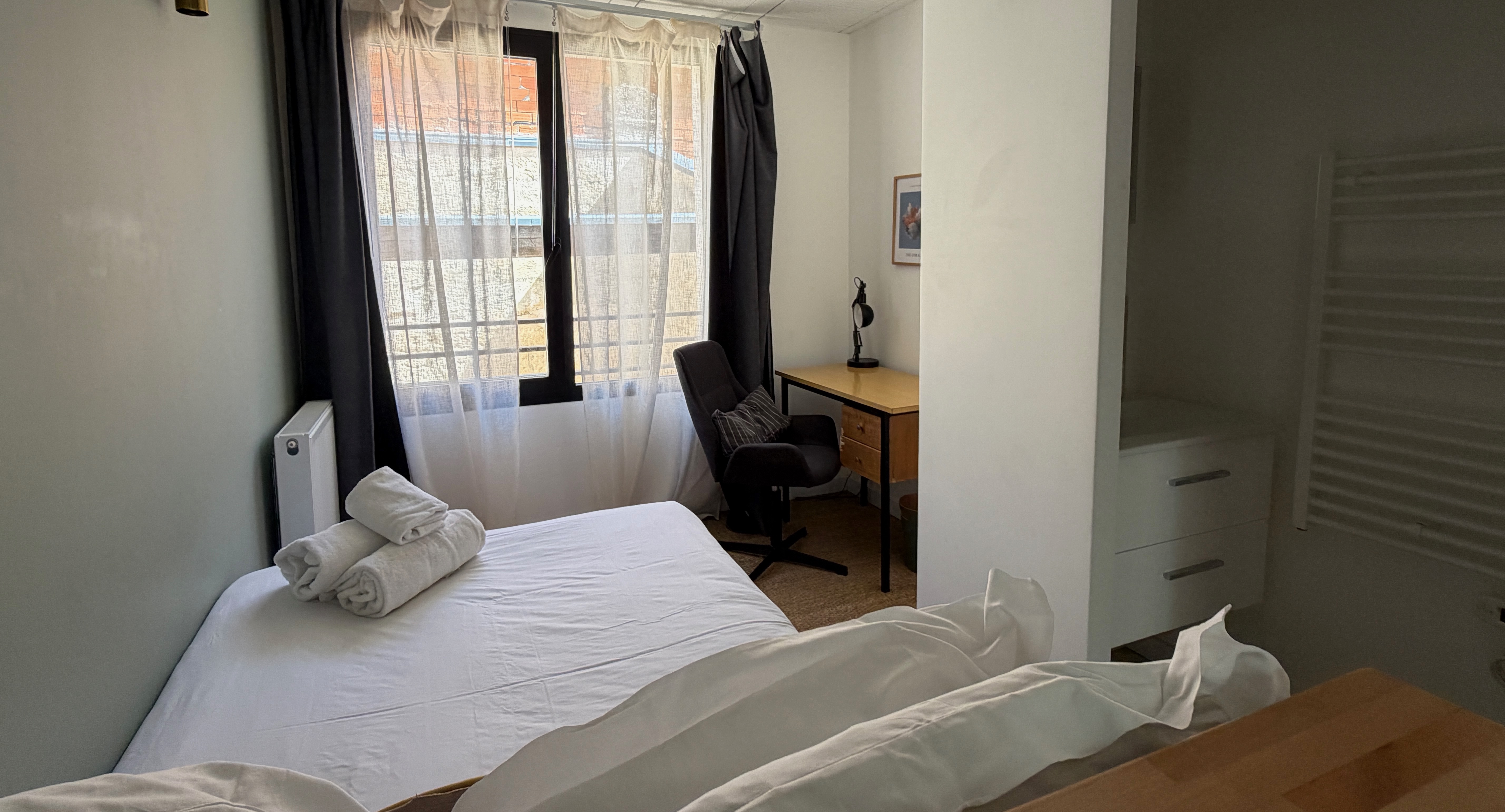
- Ergonomic Workspace Integration: Every property features dedicated office spaces with height-adjustable chairs, monitor connectivity, and noise-dampening zones.
- Social Infrastructure: A dedicated Community Manager at each location serves as a facilitator, organizing weekly events ranging from local tapas crawls to professional networking mixers.
According to user feedback, the "Community Manager" role is a key differentiator. It transforms a transient living situation into a structured, welcoming environment. By facilitating local WhatsApp groups and curating weekend excursions, the platform effectively mitigates the loneliness that often leads to burnout among solo remote workers.
The Professional Experience: Inside the Bordeaux Location
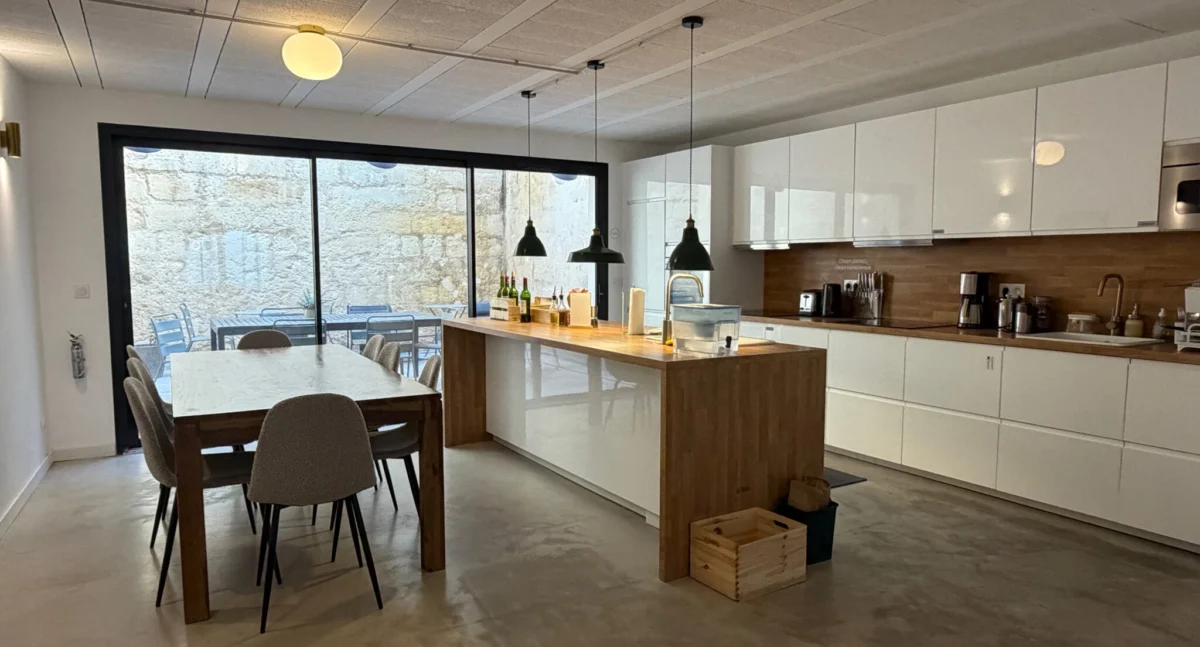
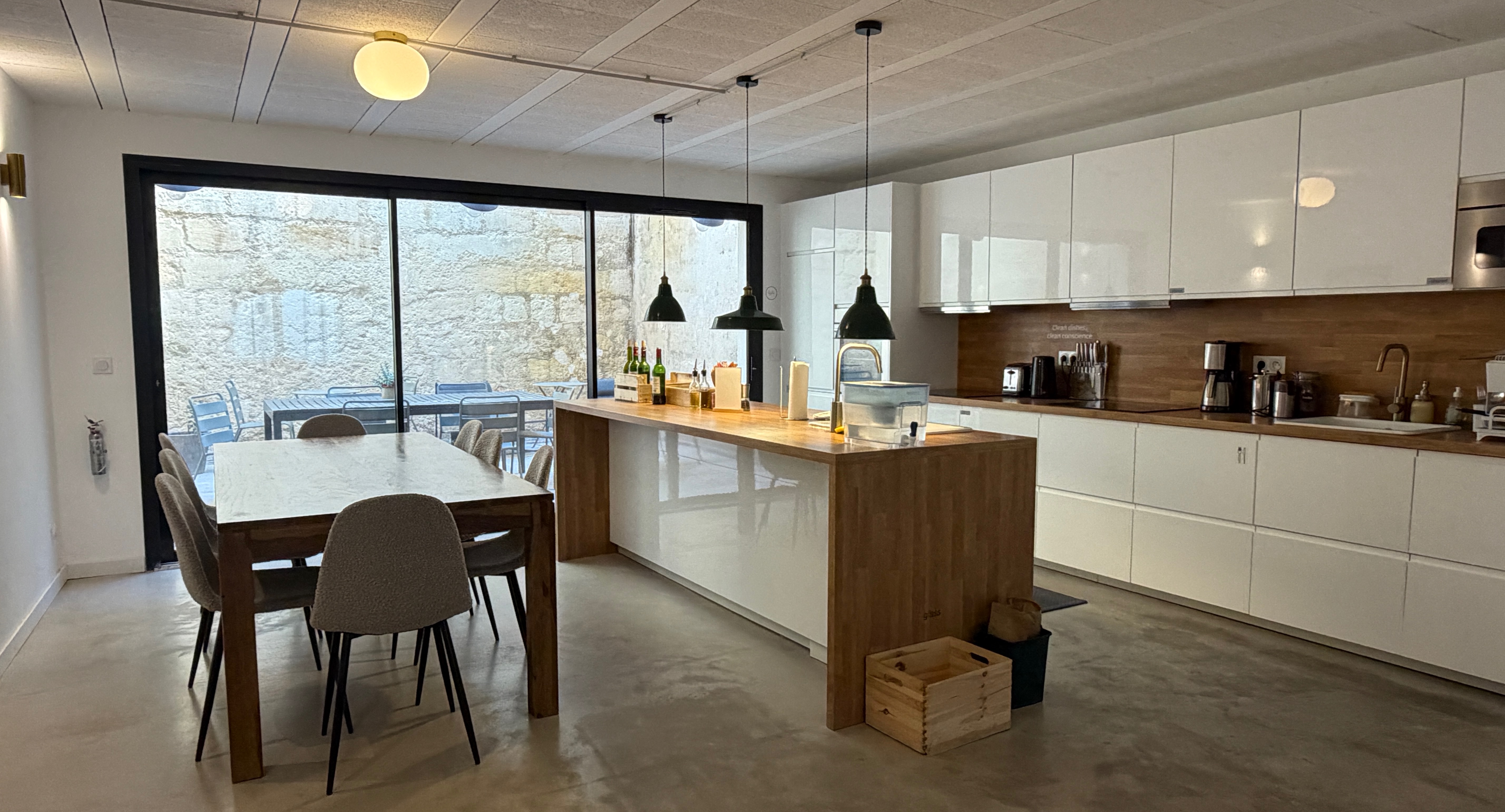
To understand the tangible benefits, one must look at a typical experience. In Bordeaux, the property offers a synthesis of a high-end boutique hotel and a tech-enabled office. The communal kitchen, cleaned daily, provides a level of comfort rarely found in budget accommodation. The design language—heavy on natural light, local flora, and regional art—stands in stark contrast to the sterile, "corporate-beige" environment of standard business hotels.
For the professional nomad, the value proposition is clear: by paying for an Outsite subscription, you are effectively offloading the "logistics tax" of travel. You aren’t just paying for a bed; you are paying for a vetted, high-speed connection, a desk that doesn’t cause back pain, and a pre-existing social network. When compared to the combined cost of a mid-tier Airbnb and a monthly coworking space pass, the Outsite model often proves to be the more cost-effective—and significantly less stressful—alternative.
Official Perspectives and Operational Guidelines
While the platform is highly accessible, it operates with clear, distinct guidelines that define its culture:
- Age and Professionalism: While there is no formal age cap, the community skews toward professionals in their late 20s through 40s. This creates an environment focused on career growth and balanced leisure, distinguishing it from the "party-hostel" circuit.
- Minimum Stays: To maintain a cohesive community, most locations require a minimum stay of two nights, though high-demand markets with local housing regulations (such as New York City) may mandate 30-day minimums.
- Pet Policies: In the interest of maintaining communal harmony and preventing allergic reactions in shared living spaces, the platform generally prohibits pets.
Implications for the Future of Work
The rise of Outsite and its competitors signals a fundamental shift in the definition of "home." As the barrier between professional life and personal travel dissolves, the infrastructure of the hospitality industry is being forced to adapt.
The Death of the Sterile Hotel Room
For decades, the "business traveler" was expected to stay in a hotel that looked the same in London as it did in Singapore. The digital nomad generation rejects this uniformity. They seek "lived-in" luxury—spaces that feel like a friend’s well-appointed home rather than a commercial transaction.
Solving the Isolation Crisis
The most profound implication of the coliving movement is the resolution of the mental health challenges associated with remote work. Loneliness is the silent killer of the nomadic dream. By integrating a community layer into the housing product, platforms are ensuring that the digital nomad life is sustainable for the long term. It is no longer just about where you work; it is about who you are working alongside.
Economic Sustainability
Finally, the platform is proving that there is a viable market for "subscription-based living." As individuals spend more time moving between regions, the need for fixed leases diminishes. Companies like Outsite are essentially offering a "real estate as a service" model, which allows workers to maintain a high quality of life without the shackles of a traditional mortgage or long-term lease.
Final Thoughts: Finding Your Tribe
Choosing where to work while traveling is a decision that impacts your productivity, your health, and your happiness. The "hunching over a hostel table" era is coming to a close. Today’s professional nomad demands a workspace that works as hard as they do, and a social environment that prevents them from drifting into isolation.
Whether you are a freelancer, a startup founder, or a corporate remote employee, the modern coliving space offers a structured path to travel without sacrificing career momentum. As the world continues to normalize location-independent employment, platforms that prioritize both high-speed connectivity and genuine human connection will lead the way.
The next time you plan a trip, consider the value of your time and your sanity. A desk, a reliable connection, and a group of like-minded individuals waiting for you in a new city might just be the best investment you make this year. It is time to stop searching for a coffee shop and start finding your tribe.