By Willa Bloomfield-Rowe | Published September 9, 2026
The video game industry is currently undergoing its most significant structural shift since the transition from cartridges to optical discs. We are witnessing the twilight of physical media, a transformation that has moved from a slow, steady crawl to a rapid, industry-wide mandate. As of September 2026, the writing on the wall is indelible: the future of gaming is exclusively digital.
With Sony Interactive Entertainment confirming the cessation of physical disc production for new titles starting in 2028, and Microsoft’s Xbox ecosystem aggressively pushing disc-to-digital conversion features, the tangible "shelf" is rapidly disappearing. Even when consumers do purchase a "physical" copy of a game today, they are often met with nothing more than a plastic case housing a digital download code—a hollow shell of the ownership experience.
In this climate of digital-only dominance, where the historical preservation of software is increasingly precarious, the storefront GOG (formerly Good Old Games) has launched an unconventional counter-offensive. Through its expanded Preservation Program, the company is attempting to safeguard not just the code of PC gaming’s past, but the tactile, aesthetic soul of the "Big Box" era.
The Chronology of an Industry Exit
The erosion of physical media did not happen overnight, but the pace has accelerated dramatically in the last twenty-four months.
- 2024: Major publishers began the trend of shipping "physical" boxes containing only an installer stub or a redemption code, sparking widespread criticism from the gaming community regarding long-term ownership and the inability to resell or preserve software.
- 2025: Sony and Microsoft began phasing out disc drives in mid-generation hardware refreshes, signaling to developers that the cost of physical manufacturing was no longer sustainable in a market dominated by live-service updates and high-bandwidth digital distribution.
- Early 2026: Backlash against the lack of physical support reached a fever pitch following the marketing campaigns for major titles, where players discovered that the physical edition offered no offline playability or archival value.
- September 2026: GOG officially unveiled its new Preservation Program initiative, integrating high-fidelity 3D scans of classic "Big Box" PC titles, effectively digitizing the experience of shelf-presence for the modern collector.
The GOG Preservation Program: A Digital Museum
GOG’s strategy is a nuanced attempt to reconcile the convenience of digital storefronts with the romanticism of the 1990s and early 2000s, when PC games were sold in massive, illustrated cardboard boxes. Often, these boxes contained intricate manuals, lore-heavy inserts, and maps—items that are completely absent in a digital-only ecosystem.
The core of this new initiative involves the creation of rotatable, high-fidelity 3D models of original game boxes. By partnering with the "Big Box Collection" project, GOG has scanned these physical artifacts, allowing users to view them in a browser-based 3D viewer that requires no plugins or external software.
"We had the actual boxes scanned—front, back, spine, the works—and turned into rotatable 3D models," GOG stated in their press release. "You can download them after purchase and open them right in the viewer that’s already built into Windows and Mac. Just spin the box around on your screen like you’re holding it."
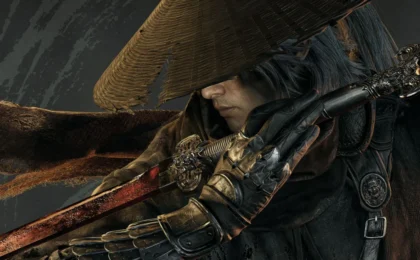
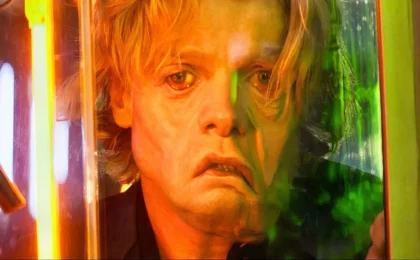
The initial launch includes five titles, each representing a milestone in PC gaming history:
- Myst: The quintessential CD-ROM experience that defined the early 90s.
- Descent: The groundbreaking 3D shooter.
- Hitman: Codename 47: The start of a legendary stealth franchise.
- Armikrog: A modern nod to claymation adventure classics.
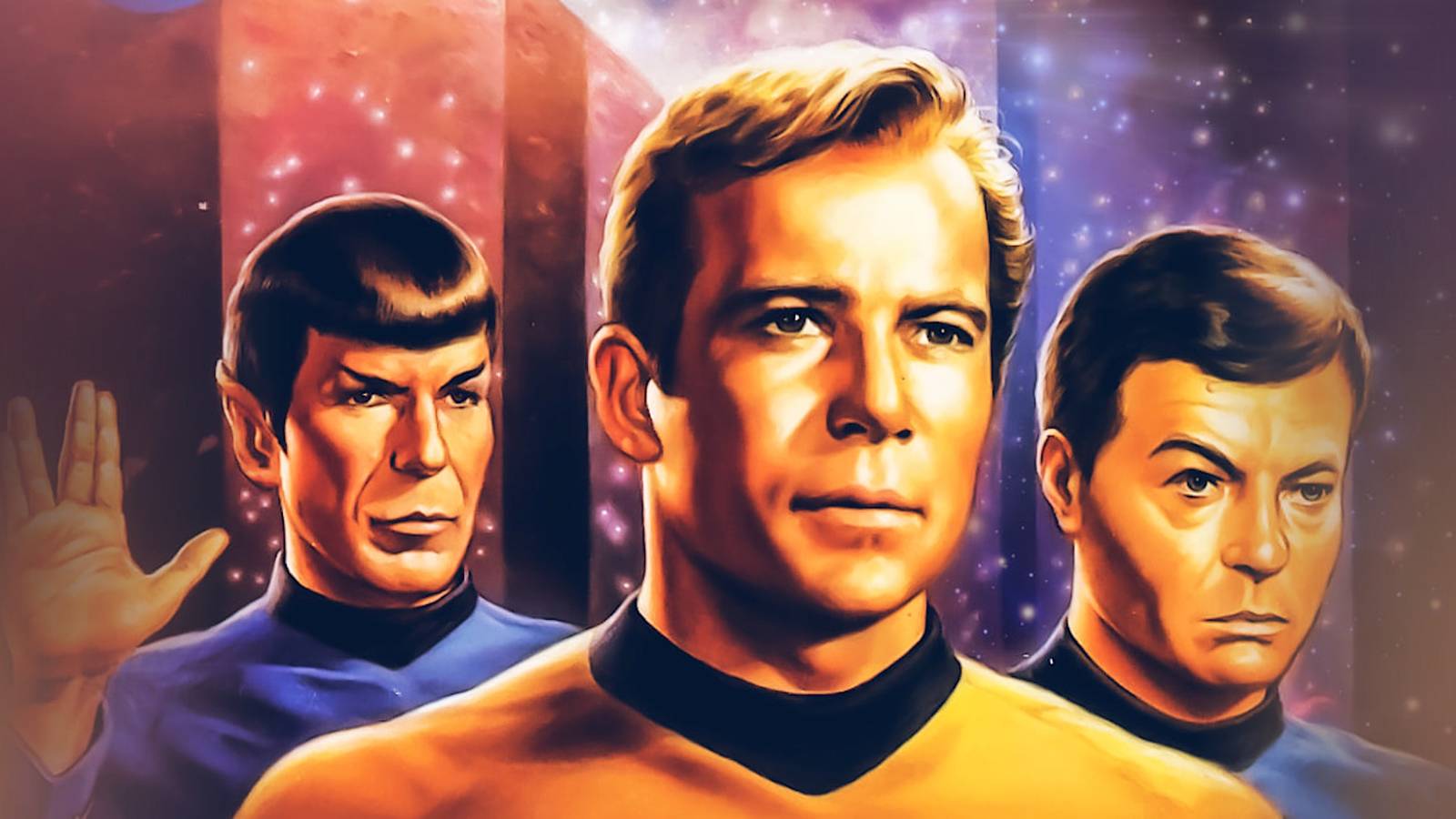
- Star Trek: 25th Anniversary: A title chosen specifically to commemorate the franchise’s 60th anniversary.
Data and Craftsmanship: The DIY Archive
For collectors who find a 3D model insufficient, GOG has taken the preservation effort a step further. Alongside the 3D assets, the program provides high-resolution, flat, printable files of the original box art. This allows players to print, fold, and assemble their own physical replicas at home.
While this may seem like a novelty to some, the implications for archival science are significant. As original boxes degrade due to moisture, light damage, or simply being discarded during moves, the ability to reconstruct a "physical" copy ensures that the aesthetic identity of the software remains intact.
Why the "Big Box" Matters
The "Big Box" era of PC gaming was a golden age of graphic design. Unlike the standardized plastic jewel cases of the console market, PC boxes were often massive, featuring fold-out panels, embossed lettering, and artwork that spanned the entire surface. For many, these boxes were more than just packaging; they were an invitation to a world, often containing:
- Novella-length manuals: Providing essential lore.
- Reference cards: Keyboard overlays for complex flight simulators or strategy games.
- Tangible "Feelies": Physical trinkets (like cloth maps or decoder wheels) that were often required to solve in-game puzzles, effectively acting as an early form of copy protection.
By digitizing these, GOG is acknowledging that the "game" is not merely the executable file; it is the entire package that the user originally purchased.
Industry Implications: A Response to the Digital Void
The response from the gaming community has been overwhelmingly positive, though it serves as a stark reminder of what has been lost. The industry-wide shift toward digital-only distribution is driven by cost-cutting and the desire for "Live Service" control, where publishers can disable servers and effectively "delete" a game from existence.

Critics argue that by removing physical media, publishers are exercising an unprecedented level of control over the consumer. If a game is pulled from a store due to licensing issues, a digital-only user has no way to play it unless they had previously downloaded it. A physical copy, however, remains a persistent artifact.
GOG’s move, while not a return to physical distribution, acts as a "digital backup" for the culture of physical media. It posits that if we are to lose the object, we should at least retain the digital twin of that object.
The Preservation Dilemma
The legal landscape of game preservation is fraught with difficulty. Many games are "abandonware," where the original publisher has either gone bankrupt or the rights have been lost in a labyrinth of corporate acquisitions. GOG’s Preservation Program is uniquely positioned here because the company specializes in curating and patching older software to run on modern Windows and macOS versions. By adding the "Big Box" scans, they are providing a holistic experience that competing storefronts, such as Steam or the Epic Games Store, have largely ignored.
Conclusion: Is This Enough?
As we look toward 2028 and the end of the physical console disc, GOG’s initiative represents a vital, albeit limited, form of resistance. It does not replace the utility of a physical disc, nor does it grant the consumer the same level of legal ownership that a physical object provides. However, it does preserve the memory of the medium.
The 60th-anniversary release of Star Trek: 25th Anniversary within this program is symbolic. It reminds us that games, like television shows and films, are cultural artifacts. As the industry races toward a future of ephemeral, cloud-based, and code-only distribution, initiatives like the GOG Preservation Program provide a necessary anchor, ensuring that the legacy of PC gaming does not simply evaporate into a server farm, but remains visible, rotatable, and—if one has a printer—tactile.
The future may be digital, but thanks to these efforts, the past remains firmly, and beautifully, in our hands.