What began as a routine traffic and drug arrest in Center City, Philadelphia, has rapidly spiraled into one of the most complex, gruesome, and far-reaching potential serial killer investigations in the city’s modern history. The investigation centers on a nondescript row house on the 400 block of West Chew Avenue in Philadelphia’s Olney neighborhood. Once the home of Raymond "RC" Horsch—a deceased producer of brutally themed pornography and an author of highly violent literature—the property is now at the heart of a multi-agency forensic sweep.
Following the June 2026 arrest of Horsch’s 44-year-old son, Eugene Horsch, local police and federal investigators have uncovered a horrifying digital and physical archive. The discoveries have prompted law enforcement to link the property to the disappearances of at least seven women, five of whom are presumed dead. Among the most disturbing elements of the case are allegations of "snuff" films, sophisticated chemical disposal systems, and the potential existence of an underground network dedicated to the distribution of sadistic and lethal pornography.
Main Facts: The Discoveries at West Chew Avenue
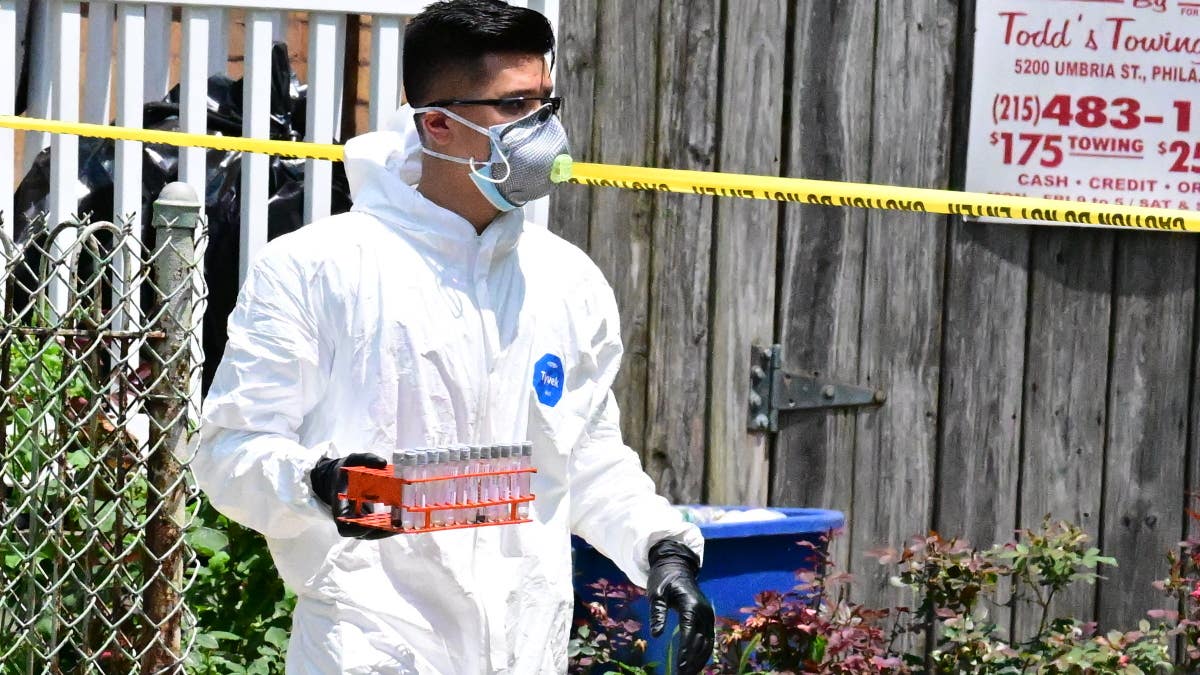
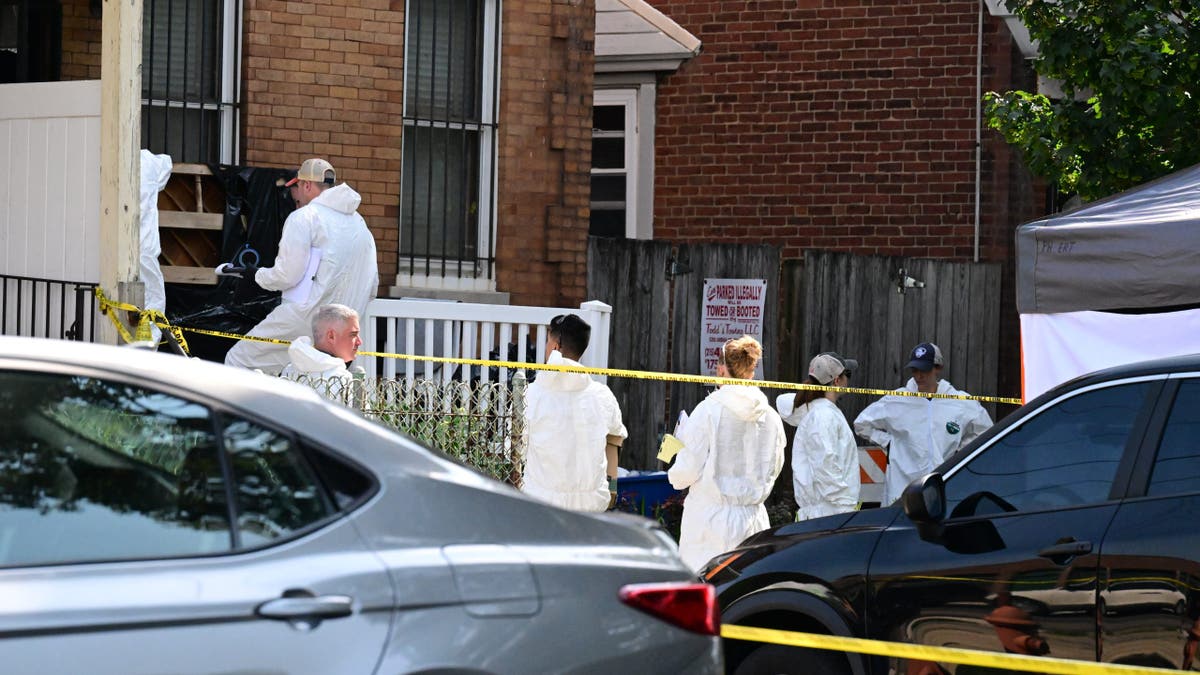
The scale of the evidence recovered from the Horsch residence has shocked seasoned investigators and forensic experts alike. Since executing their initial search warrants, the Philadelphia Police Department, in coordination with the Federal Bureau of Investigation (FBI), has recovered an unprecedented volume of physical and digital evidence.
The Digital Archive
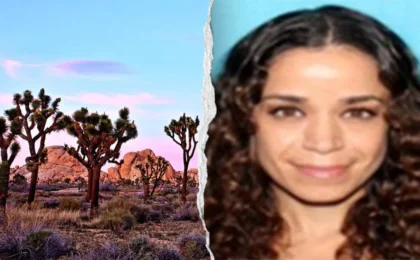
Forensic computer analysts have seized more than one million pieces of digital evidence, including photographs and videos, from the property. As of late July 2026, investigators had reviewed less than a third of this massive cache. Despite having processed only a fraction of the data, authorities have already identified four of the missing women within the images and videos. Two of these victims have been publicly identified by police:
Gabrielle Amarando
Maribel Fresses
The nature of the video files has raised immediate concerns that investigators are dealing with genuine "snuff" films—recordings that depict the actual torture, sexual assault, and murder of victims for commercial or sadistic purposes.
The physical search of the property revealed a highly sophisticated and disturbing setup designed for confinement, torture, and the destruction of biological evidence. Key discoveries include:
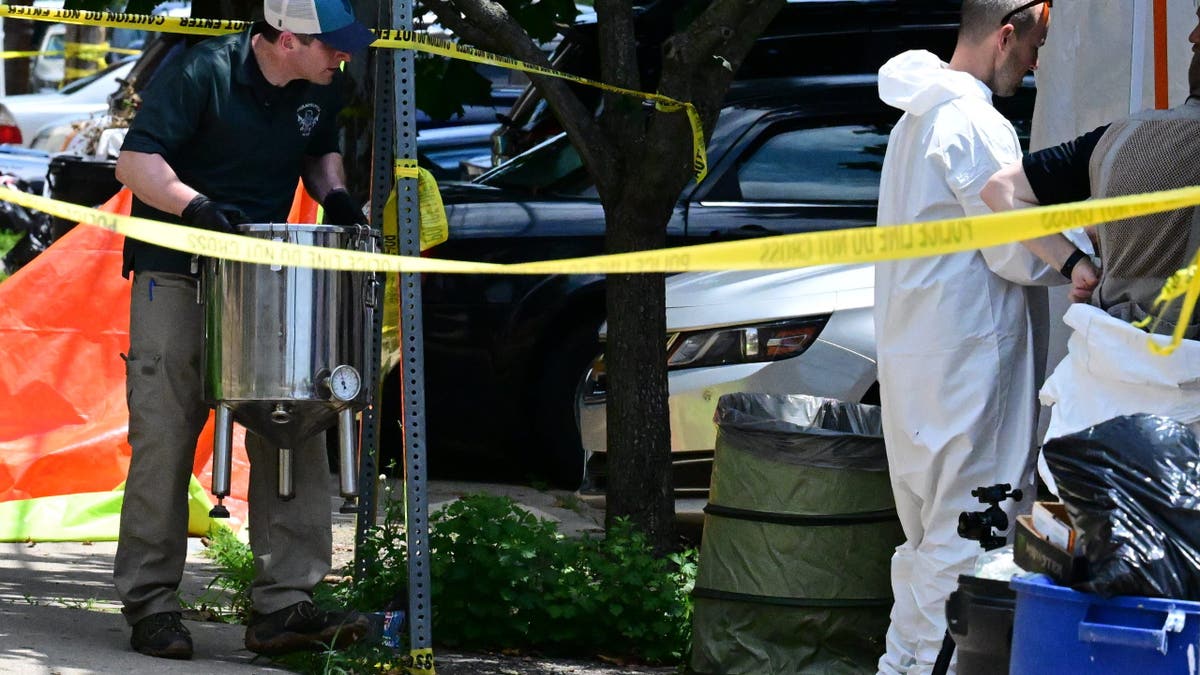
The Chemical Disposal System: Investigators located a large drum of industrial chemicals directly hooked up to the home’s primary water and plumbing system.
The Autoclave: During a mid-July raid, FBI agents were seen removing a large autoclave from the residence. Commonly used in medical and laboratory settings, autoclaves use high-pressure steam to sterilize equipment, a process capable of destroying DNA and biological micro-evidence on tools.
Weapons and Munitions: Large quantities of ammunition, unlawful firearms, and illicit drugs were seized during the initial phases of the search.
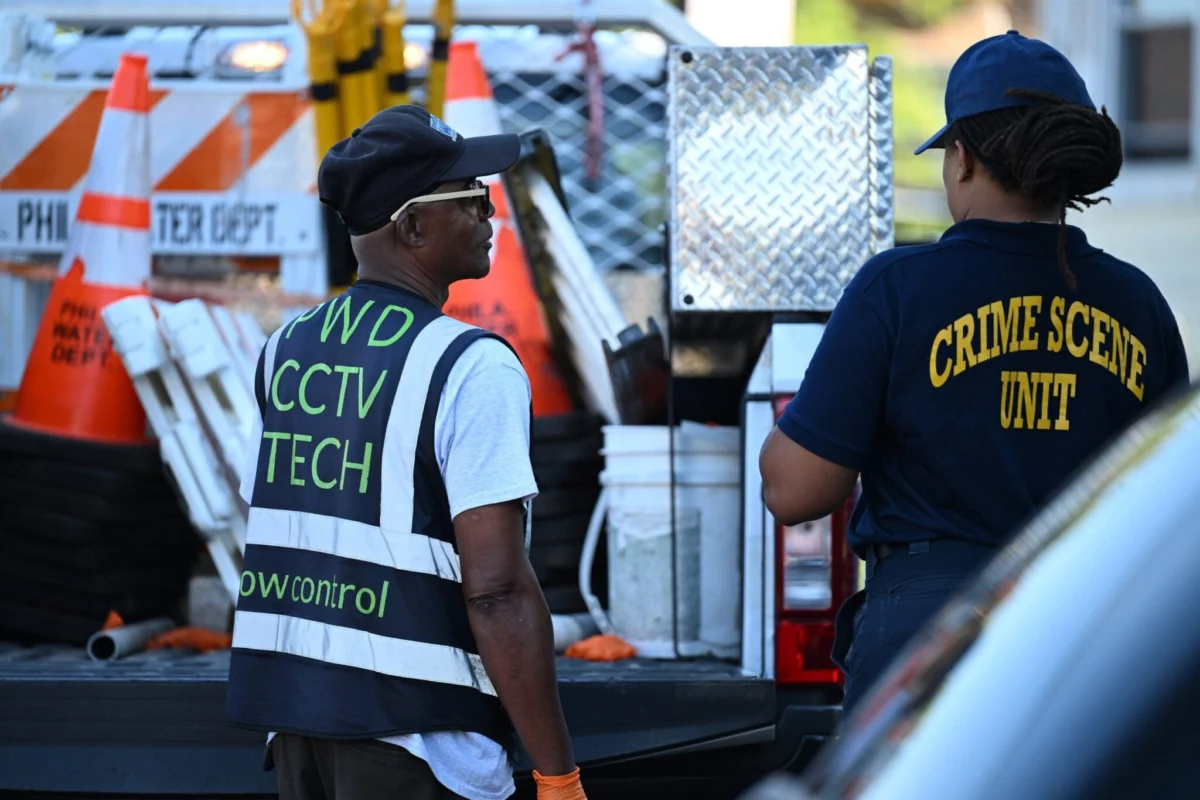
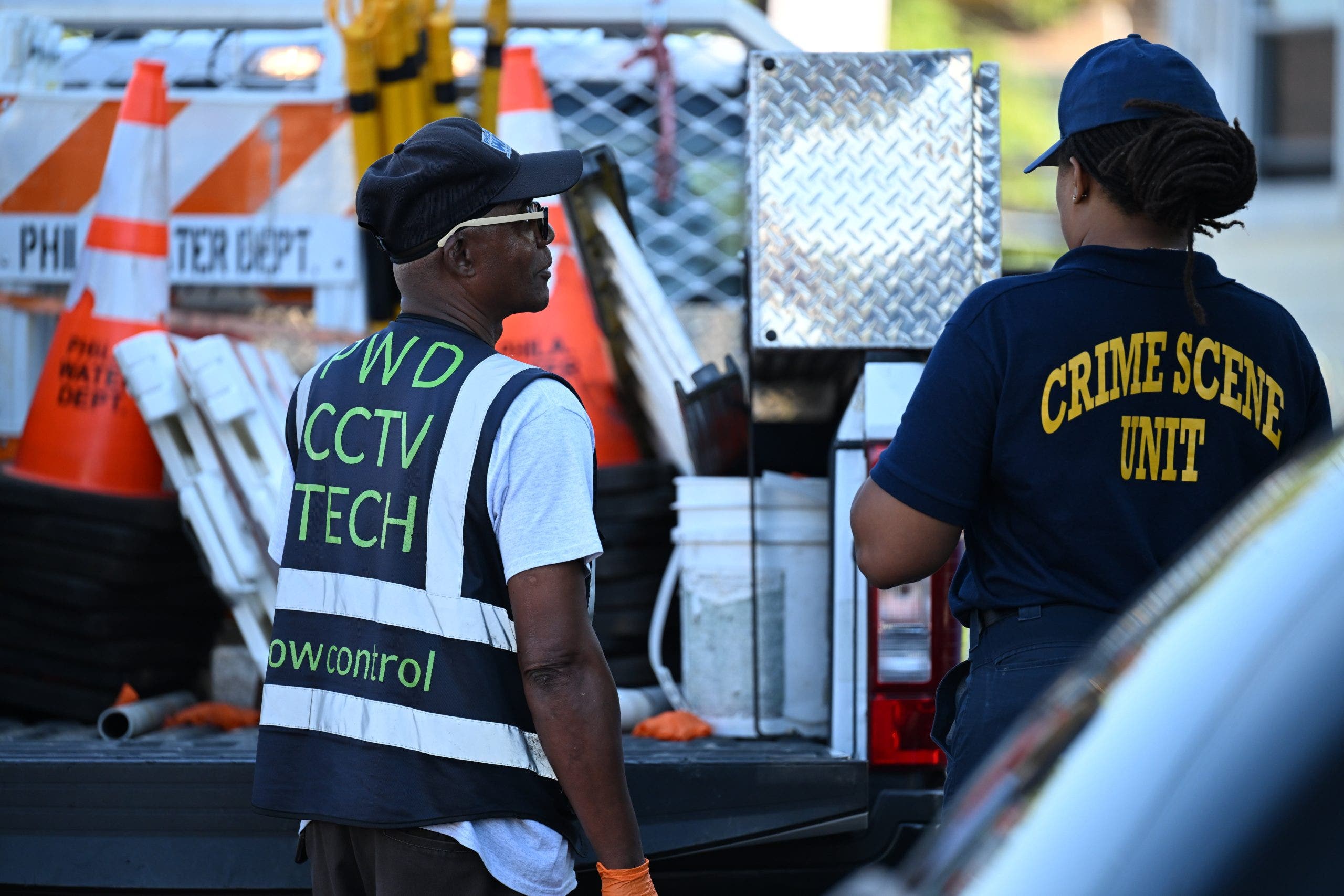
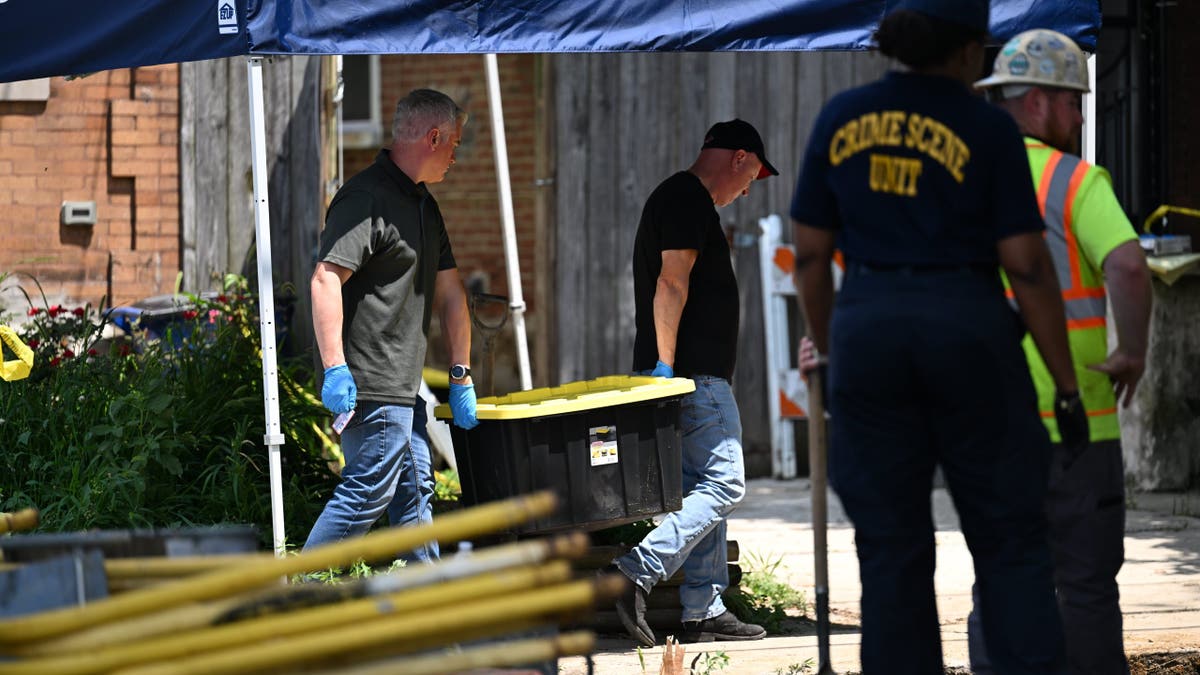
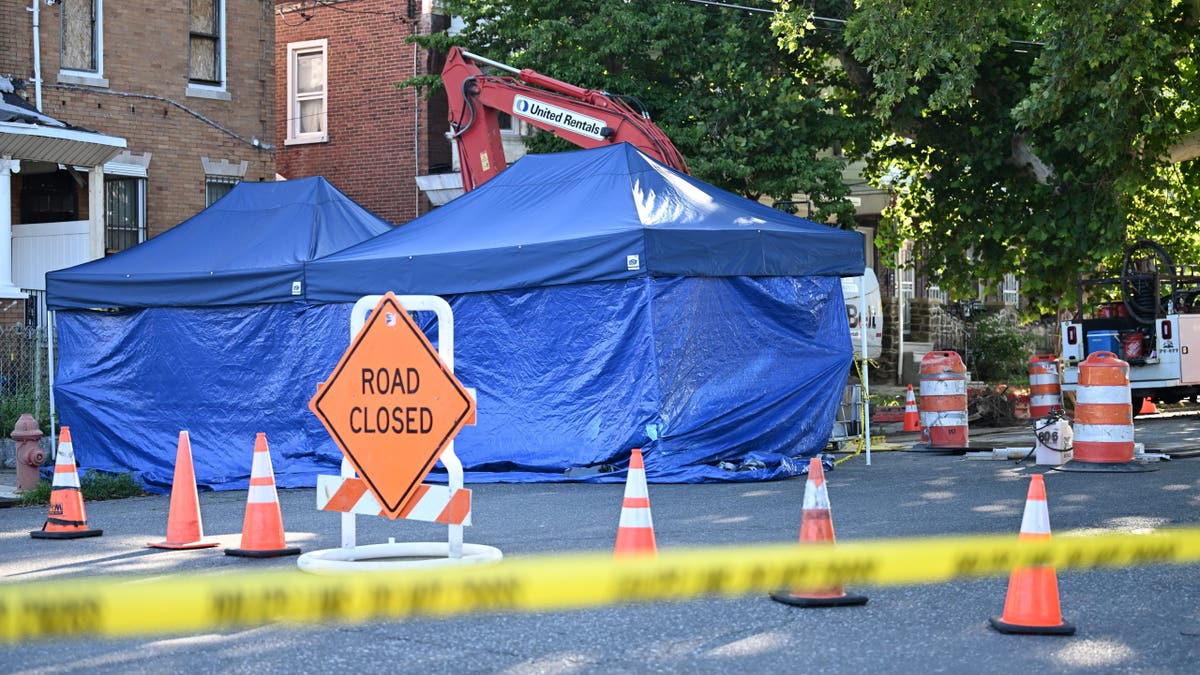
The Sewers and Yard: Heavy machinery and utility crews have been utilized to excavate the backyard and dig into the municipal sewer lines directly beneath and adjacent to the property, searching for human remains, bone fragments, or chemical residues.
Chronology of the Investigation
The unfolding of the Horsch case represents a classic "domino effect" in criminal justice, where a relatively minor arrest cracked open a massive, multi-jurisdictional homicide inquiry.
2026
  │
  ├── June: Eugene Horsch arrested in Center City (drugs, weapons, forgery).
  │         Accompanied by a woman carrying a missing person's ID.
  │
  ├── Late June: Initial search of Chew Ave home reveals chemicals & ammo.
  │
  ├── July 13: FBI joins the search. Agents raid the home, seizing
  │            an autoclave and digital storage devices.
  │
  ├── July 22: Multi-agency excavation begins. Utility crews dig up the
  │            yard and access sewer lines.
  │
  └── July 23: Excavation continues. Public identification of victims
               Gabrielle Amarando and Maribel Fresses.
June 2026: The Center City Arrest
The catalyst for the investigation occurred when Philadelphia police officers arrested Eugene Horsch, 44, in Center City. Horsch was taken into custody on charges involving unlawful possession of firearms, forgery, and narcotics. Crucially, a woman who was in Horsch’s company at the time of his arrest was found to be in possession of identification belonging to a woman who had been reported missing. This discrepancy immediately drew the attention of homicide detectives and missing persons units.
Late June 2026: The Initial Search
Based on the circumstances of Eugene’s arrest and the missing person’s ID, detectives secured search warrants for the Horsch family home on the 400 block of West Chew Avenue in the Olney neighborhood. Inside, officers did not find a typical residence; instead, they encountered stockpiles of ammunition, hazardous chemicals, and evidence of drug manufacturing.
July 13, 2026: The FBI Steps In
Recognizing the potential interstate or serial nature of the crimes, the FBI’s Evidence Response Team joined forces with Philadelphia homicide detectives. On Monday, July 13, federal agents executed a federal search warrant at the Chew Avenue property. It was during this raid that agents were photographed removing the industrial-grade autoclave and boxes of digital storage media.
July 22–23, 2026: The Excavation Phases
By late July, the focus of the physical search shifted from the interior of the home to the surrounding infrastructure. On Wednesday, July 22, and continuing into Thursday, July 23, law enforcement officers, forensic anthropologists, and utility crews began a systematic excavation of the property. Heavy machinery was brought in to tear up the backyard, while specialized crews accessed the subterranean sewer lines to search for dissolved organic matter, bone fragments, or chemical trace elements.
Supporting Data and Family Background
To understand the trajectory of the Chew Avenue investigation, investigators are looking closely at the history of the Horsch family. The residence was previously occupied by Raymond "RC" Horsch, Eugene’s father, who died in 2025 at the age of 82. The elder Horsch possessed a lengthy criminal record and a history of producing highly disturbing, violent media.
The Criminal and Literary Legacy of RC Horsch
Raymond Horsch was a convicted producer of methamphetamines, a background that gave him deep, practical knowledge of industrial chemicals and precursor agents. Beyond his drug manufacturing history, the elder Horsch was a self-published author and producer of brutally themed pornography.
In 2014, Horsch published a novel titled Empathy. The book features a highly detailed, graphic chapter describing how to dissolve a murdered woman’s body using a combination of boiling industrial chemicals—a detail that bears a chilling resemblance to the chemical drum apparatus discovered hooked up to the Chew Avenue home’s plumbing. Following the public revelation of this connection, major online retailers, including Amazon and Goodreads, officially de-listed the book.
The Missing Women
The investigation has formally linked the Chew Avenue property to seven missing persons cases. Based on the digital evidence reviewed so far, authorities believe at least five of these women are deceased. The victims identified in the video files were known to frequent or live in the Philadelphia area, and investigators are working to determine if they were targeted due to vulnerabilities such as substance abuse or involvement in street-level sex work—demographics frequently targeted by serial offenders due to the lower likelihood of immediate police intervention.
Official Responses and Expert Analysis
The horrific details of the Chew Avenue case have prompted responses from both law enforcement agencies and leading forensic experts, who are attempting to map out the psychological profile of the offenders and the potential scope of their crimes.
Law Enforcement Statements
The Philadelphia Police Department and the FBI have maintained a tight lid on specific details to avoid compromising the ongoing digital forensic analysis. However, officials have confirmed that the sheer volume of data—exceeding one million files—means the extraction and analysis phase will take months.
As of late July 2026, Eugene Horsch remains in custody on his initial weapons, drugs, and forgery charges. Homicide charges have not yet been filed, as prosecutors and detectives work to build an airtight case using the digital evidence and any biological remains recovered during the excavation.
Expert Commentary: Dr. Kris Mohandie
Dr. Kris Mohandie, a prominent, board-certified forensic psychologist with extensive experience profiling serial killers and analyzing violent crime scenes, provided a sobering assessment of the discoveries. Dr. Mohandie noted that the intersection of the elder Horsch’s pornography business and the violent nature of the crimes suggests a dual motive: sadistic gratification and commercial profit.
"The fact that the father was involved in the pornographic industry indicates that there may have been, in addition to the sadistic motives that we usually see in serial murders, that there may have been profit in the distribution of so-called snuff films," Dr. Mohandie stated.
He further elaborated on the potential existence of an underground distribution ring:
"This may very well be—in addition to all the heinous alleged crimes that seem to be part of this, you know, abduction, rape, torture, and so forth, things that sadistic offenders will do to victims—there may very well also have been a participation in distributing so-called snuff films to underground networks of people that are into this stuff. It’s scary, and I’m hoping that the investigators are able to resolve some of those questions."
Implications and the Road Ahead
The Chew Avenue investigation carries profound implications for the local community, the field of digital forensics, and the broader fight against underground, dark-web criminal networks.
Forensic Challenges in "No-Body" Homicides
If the physical evidence confirms that the chemical setup was used to dissolve human remains—as described in RC Horsch’s book Empathy—prosecutors may face the challenge of proving homicides without physical bodies. Modern forensic science, however, has evolved to meet these challenges.
Even if a body is dissolved, trace elements of human DNA, unique bone proteins, or dental fragments can survive in sewer pipes, soil, and U-bends. The recovery of the autoclave also suggests that investigators will look for micro-traces of DNA on any tools or implements that the suspects attempted to sterilize.
The Digital Dark Web and Snuff Networks
If Dr. Mohandie’s theories regarding the distribution of these videos are validated, the investigation will expand far beyond Philadelphia. The FBI’s cybercrime units will be tasked with tracing the digital footprint of any distributed media. This involves tracking IP addresses, dark-web forum activity, and cryptocurrency transactions that may have been used to purchase these horrific videos. The case could potentially expose a wider, global network of consumers and producers of extreme, illegal violence.
Community Impact
The Olney neighborhood of Philadelphia, a working-class residential area, has been left reeling by the daily presence of FBI agents, homicide detectives, and excavation equipment. For neighbors, the realization that such horrific acts were potentially occurring in a standard row house on Chew Avenue is a stark reminder of how easily extreme criminality can hide in plain sight behind closed doors.
As the digital forensics team continues to painstakingly review the remaining 700,000-plus files, and as the lab results from the excavated soil and sewer pipes return, the true scale of the Horsch family’s legacy will finally come to light. For now, the city of Philadelphia waits to see how many more missing women will be identified, and whether justice can be secured for the victims of the Chew Avenue house of horrors.