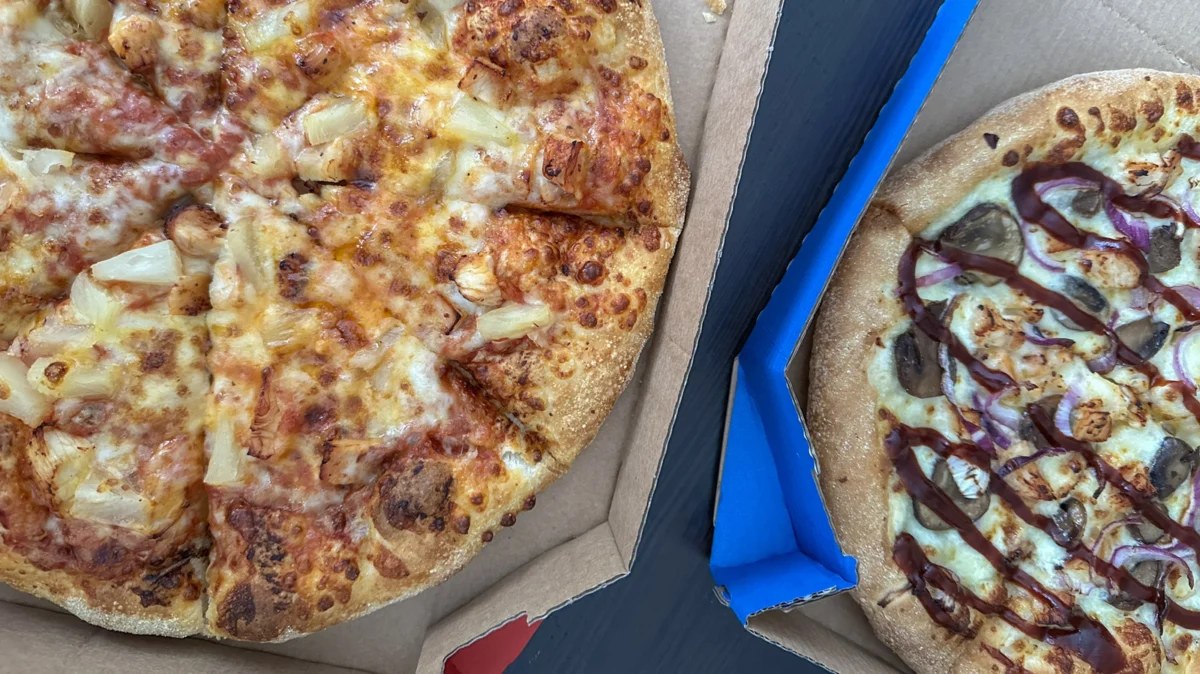
In the modern era of hyper-personalization, the “one-size-fits-all” approach to dining has become a relic of the past. From the precise calibration of a barista’s oat-milk latte to the myriad of ways one can deconstruct a fast-food burger, consumers have grown accustomed to—and expectant of—total control over their meals. Domino’s Pizza, a titan of the global quick-service restaurant (QSR) industry, is no exception. While many patrons are content with standard menu selections, a growing movement of “pizza hackers” has turned the Domino’s ordering process into a high-stakes culinary experiment.
However, transforming a standard chain pizza into a gourmet-adjacent masterpiece requires more than just adding extra toppings. It requires an understanding of kitchen operations, thermodynamics, and the unspoken etiquette of fast-food service.
The Core Philosophy: Why Customization Requires Precision
When you modify a pizza at a high-volume chain, you are essentially requesting an alteration to a standardized assembly-line process. Domino’s kitchens are engineered for efficiency; standard pizzas are designed to reach peak quality within a specific bake time and temperature range.
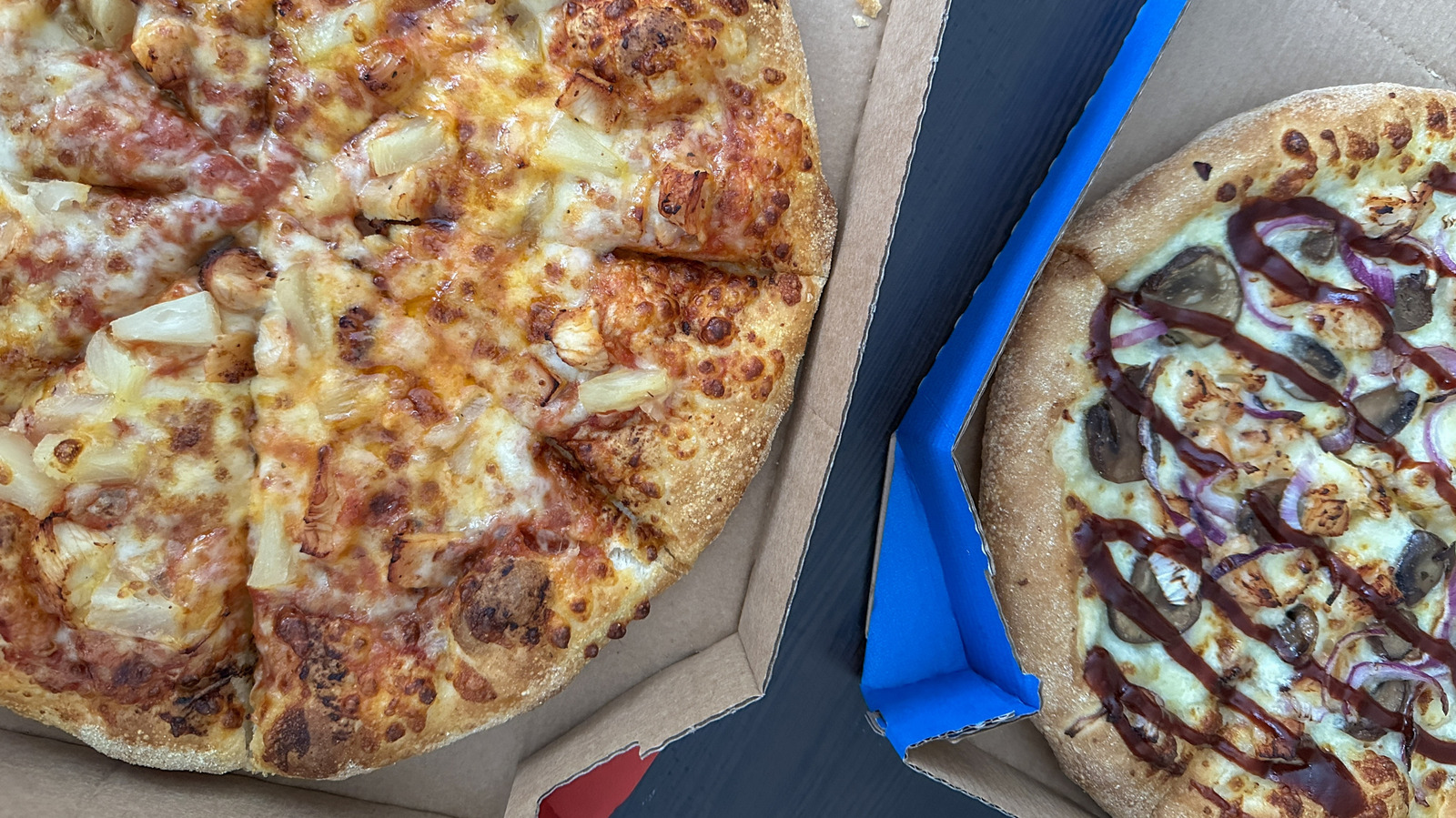
The primary risk of aggressive customization is the “structural integrity” of the pie. Overloading a pizza with high-moisture ingredients or excessive meats can create a “soggy center” phenomenon. Furthermore, if you deviate too far from the standard build, you risk overwhelming the oven’s ability to cook the dough through. To navigate this, seasoned pizza enthusiasts emphasize that every modification must be made with the final bake in mind.
Chronology of the Perfect Order: A Step-by-Step Guide
To ensure your order is handled with the care it deserves, consider the following strategic approach:
1. The Pre-Bake Foundation
Before you even consider toppings, the foundation of your pizza—the crust and the sauce—must be selected with intention. Online discourse consistently points to the "Handmade Pan" crust as the gold standard for structural support and flavor. Unlike thin-crust variants, the pan crust provides a substantial canvas for complex topping combinations.
Regarding the base, don’t feel tethered to traditional marinara. Mixing sauces, such as combining robust tomato sauce with creamy Alfredo, can provide a depth of flavor that mimics higher-end artisanal pizzerias. However, proceed with caution: ensure the sauces have complementary flavor profiles. The goal is to enhance, not to create a discordant mess of conflicting salts and acids.
2. The Ingredient Selection
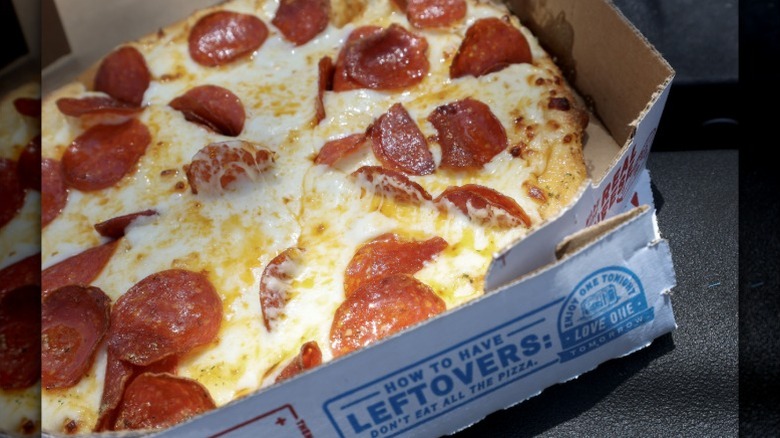
If you find your pizzas lacking in density, the solution is simple: order extra. However, this comes with a caveat. When opting for multiple meat toppings, especially high-fat items like pepperoni, consider the grease output. Excessive oils can lead to a pool of fat in the center of your slice. Experienced customers often recommend using a paper towel to blot the excess, or better yet, opting for a mix of cheeses.
Moving beyond mozzarella, consider requesting a blend of cheddar, provolone, and parmesan. These cheeses have varying melting points and flavor profiles, which, when layered, create a more complex, gooey, and savory bite.
3. The "Well-Done" Strategy
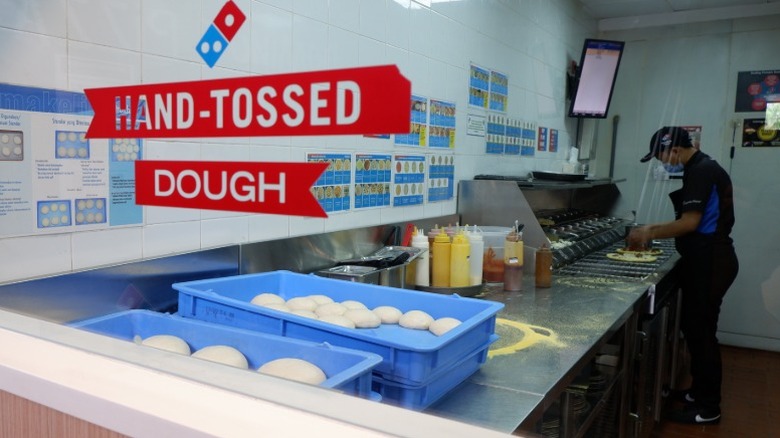
Perhaps the most significant "insider" tip for heavy customizers is requesting the pizza be cooked "well-done." Because Domino’s ovens run on a timer, extra toppings or thicker crusts often result in undercooked dough. By requesting a well-done bake, you provide the extra time necessary for the moisture from those extra toppings to evaporate, ensuring a crispier crust and a more unified flavor profile.
Supporting Data: The Science of Flavor Profiles
The shift toward “gourmet” fast food is backed by an increased consumer desire for bold, unconventional flavors. Garlic has emerged as the clear front-runner in this movement. Whether it is adding minced garlic to the pie or drizzling the chain’s signature garlic oil—typically reserved for the crust—over the entire surface, the addition of allium-heavy aromatics is a proven method to bridge the gap between "chain store" and "pizzeria quality."
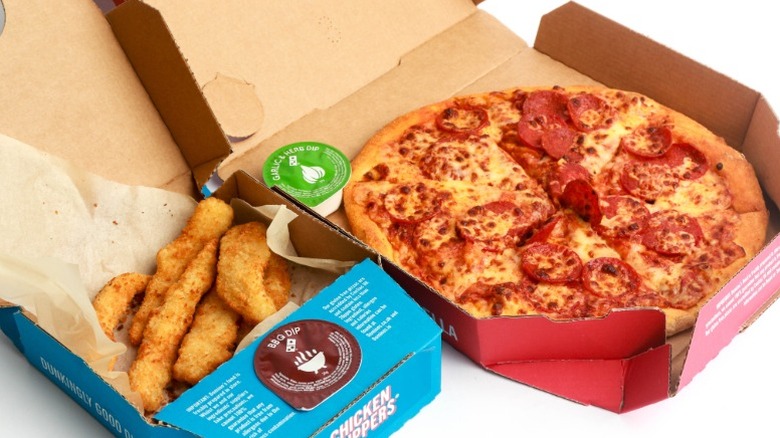
Furthermore, data suggests that the "sides-as-toppings" trend is gaining traction. While not an official menu option in the United States, adventurous eaters have begun incorporating elements like chicken pieces onto their pies. In international markets, such as New Zealand, potato wedges have long been a popular pizza topping. While your local store may not have an automated button for this, a polite inquiry can often lead to a successful, albeit non-standard, custom creation.
Official Perspectives and Operational Reality
It is vital to acknowledge the human element in your ordering process. Domino’s staff members operate under intense time constraints. During peak hours—such as Super Bowl Sunday, Halloween, or a busy Friday night—a complex, highly modified order can be a source of significant stress for kitchen staff.
The Human Element
Employees often note that while the app and website are convenient, they are not always the best vehicle for complex modifications. When you have a nuanced order, calling the store directly or placing the order in person (when the lobby is not swamped) allows for a dialogue with the person actually preparing your food. A polite, appreciative demeanor can go a long way. Some customers report that being a “regular” who tips well often results in a higher level of attention to detail and, on occasion, the unexpected addition of extra toppings or dipping sauces.
The Risks of Over-Customization
When requested to prepare a pizza that defies standard assembly protocols, employees may struggle to deliver a consistent product. An over-topped, "well-done" pizza, for example, is a balancing act. If the oven temperature is too high or the conveyor speed too slow, the toppings may burn before the center of the crust is fully cooked. Understanding these operational limitations is key to managing your own expectations.
Implications: The Future of the "Custom" Consumer
The trend of modifying fast-food orders is more than just a social media fad; it represents a fundamental shift in how consumers interact with global food chains. As artificial intelligence and app-based ordering become more sophisticated, we may see the implementation of more granular customization tools that allow customers to signal specific cooking preferences—such as "extra crispy" or "heavy sauce"—directly through the digital interface, reducing the need for back-and-forth communication.
However, the human element remains paramount. The best-engineered pizza in the world is still subject to the hands of the person at the prep table. By balancing your culinary creativity with an awareness of the kitchen’s capabilities and a respect for the staff’s time, you can effectively navigate the limitations of a chain environment to produce a meal that feels curated, intentional, and significantly more satisfying.
Final Summary for the Discerning Diner:
- Crust Choice: Opt for the Handmade Pan for superior texture.
- Sauce Strategy: Experiment with sauce blends, but stick to complementary profiles.
- The Bake: When in doubt, request "well-done" to handle extra moisture.
- Communication: For complex orders, prioritize phone or in-person communication over app-based inputs.
- Etiquette: Avoid high-stress, peak-volume hours for your most ambitious experiments to ensure the best results.
By following these professional strategies, you move beyond the role of a passive customer and become an active participant in your dining experience, ensuring that every Domino’s order is not just a convenience, but a high-quality meal crafted to your exact specifications.