In an era defined by hyper-convenience, algorithmic suggestions, and the endless scroll of e-commerce, the act of purchasing has become increasingly passive. Consumers are often led by the nose, their choices funneled through the limited inventories of retail giants. However, a growing cohort of mindful consumers is pushing back against this “store-centered” paradigm, adopting a radical, highly effective strategy: self-centered shopping.
This approach flips the traditional retail model on its head. Instead of browsing a store’s inventory to see what is available, the consumer defines their exact requirements before a search even begins. The result is not just a more efficient transaction, but a profound increase in long-term satisfaction and a significant reduction in impulse spending.
The Evolution of the Consumer Mindset
For decades, the standard shopping experience was defined by geography and scarcity. Whether one was visiting a local variety store in rural Oregon or navigating the early days of digital marketplaces, the consumer’s universe was strictly bounded by the inventory at hand. If you needed a wallet, you went to the store, looked at the five or six options on the rack, and picked the "best" one.
This model—what we might call “store-centered shopping”—is essentially a compromise. The shopper settles for the item that is the least offensive or the closest approximation to their needs. Over time, this leads to a cycle of dissatisfaction, premature product failure, and the need for frequent replacements.
The shift toward “self-centered shopping” is a response to the information age. With the world’s inventory now accessible via the internet, the constraint of local availability has vanished. By prioritizing personal needs over marketplace convenience, consumers are finding that they can source products that feel bespoke, even when they are mass-produced.
Chronology of a Shift: The Case of the Wallet
To understand the mechanics of this transformation, consider the lifecycle of a common personal item: the wallet. For over thirty years, the author followed the traditional route. When a wallet wore out, they would visit a department store, browse the display, and select the most functional option available. It was a chore, often met with a sense of dread, as the available choices rarely aligned with the user’s specific habits—such as carrying minimal cash or preferring specific card access.
2019: The Turning Point
When the author’s wallet began to fail in 2019, the fatigue of the traditional search reached a breaking point. Instead of settling for another generic leather bi-fold, a new, rigorous process was implemented:
- Defining the Parameters: The shopper sat down to list exact requirements: slim profile, specific card capacity, and high-durability, non-leather materials.
- The Scout Phase: Using these parameters as a filter, the shopper scoured Amazon, niche travel gear sites, and outdoor retailers.
- The Discovery: After ruling out various minimalist alternatives, the search led to Tom Bihn, a company known for travel-centric design. Their minimalist wallet was a perfect match, offering the desired pocket structure and weight profile.
The result? The shopper found a product that felt as though it were designed specifically for them. This wasn’t just a purchase; it was a solution to a long-standing personal frustration.
Supporting Data: Why Intentionality Works
The effectiveness of self-centered shopping is supported by psychological principles, specifically the "Paradox of Choice." Popularized by Barry Schwartz, this theory posits that while some choice is good, an abundance of choice leads to anxiety, decision paralysis, and lower satisfaction.
The Problem of Over-Choice
When a shopper enters a store with forty or fifty wallets, they are overwhelmed by the sheer volume of options. They compare features they don’t care about, worry about price points, and eventually settle for a product, often leaving with a lingering "what if" feeling.
The Benefit of Narrow Focus
Conversely, when a shopper enters the market with a rigid list of requirements, the number of "viable" options drops dramatically—sometimes to just one. By narrowing the field before the search begins, the shopper eliminates the stress of comparison. Finding the one product that meets all criteria turns the act of shopping into a mission with a clear objective, rather than a disorganized browsing session.
Furthermore, this method has a direct impact on the bottom line. Data suggests that impulse spending is almost exclusively a byproduct of aimless browsing. By defining the "thneed" (the specific item required) before engaging with retailers, consumers remove the window of opportunity for marketing tactics to influence their behavior.
Implications for Consumer Loyalty and Sustainability
One of the most compelling side effects of self-centered shopping is the development of extreme product loyalty. When a consumer puts in the work to find the perfect item, that product earns a level of trust that a generic purchase never could.
The Loop of Loyalty
Once a perfect match is found, the consumer is unlikely to return to the market for that category again. When the item eventually wears out, they simply replace it with the exact same model. This creates a sustainable, long-term relationship between the consumer and the manufacturer.
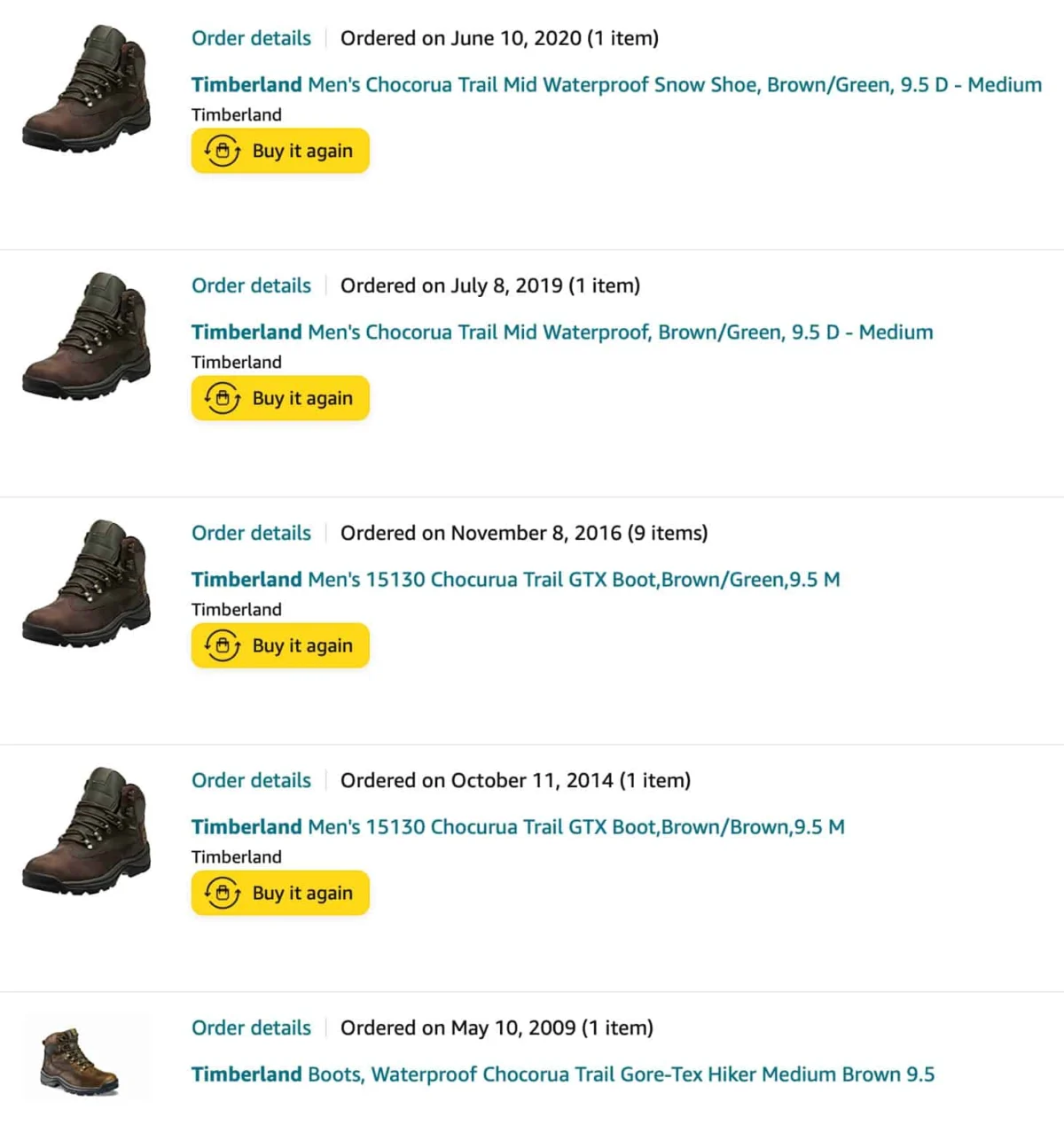
Consider the author’s experience with Timberland Chocorua hiking boots. By finding a model that perfectly suits their foot shape and activity level, they have been able to keep a reliable pair in rotation for over fifteen years. This is not just loyalty; it is an efficient, low-waste approach to material consumption.
A Desk of One’s Own
This philosophy extends beyond small accessories. When the author relocated to Corvallis, they applied the same rigorous criteria to their workspace. Instead of buying a mass-market desk from a big-box retailer, they spent weeks researching dimensions, ergonomics, and material quality. The resulting L-shaped desk is now a pillar of their productivity. Items that were acquired via the old "whatever is available" method—like a secondary monitor or a generic pencil sharpener—are now viewed as placeholders, slated for replacement through the same intentional, self-centered process.
Toward a Philosophy of "Sparking Joy"
While the term "self-centered" might initially sound selfish, in the context of consumption, it is simply a synonym for "mindful." It is an acknowledgment that our time, our workspace, and our tools are extensions of our personal efficiency and well-being.
As the author notes, quoting Marie Kondo, the goal is to ensure that the items we surround ourselves with "spark joy." When we buy items that are perfectly suited to our needs, they stop being mere objects and become tools that enable our best work and daily activities.
Key Takeaways for the Modern Shopper:
- The Index Card Rule: Before searching for a product, write down the essential requirements. If the item doesn’t meet the criteria, don’t buy it.
- Embrace Patience: The perfect item might not be in the first store you visit. It might not even be on the first website. The ability to wait for the right match is a financial superpower.
- Prioritize Quality: When you find the perfect product, be willing to pay a premium. The cost-per-use of a high-quality item that lasts years is significantly lower than a cycle of buying cheap, unsatisfactory replacements.
Ultimately, the transition to self-centered shopping is a transition from being a consumer who is "sold to" to a consumer who "selects." It is a move away from the noise of the marketplace and toward a life defined by intentional, high-quality, and deeply satisfying ownership. In a world of infinite options, the most radical act is knowing exactly what you want—and refusing to settle for anything less.