In the crowded landscape of modern indie gaming, where platformers often struggle to find a unique identity amidst a sea of retro-inspired pixel art and precision-heavy twitch mechanics, Croak has emerged as a beacon of artistic and mechanical synergy. Developed by Woodrunner Games, Croak is a title that feels simultaneously nostalgic and entirely fresh—a feat achieved through a marriage of rigorous design iteration and high-fidelity, hand-drawn animation.
Following a successful demo launch, the game has turned heads for its fluid, elastic physics and a central grappling hook mechanic that manages to feel both intuitive and deeply challenging. To understand how a project transitions from a humble "fat duck" concept to a polished, hand-animated platformer, we spoke with Max Petroff, CEO and co-founder of Woodrunner Games, and lead animator Tina Nawrocki, a veteran whose fingerprints are all over the industry’s most celebrated modern animation, including the critically acclaimed Cuphead.
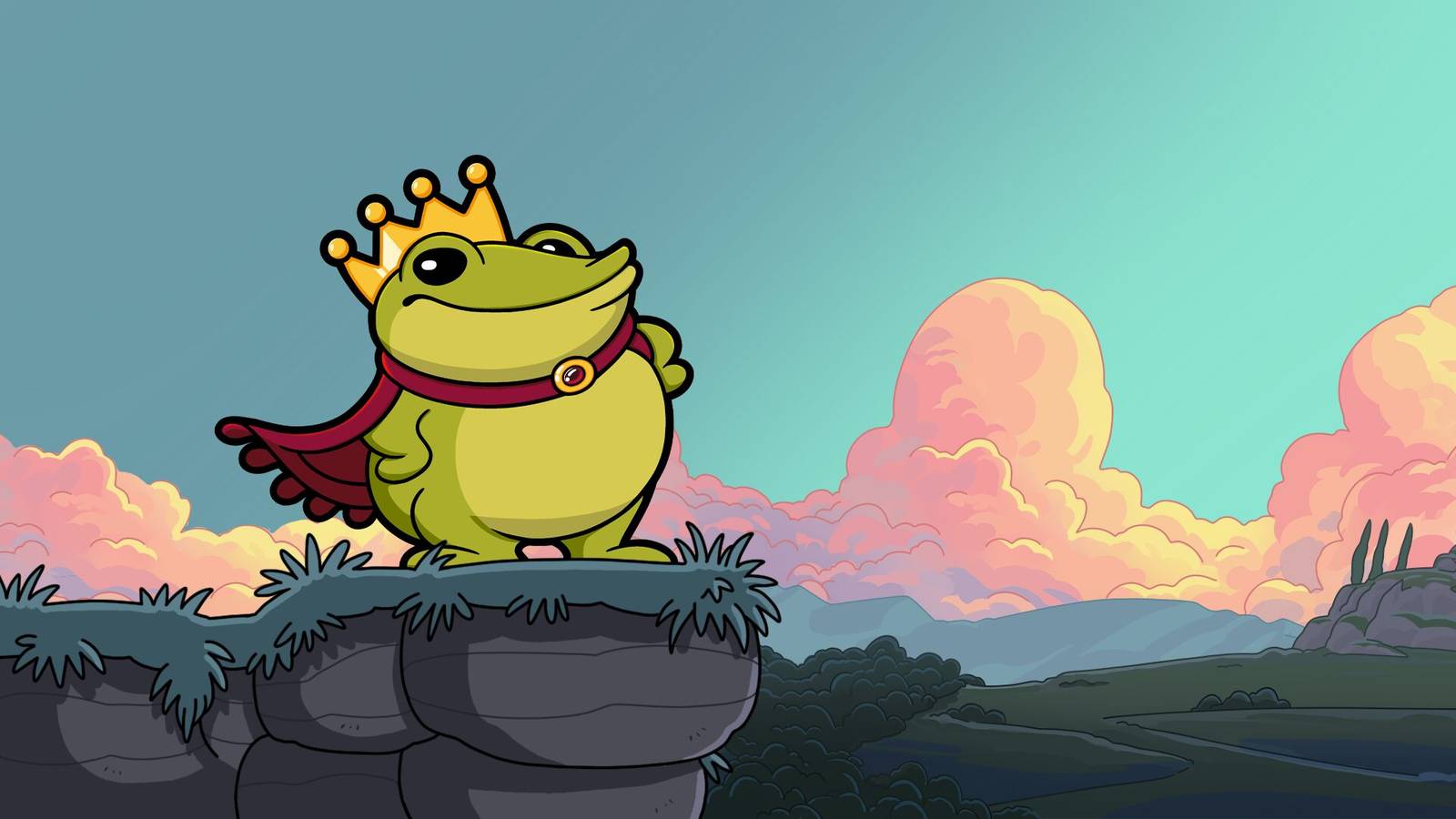
The Genesis: From Quack to Croak
The origins of Croak were not born from a singular, divine spark of inspiration but rather from a studious immersion in the platforming genre. Petroff notes that the team’s foundation was built on the pillars of gaming excellence: Super Mario World, the grueling, creative output of the Kaizo community, and modern indie touchstones like Celeste and Super Meat Boy.
"We wanted to do our own version of those experiences," Petroff explains. "We knew we wanted to focus on precision platforming, but we wanted to avoid the bloat of power-ups. We wanted one core mechanic and to push that to its absolute limit."
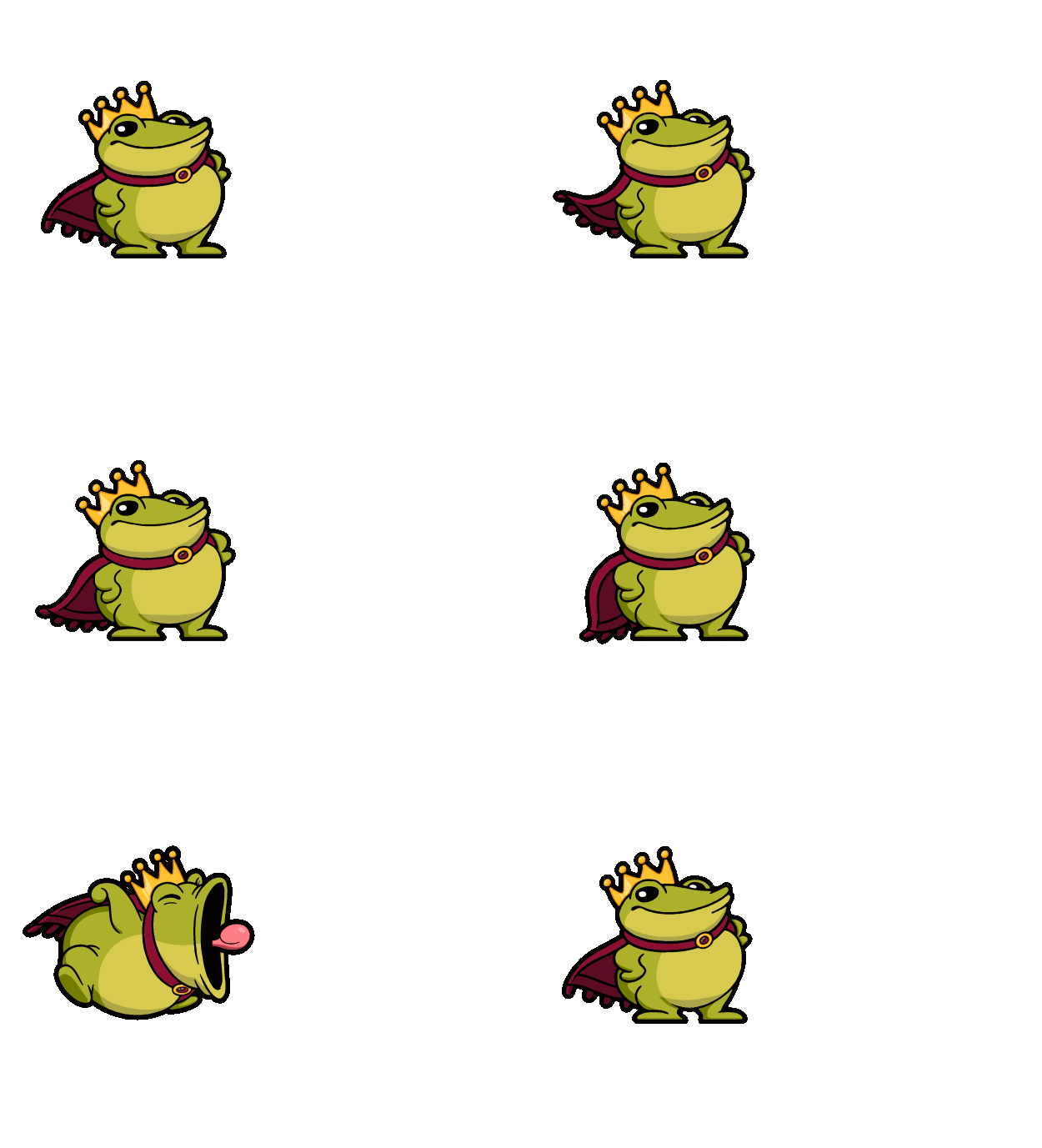
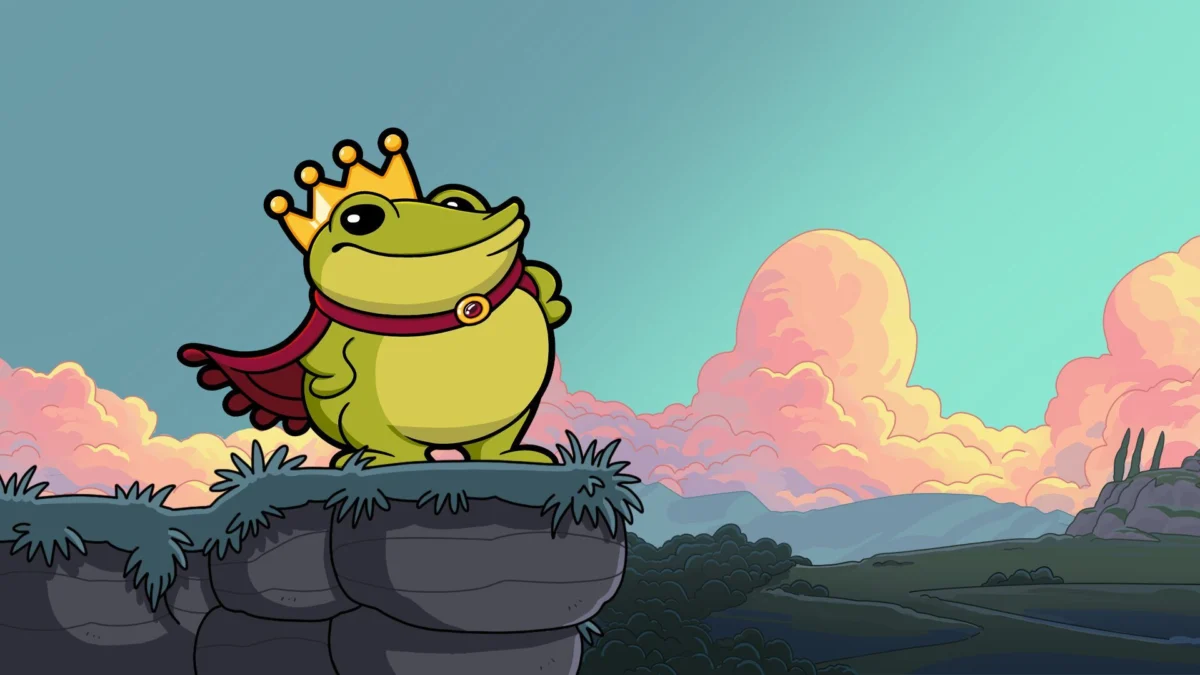
However, the game that players see today bears little resemblance to its initial prototype. In its earliest iteration, the project was titled Quack. The protagonist was a pudgy duck, and while the core dash mechanics were similar to the current game, the soul of the experience was missing. The shift from a waterfowl to an amphibian occurred when the team began exploring the potential of a tongue-grapple mechanic. Once they embraced the "Frog Prince" trope, the game’s identity solidified. The frog—an inherently squishy, elastic creature—provided the perfect visual and mechanical metaphor for a game centered on momentum and recoil.
Chronology of a Design Evolution
The development of Croak is a case study in "design-led evolution," where art and mechanics inform one another in a constant, iterative feedback loop.

Phase 1: The Duckling Prototype
Initially, the team relied on placeholder assets, experimenting with pixel art and even 3D models. It was only when they encountered professional-grade hand-drawn animation that they realized the game’s true potential. The switch to hand-drawn 2D animation was a pivotal moment, demanding a level of artistry that eventually led them to recruit Tina Nawrocki.
Phase 2: The Animator’s Influence
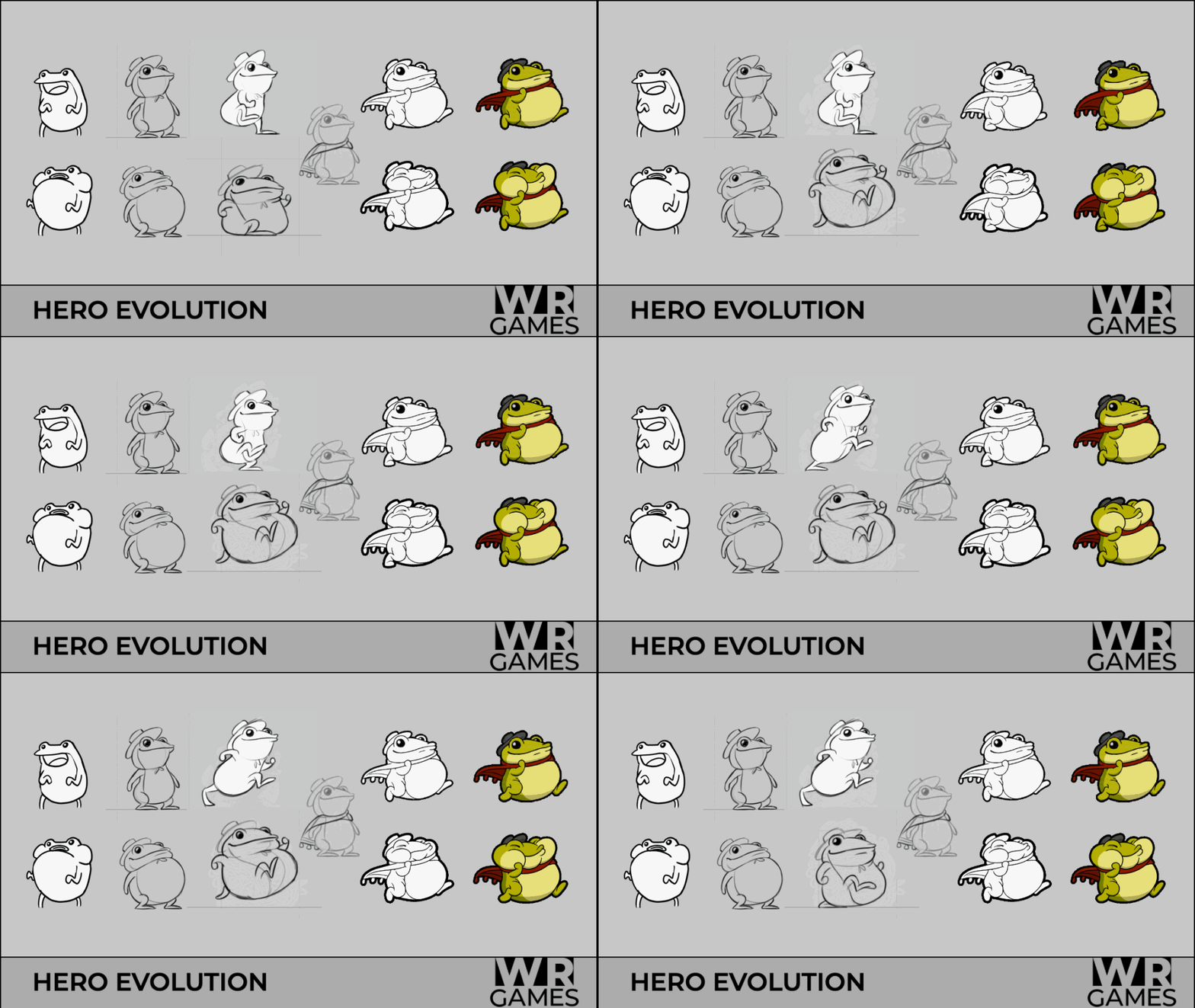
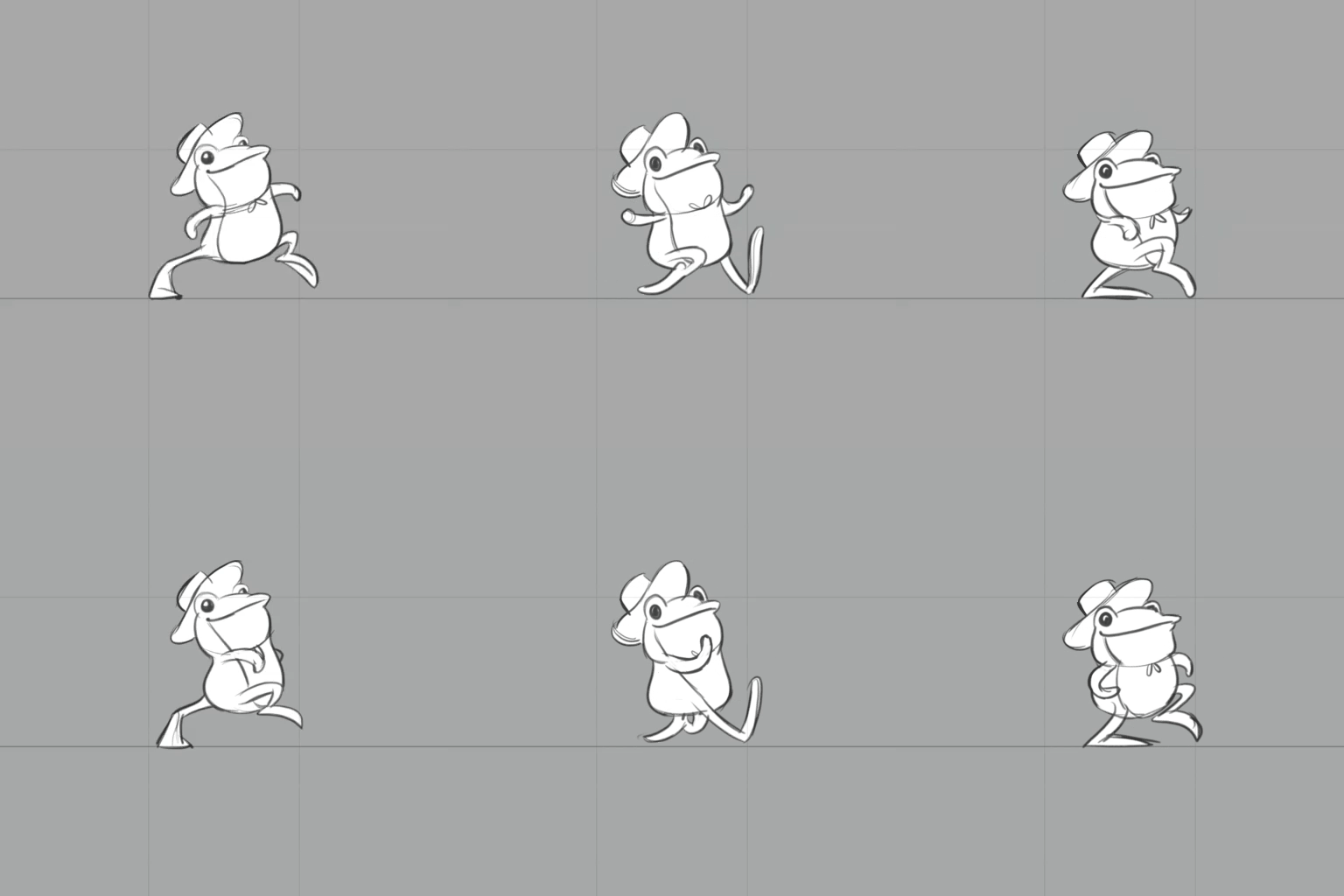
Nawrocki, who initially joined as a consultant to oversee animation quality, eventually took on the role of primary animator for nearly the entire game. Her influence was profound. "It wasn’t a frog to begin with—it was a duck," Nawrocki recalls. "I think the tongue-grapple mechanic was the clincher to change the design. Once we had a frog, we started with a Western-style character, but then we decided to lean into the fairy-tale aesthetic. We went for the OG: the Frog Prince."
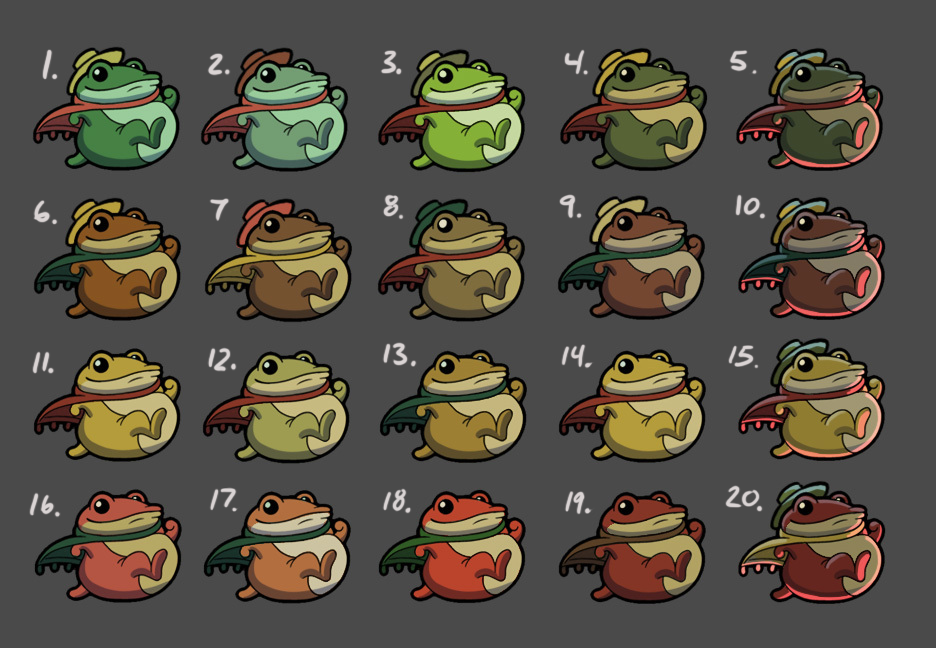
Phase 3: The "Squash and Stretch" Philosophy
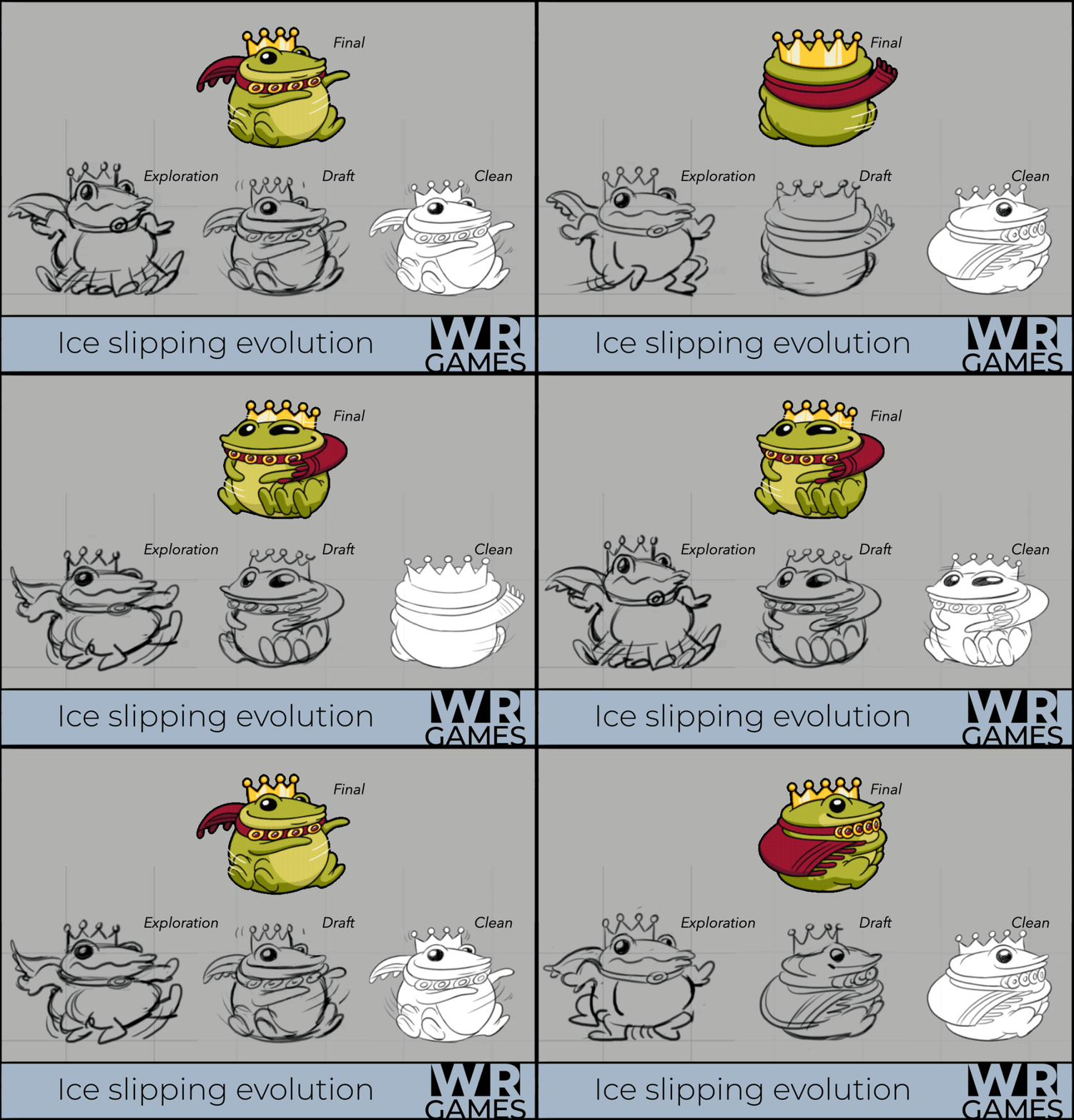
The game’s aesthetic is heavily influenced by 1930s animation styles, characterized by an exaggerated "squash and stretch" technique. This wasn’t just a stylistic choice; it became the game’s defining mechanical feature. Because the characters were designed to look "pudgy," the story shifted to include food-based themes, creating a symbiotic relationship between the game’s narrative and its visual language.
Supporting Data: The Mechanics of "Juice"
The satisfaction of a platformer often comes down to "juice"—the collection of screen shakes, freeze frames, and particle effects that signal to the player that an action has been executed correctly. Petroff explains that the team used unit-based level design, measuring the frog’s jump height and dash length in precise increments, to ensure that every movement felt intentional.
The "super-bonk" mechanic—a high-velocity recoil that functions like a pinball system—was a breakthrough. Originally, the team struggled to convey to players that they couldn’t reach certain platforms by jumping alone. By extending the recoil distance and adding distinct visual cues, they transformed the movement into a core gameplay pillar.
"We saw the same mechanic without the juice—no screen shake, no squishy animation—and it wasn’t satisfying at all," Petroff says. "It was fascinating to see how much of the ‘fun’ was actually just the visual feedback."

Official Perspectives: Trusting the Creative Process
One of the most striking aspects of Woodrunner Games’ approach is their decentralized, trust-based hierarchy. In an industry where "crunch" and micromanagement are often cited as the banes of creativity, Petroff and Nawrocki describe a environment of mutual respect.
"Creativity flows more freely in the indie space," Nawrocki observes. "In large legacy studios, there is a rigid script and a hierarchical concept phase. But here, if we find a cooler solution to a problem, we can implement it immediately. It’s a ragtag team where the vision is allowed to breathe."
Petroff mirrors this sentiment, emphasizing the importance of the community. Through their Discord, the team allows players to playtest early, gray-box builds of the game. "We’re so focused on the mechanics that we sometimes forget the basics," Petroff admits. "Our community has caught things we missed, like suggesting that flowers should throw the player in a pinball-like arc. It’s about being open to changing the plan when a better idea presents itself."
Implications for the Future of Platformers
As Croak approaches its 2026 release, the question remains: Can it stand alongside the titans of the genre? The ambition is clear, yet the team remains grounded. While Petroff admits he is still looking for that one final "iconic" element to make the character truly unforgettable, Nawrocki is more confident.
"The elevator pitch is literally: it’s a fat frog," Nawrocki says. "That’s all I have to say. Everybody’s like, ‘I’m buying it.’"
The implications of Croak for the wider indie market are significant. It serves as a reminder that the best platformers are not necessarily those with the most complex systems, but those with the most cohesive ones. By aligning hand-drawn animation with tight, physics-based movement, Woodrunner Games has created a title that feels like a classic from the moment the player picks up the controller.
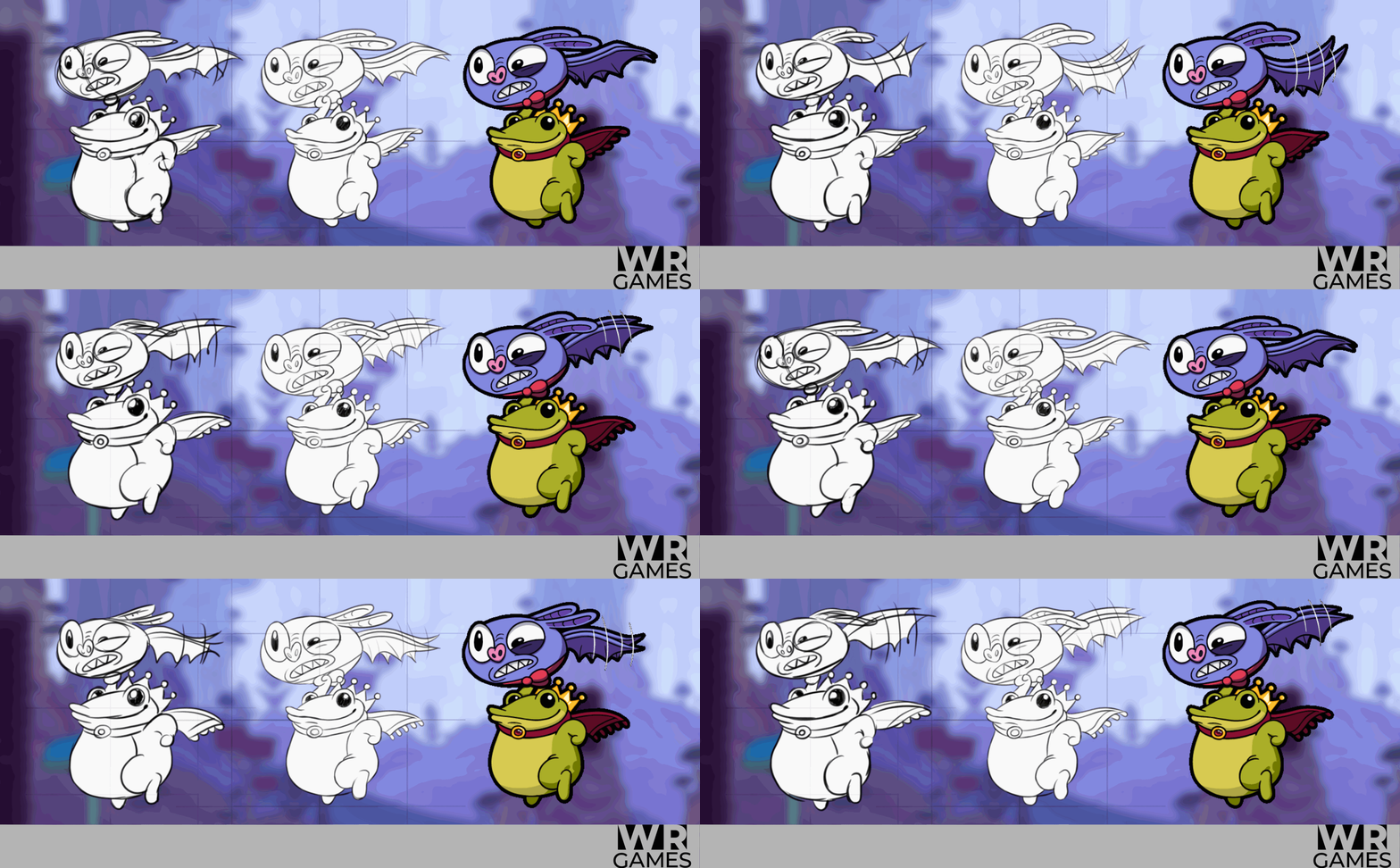
For now, the studio continues to refine the fourth biome and polish the character animations. Whether or not Croak achieves the legendary status of a Mario title, it has already achieved something arguably more important: a distinct, joyful identity that stands out in a crowded market.
For those eager to experience this evolution firsthand, the demo is currently available on Steam, offering a glimpse into the work of a team that knows exactly how to balance professional rigor with the chaotic, beautiful freedom of independent development. As we look toward 2026, the industry would do well to watch this "fat frog"—he may just be the next great icon of the platforming genre.