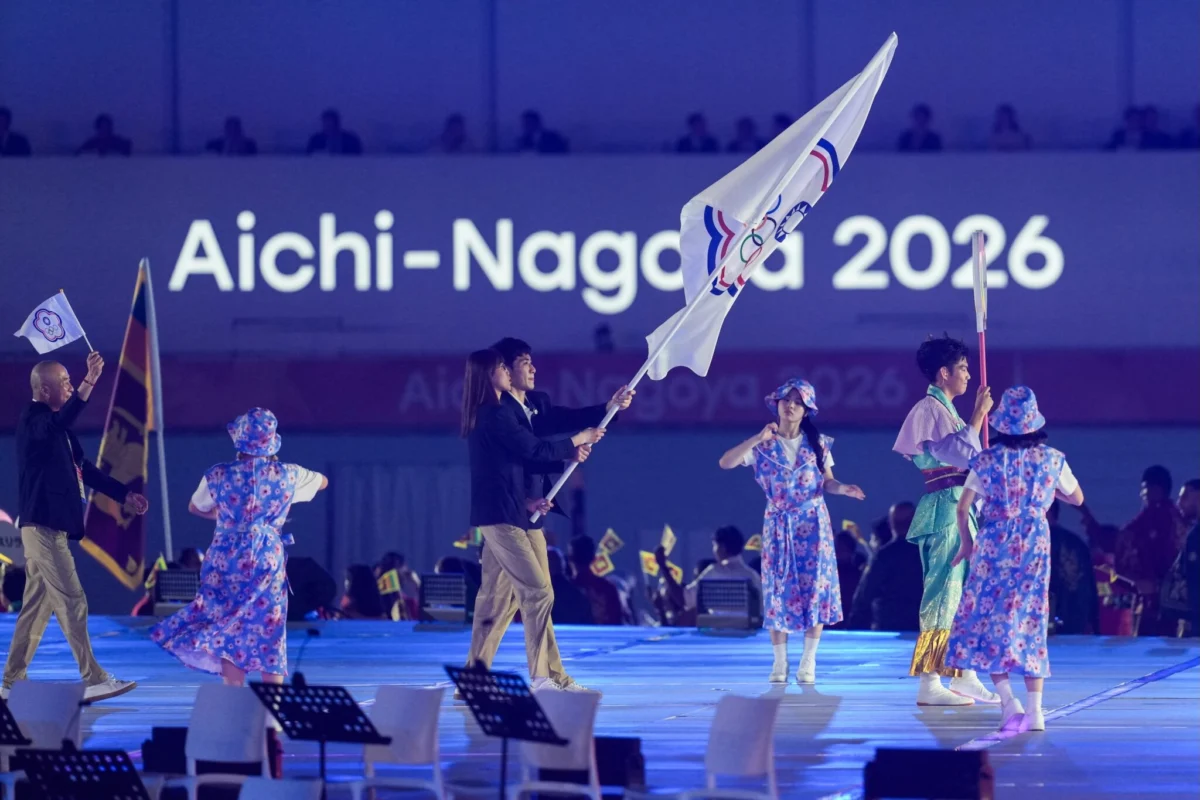
The global sporting calendar has shifted its focus to the heart of Japan, as the Aichi Prefecture hosts the 2026 Asian Games. Marking the 20th iteration of this prestigious quadrennial event, the Games have transformed Nagoya into a vibrant hub of athletic excellence, cultural exchange, and international competition. From September 19 through October 4, nearly 20,000 athletes from across the continent are vying for glory, showcasing the pinnacle of human performance in 43 diverse disciplines.
The Magnitude of Aichi-Nagoya 2026: Main Facts
The 2026 Asian Games are more than just a series of athletic contests; they represent a massive logistical undertaking and a celebration of Asian unity. With 43 sports spanning everything from traditional track and field to high-stakes team sports like cricket and swimming, the competition is arguably the most significant sporting event in the region outside of the Olympic Games.
The Games are centralized in Nagoya, a city known for its industrial prowess and rich history. The choice of Aichi Prefecture as the host location underscores Japan’s ongoing commitment to fostering international relations through sport. As the 20th edition, the event serves as a milestone, reflecting the growth and evolution of Asian sports over the past decades.
The caliber of talent on display is truly world-class. Among the competitors are global icons whose names have become synonymous with victory on the international stage. Notable participants include Chinese swimming phenom Pan Zhanle, whose dominance in the pool has redefined record-breaking, and Filipino gymnastics sensation Carlos Yulo, whose technical precision continues to set the standard in his discipline. Additionally, the presence of the Indian men’s cricket team—a powerhouse currently holding the T20 World Cup, Champions Trophy, and Asia Cup titles—highlights the immense stakes involved in this tournament.
A Chronological Breakdown of the Competition
The schedule for the 2026 Asian Games is designed to sustain momentum from the opening ceremonies through to the final medal presentations.
- Opening Phase (September 19 – September 26): The initial week focused heavily on high-energy team sports, preliminary heats in swimming, and early-stage combat sports. This period set the tone for the Games, allowing nations to establish early medal counts.
- The Mid-Games Surge (September 27 – October 1): This window marked the beginning of high-profile individual events. For instance, the women’s tennis tournament, featuring the celebrated Filipino star Alexandra Eala, commenced on September 27. This period has seen intense competition across track and field, with athletes pushing their physical limits in the quest for the podium.
- The Closing Stretch (October 2 – October 4): As the event nears its conclusion, the focus shifts to the finals of major team sports and the highly anticipated marathon and relay events. The closing ceremony on October 4 will not only celebrate the winners but also pass the torch to the next host city, symbolizing the continuity of the Asian sporting spirit.
Supporting Data: Infrastructure and Global Reach
The success of an event of this scale is measured by more than just medal tallies; it is measured by accessibility. Millions of viewers across the globe are tuning in to watch the action.
Broadcasting rights have been secured by major regional players to ensure that fans can witness the history-making moments. In China, CCTV5 remains the primary destination for coverage. In Malaysia, RTM is providing comprehensive broadcast access, while Singapore’s MeWatch and South Korea’s KBS and SBS are ensuring that fans in those nations do not miss a second of their respective national teams’ progress.
For viewers in the United States, the barrier to entry has been lowered significantly. Through platforms such as Willow TV—accessible via Sling or Amazon Prime Video—American audiences are gaining unprecedented access to international cricket and a host of other sports. With the integration of streaming technology, the 2026 Asian Games have become the most "digitally accessible" edition in history, allowing fans to watch on everything from smart TVs to mobile devices while on the go.
Official Responses and Strategic Hosting
The Aichi-Nagoya Organizing Committee has emphasized that the 2026 Games are built on the pillars of sustainability and inclusivity. Government officials in Japan have highlighted the infrastructure improvements made to the region, which will serve as a lasting legacy for the citizens of Nagoya long after the athletes have departed.
International sporting bodies have praised the organizational efficiency of the event. In a recent press briefing, representatives from the Olympic Council of Asia (OCA) noted that the 2026 Games have effectively navigated the post-pandemic landscape of international travel and logistics, setting a new benchmark for future continental events. The emphasis has been on "Smart Games," utilizing advanced data analytics for crowd management and real-time broadcasting optimizations to ensure a seamless experience for both attendees and digital spectators.
Implications for the Future of Asian Athletics
The 2026 Asian Games serve as a critical proving ground. Many of the athletes competing in Nagoya are using this stage to fine-tune their performance ahead of future Olympic cycles. For emerging talents, the Games provide the necessary pressure and competitive environment to transition from regional prospects to global stars.
Furthermore, the integration of cricket—a sport with a massive, dedicated following—into the Games signals a shift in the event’s strategy. By embracing sports with deep cultural roots in the participating nations, the Asian Games are reinforcing their relevance in an increasingly fragmented media landscape.
The economic implications for the host region are also substantial. The influx of international visitors and the global media attention provide a significant boost to the local economy of the Aichi Prefecture. Beyond the immediate financial impact, the Games serve as a marketing tool, promoting Japan’s tourism and cultural heritage to a global audience.
How to Follow the Action: A Practical Guide for Viewers
For those looking to engage with the remaining days of the competition, the digital landscape offers several pathways.
Utilizing VPNs for International Coverage
Because broadcast rights are localized, many viewers use a virtual private network (VPN) to access official streams from host countries. Services like ExpressVPN allow users to mask their IP addresses, effectively "appearing" to be in Malaysia, Singapore, or China to unlock free, high-quality streams from broadcasters like RTM or MeWatch. This has become a preferred method for fans who want to watch specific regional commentary or coverage not available through standard U.S. channels.
The Willow TV Advantage
In the United States, the most straightforward path remains a subscription to Willow TV. Known primarily for its deep commitment to international cricket, Willow has expanded its scope for these Games. Whether accessed through a standalone Amazon Prime Video channel or as part of the Sling Desi Binge Plus package, viewers are provided with extensive live coverage and, crucially, an archive of event replays. This is particularly valuable for those living in time zones that make live viewing of certain events difficult.
Conclusion: A Legacy in the Making
As the 2026 Asian Games draw to a close, the focus turns to the individual stories of triumph and perseverance. Whether it is a gold medal performance on the track or a nail-biting finish in the cricket arena, these Games have successfully unified a diverse continent under the banner of athletic competition.
The 20th Asian Games will be remembered not just for the records broken or the medals won, but for the way they brought the world of sport into the living rooms of millions. As the final whistle blows in Nagoya on October 4, the lasting impact will be felt in the renewed interest in regional sports and the continued development of the next generation of Asian athletes. Whether you are a casual fan or a dedicated sports enthusiast, the final days of the Games offer one last opportunity to witness history in the making.
Disclaimer: If you purchase an independently reviewed product or service through a link on our website, Variety may receive an affiliate commission. Prices and availability are subject to change.