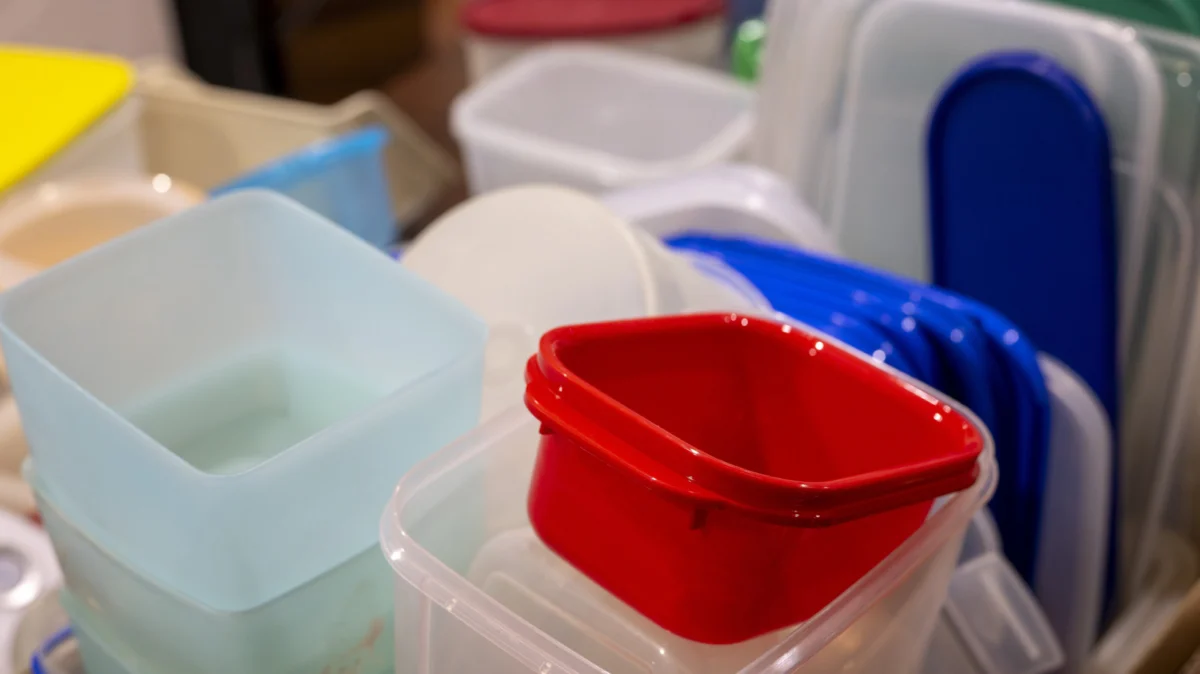
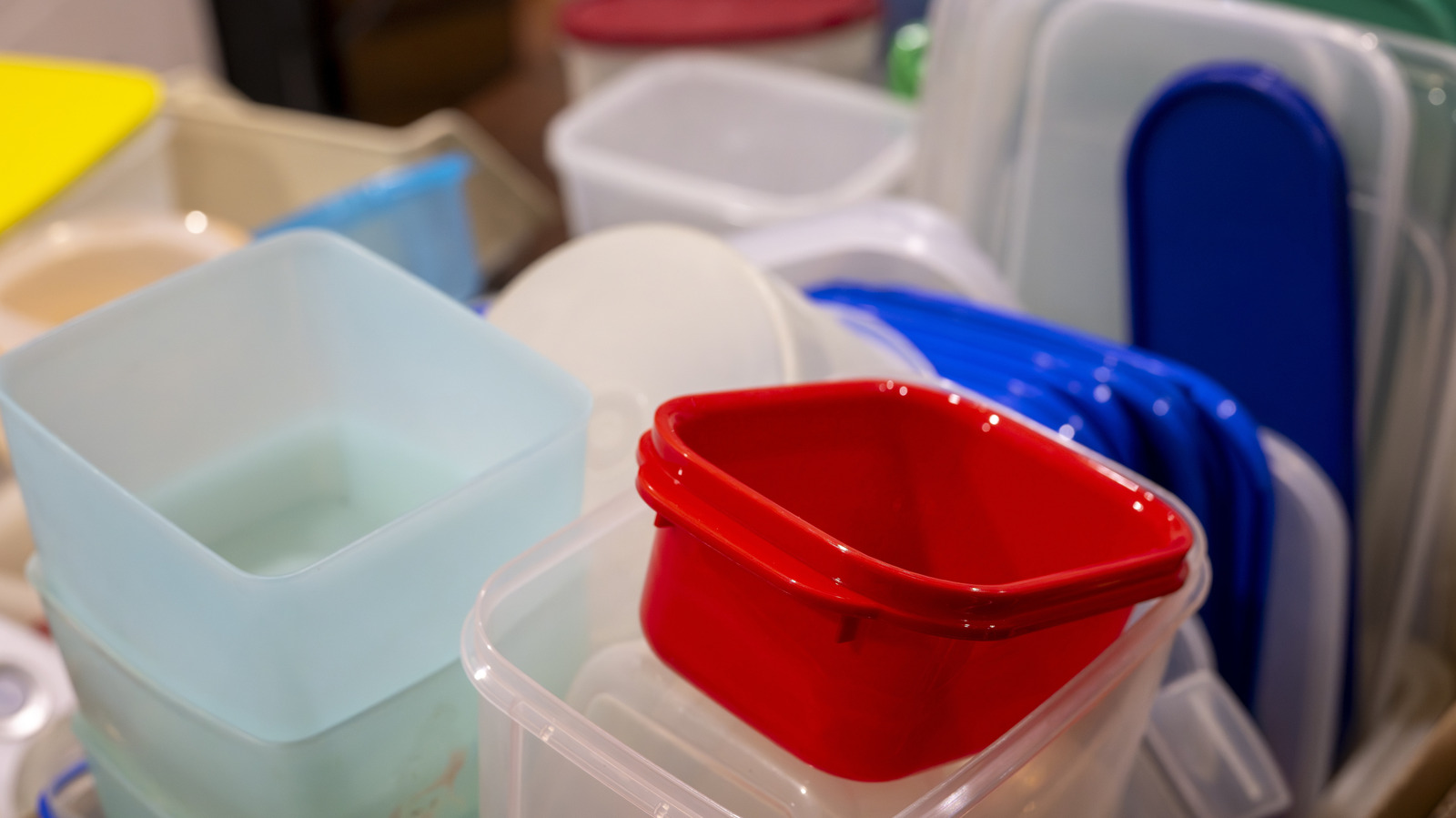
In the modern culinary landscape, the kitchen serves as the heart of the home, but for many, it also functions as a source of significant domestic frustration. Among the most pervasive problems faced by home cooks is the "Tupperware abyss"—that chaotic jumble of plastic and glass food storage containers that seems to expand and multiply regardless of how neatly one attempts to stack them. While the bases of these containers often nest efficiently, their lids remain a stubborn, slippery nuisance, frequently sliding, falling, and creating a cluttered mess that turns a simple task like packing leftovers into a frantic search mission.
However, a deceptively simple solution has emerged from the world of DIY home organization: the humble tension rod. Long used for hanging curtains in spaces where drilling is not an option, these adjustable spring-loaded bars are being repurposed to transform cluttered kitchen drawers into streamlined, high-efficiency storage systems.
Main Facts: The Anatomy of the Tension Rod Hack
The concept is elegant in its simplicity. By installing a tension rod inside a kitchen drawer, you create a customizable vertical divider. This divider allows homeowners to store container lids upright, similar to files in a filing cabinet, rather than letting them pile up in a haphazard mound.
The Mechanism
The efficacy of the tension rod lies in its spring-loaded design. These rods operate by extending to the precise width of a drawer and locking into place via friction and internal spring tension. They require no hardware, no drilling, and no permanent alteration to your cabinetry. For those living in rental properties or those who frequently reorganize their space, this makes the tension rod an ideal, non-invasive organizational tool.
Essential Procurement and Preparation
Before rushing to the store, success hinges on one critical step: measurement. To ensure a snug fit, one must measure the exact width of the drawer interior. Tension rods are generally sold in varying size increments, and choosing the right range is essential for the rod to hold securely. Once the rod is acquired, the installation process involves holding the rod at a slight angle, twisting the inner section to extend it, and compressing the internal spring to "snap" it into place against the drawer walls.
Chronology: The Evolution of Kitchen Storage Solutions
For decades, the standard for kitchen storage was limited to static shelving and plastic bins. The timeline of kitchen organization has seen several distinct phases:
- The "Throw-It-All-In" Era (Pre-1990s): Storage was largely unmanaged. Containers were often kept in large bottom cabinets, resulting in the iconic "avalanche" effect every time a lid was pulled from the bottom of the pile.
- The Rise of Specialized Bins (1990s–2010s): The market flooded with plastic organizational bins designed to sit inside drawers. While effective, these were often expensive and lacked flexibility; if your container sizes changed, the rigid plastic dividers often became useless.
- The Rise of "Micro-Organization" (2015–Present): Social media platforms like Pinterest and TikTok fueled a surge in "small-space hacks." This era emphasized using existing household items for non-traditional purposes. The tension rod, once confined to the bathroom shower or window frame, migrated to the kitchen, marking a shift toward low-cost, high-customization solutions.
Supporting Data: Why Vertical Storage Wins
Spatial ergonomics experts have long argued that vertical storage is superior to horizontal stacking for accessibility. When items are stacked horizontally, the "last-in, first-out" problem creates a bottleneck. To retrieve a lid at the bottom, one must remove all the lids above it.
Efficiency Metrics
- Time Retrieval: Studies in home efficiency suggest that vertical filing systems reduce the time spent searching for kitchen items by approximately 40%.
- Space Utilization: Vertical storage increases the usable volume of a drawer by up to 25% because it eliminates the "dead air" created by uneven, messy stacks of plastic.
- Durability: By keeping lids upright, they are less likely to warp under the weight of other items, preserving the seal integrity of the containers themselves.
Strategic Implementation: How to Organize Your Drawers
Depending on the dimensions of your kitchen cabinetry, there are two primary methods for deploying this hack:
The "Side-Car" Method
For those with limited drawer space, the side-car method is highly effective. By placing a single tension rod off-center—perhaps two or three inches from the side wall—you create a narrow vertical lane. The container bases are stacked in the main portion of the drawer, while the lids are lined up vertically in the narrow lane. This method is ideal for standard-sized kitchen drawers that are not deep enough to accommodate multiple rows of storage.
The "Filing Cabinet" Method
If you have a deep, wide drawer (often found under a cooktop or in a dedicated island), the filing cabinet approach is superior. By installing three or four tension rods in parallel, you create multiple slots. You can organize these by lid size or by container brand. This turns a deep drawer into a highly structured environment where every lid is visible at a glance.
Professional Perspectives and Implications
Professional organizers and kitchen designers have weighed in on the trend, noting that the primary benefit is not just cleanliness, but the psychological reduction of "visual clutter."
Expert Insight: The Psychology of Organization
"When a space is visually chaotic, it signals to the brain that the task of cooking is more work than it actually is," says Sarah Jenkins, an organizational consultant. "By implementing a simple system like a tension rod, you remove the friction—literally and figuratively—from the act of preparing a meal. It transforms a chore into a seamless process."
Implications for Sustainability
The environmental implications are also noteworthy. When lids are properly stored, they are less likely to be misplaced or damaged. A common reason for discarding food storage containers is the loss of a matching lid, which renders the base useless. By making lids easier to find and maintain, homeowners are less likely to replace their entire sets, leading to less plastic waste in the long run.
Limitations and Considerations
It is important to acknowledge the limitations of this hack. Tension rods are designed to provide friction, not to support heavy loads. If you are storing heavy glass lids, a standard lightweight tension rod may slide out of place over time. In such cases, experts recommend:
- Utilizing Rubber End-Caps: Many rods come with rubberized feet, which increase the coefficient of friction and prevent slipping.
- Checking Load-Bearing Capacity: Always verify the weight capacity on the packaging. For heavy-duty use, opt for rods labeled as "closet" or "shower" rods rather than lightweight "cafe" curtains rods.
- Periodic Maintenance: Even the most secure rod may shift slightly with repeated opening and closing of the drawer. A quick check every few months ensures the system remains taut.
Conclusion: A Small Change with Large Results
The transition from a messy, unorganized drawer to a sleek, tension-rod-equipped system is a testament to the power of simple ingenuity. It serves as a reminder that the most effective solutions to modern domestic problems often do not require expensive renovations or high-tech gadgetry. Instead, they require a shift in perspective—the ability to see a window accessory as a drawer divider, and a chaotic pile of plastic as a puzzle waiting to be solved.
By reclaiming the space inside our cabinets, we do more than just clean up; we create a kitchen environment that promotes efficiency, reduces waste, and lowers the daily friction of home life. As we continue to navigate the demands of modern living, these small, low-cost interventions prove that a more organized life is, quite literally, within reach.