By Francesco Porzio
July 22, 2026
The confetti has been swept away, the national anthems have faded, and the global spectacle of the 2026 FIFA World Cup has officially concluded. As the international dust settles, the focus of the sporting world shifts decisively back to the relentless rhythm of club football. With Major League Soccer (MLS) now in full swing and the elite leagues of Europe preparing for their impending August kick-offs, the summer landscape is defined by a frantic, high-stakes transfer market where clubs are scrambling to finalize their rosters before the window slams shut.
While the pitch is currently occupied by domestic battles, the administrative corridors of FIFA are buzzing with talk of radical structural shifts that could redefine the tournament experience forever. Today, we navigate the essential viewing for this Wednesday, July 22, and unpack the seismic reports concerning the potential expansion of the World Cup to a staggering 64 teams.
The Mid-Week Fixture List: Where to Watch
The soccer calendar provides a compelling blend of South American continental drama and the growing intensity of the North American domestic scene this Wednesday.
Copa Sudamericana
- Medellin vs. Vasco da Gama (6:00 p.m. ET): A high-stakes clash in South America’s secondary continental tournament. Available on beIN Sports, this fixture promises the tactical grit and passionate atmosphere synonymous with CONMEBOL competition.
USL Championship
- Lexington vs. Oakland Roots (7:00 p.m. ET): A critical matchup for those tracking the growth of American second-tier soccer. Broadcast via CBS Sports Network.
- Colorado Springs vs. Miami FC (9:00 p.m. ET): A late-night showdown for fans of the USL, available for streaming on Paramount+ and the CBS Sports Golazo Network.
Major League Soccer (MLS)
The domestic league is the primary driver of today’s action, with a triple-header at 7:30 p.m. ET that will likely influence the mid-season standings:
- Inter Miami CF vs. Chicago Fire (ATV): All eyes remain on Miami as they navigate the post-World Cup domestic stretch.
- Columbus Crew vs. New York City FC (ATV): A tactical battle between two of the league’s most technically proficient sides.
- Philadelphia Union vs. New York Red Bulls (ATV): A regional grudge match that rarely disappoints in terms of intensity.
- LA Galaxy vs. St. Louis City SC (10:30 p.m. ET, ATV): The late-night capstone featuring two clubs looking to assert dominance in the Western Conference.
The Forward Line: The 64-Team World Cup Paradox
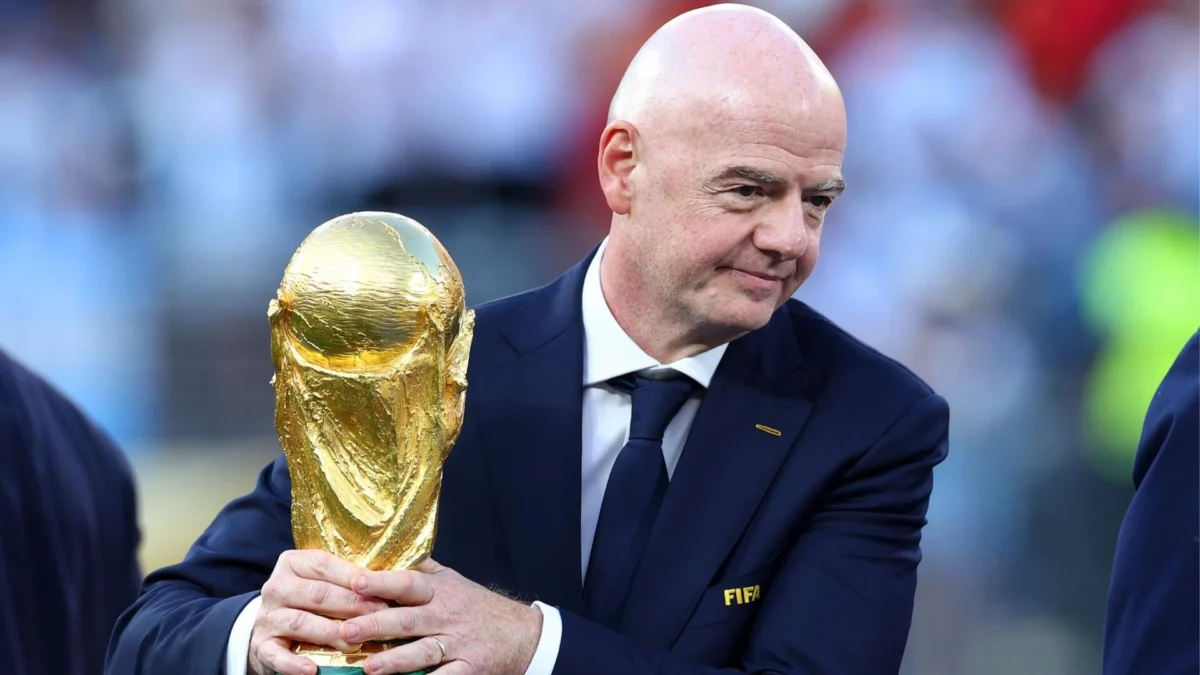
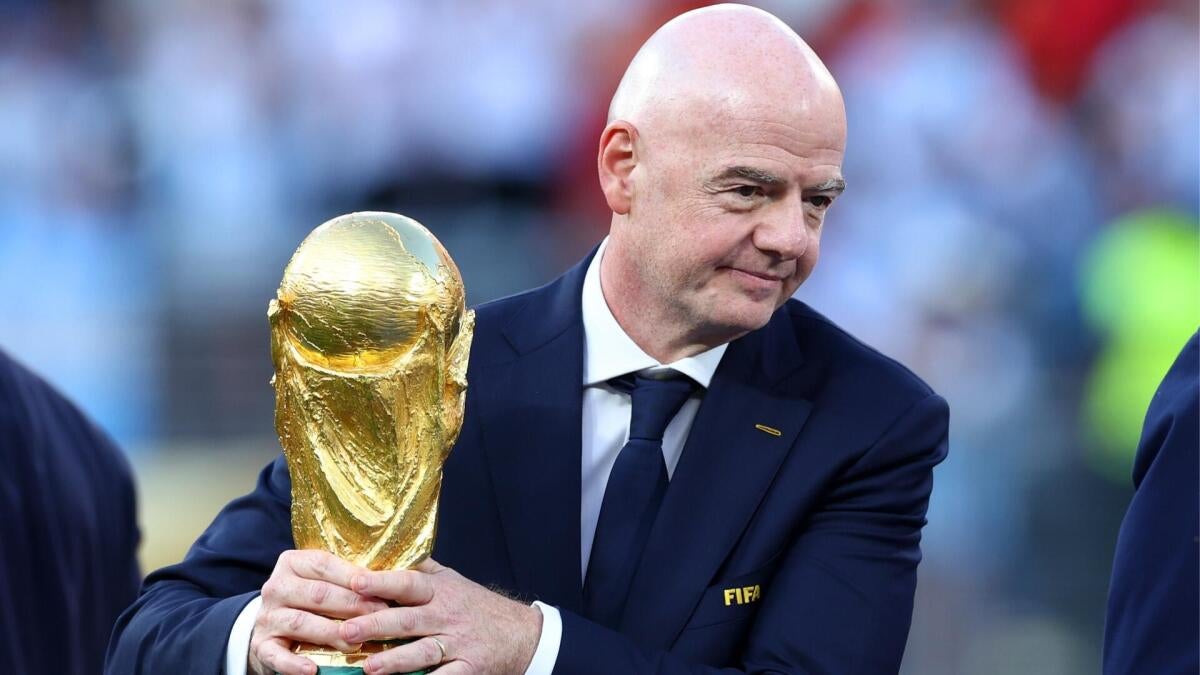
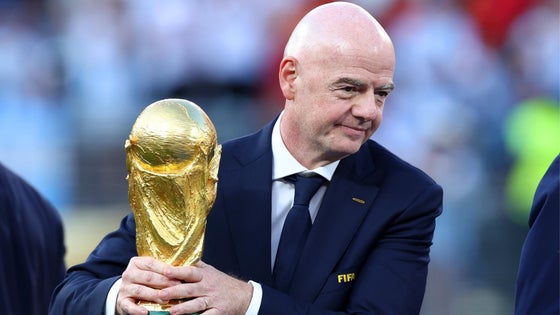
While the 2026 World Cup was widely celebrated as a milestone for its expanded 48-team format—an upgrade from the long-standing 32-team tradition—the conversation has already shifted to what lies beyond. Reports suggest that FIFA, ever-ambitious in its quest to monetize and globalize the game, is actively exploring the possibility of a 64-team World Cup by 2030.
The Context of Expansion
The 2030 tournament is already a logistical marvel, with Morocco, Spain, and Portugal serving as the primary hosts. In a nod to the tournament’s centenary, the opening matches will be held in Argentina, Uruguay, and Paraguay. Adding a 64-team expansion to this already complex multi-continental framework presents unprecedented logistical, physical, and competitive challenges.
Official Responses and Stance
CONMEBOL president Alejandro Dominguez has been a vocal proponent of this vision, noting that internal discussions regarding the logistics of a 64-team structure are already underway. The argument from proponents is simple: accessibility. A 64-team tournament would theoretically allow for greater representation from developing footballing nations in Asia, Africa, and the CONCACAF region, potentially fueling the growth of the sport in emerging markets.
However, the opposition is equally vocal. Critics argue that the expansion dilutes the quality of the product. The transition from 32 to 48 teams already invited debate over the "competitiveness" of group-stage matches. Scaling to 64 teams risks turning the World Cup into a bloated, diluted event where the barrier to entry is so low that the prestige of qualifying is diminished.
Implications for the Global Game
The move toward a 64-team format would have profound implications for the global football ecosystem, most notably regarding player welfare and calendar congestion.

1. The Player Welfare Crisis
The modern professional footballer is already pushed to the brink. With extended Champions League formats, domestic leagues, and now an increasingly bloated international tournament schedule, the physical toll is undeniable. Adding more teams to the World Cup necessitates more matches, further squeezing the off-season and increasing the risk of injury for the world’s elite stars.
2. Economic and Structural Shifts
From a commercial standpoint, more matches equal more broadcast revenue and ticket sales. For FIFA, a 64-team tournament is a massive financial boon. Yet, for smaller domestic leagues, the constant interruption of the international window can destabilize club momentum and fan engagement.
3. The "Centenary" Narrative
FIFA’s desire to mark the 100th anniversary of the World Cup with a massive, globe-spanning event reflects a shift in priority from "tournament as a localized event" to "tournament as a global festival." Whether this creates a better fan experience remains to be seen. The 2026 edition proved that a 48-team tournament can still capture the world’s imagination, but 64 teams represent a threshold that many fear will lead to diminishing returns in terms of drama and competitive integrity.
Connecting with the Coverage: CBS Sports Golazo Network
As the footballing landscape evolves, fans are increasingly turning to dedicated, 24/7 coverage to keep pace with the sport. The CBS Sports Golazo Network has positioned itself as the hub for this consumption, offering a variety of programs tailored to the modern fan:
- Morning Footy (Weekdays, 10 a.m. – 12 p.m.): The flagship show provides a high-energy start to the day, featuring expert analysis, highlights, and deep dives into the biggest storylines from both the domestic and international scenes. For those on the move, the podcast version ensures that the conversation never stops.
- Attacking Third: A pivotal component of the network’s commitment to women’s soccer. As the NWSL season hits its stride, this show provides comprehensive coverage of the USWNT and the international women’s game, breaking down the tactics and narratives that define the sport.
- Call it What You Want: Hosted by Jimmy Conrad, Charlie Davies, and Tony Meola, this show serves as the voice of the American soccer fan. With a focus on the USMNT and the evolving state of the game in the U.S., it provides the essential context needed as the nation transitions from hosting the 2026 World Cup to looking toward the next cycle.
- Scoreline: For the fan who needs the "bottom line," this daily highlights show delivers the most important goals and results from every corner of the globe. It is the essential daily digest for a sport that never truly sleeps.
Conclusion: The Road Ahead
As we navigate this Wednesday’s slate of matches, we are reminded that soccer is a sport of cycles. The 2026 World Cup is now a memory, but the foundations it laid—both in terms of infrastructure and the debate over the sport’s future—will dictate the trajectory of football for the next decade.
Whether we are watching the Philadelphia Union fight for points in the humid heat of a July evening or debating the merits of a 64-team World Cup in 2030, the underlying theme remains the same: the sport is growing, expanding, and demanding more from its participants and its audience alike. As club soccer returns to the forefront, we remain committed to covering the beautiful game in all its complexity, intensity, and glory.
Stay tuned to the CBS Sports Golazo Network for continuous coverage as the season heats up, and keep your eyes on the pitch—because, as always, the next great moment is only a whistle away.