Executive Summary: A Climate of Impunity
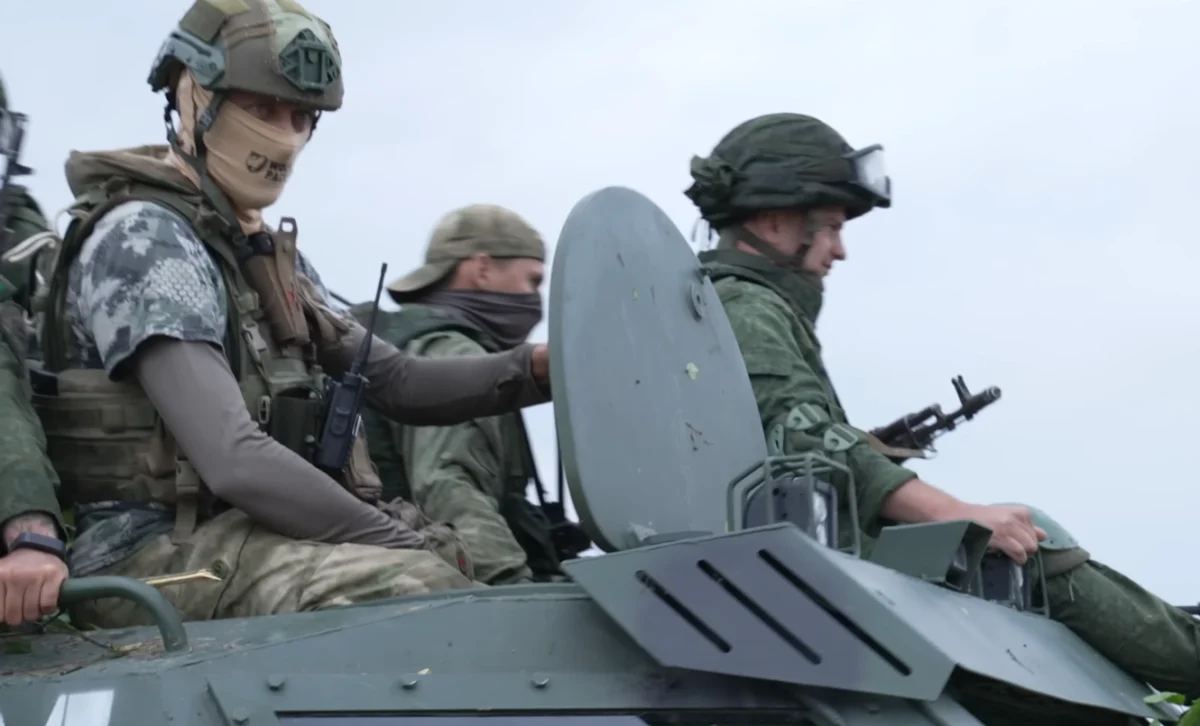
In a damning report released this Tuesday, Amnesty International has formally accused the Malian Armed Forces (FAMa) and the Russian-linked Wagner Group of perpetrating systematic war crimes across Mali. The findings, which span a harrowing period from June 2023 to December 2025, document a pattern of state-sponsored violence that includes the targeted murder, torture, and forced disappearance of civilians.
This report serves as the latest in a mounting pile of evidence indicating that the Malian government, bolstered by foreign mercenary support, has abandoned its obligation to protect its citizens in favor of an asymmetric, terror-based counter-insurgency strategy. As international oversight bodies are systematically barred or withdrawn from the region, the humanitarian crisis in Mali has reached a critical inflection point, threatening the stability of the entire Sahelian region.
The Anatomy of Atrocity: Key Findings
Amnesty International’s investigation identified at least 34 documented cases of civilian killings across seven specific localities within the Mopti, Segou, and Timbuktu regions. However, the report emphasizes that these incidents represent only a fraction of the total violence.
The report details a chilling consistency in the modus operandi of the joint FAMa-Wagner patrols:
- Targeted Executions: Civilians, often identified by ethnicity or perceived sympathy toward insurgent groups, are frequently rounded up and summarily executed.
- Enforced Disappearances: Individuals are abducted from their homes or marketplaces, never to be seen again, leaving families in a state of perpetual agony and legal limbo.
- Pillaging and Destruction: Beyond the loss of life, the systematic burning of homes, the destruction of livestock, and the theft of property have effectively decimated the livelihoods of rural communities, forcing mass displacement.
- Psychological Warfare: The use of torture is not merely incidental but serves as a tool to instill terror and force populations into submission, a hallmark of the "Russian operational model" noted by the Robert Lansing Institute.
Marceau Sivieude, Amnesty International’s regional director for West Africa, issued a blistering call to action: "We urge the Malian authorities to ensure comprehensive accountability for war crimes committed against all communities. They must ensure that the FAMa, foreign military partners, and members of armed groups suspected of war crimes are investigated and prosecuted… without recourse to the death penalty."
A Chronology of Escalating Violence
The current climate of violence is the culmination of years of deteriorating civil-military relations and the increasing reliance on foreign proxies.
- January 2023: UN experts issue their first urgent call for an independent investigation into potential war crimes and crimes against humanity, citing the rapid influx of foreign mercenaries.
- February 2025: A massacre in the Gao region leaves 24 civilians dead. Despite international outcry, the Malian government dismisses the event as a series of "false allegations."
- March 2025: UN experts express "outrage" over the arbitrary execution of at least ten people, publicly criticizing the FAMa General Command for its refusal to acknowledge the crimes.
- July 2025: Human Rights Watch (HRW) publishes a scathing report detailing the summary executions of ethnic Fulani men, labeling the campaign as a clear instance of ethnic cleansing.
- November 2025: The UN Working Group on the use of mercenaries warns that private military contractors are actively exacerbating the cycle of violence, turning counter-insurgency into a "profit-driven enterprise of destruction."
- April 2026: A landmark human rights case is filed before the African Court on Human and Peoples’ Rights (ACtHPR) by a coalition of international rights groups, specifically targeting the massacres at Moura and Hombori.
Supporting Data and Geopolitical Context
The involvement of the Wagner Group—and its successor entity, the "Africa Corps"—has fundamentally altered the nature of the conflict in Mali. Analysts from the Armed Conflict Location & Event Data Project (ACLED) have noted that Mali is merely the latest stage in a global series of Wagner interventions.
Historically, these mercenaries have provided the "muscle" for regimes seeking to bypass democratic oversight and international human rights constraints. From their deployment to protect the Bashar al-Assad regime in Syria in 2015 to their operations in the Central African Republic supporting President Faustin Archange Touadera, the group has consistently demonstrated a disregard for International Humanitarian Law (IHL).
The Robert Lansing Institute posits that the Russian model relies on "asymmetric violence." By targeting the civilian base, the forces aim to shatter the support network of local insurgent groups. However, this strategy often backfires, radicalizing survivors and creating a self-sustaining cycle of recruitment for militant organizations, thereby prolonging the conflict indefinitely.
Official Responses and the Wall of Denial
The Malian authorities have consistently adopted a strategy of total denial. Whenever confronted with evidence from the UN, Amnesty International, or HRW, the government and the FAMa High Command characterize the reports as "biased," "foreign propaganda," or "false allegations."
This reflexive denialism is compounded by the country’s recent diplomatic maneuvers. The decision to notify the International Criminal Court (ICC) of its withdrawal from the Rome Statute is a strategic move to insulate the leadership and their foreign contractors from future prosecution. By exiting the ICC framework, the Malian government has effectively slammed the door on justice for victims, denying them the right to truth, reparation, and legal recourse.
Implications: The Death of Accountability
The implications of these developments are profound, not just for Mali, but for the global human rights framework.
1. The Erasure of Legal Recourse
The exit from the Rome Statute is a catastrophic blow to the survivors of these crimes. It removes the primary venue for international justice, signaling to perpetrators that the cost of war crimes is negligible. Without the threat of international prosecution, there is little incentive for the FAMa or the Wagner Group to adhere to the laws of war.
2. The Normalization of Mercenarism
The reliance on "proxy actors" allows state governments to outsource their violence. By using private military companies, the state can claim "plausible deniability" regarding specific atrocities, while the mercenaries enjoy a level of immunity that state soldiers—at least theoretically—do not. This creates a dangerous precedent that is already spreading to neighboring countries in the Sahel.
3. The Humanitarian Vacuum
As NGOs and IGOs become the target of government hostility, their ability to document abuses and provide aid is severely curtailed. The "waning rights for victims" noted by Amnesty International means that not only are the crimes becoming more severe, but the ability of the international community to witness and address them is vanishing.
Conclusion: A Call for Global Intervention
The evidence presented by Amnesty International and other watchdog organizations is incontrovertible: a systematic campaign of violence is being waged against the people of Mali. The complicity of foreign mercenaries has turned the country into a testing ground for tactics that threaten to destabilize the broader African continent.
The international community stands at a crossroads. Relying on diplomatic statements and "expressed concerns" has proven insufficient to deter the violence. Without robust, coordinated pressure—including targeted sanctions against the leadership of the Wagner Group/Africa Corps and a renewed focus on regional judicial mechanisms like the African Court on Human and Peoples’ Rights—the cycle of murder, torture, and disappearance in Mali will likely continue unabated. The victims of Moura, Hombori, and beyond deserve more than just documentation; they require a commitment to a justice that is as persistent as the violence that destroyed their lives.