Home to over 3.5 million residents and welcoming more than 10 million visitors annually, Madrid is more than just the political heart of Spain—it is a sprawling, high-altitude metropolis that pulses with an energy unlike anywhere else in Europe. While cities like Barcelona often dominate the international spotlight, Madrid commands a different kind of reverence. It is a city of "slow living," where the sun sets late, dinners stretch into the early hours of the morning, and the nightlife is legendary for its endurance.
For the uninitiated, the sheer scale of the city can be daunting. From the golden-hued architecture of the Habsburg era to the avant-garde spirit of its modern art galleries, Madrid requires a strategic approach to truly appreciate its layered history and vibrant contemporary culture.
The Pulse of the Capital: Key Facts and Cultural Identity
Madrid is defined by its contradictions. It is a landlocked capital that prides itself on being the center of the country—literally. At the Puerta del Sol, visitors can stand at "Kilometer Zero," the exact point from which all Spanish highways radiate.
The city’s cultural rhythm is dictated by the sobremesa—the tradition of lingering at the table long after a meal has ended—and a commitment to the arts that is unmatched globally. With over 40 museums and a UNESCO World Heritage-designated urban landscape, Madrid acts as a living repository of European history, from the masterpieces of Velázquez and Goya to the provocative modernism of Picasso.
A Five-Day Chronological Itinerary
Day 1: Immersion in the Art Walk
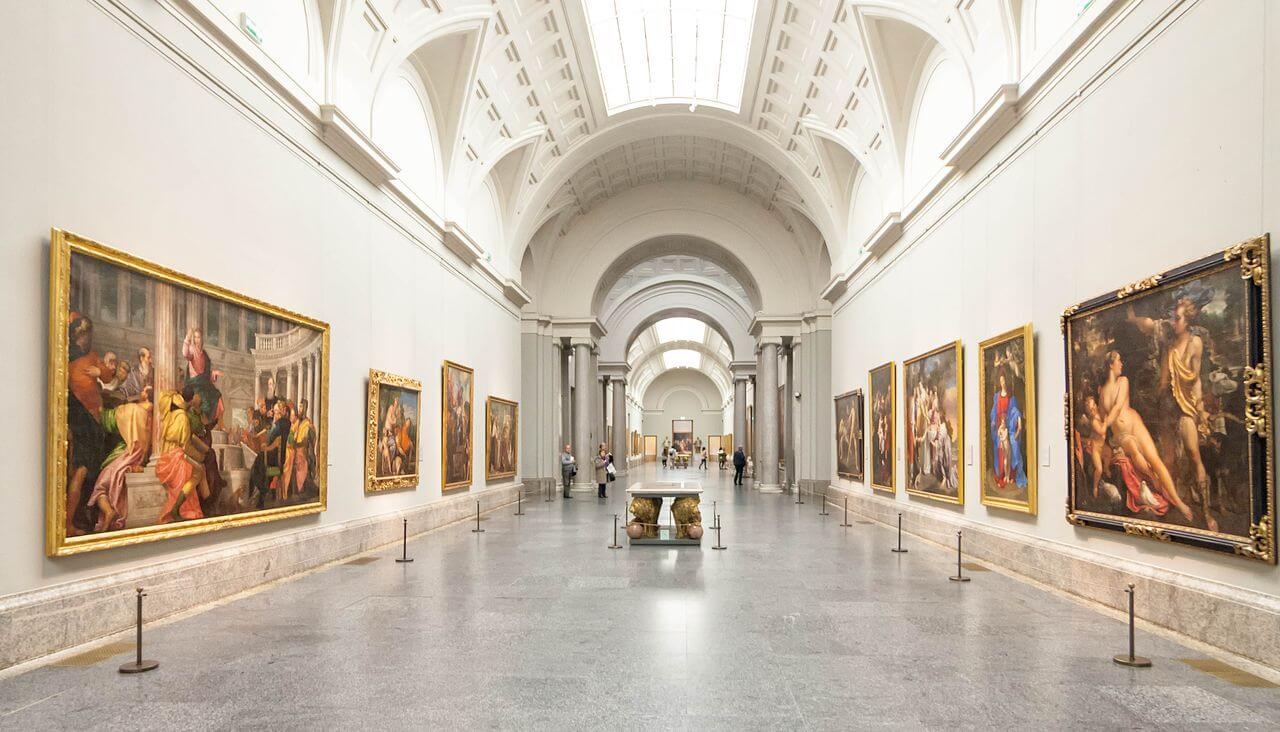
Your journey begins at the "Landscape of Light," a UNESCO World Heritage site since 2021. The epicenter of this cultural corridor is the Prado Museum. Housing the world’s most significant collection of Spanish art, it is a cathedral of creativity. Devote at least half a day to the works of El Greco, Velázquez, and Goya.
Transitioning from the classical to the contemporary, walk ten minutes along the Paseo del Prado to the Thyssen-Bornemisza Museum, which bridges the gap between eras. Finally, arrive at the Reina Sofía National Art Center. Here, the centerpiece is Pablo Picasso’s Guernica, a harrowing and essential anti-war masterpiece.
Pro-tip: For a mid-day respite, visit the historic Taberna La Fragua de Vulcano for a traditional cocido madrileño, or enjoy a refined tapas experience at Arzábal, located near the Reina Sofía.
Day 2: The Grandeur of the Habsburg Era
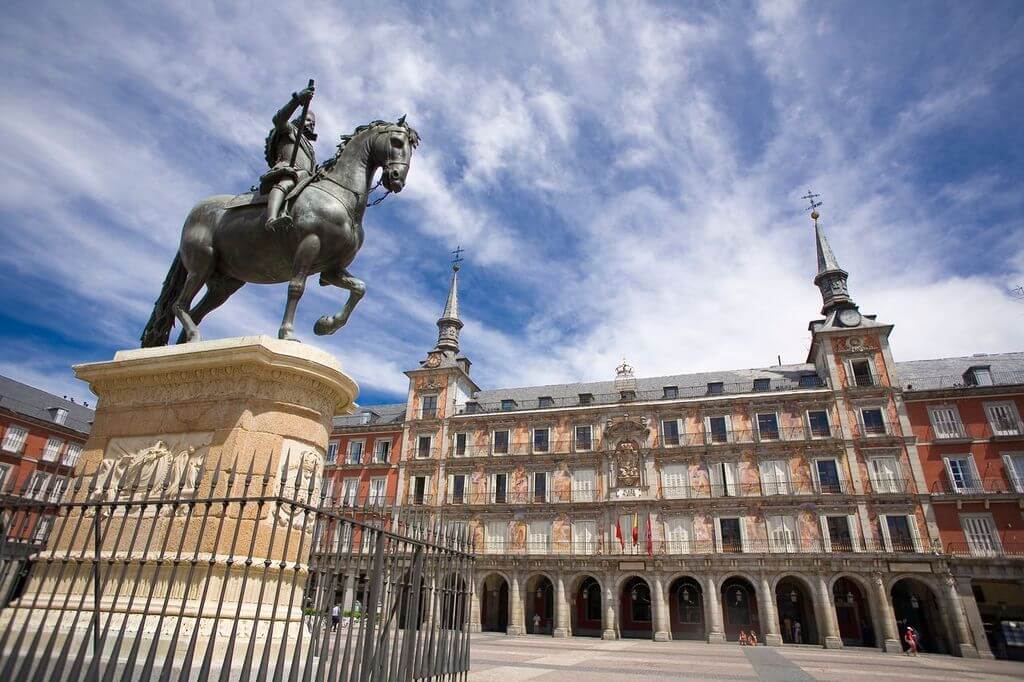
Day two takes you into the heart of Madrid de los Austrias. Start at the Puerta del Sol to locate the "Bear and the Strawberry Tree" statue, the heraldic symbol of the city. A short walk brings you to the Plaza Mayor, a grand, porticoed square that has served as the stage for bullfights, royal coronations, and historic executions for centuries.
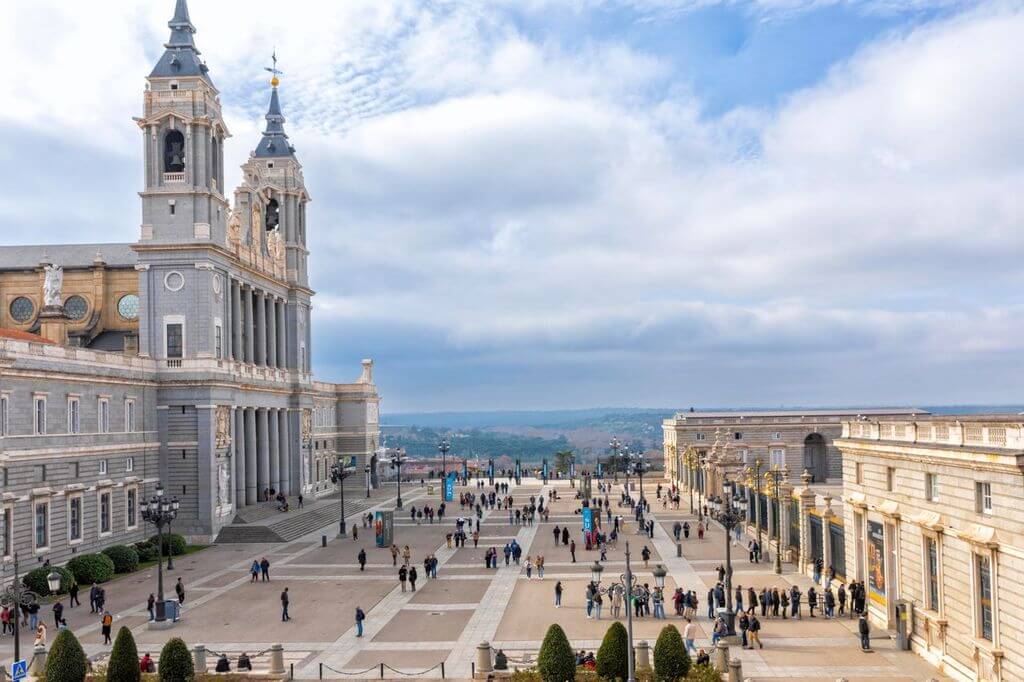
After sampling a traditional calamari sandwich in the nearby alleys, head toward the Royal Palace of Madrid. As the largest royal residence in Western Europe, its 3,400 rooms offer a glimpse into the opulence of the Spanish monarchy. Conclude the afternoon at the Almudena Cathedral, a fascinating architectural hybrid that blends Neo-Classical and Neo-Romanesque styles, offering panoramic views from its dome.
Day 3: A Culinary Odyssey
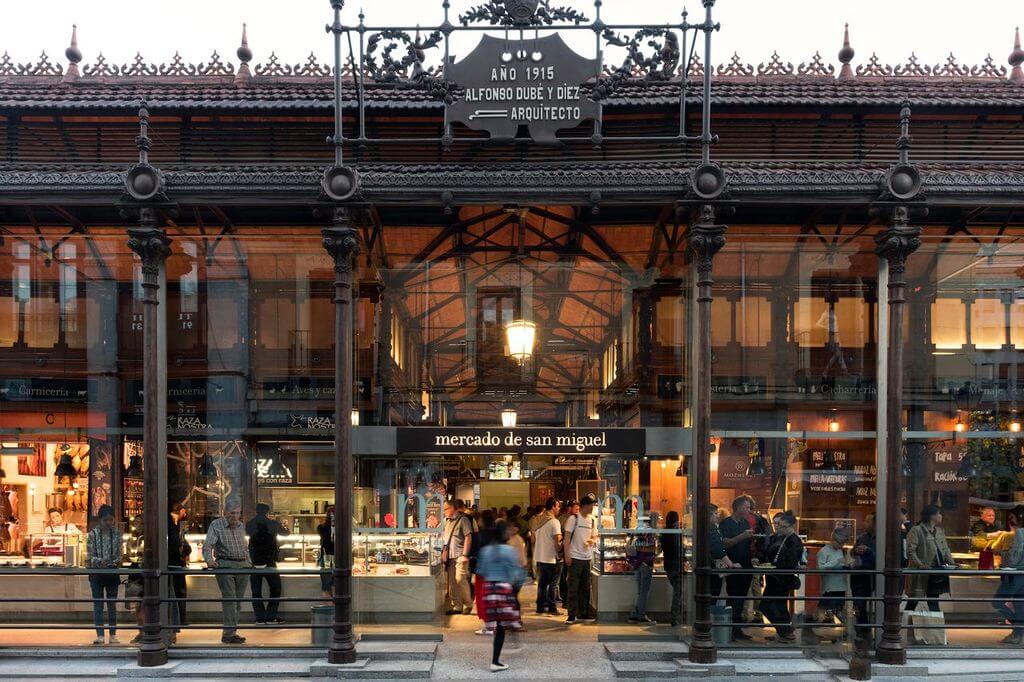
Madrid is arguably the culinary capital of the world. Rather than relying on tourist traps, prioritize the city’s historic markets. The Mercado de San Miguel is the gold standard for gourmet tapas, while the Mercado de Vallehermoso provides a more authentic, neighborhood-driven experience.
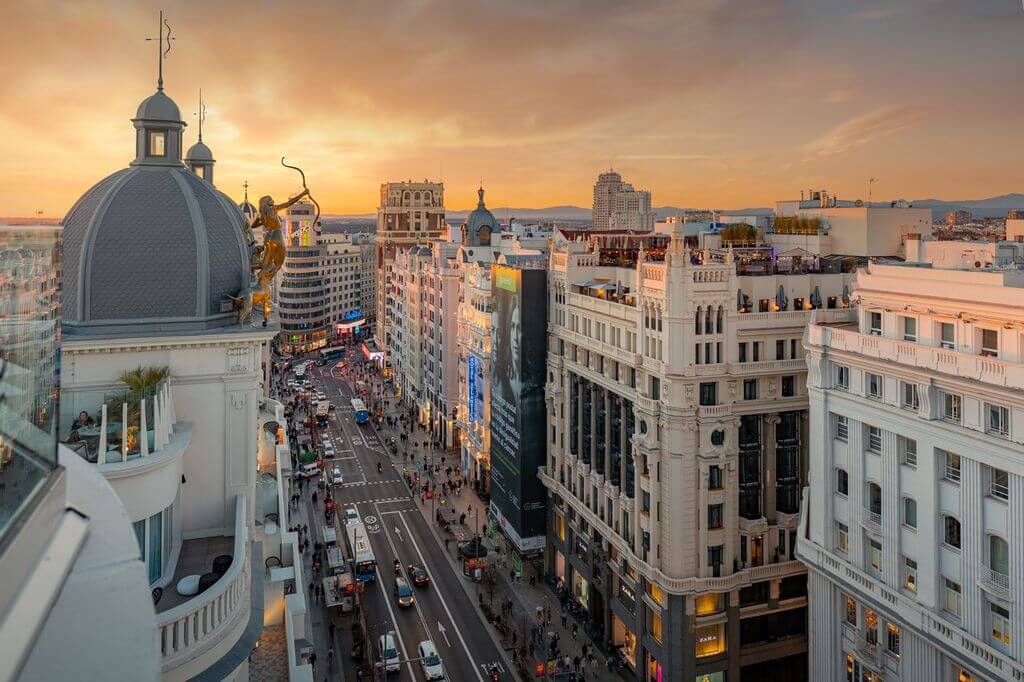
For dinner, consider Sobrino de Botín, recognized by the Guinness World Records as the world’s oldest continuously operating restaurant. If the modern vibe calls to you, explore the "rooftop culture" along the Gran Vía. Venues like the RIU 360º Sky Bar provide unparalleled views of the skyline as the city transforms under the glow of neon lights.
Day 4: UNESCO Wonders Beyond the City Limits
While the city is captivating, Spain’s history extends into the surrounding plains. Dedicate your fourth day to one of three UNESCO-listed day trips:
- San Lorenzo de El Escorial: A massive 16th-century monastery and royal tomb that serves as a testament to the power of the Spanish Empire.
- Royal Palace of Aranjuez: Often compared to Versailles, this site showcases the lavish lifestyle of Spanish royalty in a verdant, riverside setting.
- Alcalá de Henares: The birthplace of Miguel de Cervantes, this university town offers a perfectly preserved look at the Spanish Golden Age.
Day 5: Off-the-Beaten-Path Treasures
Spend your final day uncovering the city’s quieter side. The Monastery of Las Descalzas Reales and the Royal Monastery of La Encarnación are hidden gems that house vast, private art collections within their cloistered walls.
End your trip at the Casa de Campo. Once the hunting ground of kings, it is now the city’s largest public park. Sitting on a terrace by the lake, looking back at the silhouette of the Royal Palace, you will understand why Madrid is a city that captures the heart of every traveler who takes the time to look deeper.
Supporting Data and Travel Logistics
The infrastructure of Madrid is designed for the traveler who knows how to navigate. Public transportation—specifically the Metro—is efficient, safe, and cost-effective.
- Accommodation Strategy: For those on a budget, Hostelworld remains the standard for social travelers, while Booking.com provides the best inventory for boutique guesthouses.
- Safety and Insurance: While Madrid is generally safe, travel insurance is an essential, non-negotiable expense. Always ensure your policy covers medical emergencies, theft, and trip cancellations.
- The "Slow" Advantage: Embracing the local schedule (dining at 9:00 PM or later) isn’t just a suggestion; it is the only way to experience the authentic energy of the city’s plazas and bars.
Implications for the Modern Traveler
The shift toward "slow tourism" has significant implications for how we view urban travel. Madrid stands as a prime example of a destination that rewards patience over speed. By moving away from "checklist" tourism and instead engaging with the culinary markets, local neighborhoods, and art history of the capital, travelers contribute to a more sustainable and meaningful economic model.
The city’s evolution into a vegetarian-friendly, eco-conscious, and culturally diverse hub ensures that it remains relevant for the next generation of travelers. Whether you are a solo backpacker or a history enthusiast, Madrid offers a masterclass in how to live well, eat better, and appreciate the weight of history without losing the vibrancy of the present.
For those seeking to maximize their time, the official Madrid tourism board and local cultural guides suggest prioritizing pre-booked tickets for major sites like the Royal Palace and the Prado to avoid the significant queues that define the peak summer season. By planning with intent, the vastness of the city becomes not a burden, but a treasure chest waiting to be unlocked.