
Rick Hess: Derek, while U.S. Supreme Court education rulings garner a lot of attention, state supreme court rulings frequently fly under the radar—even when they’ve got big implications for policy. From school funding to the First Amendment to school choice, state courts have issued some major rulings over the past year. For those of us who don’t follow this stuff closely, what are some of the decisions we should be tracking?
Derek Black: A lot of people fall into the trap of thinking all the action happens in Washington. That may be true on taxes, tariffs, or interest rates, but in education the real action is most often in state legislatures and state supreme courts. For the past half century, state supreme courts have been treating school funding, quality, governance, and choice as issues that implicate state constitutional guarantees regarding education. We can see anywhere from one to five major rulings of this sort each year, and the past 12 months were no exception.
Last summer, the New Hampshire Supreme Court held that the state’s base level of school funding was constitutionally inadequate. Cases like this inevitably raise questions about how far courts can go in ordering legislatures to act. Courts have limited tools available when legislatures refuse to comply with judicial rulings. A recent case in North Carolina offers the clearest example. After two decades of delay in remedying a prior school funding decision, a North Carolina trial court in 2022 felt it had no choice but to order the state treasurer to transfer nearly $2 billion in surplus funds into public education accounts—a remedy no court had previously attempted in school-finance litigation.

The North Carolina Supreme Court initially upheld that remedy. But this spring, the court reversed course, indicating that the lower court had overreached in imposing a statewide funding remedy on the legislature. Though there were factual nuances in that decision, it will surely draw the attention of courts nationwide as they consider the proper scope of judicial remedies in education-funding disputes.
Hess: That’s a lot of activity. What might other state courts take from the New Hampshire and North Carolina decisions? The North Carolina ruling seems like a big shift after decades of courts directing legislatures to spend more. What might it portend for school spending fights going forward?
Black: School funding disputes in North Carolina and New Hampshire have gone to the state supreme court multiple times over the last three decades, with the plaintiffs winning or partially winning on most counts. The New Hampshire Supreme Court issued two seminal decisions in the 1990s, known as the Claremont decisions, that garnered a lot of national attention. But since then, the issues in New Hampshire have been unique enough that they have had less national influence. One takeaway from the recent New Hampshire ruling is that the precedent from those older cases is still solid, and plaintiffs can restart litigation when the state backtracks or fails to keep up with constitutional requirements on school funding.
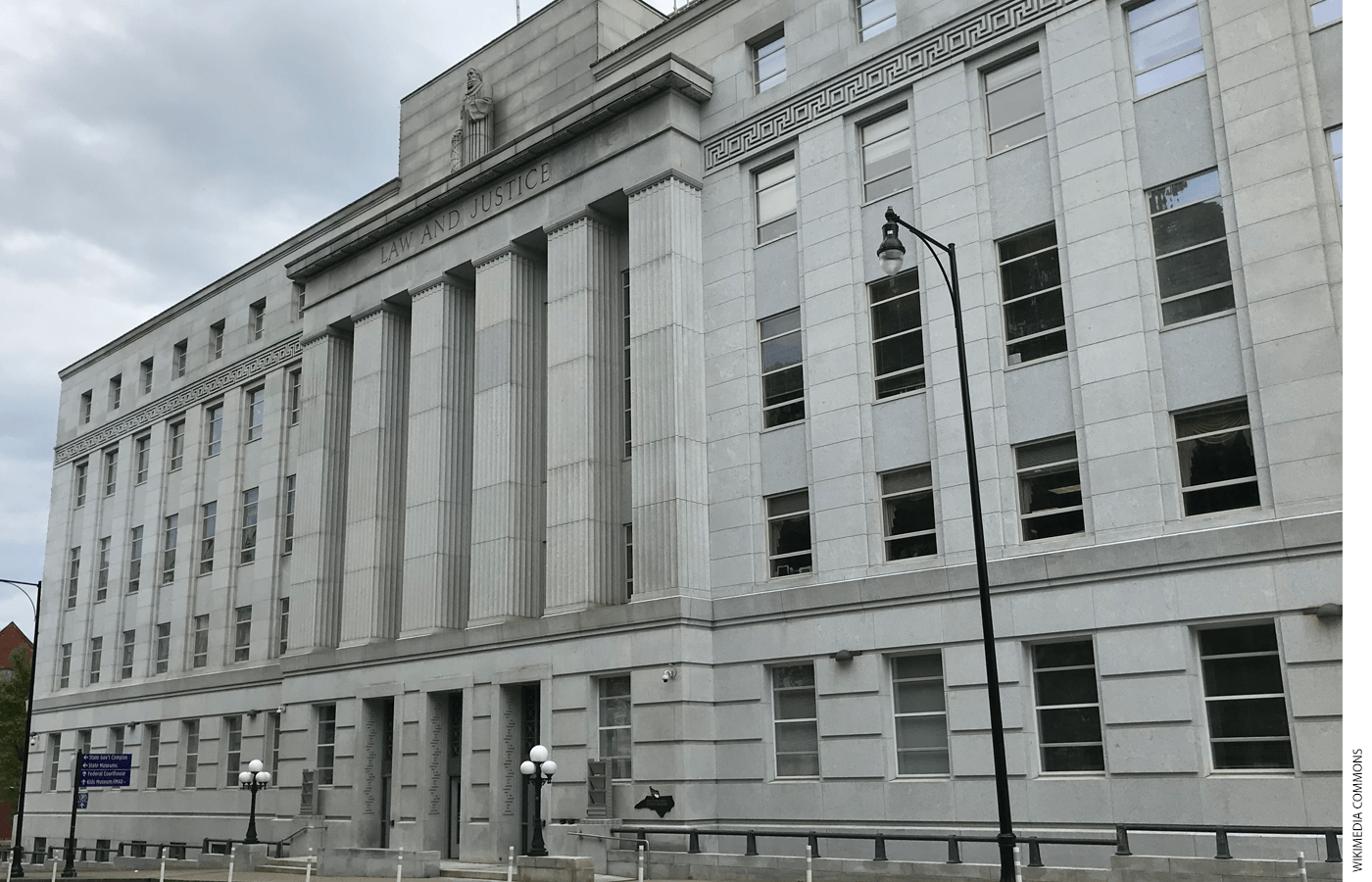
The North Carolina case has broader significance. The 2022 ruling offered a hopeful example for the rest of the Southeast, whose courts—with the temporary exception of South Carolina—have refused to address public school funding inadequacies. Now that the North Carolina Supreme Court has backtracked, one is tempted to doubt whether any state court can enforce the right to education. But that pessimism is probably too simple.
The deeper story in North Carolina is about judicial politics and institutional change. While some states appoint justices, North Carolina elects them. And while elections were formally nonpartisan from 2004 to 2016 in North Carolina, they became increasingly politicized after the legislature switched them back to partisan contests in 2016. That shift coincided with major changes on the court itself. North Carolina went from issuing some of the country’s most consequential school funding decisions to becoming far more reluctant to press the legislature on educational adequacy. More broadly, the court moved away from an earlier willingness to assert institutional independence from the political branches.
Hess: The school choice landscape has changed dramatically in the past few years, with big gains by Education Savings Accounts and voucher programs. What have we seen in the state courts that speaks to all this?
Derek: State constitutions regularly figure in battles over school choice. The federal constitution addresses whether states may exclude religious schools from voucher or choice programs. But state constitutions determine whether publicly funded school choice programs can exist at all.
This spring, for instance, the Kentucky Supreme Court held that the state’s charter-school law violated the constitution because it diverted money from the “common school fund,†which is reserved for traditional public schools. In contrast, the Idaho Supreme Court upheld a private school tax-credit program, reasoning that the tax credits do not directly implicate public school funding. That decision broke a recent string of losses for voucher advocates in states such as South Carolina and Kentucky, as well as lower-court rulings in Utah, Wyoming, and Ohio. Those lower court decisions are now before the state supreme courts, so the next few months are likely to deliver some new constitutional nuances.