The Crisis Escalates: A Nation at a Crossroads
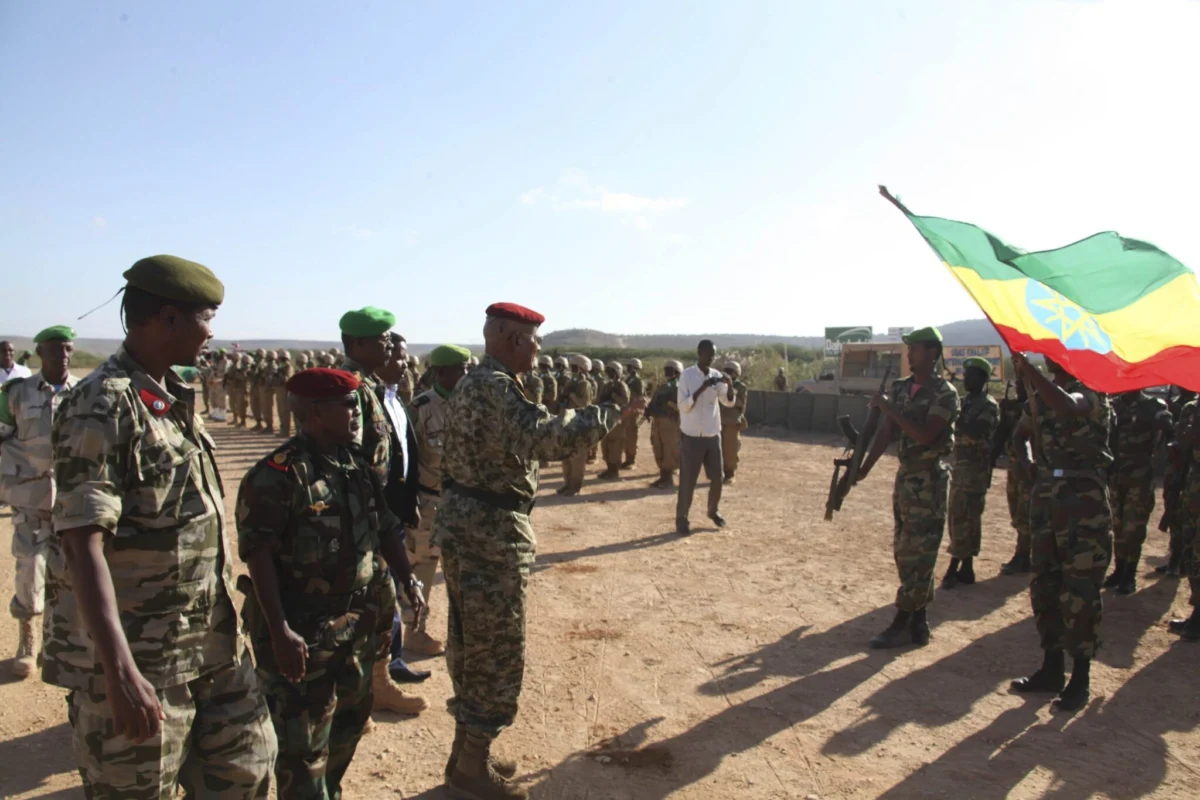
As the specter of full-scale war looms once more over Ethiopia, the international community has reached a fever pitch of concern. UN High Commissioner for Human Rights Volker Türk issued a harrowing appeal on Friday, calling for an immediate de-escalation of hostilities between the Ethiopian National Defence Force (ENDF) and the Tigray People’s Liberation Front (TPLF). The warning comes as reports of airstrikes, mortar fire, and forced conscription continue to emerge from the northern regions, signaling that the fragile peace established by the 2022 Pretoria Agreement is rapidly unravelling.
The resurgence of violence has triggered an urgent humanitarian crisis, characterized by the targeting of civilian infrastructure, the disruption of critical telecommunications, and the systematic displacement of vulnerable populations. For a nation still recovering from the scars of the 2020–2022 Tigray war, this latest cycle of bloodshed threatens to plunge millions back into a state of extreme precarity.
Chronology of the Recent Flare-Up
The current deterioration of the security situation in northern Ethiopia did not happen overnight; rather, it is the culmination of months of simmering tensions that finally reached a breaking point in late September 2026.
- Mid-2026: Mounting friction between Addis Ababa and regional authorities in Tigray, coupled with a deteriorating geopolitical relationship with neighboring Eritrea, creates a volatile environment.
- September 22, 2026: The conflict marks a dark turning point as ENDF airstrikes, reportedly involving the use of unmanned aerial vehicles (drones), hit five schools in the Tigray region. The strikes resulted in significant civilian casualties.
- September 23, 2026:
- A mortar strike in Kobo, located in the Amhara region, kills an unspecified number of civilians.
- TPLF forces seize control of airports in Mekelle, Axum, and Shire.
- In response, Ethiopian Airlines suspends all flights to these cities, effectively isolating parts of the region from the rest of the country.
- Late September 2026: International diplomatic pressure mounts. UN Secretary-General António Guterres issues an emergency statement, while the African Union Commission pleads for a return to the negotiating table.
Supporting Data: The Human Cost of Warfare
The UN Human Rights Office has documented a pattern of violations that echo the darkest chapters of the previous conflict. The reports are not merely statistics; they represent a systemic breakdown of the rule of law and international humanitarian norms.
The Weaponization of Information and Access
The conflict has been marked by a deliberate "digital siege." The disruption of internet and telecommunications services in Mekelle and parts of Amhara has effectively silenced local voices, preventing civilians from seeking refuge and obstructing humanitarian organizations from assessing needs or providing aid. Furthermore, the blockade of roads in the Afar region has created a logistical nightmare, preventing food and medical supplies from reaching those trapped in active combat zones.
Allegations of Forced Conscription
Perhaps the most alarming development is the reported forced mass recruitment of civilians. The UN reports suggest that the TPLF has been forcibly conscripting individuals, including children, across Tigray. Those who resist—or whose families object—face a harrowing menu of state-sanctioned violence, including arbitrary detention, torture, and extrajudicial killings. These actions, coupled with reports of similar arbitrary conscription by government forces, indicate that both sides are sacrificing the civilian population to fuel their military agendas.
A Legacy of Sexual Violence
The trauma of the 2020–2022 war continues to haunt the region. A 2025 report by Physicians for Human Rights revealed that nearly 1 in 10 Tigrayan women were victims of conflict-related sexual violence. The scale of the atrocities—including gang rapes and the forced transmission of HIV—constitutes a clear violation of Article 4 of Additional Protocol II to the Geneva Conventions. The current escalation raises the terrifying possibility that these patterns of gender-based violence may be repeated.
Official Responses: A Global Call for Restraint
The international reaction has been swift, unified, and desperate.
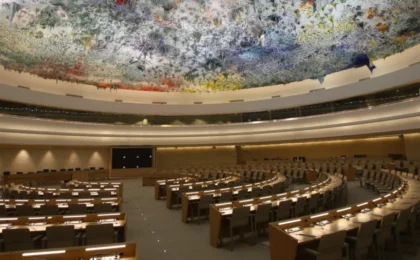
The United Nations: High Commissioner Volker Türk’s call for de-escalation is a direct appeal to the moral and legal obligations of the combatants. By emphasizing the protection of civilians and the necessity of "safe and unhindered humanitarian access," the UN is attempting to establish red lines that both the ENDF and TPLF are currently ignoring.
The African Union: As the architect of the 2022 Pretoria Agreement, the African Union holds a vested interest in the stability of Ethiopia. The AU Commission has explicitly called for a return to direct talks, arguing that the Pretoria framework remains the only viable path to long-term peace. The AU’s intervention highlights the fear that the agreement is not just being ignored, but effectively rendered obsolete.
The Secretary-General: António Guterres has characterized the situation as "rapidly deteriorating." His intervention serves as a formal acknowledgment by the highest level of the UN that the Ethiopian state is on the precipice of a broader, more destructive conflict.
Implications: The Fractured Fate of a Nation
The potential implications of this renewed fighting are catastrophic, both for Ethiopia and the broader Horn of Africa.
The Failure of the Pretoria Framework
The 2022 Pretoria Agreement was hailed as a landmark success in African-led diplomacy. However, the current crisis exposes the inherent weaknesses of the deal. Without robust enforcement mechanisms and a transparent process for addressing the root causes of the conflict—such as territorial disputes and regional autonomy—the agreement served more as a pause in hostilities rather than a foundation for lasting peace.
Legal and Humanitarian Reckoning
The shadow of the past looms large over current events. The lawsuit filed by Legal Action Worldwide, the Pan-African Lawyers Union, and Debevoise & Plimpton LLP at the African Commission on Human and Peoples’ Rights (ACHPR) remains a critical touchstone. By accusing Ethiopia of complicity in ethnic cleansing and systemic violence, these legal advocates have forced a global conversation about accountability. Should the current violence continue, it will likely provide further evidence for these international legal bodies to pursue justice, potentially leading to sanctions or international isolation for the parties involved.
Regional Instability
The involvement of external actors, most notably Eritrea, remains a destabilizing factor. Ethiopia’s 2026 acknowledgment of Eritrean troop presence underscores the regionalization of the conflict. If neighboring nations continue to provide support to either the ENDF or the TPLF, the conflict risks escalating into a proxy war, further complicating the prospects for peace and spilling over into neighboring borders, threatening the stability of the entire Horn of Africa.
The Human Toll: A Generation Lost
The ultimate casualty is the Ethiopian people. With millions already displaced and the infrastructure of the north in ruins, the return to violence ensures that the cycle of poverty and trauma will continue for another generation. The systemic recruitment of children and the targeting of schools suggest that the conflict is not just destroying the present, but actively dismantling the future of the region.
Conclusion: The Path Forward
The path to de-escalation is narrow but clear. It requires an immediate cessation of hostilities, the restoration of communication and transport infrastructure, and a renewed commitment to the principles of the Pretoria Agreement. However, diplomacy alone may not be enough. The international community must move beyond rhetoric and provide meaningful pressure on both the Ethiopian government and the TPLF to respect international humanitarian law.
As the world watches, the question remains: will Ethiopia learn from the devastating lessons of its recent history, or is it doomed to repeat them? The urgency in the voices of the UN and the African Union suggests that time is running out. If the guns do not fall silent soon, the damage to the nation’s social fabric may become irreparable.