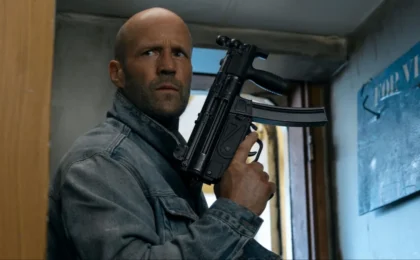
In the modern cinematic landscape, Tom Cruise has become synonymous with the "impossible." Whether he is clinging to the exterior of a soaring Airbus A400M in Rogue Nation or piloting a fighter jet through a canyon in Top Gun: Maverick, Cruise’s recent filmography is defined by a commitment to death-defying practical spectacle. However, a look back at his storied career reveals that his most compelling work often occurred in the quiet, claustrophobic spaces where the only thing at stake wasn’t the world, but his own soul.
As his latest project, Digger, continues to draw audiences into theaters, it serves as a timely reminder of the actor’s range. Long before he became Hollywood’s premier action auteur, Cruise mastered the art of the psychological thriller. Among these, Sydney Pollack’s 1993 adaptation of John Grisham’s The Firm stands as a masterclass in tension, paranoia, and the corrosive nature of unchecked ambition. Now streaming on Paramount Plus, the film offers a sophisticated look at a star in transition, proving that Cruise didn’t need explosions to hold an audience captive.
The Anatomy of a Legal Nightmare: Main Facts
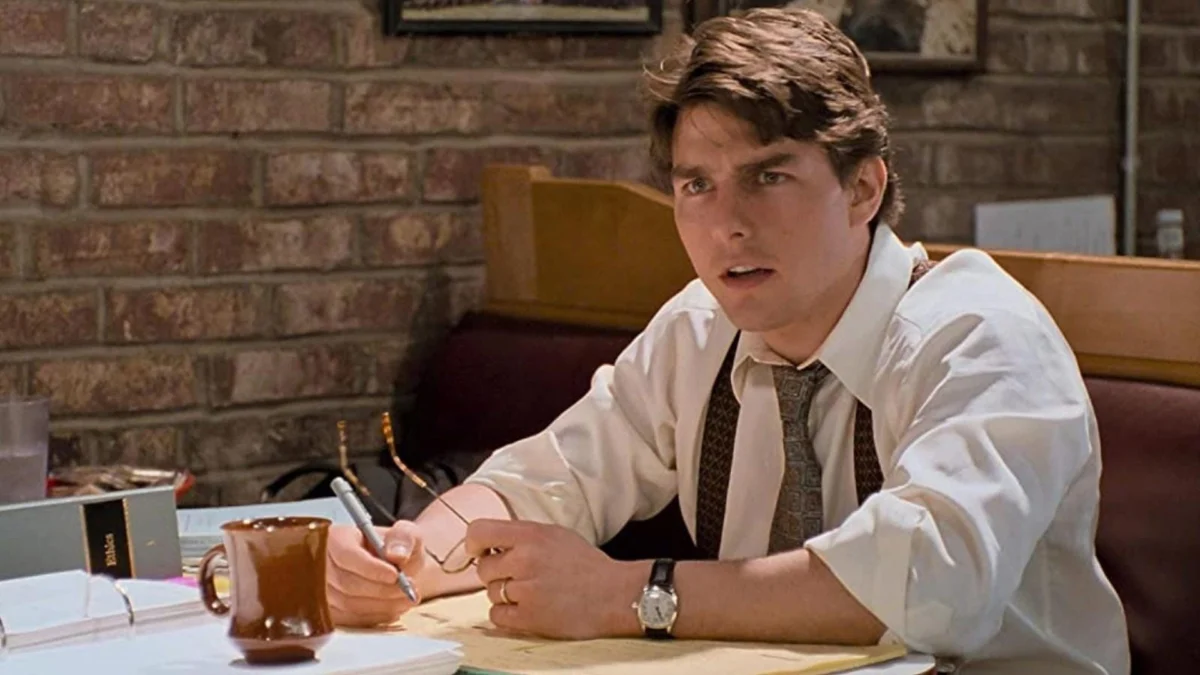
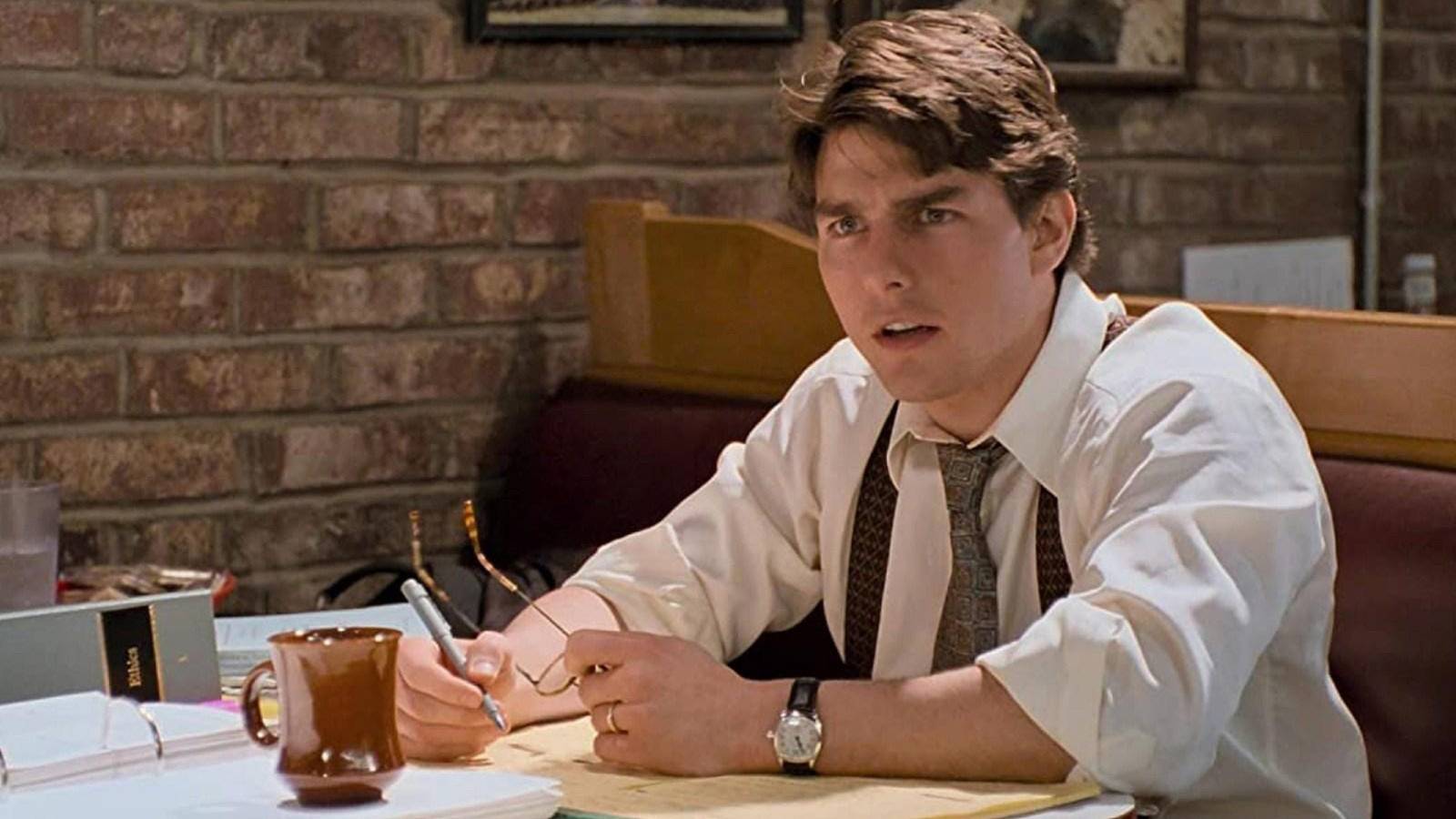
The Firm is a quintessential 1990s legal thriller that captured the zeitgeist of the era’s obsession with corporate greed and the "American Dream" turned sour. The plot follows Mitch McDeere (Tom Cruise), a brilliant, top-of-his-class Harvard Law graduate. Faced with mounting student debt and a desire to provide a life of luxury for his wife, Abby (Jeanne Tripplehorn), Mitch accepts an offer from a small, boutique Memphis law firm—Bendini, Lambert & Locke.
The compensation package is staggering: a low-interest mortgage on a dream home, a new BMW, and a salary that dwarfs his peers at larger, more conventional firms. However, the veneer of perfection quickly cracks. Mitch discovers that the firm is a front for a massive money-laundering operation for the Morolto crime family. When he realizes that associates who attempt to leave the firm tend to meet "accidental" deaths, he finds himself trapped between a rock and a hard place: the FBI, which is demanding his cooperation to bring the firm down, and the lethal attorneys who monitor his every move.
A Chronology of Deception: The Descent into Paranoia
The narrative structure of The Firm is a slow-burn descent. The film is effectively divided into three distinct psychological phases:
Phase I: The Illusion of Meritocracy
The first act establishes the "Golden Cage." We see Mitch as a man of immense hubris. He believes his intelligence is an impenetrable shield. He is charmed by the firm’s partners, specifically Avery Tolar (Gene Hackman), who serves as a mentor figure. During this stage, the film focuses on the intoxicating nature of wealth. The cinematography is bright, the suits are sharp, and the stakes feel like professional achievement rather than life-and-death struggle.
Phase II: The Realization of Compromise
The second act shifts the tone entirely. The discovery of the death of two associates while on a "fishing trip" serves as the catalyst for the shift. Mitch moves from the protagonist of a legal drama to the lead in a paranoid thriller. He is no longer a lawyer practicing law; he is a man attempting to navigate a maze of surveillance. This phase is defined by the loss of agency, as Mitch realizes that every asset he owns is an instrument of the firm’s control.
Phase III: The Reckoning
The final act is a frantic, high-stakes game of cat-and-mouse. Unlike modern Cruise films, which end with a grand physical confrontation, the climax of The Firm is a battle of wits and legal maneuvers. Mitch must out-maneuver both the mob and the federal government, proving that his greatest weapon is his legal mind, not his physicality.

Supporting Data and Thematic Depth: The Cost of Compromise
What separates The Firm from standard thriller fare is its exploration of moral ambiguity. While Mitch is clearly the "hero," the film does not shy away from his initial complicity. He wanted the money, and he was willing to look the other way until the cost of his silence became too high.
Gene Hackman’s performance as Avery Tolar provides the necessary emotional ballast. Tolar is a cautionary tale—a man who once shared Mitch’s idealism but was slowly eroded by the firm’s culture. A pivotal scene in the Cayman Islands, where Tolar drops his guard, remains one of the most chilling moments in 90s cinema. Tolar’s monologue about the impossibility of resignation is not just a plot point; it is a profound commentary on the traps of corporate culture.
The supporting cast—including Ed Harris as the dogged FBI agent and Wilford Brimley as the firm’s sinister security chief—creates a sense of claustrophobia. There is no one for Mitch to trust, a theme that echoes throughout much of Cruise’s career, from the Mission: Impossible franchise to Eyes Wide Shut.
Official Responses and Critical Reception
Upon its release, The Firm was a massive box-office success, grossing over $270 million worldwide. It solidified Cruise as a bankable star who could carry a "prestige" project. Critics at the time praised Sydney Pollack’s steady hand, noting that he transformed a dense, 500-page legal novel into a cohesive, character-driven thriller.

"It is a film that respects the audience’s intelligence," wrote a critic at the time of its 1993 debut. The film was lauded for its pacing, with many noting that the "legal machinations" were simplified just enough to maintain momentum without sacrificing the narrative’s complexity. Over three decades later, the film maintains a high approval rating, often cited by film scholars as the gold standard for the "Grisham adaptation" boom of the mid-90s.
Implications: The Legacy of the "Cruise Thriller"
Why does The Firm matter in 2026? As the film industry continues to tilt toward massive, franchise-based spectacle, The Firm serves as a reminder of the power of the mid-budget, star-driven thriller. It demonstrates that internal conflict—the fear of losing one’s integrity—can be just as compelling as the fear of losing one’s life.
The film also marks a pivotal moment in Tom Cruise’s career arc. It was the bridge between his early work as a dramatic lead and the later, more physically demanding roles. It shows a version of Cruise that was vulnerable, arrogant, and ultimately, deeply human. He was a man out of his depth, relying on his wits to survive a system designed to crush him.
For those looking to revisit the film or experience it for the first time, The Firm is available on Paramount Plus. It remains a masterclass in tension, a brilliant adaptation of a seminal novel, and a testament to the fact that when Tom Cruise is in the lead, the screen is rarely dull. Whether you are a fan of his high-octane blockbusters or his more grounded, dramatic performances, this film is essential viewing. It is a stark reminder that sometimes the most dangerous situations are those that look the most like the American Dream.