The childhood of an entire generation in Lebanon is currently being dismantled by the unrelenting pressures of active conflict. According to a harrowing new report released by the United Nations Children’s Fund (UNICEF) titled An Enduring Nightmare, the humanitarian situation has deteriorated to a point where one in five households reported their children going to bed hungry in the weeks leading up to July 2026. This stark statistic is not merely a data point; it is a profound indictment of a conflict that has systematically eroded the fundamental rights of children to nutrition, healthcare, and education.
Based on a nationwide telephone survey of 3,016 respondents, the report provides a granular view of the catastrophic impact of ongoing airstrikes and the persistent occupation of southern Lebanese territory. As the conflict drags on, the socioeconomic fabric of the nation is fraying, leaving the most vulnerable—its youth—to bear the heaviest burden of a war they did not choose.
The Human Cost: A Chronology of Escalation
The current crisis did not emerge in a vacuum; it is the culmination of a series of escalations that have redefined the landscape of Lebanese civilian life.
The Spring Escalation (March–April 2026)
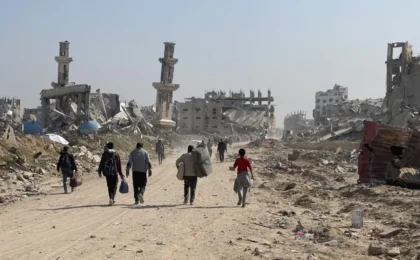
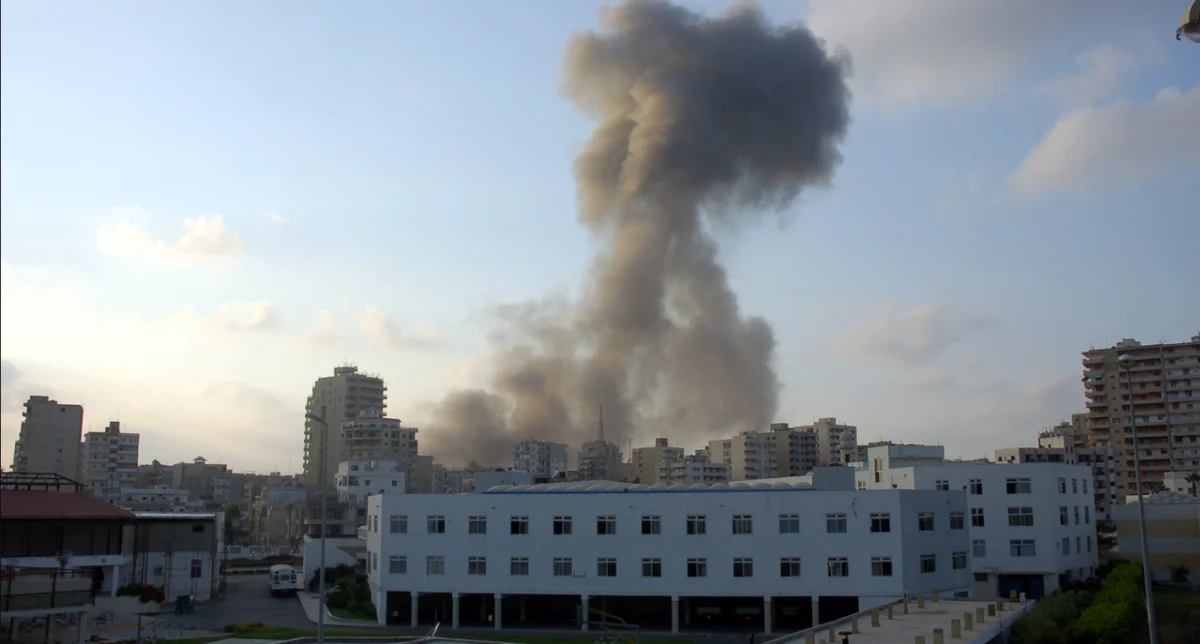
The intensification of the conflict began in earnest in March 2026, when widespread Israeli airstrikes targeted infrastructure across the country. The UN human rights office sounded an early alarm, noting that the destruction of residential homes and essential civilian infrastructure raised grave concerns regarding international humanitarian law. Under the Rome Statute, the deliberate targeting of civilian objects is classified as a war crime, yet the violence persisted, forcing thousands of families to flee their homes.
The April Ceasefire and Ongoing Instability
While an April 2026 ceasefire provided a temporary respite from the most intensive bombardment, it failed to resolve the underlying territorial tensions. Despite the cessation of major hostilities, sporadic airstrikes and continued demolitions in southern Lebanon—where Israeli forces maintain an occupied buffer strip—have prevented any semblance of normalcy. The "peace" has been, at best, a fragile interlude in a persistent state of emergency.
The Cumulative Toll (September 2026)
By early September 2026, the cumulative impact of the previous six months was undeniable. Lebanese Ministry of Health figures revealed that at least 261 children had been killed and 1,056 injured since March 2—averaging seven child casualties every single day. The destruction of 436 schools has effectively paralyzed the educational system for 100,000 children, casting a long shadow over their developmental prospects.
Supporting Data: The Anatomy of a Socioeconomic Collapse
The UNICEF report offers a chilling look at the economic reality facing Lebanese families. The numbers paint a picture of a population trapped in a downward spiral of poverty and neglect.
The Struggle for Basic Necessities
Eighty-two percent of surveyed households reported that affording basic necessities—food, fuel, and medicine—has become significantly more difficult in the last three months. This hyper-inflationary environment, coupled with the loss of livelihoods due to displacement, has left parents unable to provide even the most fundamental items for their children.
A Healthcare Crisis
The healthcare sector, once a pillar of stability in the region, is now a target. Since March 2, 2026, 135 healthcare workers have been killed and 416 injured while performing their duties. Furthermore, the damage to 17 hospitals has created a "medical desert" in several provinces. Consequently, 31 percent of households reported that their children had to forgo essential medical care simply because their families could not afford the costs, which have skyrocketed alongside the devaluation of the local currency.
The Rise of Child Labor
Perhaps the most alarming indicator of desperation is the surge in child labor. In January 2025, six percent of households reported that a child was working to support the family. By July 2026, that figure had jumped to 14 percent. This more-than-doubling of child labor statistics highlights a society forced to sacrifice its children’s future—their education and physical safety—to secure their immediate survival.
A Pre-existing Fragility: Nutrition and Food Insecurity
The crisis of 2026 did not strike a healthy population. Long before the recent escalation, Lebanese children were struggling with chronic malnutrition. The World Hunger Education Service noted that even prior to the conflict, approximately 36 percent of children suffered from anemia due to a lack of essential dietary nutrients.
In April 2026, Save the Children predicted that 380,000 children were on the brink of crisis-level food insecurity. The subsequent months have confirmed these fears. The combination of a fractured supply chain, the destruction of agricultural land in the south, and a massive reduction in international aid funding has transformed a manageable nutritional challenge into a full-scale hunger emergency.
Official Responses and the Funding Gap
The international response to the crisis has been characterized by condemnation, yet it remains hampered by a critical lack of resources.
UNICEF’s Plea
UNICEF has launched an appeal for $388.5 million for 2026 to assist approximately 2 million people, including 700,000 children. However, as of July 31, the appeal was only 54 percent funded. The shortfall is catastrophic, leaving vital programs—such as school feeding initiatives and mobile medical clinics—under-resourced.
Marcoluigi Corsi, the UNICEF Lebanon Representative, issued a somber warning: “Without urgent and sustained action, an entire generation of children and young people risks carrying the scars of this crisis into adulthood.”
International Legal Concerns
The UN’s condemnation of the violence in April highlighted the "massive wave" of strikes, but the diplomatic leverage to ensure the protection of civilians has remained limited. The ongoing legal debate surrounding the legality of these strikes under the Rome Statute serves as a reminder that while international law provides a framework for justice, its immediate ability to protect children in the crossfire is often insufficient.
Implications: The Long Shadow of the Conflict
The implications of this report extend far beyond the immediate statistics of hunger and injury. The "Enduring Nightmare" refers not only to the current suffering but to the long-term psychological and physical trauma that these children will carry for decades.
- Educational Deficit: With 100,000 children out of school, the nation faces a looming "lost generation." The loss of foundational education will limit the economic potential of the country for years to come.
- Psychological Trauma: Children living in zones of active airstrikes and occupation suffer from high levels of toxic stress and PTSD. The lack of mental health infrastructure means these psychological wounds are largely going untreated.
- Physical Stunting: Chronic hunger and lack of nutrients in the formative years lead to permanent developmental delays. The physical toll of this conflict is literally being written into the growth and health of Lebanon’s youth.
As the conflict persists, the question remains: what level of international intervention is required to halt this slide into total humanitarian collapse? The UNICEF report is more than a summary of facts; it is an urgent, final-hour demand for the international community to prioritize the lives of children over the strategic objectives of warring parties. Without a shift in both funding and diplomatic resolve, the "enduring nightmare" will not only continue—it will define the future of an entire nation.