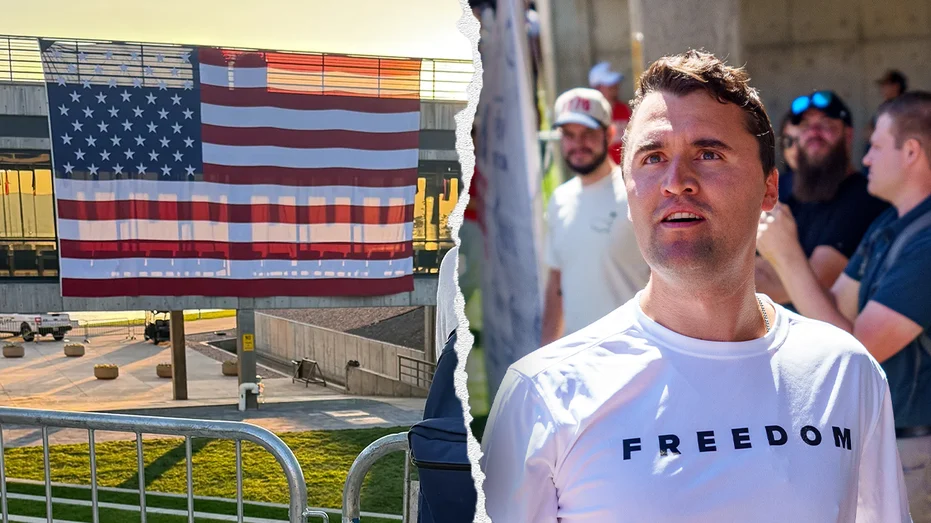
OREM, Utah — One year after a tragedy that shocked the nation and sent shockwaves through the American political landscape, Utah Valley University (UVU) is preparing to mark a solemn milestone. On September 10, 2026, the university will completely close its campus to observe the one-year anniversary of the assassination of Charlie Kirk, the 31-year-old founder of Turning Point USA (TPUSA), who was shot and killed in the school’s central courtyard.
The decision to close the campus reflects the deep, lingering trauma within the academic community. It also coincides with a remarkable revelation from UVU’s newly appointed president, Dr. Jon Anderson, who disclosed that his own family members were mere yards away from the gunfire. As the university community navigates this period of mourning, the institution finds itself at the center of a national conversation regarding political violence, security on public campuses, and the preservation of free speech.
Main Facts of the Case and the Anniversary Observance
The assassination of Charlie Kirk on September 10, 2025, remains one of the most high-profile acts of political violence in modern American history. Kirk, a prominent and polarizing conservative influencer, was speaking at an outdoor event sponsored by the UVU chapter of Turning Point USA when a gunman opened fire, killing him instantly. Kirk left behind a wife, Erika, and two young children.
To mark the one-year anniversary, UVU officials have announced a complete administrative and academic closure of the campus on September 10, 2026. While the university will not host an official, school-sponsored memorial service, leadership has cleared the way for student-led and external organizations to utilize campus spaces for private observances. Most notably, Turning Point USA will host a major memorial service at UVU’s UCCU Center at 6:30 p.m. MT on the evening of the anniversary.
Concurrently, the legal proceedings against the accused assassin, 23-year-old Tyler Robinson, are moving forward in the Utah state court system. Robinson, who was apprehended shortly after the shooting, recently entered a plea of not guilty to all charges, including aggravated murder. The trial, which could result in the death penalty, has drawn intense scrutiny from legal analysts and political commentators alike.
Chronology of Events: From Tragedy to Arraignment
The timeline of the past year highlights a rapid sequence of crisis management, institutional transition, and complex legal maneuvers.
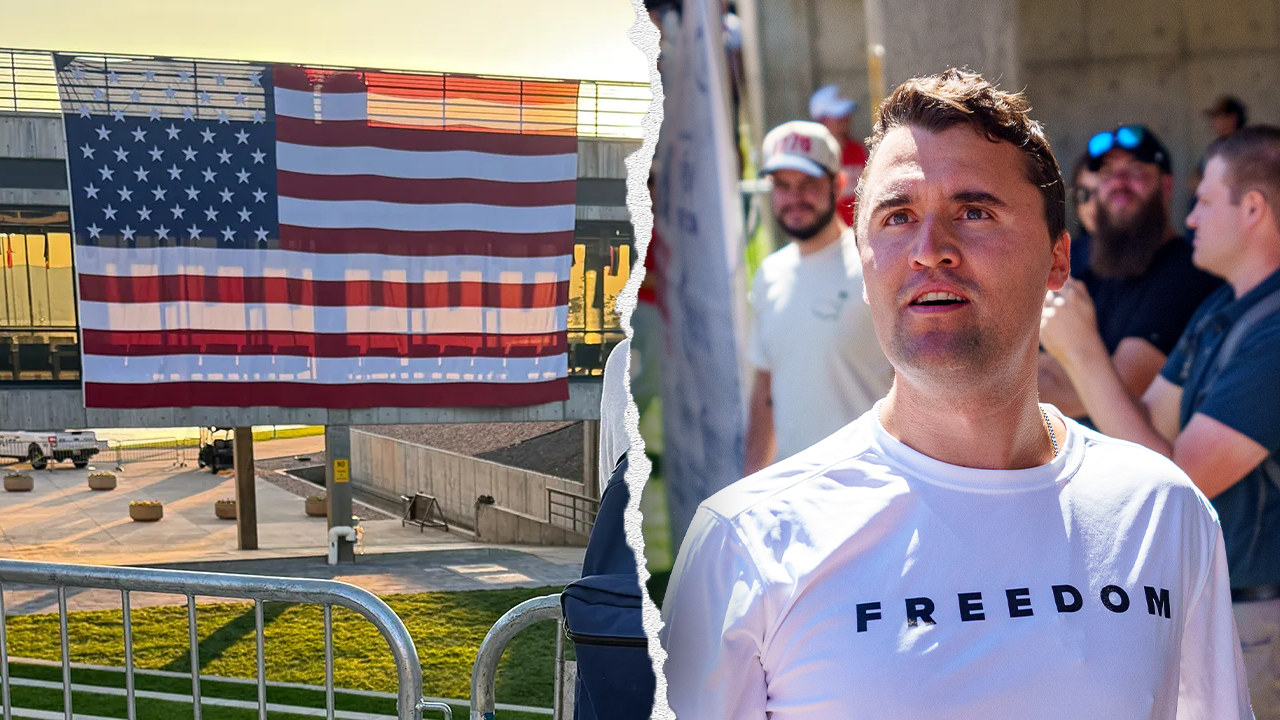
[Sept 10, 2025] ──> [Sept 15-17, 2025] ──> [Summer 2026] ──> [Sept 1, 2026] ──> [Sept 10, 2026] ──> [Oct 23, 2026]
 Kirk Assassinated    Spontaneous Memorials   Dr. Anderson      Robinson Pleads   Campus Closure &   Next Scheduled
  at UVU Courtyard     & Student Grief         Takes Office      Not Guilty        TPUSA Memorial     Court Hearing
September 10, 2025: The Assassination
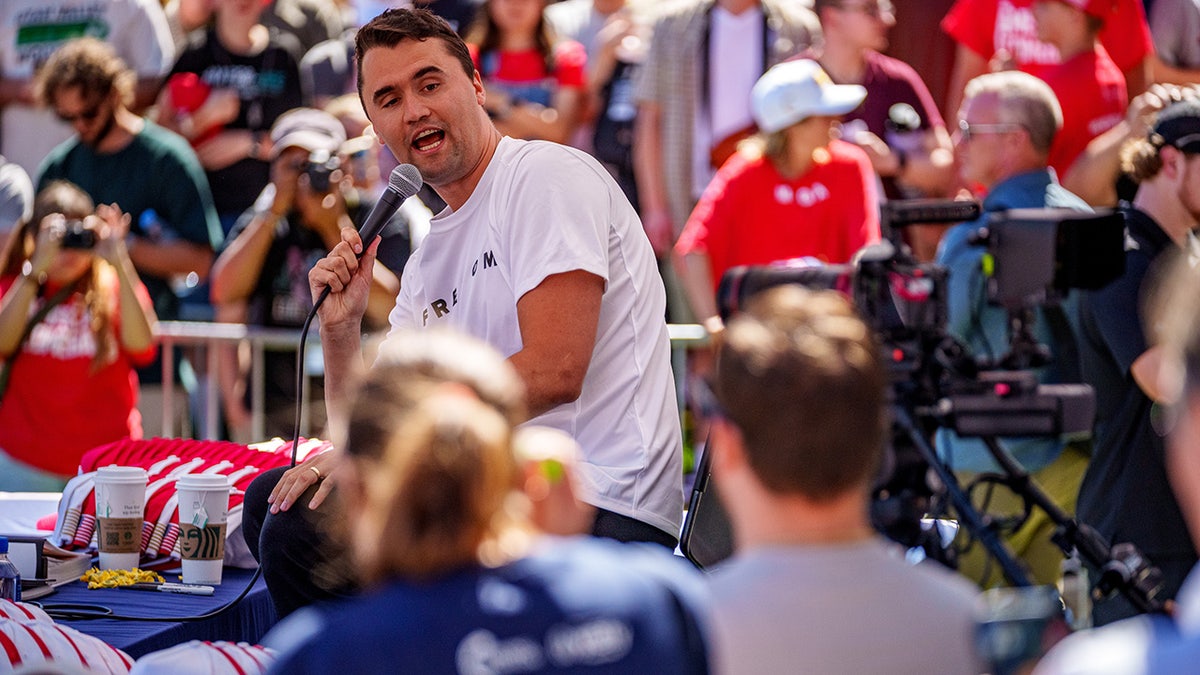
During a midday speech in the bustling central courtyard of Utah Valley University, Charlie Kirk was shot and killed. The immediate aftermath was marked by chaos, campus-wide lockdowns, and a swift multi-agency law enforcement response that quickly identified and apprehended Tyler Robinson.
September 15–17, 2025: Spontaneous Memorials and Initial Grief
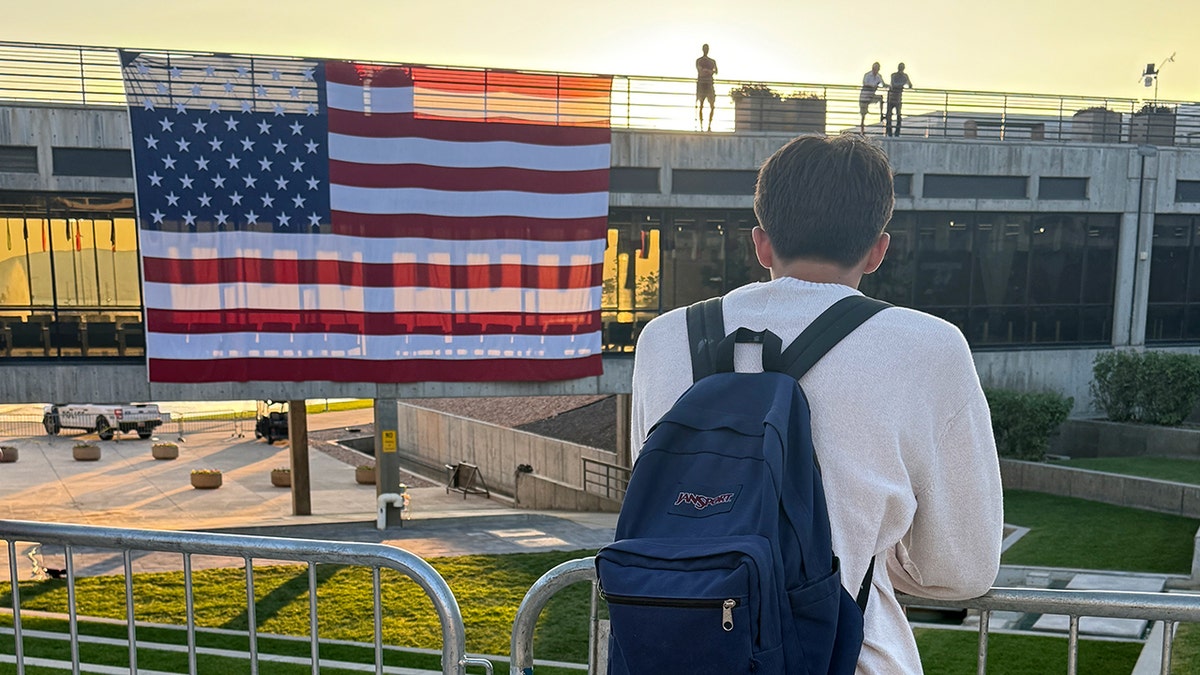
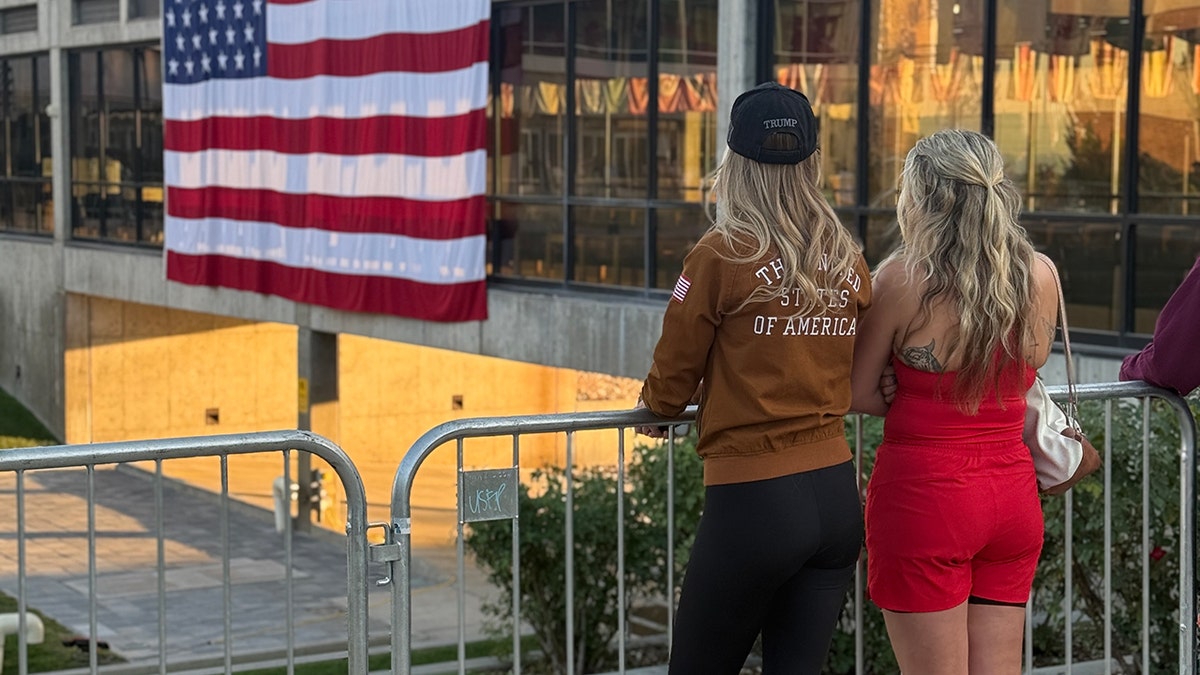
As students returned to campus the following week, a massive makeshift memorial of flowers, letters, and flags grew near the courtyard. On September 17, students and local residents gathered to pay their respects, highlighting the profound emotional impact on the student body.
Summer 2026: Leadership Transition
Amidst ongoing recovery efforts, UVU announced the appointment of Dr. Jon Anderson as the university’s new president. Dr. Anderson, who previously served as the president of Pennsylvania Western University, assumed office just before the start of the Fall 2026 semester, inheriting an institution still grappling with the psychological scars of the shooting.
September 1, 2026: The Arraignment of Tyler Robinson
Nearly a year after his arrest, Tyler Robinson appeared in court for his formal arraignment. Represented by a team of defense attorneys, Robinson pleaded not guilty to all charges, setting the stage for a high-stakes capital trial.
September 10, 2026: The One-Year Anniversary
The campus is scheduled to close for a day of reflection, with TPUSA hosting its memorial service at the UCCU Center in the evening.
October 23, 2026: Next Scheduled Court Hearing
Judge Tony Graf Jr. is expected to convene both legal teams to discuss pretrial scheduling and potentially establish a formal trial date.
Supporting Data and Legal Proceedings
The criminal case against Tyler Robinson is progressing under intense public and media scrutiny. The legal battle is centered in the Utah state court system, where prosecutors are pursuing the highest possible penalties under state law.
The Charges and Potential Penalties
Tyler Robinson faces a primary charge of aggravated murder, a capital offense in the state of Utah. Under Utah law, aggravated murder carries the possibility of life imprisonment without parole or the death penalty.
| Defendant | Primary Charge | Plea | Presiding Judge | Next Court Date | Maximum Potential Penalty |
|---|---|---|---|---|---|
| Tyler Robinson (23) | Aggravated Murder | Not Guilty | Judge Tony Graf Jr. | October 23, 2026 | Death Penalty |
Judicial Rulings and Defense Strategy
Defense attorneys for Robinson have filed multiple motions seeking to remove the death penalty from consideration, arguing various constitutional and procedural grounds. However, in a detailed written order, Judge Tony Graf Jr. denied the defense’s motions, explaining that the statutory requirements for a capital case had been met, thereby keeping the death penalty firmly on the table.
Legal experts have noted that Robinson’s defense team appears to be utilizing a strategy of meticulous procedural review, which some former prosecutors have compared to the tactical delay strategies used in other high-profile capital cases. This approach focuses on exhaustive discovery reviews and constitutional challenges to delay the start of the trial, ensuring every legal avenue is thoroughly explored before a jury is empaneled.
Official Responses and University Leadership
The task of guiding UVU through this unprecedented period of institutional grief has fallen to Dr. Jon Anderson. In a sit-down interview, Dr. Anderson revealed a deeply personal connection to the tragedy that occurred before his tenure began.
A President’s Personal Connection
Though Dr. Anderson was serving as the president of Pennsylvania Western University at the time of the shooting, his family roots are in Utah. On the day of the assassination, his wife called him with news that hit terrifyingly close to home.
"I had two daughters and a son-in-law. They were about 10 yards from the assassination when it happened," Dr. Anderson shared. "And so I knew that our future would be tied to it in one way or the other."
This personal connection motivated Dr. Anderson to accept the presidency at UVU when the opportunity arose. He described the university community as remarkably resilient and "gritty," noting that the institution’s desire to heal and learn from the tragedy was a primary factor in his decision to return to his home state.
Balancing Safety, Neutrality, and Free Speech
As the head of a major public university, Dr. Anderson faces the delicate task of maintaining academic freedom and free speech while ensuring physical safety. Public universities are constitutionally bound to uphold the First Amendment, meaning they cannot bar speakers based on their political viewpoints, regardless of how controversial those viewpoints may be.
Dr. Anderson articulated a clear philosophy regarding the university’s role in public discourse:
"We don’t jump in the fray, but we host the frays. We allow people to come in and focus on civil dialogue, engaging in new and good ideas, and that’s where we hope to excel. A place that anyone can come with any idea, have a place for open, honest, violence-free debate—and that’s what our future is, and that is what institutions of higher education are, when they are at their best."
To prevent future tragedies, the university has conducted comprehensive reviews of its campus security protocols, though specific security adjustments remain confidential to protect their effectiveness.
Commemoration, Healing, and Public Reaction
The decision to close the campus on September 10 was informed by a growing understanding of psychological trauma and the varying ways individuals process grief.
Addressing Trauma and Delayed Reactions
Dr. Anderson emphasized that the healing process is non-linear, particularly for a campus community comprised of tens of thousands of young adults.
"I think one thing all of us at UVU have learned is that traumatic events, sometimes there’s an initial reaction and sometimes there is a delayed reaction, and it’s important for us to be very empathetic with each other as everyone goes through the healing process in their own way," Anderson stated.
By closing the campus, the university administration hopes to give students, faculty, and staff the space to reflect privately without the academic pressures of daily classes.
The Turning Point USA Memorial and Permanent Honors
While the university is avoiding an official, administration-led event to maintain its position of political neutrality, it has fully supported student-led efforts. Turning Point USA’s planned memorial at the UCCU Center is expected to draw a large crowd of students, conservative leaders, and community members.
Regarding a permanent physical memorial on campus, Dr. Anderson confirmed that a dedicated committee—comprising university board members, student representatives, and community leaders—is actively exploring options.
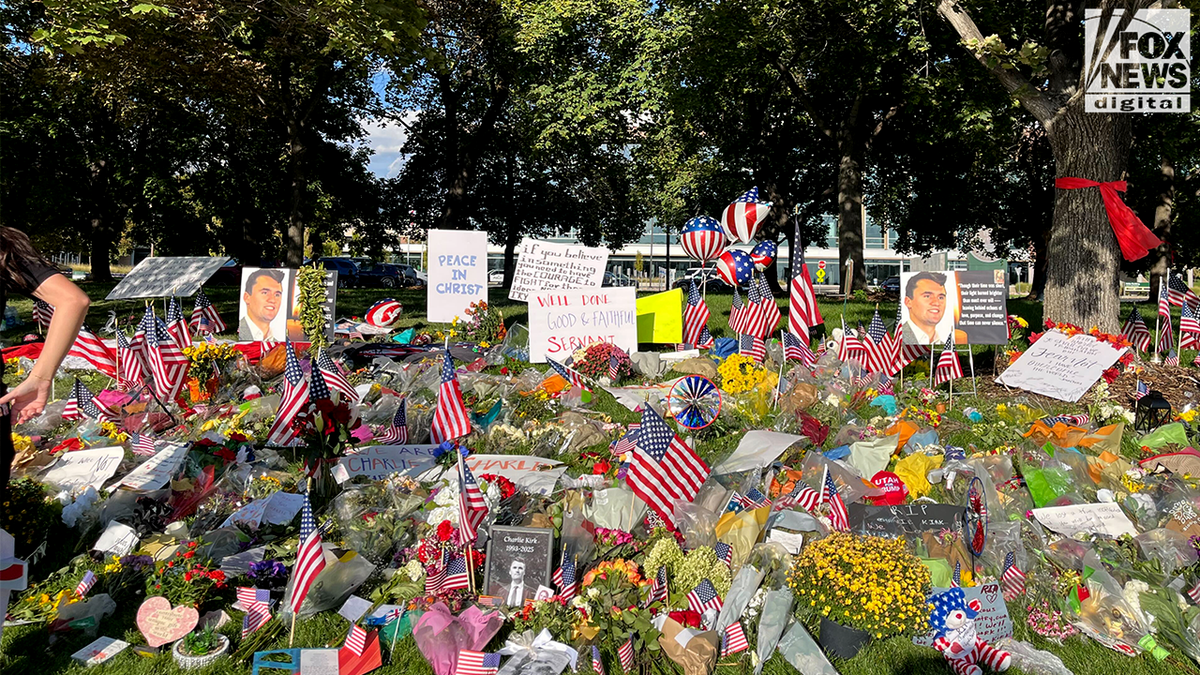
"They’re sorting through lots of voices, getting people to the table to talk through what that might look like, looking at other institutions, what they have done," Anderson said. He cautioned that the process would not be rushed, promising that any permanent installation would be "thoughtfully done and well placed."
Implications for Campus Free Speech and Political Discourse
The assassination of Charlie Kirk has had a profound impact on the broader landscape of American higher education. For years, college campuses have been battlegrounds for intense ideological debates, with speakers from across the political spectrum drawing passionate crowds and, at times, volatile protests.
The Chilling Effect of Political Violence
The use of lethal violence to silence a prominent political commentator represents a dangerous escalation in campus politics. Educators and civil liberties advocates fear that such violence could have a chilling effect on academic freedom, leading universities to cancel controversial events out of safety concerns, or discouraging students and faculty from expressing dissenting opinions.
In a powerful essay published in The New York Times, Charlie Kirk’s widow, Erika Kirk, reflected on her first year of grief and issued a direct call to action for the younger generation. She urged conservative students nationwide not to back down or allow fear to silence their beliefs in the wake of her husband’s death. Her message has resonated widely, galvanizing conservative student organizations to continue their campus activism with renewed resolve.
The Path Forward for Higher Education
As Utah Valley University prepares to close its doors in silent tribute, the institution stands as a symbol of a larger national challenge. The path forward requires universities to navigate a difficult landscape: fiercely defending the physical safety of their communities while refusing to compromise on the constitutional principles of free speech and open inquiry.
For Dr. Anderson and the UVU community, the anniversary is not only a time to mourn a life lost to violence, but also an opportunity to reaffirm the university’s commitment to being a safe, resilient marketplace of ideas.