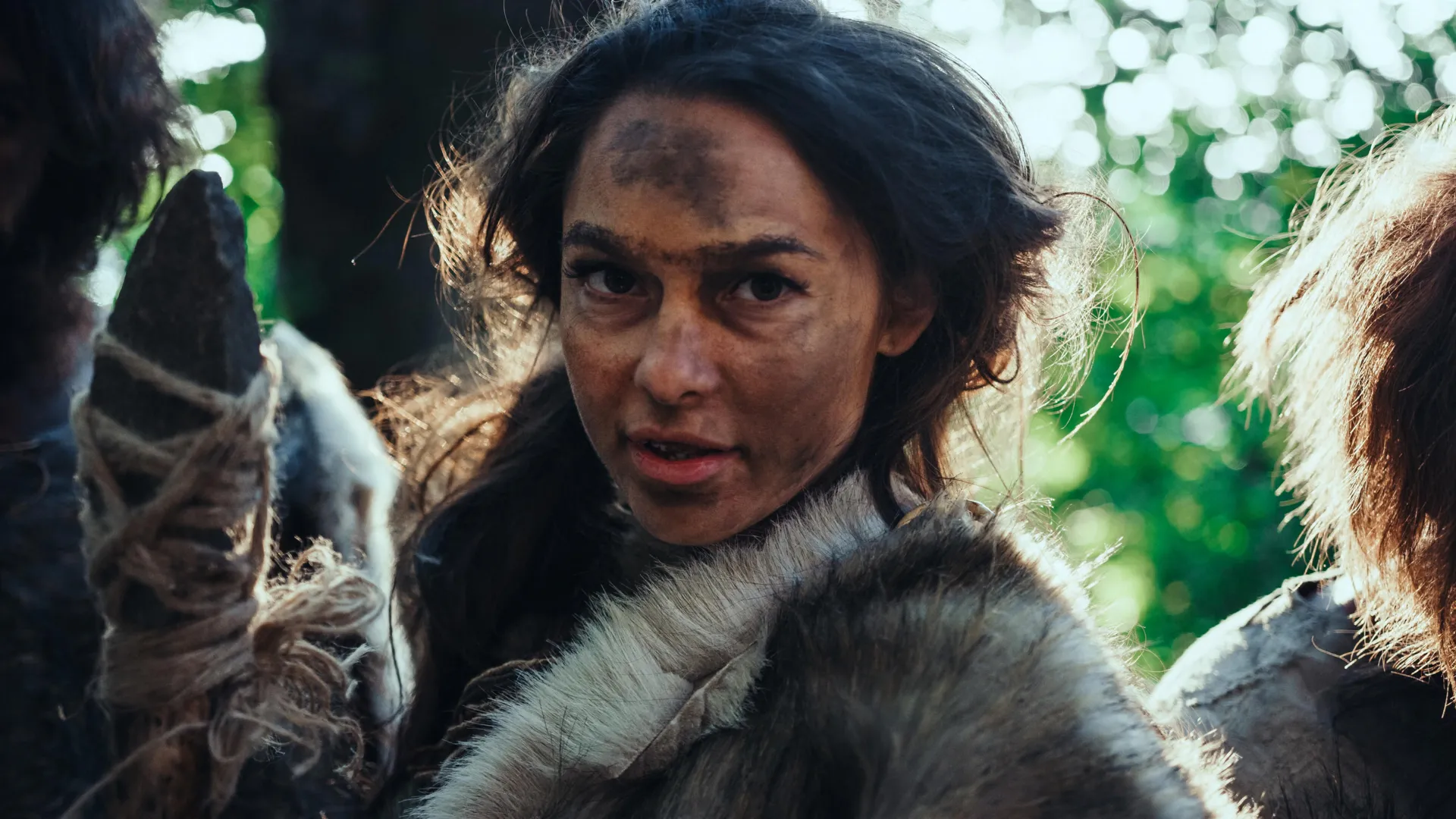
In recent years, the intersection of paleogenetics and public imagination has produced a peculiar narrative: the "prehistoric romance." When statistical analyses of human genomes suggest that Neanderthal DNA is distributed unevenly across our chromosomes—notably depleted on the X chromosome—the media is quick to spin a tale of star-crossed lovers. We are presented with a prehistoric "Romeo and Juliet," a scenario where the genetic patterns are interpreted as the lingering echoes of sexual attraction, preference, and choice.
However, a closer examination of the science, the archaeological record, and the complexities of human social structures suggests that this narrative is not merely an oversimplification; it is a fundamental misunderstanding of what genetics can and cannot tell us about the past. To understand our origins, we must look past the "tabloid romance" and confront the harsher, more complex reality of ancient social dynamics.
The Genetic Evidence: Patterns, Not Preferences
The primary catalyst for these romanticized interpretations is a well-documented genetic observation: in modern non-African humans, Neanderthal DNA is less frequent on the X chromosome compared to other chromosomes. Geneticists have long sought to explain this asymmetry. The study published in the journal Science explores several hypotheses, including natural selection, sex-biased demographic processes, and, yes, partner preference.
Yet, the authors of the study are careful to frame "partner preference" as merely one possible, parsimonious mechanism within a narrow statistical model. They explicitly state that this does not exclude other, potentially more influential factors such as biological incompatibility or demographic shifts.
The core of the misunderstanding lies in the conflation of a statistical model with historical truth. A model that can produce an asymmetry does not prove that this model reflects an lived experience. The X chromosome, for instance, is inherently more sensitive to natural selection and genetic incompatibilities. In hybridization events, males are often biologically more fragile, suffering higher rates of infertility or lower survival rates. Because a father passes his X chromosome only to his daughters, and because male hybrids in closely related groups often face severe biological hurdles, the depletion of Neanderthal DNA on the X chromosome may be a signature of biological incompatibility rather than a record of romantic choice.
Chronology of Contact and the One-Way Flow
The narrative of mutual attraction falters further when we look at the chronological and directional flow of genetic exchange. The Science study refers to an episode of admixture occurring roughly 250,000 years ago. However, the genetic record of the final, more recent contacts between Sapiens and Neanderthals—the period leading up to the latter’s extinction—tells a different story.
Available Neanderthal genomes do not show a recent, significant Sapiens contribution. Conversely, early Sapiens in Eurasia consistently exhibit Neanderthal ancestry. This creates a striking, one-way genetic flow. If we rely on the anthropological hypothesis of patrilocality—a system where women move between groups to form alliances—this asymmetry takes on a darker, more structural meaning.
In many human societies, the movement of women is not merely about reproduction; it is a mechanism for establishing alliances. If that exchange is non-reciprocal, the power dynamics of the interaction shift entirely. As hypothesized in the 2022 work Néandertal nu, the dynamic might be summarized by the stark, non-sentimental reality: "I take your sister, but I won’t give you mine." This suggests that the genetic patterns we observe today may be the legacy of an unequal, perhaps even exploitative, relationship between two distinct human worlds, rather than a mutual romantic entanglement.
Archaeological Insights: El Sidrón and the Social Scene
To move beyond the limitations of genetic sequencing, we must turn to archaeology and cultural anthropology. The site of El Sidrón in northern Spain provides one of our most robust windows into the social organization of Neanderthals.
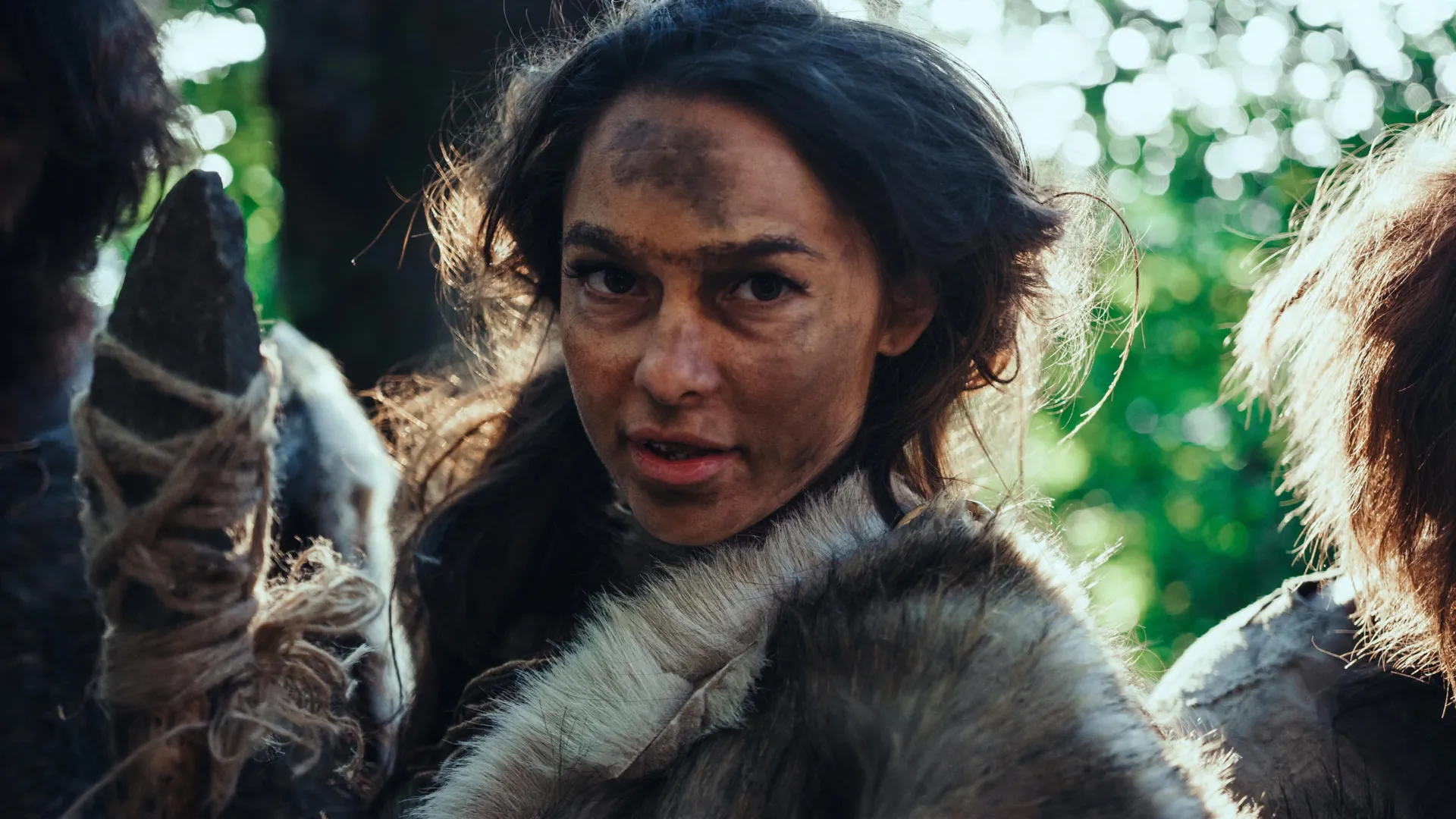
Researchers identified the remains of at least twelve individuals at the site. The mitochondrial DNA, which is inherited maternally, revealed a critical pattern: three adult males shared the same lineage, while three adult females each possessed different lineages. This provides a strong, empirical argument for a patrilocal social structure, where males remained in their natal groups while females moved between them.
This pattern is not an outlier; it is a deep-seated behavioral tendency observed across the great apes and many human societies. By recognizing that female dispersal was likely a standard practice, we can begin to reconstruct a society defined by the exchange of women, alliances, captures, and the potential for violence. The genetic asymmetry observed in our own genomes may, therefore, be a reflection of these complex social rules regarding residence and group boundary maintenance, rather than the result of individual, eroticized choices.
The Brutal Reality of Interaction
The romanticization of these interactions ignores the reality of conflict. At the site of Goyet in Belgium, archaeologists found remains of four Neanderthal females and two immature individuals exhibiting clear-cut marks, suggesting cannibalism. Isotopic signatures indicate these individuals were non-local, suggesting they were outsiders or "others" captured and consumed.
Whether this represents ritualized treatment of integrated women or simple, brutal predation, the evidence makes it clear that the prehistoric world was not a sentimental one. Our modern propensity to project our own values of desire and attraction onto the Paleolithic past is a comfort mechanism—it allows us to domesticate the "other" and find a familiar narrative in the alien. However, the reality of human interaction, both then and now, is often characterized by hierarchy, conflict, and shifting definitions of who belongs and who is an outsider.
Implications for Future Research
The lesson here is not that genetics is a "fragile" science, but that it is an incomplete one. Genes record transmissions, not social intentions. They tell us who survived, but they cannot tell us if those unions were consensual, coerced, or the result of complex geopolitical alliances.
To truly understand our origins, we must embrace a multidisciplinary approach that refuses to choose between the "hard" data of biomolecular analysis and the "soft" insights of cultural anthropology. We need to integrate the study of bones, isotopes, and genomes with a rigorous investigation of social structures:
- Rules of Residence: How did groups decide who stayed and who left?
- Hierarchy and Status: How were "strangers" integrated into existing social frameworks?
- Reciprocity: Were the exchanges of individuals between groups balanced, or did they reflect deeper structural inequalities?
Ultimately, the human experience is too vast to be reduced to its biological components. As we continue to decode the Neanderthal genome and analyze the isotopic signatures of our ancestors, we must remain vigilant against the urge to turn these fragments of data into myths of our own making.
The story of our origins is not a story of romance; it is a story of survival, of the navigation of alterity, and of the complex, often harsh, construction of human society. The body, its bones, and its genes are merely the stage; the actual drama of the past lies in the social rules and the unseen hierarchies that governed the lives of those who walked before us. It is time we stopped looking for ourselves in the past and started looking for the reality of those who lived it.