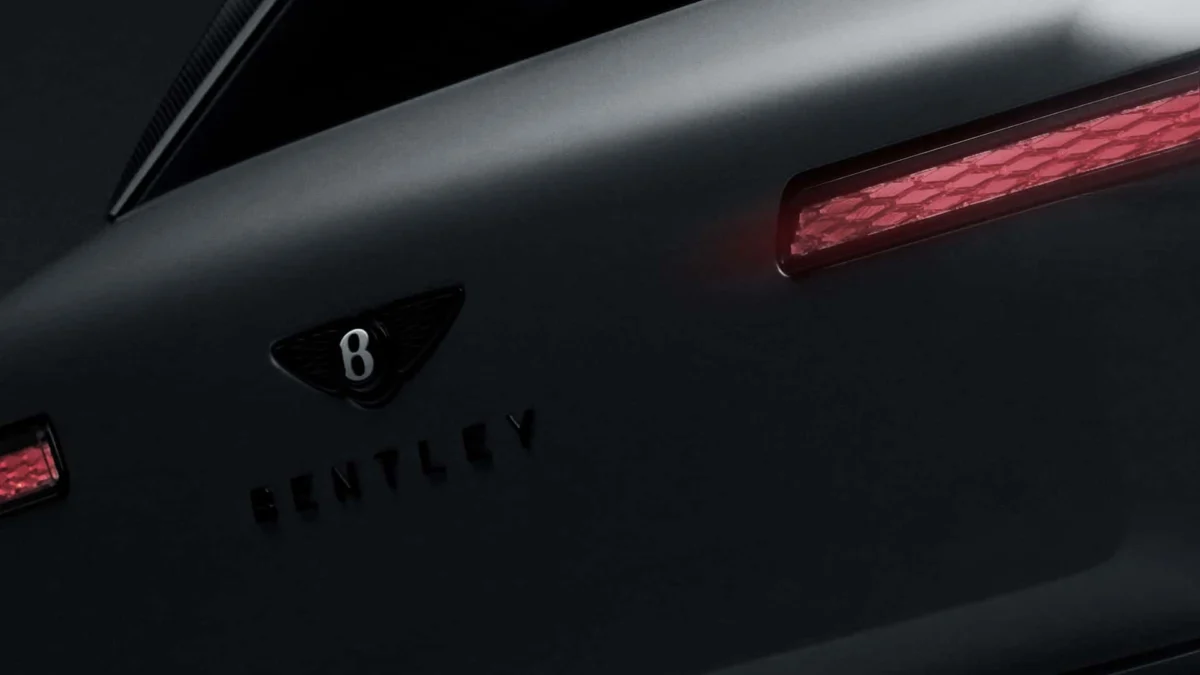
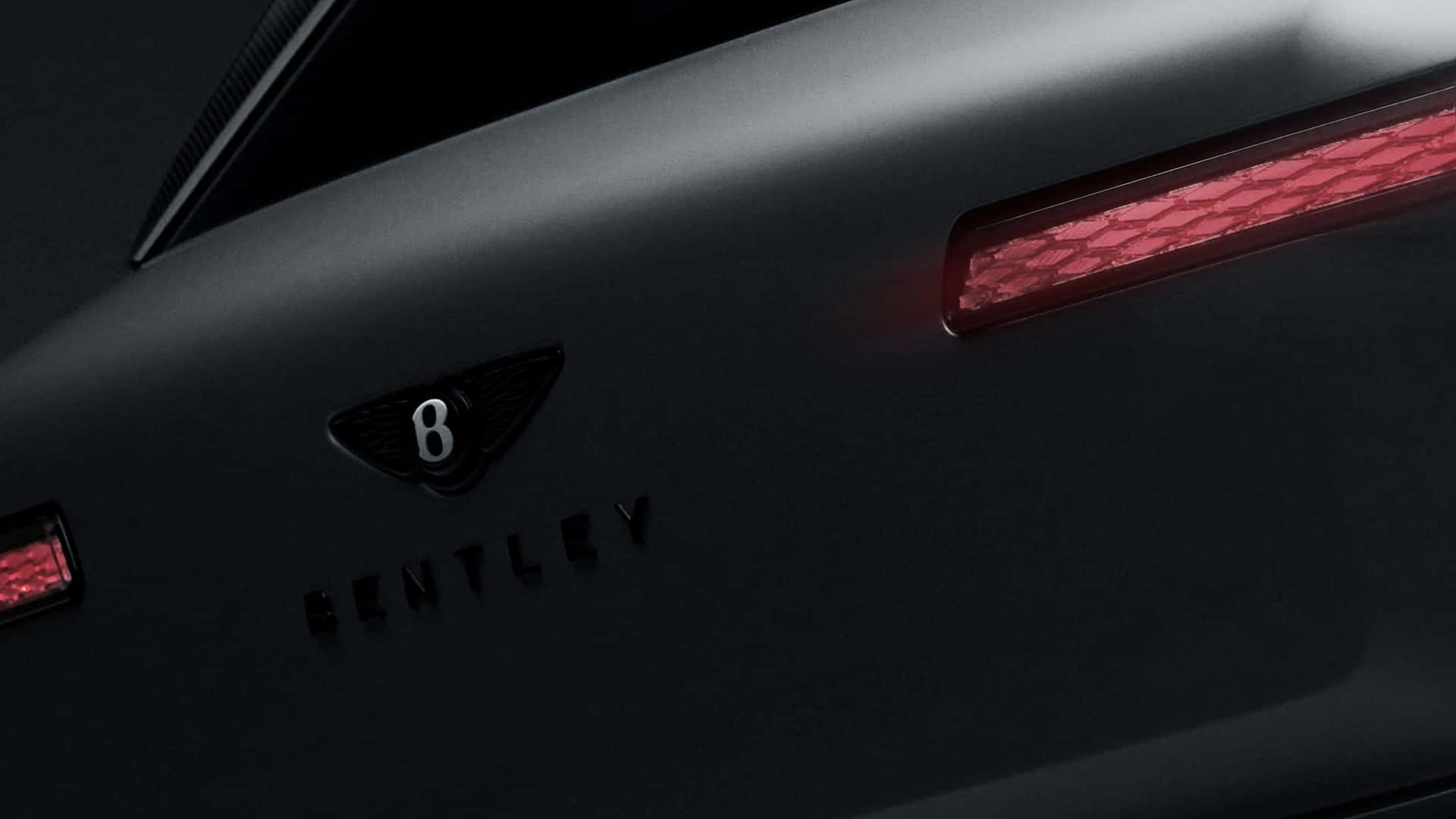
In a monumental shift for one of the world’s most storied automotive marques, Bentley Motors has officially confirmed the name of its inaugural battery-electric vehicle (BEV). Set for a grand reveal in London on September 23, the model, officially christened the Torcal, represents a radical departure for the Crewe-based manufacturer. While Bentley has historically been defined by the thunderous, character-rich performance of its W12 and V8 internal combustion engines, the Torcal serves as the vanguard for a new, silent, and sustainable chapter in the brand’s history.
The Evolution of the Bentley Roadmap
For several years, Bentley had championed a bold, industry-leading timeline: a fully electric-only lineup by 2030. However, the automotive landscape has proven volatile, and like many of its peers in the ultra-luxury segment, Bentley has recalibrated its ambitions. The company now intends to maintain a dual-path strategy, continuing to offer highly refined plug-in hybrids and combustion-powered vehicles alongside its new electric fleet well into the next decade.
Despite the shift in the corporate master plan, the arrival of the Torcal remains the most anticipated event on the brand’s calendar. Originally referred to by the internal placeholder "Urban SUV," the vehicle was designed to bridge the gap between the traditional, stately presence of a Bentley and the agility required for modern metropolitan navigation. By choosing the name "Torcal"—inspired by the breathtaking, naturally sculpted limestone landscape of El Torcal de Antequera in Andalusia, Spain—Bentley is signaling a return to its tradition of naming vehicles after majestic natural landmarks, a lineage that includes the Bentayga, the Batur, and the exclusive Bacalar.
A Legacy of Design: From Concept to Reality
The journey toward the Torcal began long before the first production prototype hit the Nürburgring. Design cues for the new SUV draw heavily from the EXP 15 concept—a vehicle that challenged the status quo with its unconventional, asymmetrical door layout. While the production-ready Torcal will adopt a more pragmatic and widely accepted four-door configuration, industry observers expect the vehicle to retain the sharp, modern aesthetic sensibilities showcased in the EXP 15.
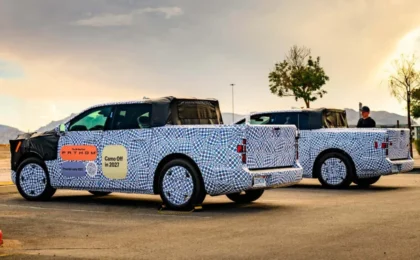
The contrast between the incoming Torcal and the current Bentayga is significant. While the Bentayga has served the brand admirably for over a decade—with its design roots tracing back to the 2012 EXP 9 F concept—the Torcal is intended to feel like a generational leap. It is not merely an electric version of an existing platform; it is a bespoke architecture designed from the ground up to embody the future of ultra-luxury electric mobility. Spy footage of camouflaged prototypes undergoing high-speed testing in Germany suggests a silhouette that is boxy yet aerodynamically sculpted, balancing the iconic "Flying B" stature with the clean, futuristic lines necessitated by electric efficiency.
The Engineering Underpinnings: Leveraging the Volkswagen Group
One of the most frequent questions surrounding the Torcal involves its technical DNA. Given that Bentley operates under the umbrella of the Volkswagen Group, it is widely understood that the Torcal will not be developed in total isolation. Industry insiders point toward the highly advanced Premium Platform Electric (PPE) architecture—the same foundation supporting the upcoming Porsche Cayenne Electric—as the likely backbone of the new Bentley.
Utilizing this shared technology allows Bentley to tap into state-of-the-art power delivery systems. If the Torcal mirrors the performance metrics of its German stablemate, buyers can expect staggering capabilities. The PPE platform is known for supporting dual-motor setups capable of producing up to 1,140 horsepower and an earth-moving 1,106 pound-feet of torque. Such figures would ensure that, despite the heavy battery weight inherent to EVs, the Torcal would possess the "effortless performance" that has been a hallmark of Bentley engineering for a century.
Furthermore, the integration of 800-volt charging technology is expected to be a game-changer for the brand. Current benchmarks suggest that a 10-to-80 percent charge could be achieved in less than 16 minutes, with the ability to reclaim over 300 kilometers of range in just 10 minutes. This level of convenience is essential for a vehicle targeted at high-net-worth individuals who demand luxury without the penalty of extended downtime.
Performance and Technical Benchmarks
While Bentley remains tight-lipped on the specific performance figures for the Torcal, the trajectory set by the Porsche Cayenne Electric provides a compelling glimpse into what is possible.
- Acceleration: The platform is capable of propelling a large SUV to 62 mph (100 km/h) in a blistering 2.5 seconds.
- Battery Capacity: The inclusion of a 113-kWh battery pack would likely offer a range exceeding 600 kilometers (approx. 400 miles) on the WLTP cycle, making the Torcal a viable vehicle for long-distance grand touring.
- Charging Infrastructure: With support for up to 400-kW charging, the Torcal is positioned to be one of the fastest-charging vehicles in the ultra-luxury segment.
Beyond raw speed, the vehicle is expected to feature advanced chassis technology, likely including air suspension with active anti-roll control to mask the vehicle’s mass. The challenge for Bentley’s engineers will be to replicate the "waftability" of a traditional Bentley—that feeling of being propelled by a limitless, silent force—without the acoustic character of an internal combustion engine.
Market Reception and Strategic Implications
The decision to introduce the Torcal as a fourth model line rather than a replacement for an existing vehicle is a calculated move. By diversifying its portfolio, Bentley can cater to a wider demographic. The company is clearly betting that the market is ready for a, "Bentley-fied" electric experience.
Mike Rocco, CEO of Bentley North America, recently shared insights from exclusive, behind-closed-doors viewings of the Torcal in Miami and Los Angeles. According to Rocco, the reception was overwhelmingly positive, with 80 percent of attendees expressing a firm intent to purchase the vehicle. This data suggests that while there is an vocal contingent of traditionalists who cling to the combustion engine, the core Bentley customer base is increasingly open to—and perhaps even desiring—an electric future, provided it is executed with the brand’s characteristic attention to detail.
A New Definition of Luxury
As the September 23 debut approaches, the automotive world is watching to see how Bentley will balance heritage with innovation. The Torcal is more than just a car; it is a statement of intent. It must prove that an electric vehicle can possess the same "soul" as a Continental GT or a Mulsanne.
The inclusion of bespoke cabin materials, artisanal craftsmanship, and a level of quietness that only an EV can achieve will likely define the Torcal’s success. For Bentley, the Torcal is the answer to a changing world. It is an acknowledgement that while the roar of an engine has been the heartbeat of the brand for 100 years, the future of luxury is silent, swift, and entirely electric.
As we look toward the unveiling in London, the message from Crewe is clear: the era of the electric Bentley has finally arrived, and it promises to be every bit as imposing and refined as the history that preceded it. The Torcal is not merely chasing the electric trend; it is aiming to redefine the segment entirely, proving that even in a world of lithium-ion and software-defined vehicles, the essence of the "Flying B" remains unchanged.