The automotive world is often defined by small, utilitarian innovations that transcend their humble origins to become brand hallmarks. For BMW, few features were as synonymous with the "Sport Activity Vehicle" (SAV) identity as the split-folding tailgate. Since the debut of the first-generation E53 X5 in 1999, the two-piece hatch—featuring a power-operated upper glass section and a manually (or power) operated lower drop-down section—has been the defining characteristic of the model’s versatility.
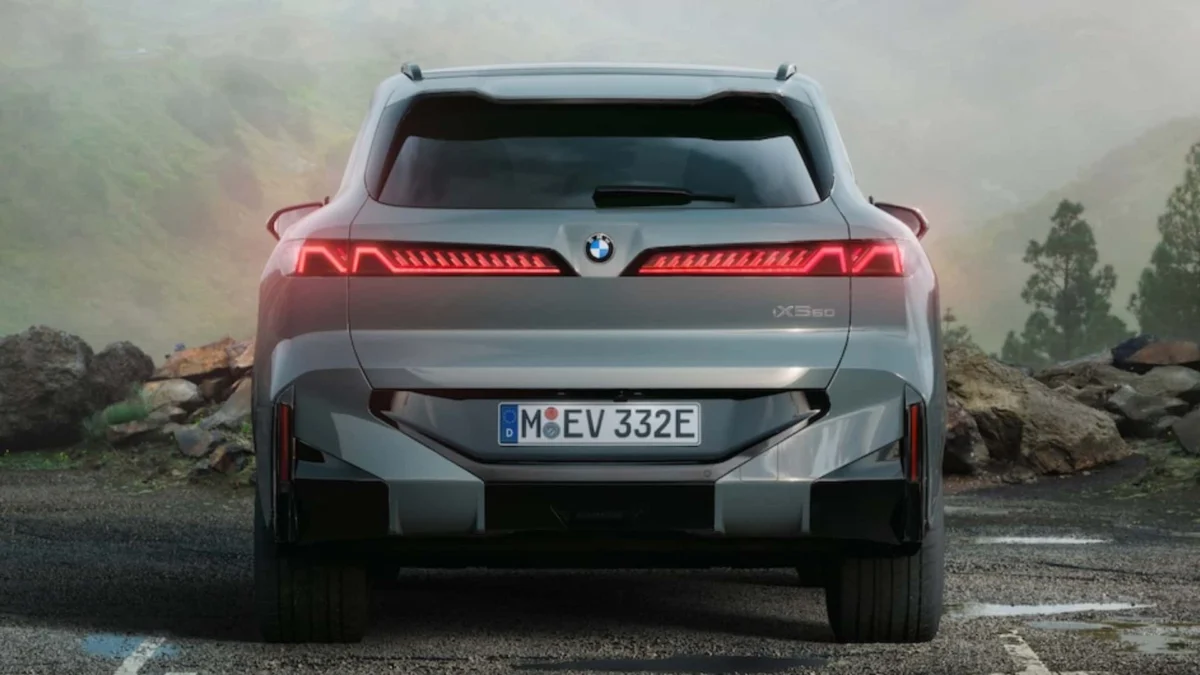
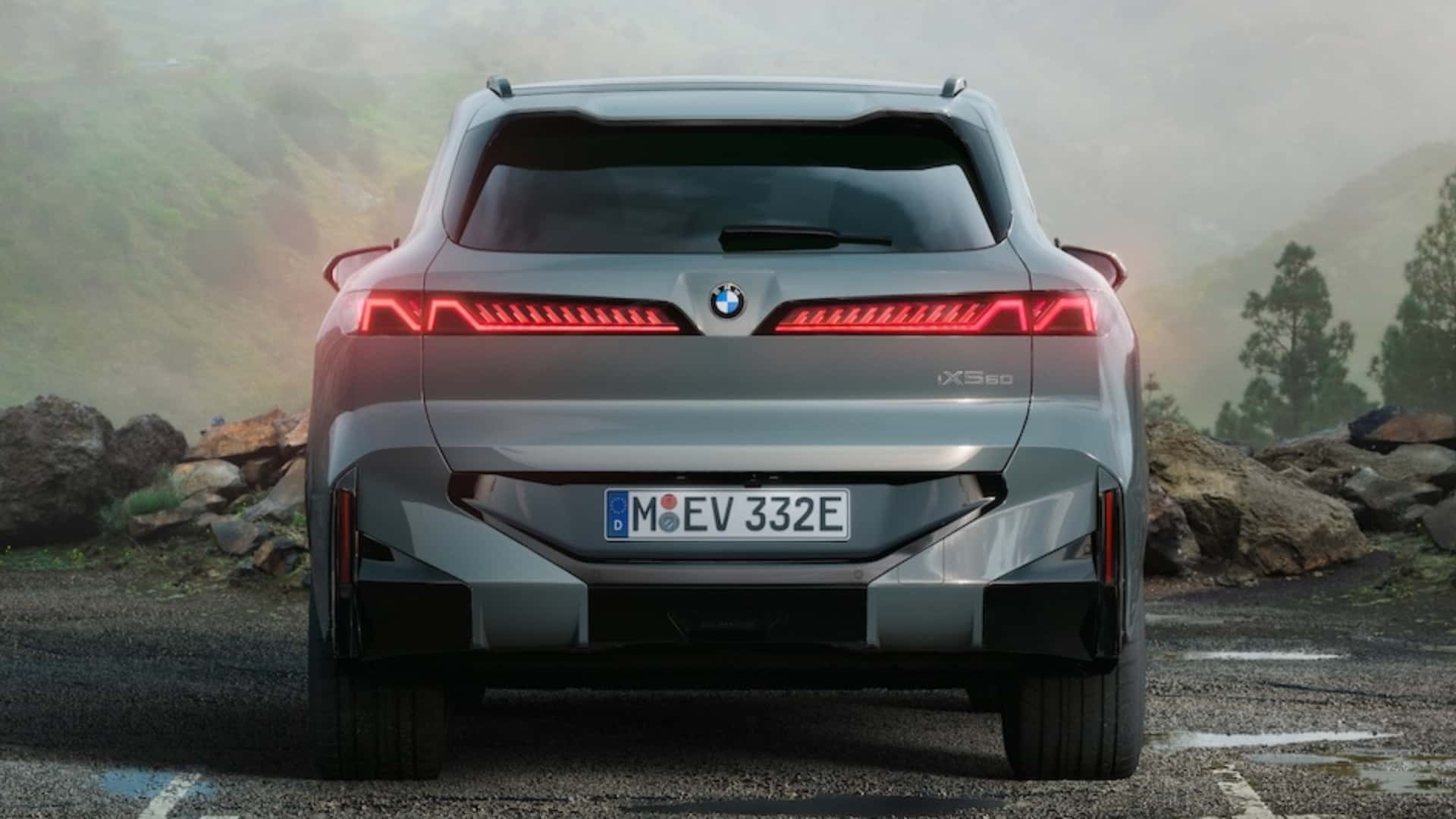
However, as BMW prepares to launch the fifth-generation X5 for the 2027 model year, the manufacturer has confirmed a controversial design shift: the complete removal of the split-folding tailgate. While the headlines surrounding the upcoming lineup have focused on the diverse range of powertrains—including gasoline, plug-in hybrid, and battery-electric options—the death of this signature feature has sparked a heated debate among enthusiasts, loyalists, and industry analysts.
A Legacy Lost: The Chronology of the Split Tailgate
To understand the weight of this decision, one must look at the historical context of the BMW X5. When the X5 launched in 1999, it was marketed as a vehicle that combined the performance of a sports sedan with the ruggedness of an off-roader. The split tailgate was not merely a stylistic choice; it was a nod to the "adventure-ready" ethos of the era. It served as a bench for changing boots after a ski trip, a staging area for camping gear, and a convenient shelf for loading heavy groceries without items rolling out onto the pavement.
For over two decades, the X5 remained a steadfast holdout in a market that was rapidly moving toward single-piece liftgates. While competitors like the Toyota Land Cruiser, the Mercedes-Benz GLE, and the Audi Q7 moved to conventional top-hinged doors to save on manufacturing costs and mechanical complexity, the X5 kept the dream alive. It was a tangible link to the heritage of the SUV segment. By eliminating it in the 2027 model, BMW is effectively signaling the end of an era, transitioning the X5 from a utility-first SAV to a more streamlined, aerodynamic luxury crossover.
The Manufacturer’s Rationale: Engineering vs. Ergonomics
During the global launch event in Spartanburg, South Carolina, the decision was defended by Philip Koehn, BMW’s Director of Luxury Class Cars for BMW Alpina and Rolls-Royce. When pressed on why the company would discard a feature so beloved by its core demographic, Koehn pointed toward an unexpected culprit: human ergonomics.
"Any average person with average arm length is actually struggling," Koehn stated during the briefing. "If you’re perfectly honest, the split tailgate is in itself a cool thing with the low-end opening, and a normal-sized person will really struggle to load, or even more importantly, unload the boot."
According to Koehn’s logic, the lower portion of the tailgate creates a "gap" between the user and the deepest part of the cargo area. By forcing owners to reach over the dropped tailgate, BMW argues that the design actually hinders accessibility for the average user, particularly when retrieving items that have slid toward the rear seats.
Furthermore, Koehn highlighted the aesthetic and functional evolution of the vehicle’s silhouette. "The other bit is that the new X5 has a bit faster roofline, hence the top end of the tailgate has come down a bit, and therefore the overall height of the tailgate actually has been reduced, but by contrary, we’ve opened, we’ve increased the width of the aperture."
In essence, BMW claims that the move to a single-piece liftgate allows for a wider, more accessible opening that compensates for the loss of the "shelf" provided by the lower gate.
Contradictory Data and Social Sentiment
Despite the firm stance taken by BMW’s leadership, there is a distinct lack of empirical data to support the claim that owners find the split tailgate cumbersome. No surveys or customer satisfaction studies were presented during the press conference to quantify the number of users who purportedly "struggle" with the feature.
In contrast, social media forums, owner groups, and long-term reviews paint a starkly different picture. For many, the split tailgate is the primary reason they chose the X5 over competitors. Owners frequently cite the lower tailgate as the most convenient feature for tailgating, dog owners, and families.
The disconnect between the manufacturer’s justification and the public’s perception suggests that there may be ulterior motives. Critics have long argued that split tailgates are heavy, expensive to manufacture, and prone to mechanical failures over time. By moving to a single-piece design, BMW stands to reduce the vehicle’s curb weight, lower production costs, and simplify the supply chain—all of which are critical factors as the company pivots toward an increasingly electrified lineup where every kilogram matters for range optimization.
Implications for the 2027 BMW X5 Lineup
The 2027 X5 represents a massive technological leap for the brand. The move toward a more "aerodynamic" rear profile, necessitated by the pursuit of greater range for the electric iX5, is likely the true driver behind the design change. A split tailgate requires a complex locking mechanism and a structural frame that often interferes with the sleek, tapering rooflines required to minimize drag coefficients.
As the industry moves toward "Software Defined Vehicles," hardware features that do not directly contribute to efficiency or digital connectivity are increasingly being purged. The removal of the split tailgate is a symbolic casualty of this transition. It marks the shift from the X5 being an "Activity Vehicle" to an "Electric Crossover," where the priorities are no longer about outdoor utility but about range, battery packaging, and global parts standardization.
The Verdict: A Loss for the Enthusiast
While BMW might argue that the new, wider aperture of the single-piece liftgate is an improvement, it fails to account for the qualitative experience of the vehicle. A car is more than the sum of its cargo-loading statistics; it is defined by the features that make ownership unique. The split tailgate was a "signature" BMW element that provided a sense of occasion—whether it was sitting on the tailgate at a scenic overlook or simply enjoying the clever engineering of the German design.
By removing it, BMW is streamlining the X5 to compete more effectively in a crowded, homogeneous market of luxury EVs. They are optimizing for the average buyer who values efficiency and modern aesthetics over the quirks that made the X5 a legend.
As we look toward the late 2026 release date, the 2027 X5 will undoubtedly be a technological marvel, likely boasting better range, faster charging, and improved interior tech. Yet, for those of us who have spent years utilizing that lower tailgate for everything from mountain biking gear to weekend grocery hauls, its absence will be felt every time we reach into the back.
BMW has won the argument on efficiency, but in doing so, they have lost a piece of their soul. The 2027 X5 may be a better machine on paper, but it is, without a doubt, a less distinct vehicle in practice. The industry continues to evolve, but as we lose these small, thoughtful touches, the automotive landscape becomes just a little bit more uniform, and a little less interesting.