By Ryan Epps
Published July 4, 2026
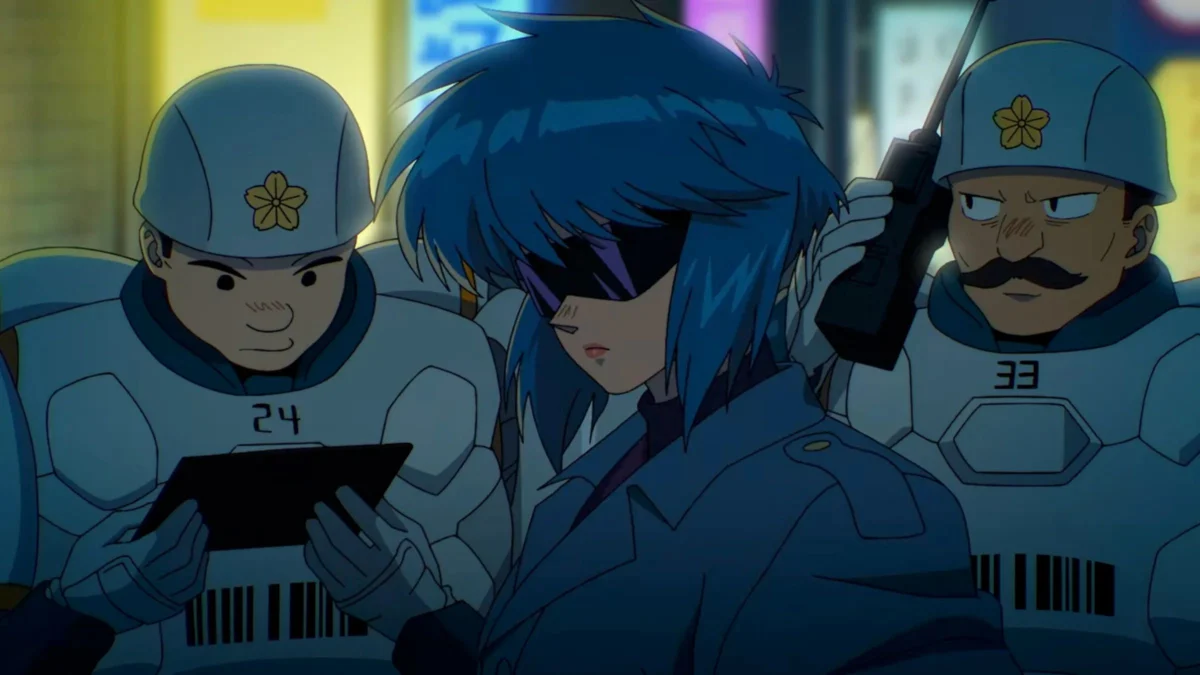
Since Masamune Shirow’s seminal manga first hit newsstands in 1989, The Ghost in the Shell has served as the bedrock of modern science fiction. It is a franchise that has transcended its medium, influencing the aesthetic and philosophical foundations of everything from The Matrix to the interactive landscapes of modern video games. Following its highly anticipated premiere at Anime Expo, the latest iteration of the series—produced by the visionary studio Science Saru—has arrived not as a mere reboot, but as a bold, vibrant re-imagining that challenges everything we thought we knew about Major Motoko Kusanagi and her world.
The Evolution of an Icon: Chronology and Legacy
The history of Ghost in the Shell is a history of re-interpretation. The franchise has survived through multiple distinct iterations, each reflecting the technological anxieties of its time:
- 1989: Masamune Shirow publishes the original manga, a dense, philosophically charged work that balanced hard-boiled police procedural tropes with transhumanist inquiry.
- 1995: Mamoru Oshii releases his landmark feature film, stripping away much of the manga’s humor to create a somber, existential masterpiece that defined the visual language of cyberpunk for a generation.
- 2002: Stand Alone Complex (SAC) debuts, focusing on the bureaucratic and tactical intricacies of Public Security Section 9, grounding the franchise in a procedural framework.
- 2026: Science Saru debuts its new adaptation, promising a "100% faithful" return to the manga’s roots while injecting a contemporary, kinetic energy that feels entirely fresh.
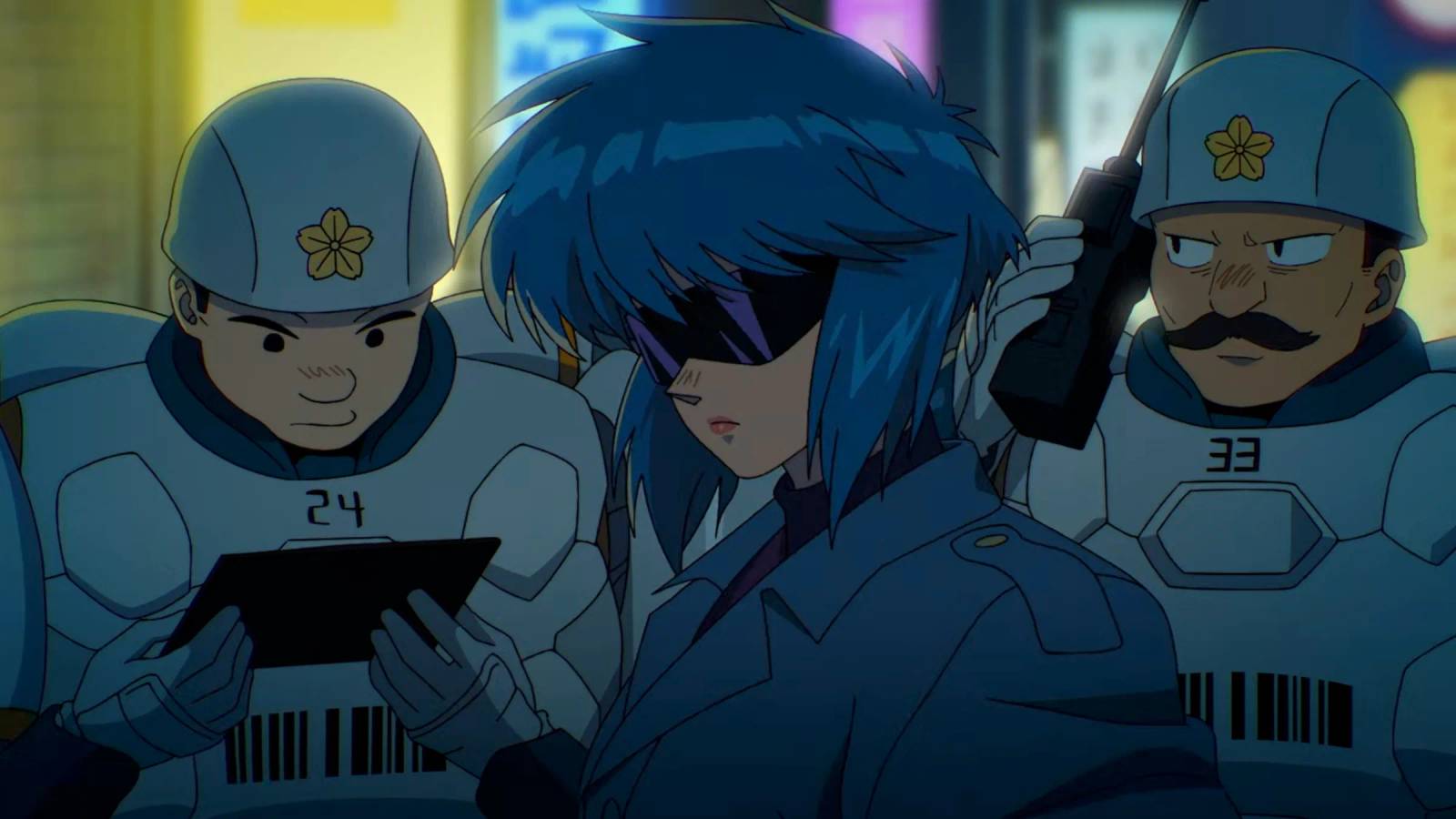
The new series, which premiered its first two episodes to a rapturous crowd at Anime Expo, signals a departure from the "dark and brooding" aesthetic established by Oshii. Instead, Science Saru has opted for a brighter, more character-driven approach that prioritizes the humanity of the Major over the cold, clinical distance often associated with her character.
A Humanizing Shift: The New Motoko Kusanagi
The most striking element of this adaptation is the portrayal of Major Motoko Kusanagi. In previous iterations, the Major was often depicted as a stoic, detached figure, heavily burdened by the philosophical weight of her own existence. Science Saru’s version presents a Kusanagi who is decidedly more "spunky" and approachable.
This Kusanagi laughs. She teases her subordinates. She is a team leader who operates with a heart of gold rather than a wall of indifference. This shift serves a vital narrative purpose: it grounds the high-concept science fiction in genuine human relationships. When the Major hacks an adversary’s ghost—not just to disable them, but to force them to punch themselves—the scene carries a playfulness that makes the world of Section 9 feel lived-in and vibrant. By removing the "ice queen" archetype, the series allows the audience to bond with Kusanagi in a way that previous adaptations rarely permitted.
Technical Mastery: The Science Saru Aesthetic
Under the direction of Mokochan, the visual language of the series is nothing short of a revolution. The animation studio has employed a unique, multi-faceted approach to cinematography that leverages:
- Dynamic Framing: The use of extreme overhead shots and varied perspectives—simulating brain-dive sequences and Fuchikoma optics—provides the audience with a sense of immersion that feels tactile and immediate.
- Spectral Lighting: The series makes masterful use of naturalistic lighting, particularly in how sunlight interacts with interior spaces. These moments of "spellbinding glow" provide a necessary contrast to the harsh, sterile neon of the typical cyberpunk environment.
- The Score: The music, a fusion of jazz and electronic pulses, serves as a love letter to the auditory legacy of the franchise. It evokes the best elements of Innocence while maintaining a tempo that feels contemporary and urgent.
Philosophical Grounding in a Digital Age
Despite the visual and tonal shift toward a more fun and vibrant aesthetic, the core of Ghost in the Shell remains firmly rooted in the questions that have defined the series for nearly four decades.
The series explores the permeability of the digital veil. As we move deeper into the mid-2020s, the themes of surveillance, the sanctity of consciousness, and the blurring of human identity in an era of ubiquitous networks have never been more relevant. However, where older versions treated these themes as a philosophical thesis, this new series treats them as the backdrop for human drama. The show asks: If the world is constantly being reshaped by networks, how do we hold onto the "ghost" within the shell? The answer, according to Science Saru, lies in our connections to one another.
Official Responses and Industry Reception
The premiere at Anime Expo was met with a level of critical acclaim that is rarely seen for legacy remakes. Industry analysts have noted that the studio’s decision to move away from the "dark and brooding" tropes of the 90s was a calculated risk that appears to have paid off.
"The absence of the heavy, somber atmosphere of the 1995 classic is not a lack of depth," one critic noted during the post-screening panel. "It is a deliberate choice to favor a more grounded, character-centric story that allows the complex world-building of Masamune Shirow to breathe."
The production team emphasized that this series was intended to be a love letter to the entire franchise—not just the manga, but the way the series has grown and changed in the minds of its fans over the last 37 years.
Implications: A New Standard for Adaptations
The success of these initial episodes suggests a shift in how classic anime properties might be handled in the future. Rather than attempting to replicate the specific "vibe" of a classic work, Science Saru has successfully deconstructed the source material and rebuilt it for a modern audience.
By balancing the dense, cyberpunk atmosphere of the original manga with a more contemporary, vibrant visual style, the studio has effectively future-proofed the property. It serves as a reminder that these stories are not museums to be preserved in amber, but living narratives that should evolve alongside their audience.
Conclusion: Why This Matters
As the world of The Ghost in the Shell prepares for its wide release on Prime Video starting July 7, the early evidence suggests we are witnessing a high-water mark for the franchise. The series proves that you can stay true to the intellectual heart of a property while making it accessible, fun, and visually exhilarating.
For veterans of the series, there are plenty of easter eggs and callbacks to enjoy—familiar scenes re-contextualized in startling new ways. For newcomers, the series offers the perfect entry point into a world that, despite being decades old, feels as if it were written for today. If the remainder of the season maintains the quality of these first two episodes, we are looking at not just the best Ghost in the Shell adaptation, but a potential candidate for the definitive anime series of the decade.
The Ghost in the Shell begins streaming on Prime Video on July 7, 2026.