By Ryan Epps
Published: July 4, 2026
The halls of the Los Angeles Convention Center were electric this weekend as Anime Expo hosted the long-awaited world premiere of Bleach: Thousand-Year Blood War — The Calamity. For a franchise that has spanned over two decades, this latest installment represents more than just a seasonal return; it is the definitive conclusion to a saga that has fundamentally redefined the visual language of modern shonen anime.
Following a successful theatrical run in select U.S. markets, the premiere provided an unfiltered look at what promises to be the most ambitious adaptation of Tite Kubo’s legendary manga to date. As the Soul Society teeters on the brink of total collapse, The Calamity signals a departure from the episodic skirmishes of the past, opting instead for a sweeping, cinematic narrative that grapples with the existential fate of all three realms of existence.
The Weight of Reality: A Chronology of the Conflict
The narrative trajectory of The Calamity picks up at a fever pitch. With Yhwach’s relentless assault on the Royal Palace, the delicate balance between the Soul Society, the human world, and Hueco Mundo has begun to fracture. The inciting incident of this new chapter sees the remaining Captains of the Gotei 13 and their allies pushed into a corner where survival is no longer guaranteed, and victory requires sacrifice.
The Escalation
In the wake of previous defeats, the stakes have shifted from personal vendettas to the preservation of reality itself. Ichigo Kurosaki, the series’ iconic protagonist, finds himself at a crossroads. Unlike the early days of the series, where combat was defined by individual skill, the current conflict is an all-encompassing war of attrition. The opening episodes showcased at Anime Expo emphasize this transition, moving away from isolated, static duels and toward high-stakes, multi-front tactical combat that demands the full attention of the viewer.
A Masterclass in Directorial Vision
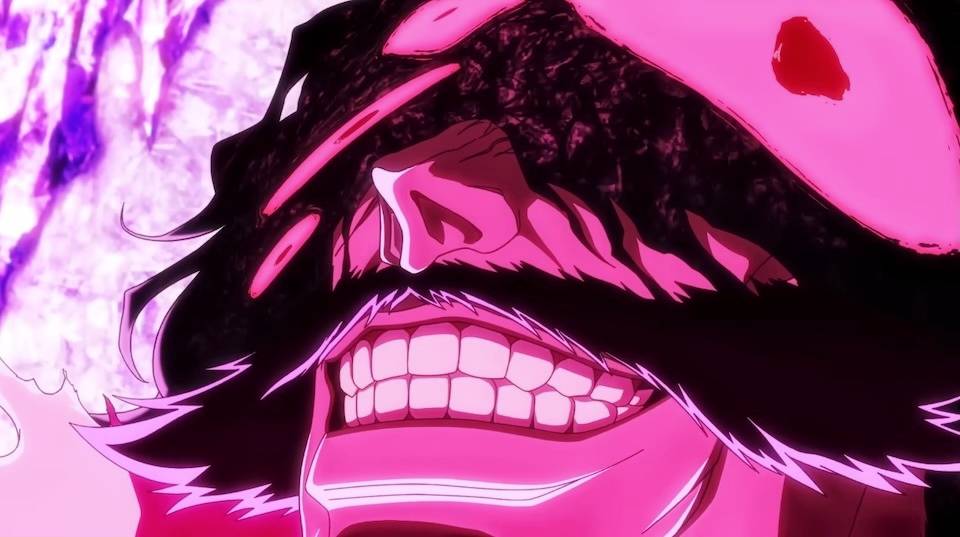
The production, helmed by chief director Tomohisa Taguchi and series director Hikaru Murata, showcases the prowess of Pierrot Films. Established specifically to elevate the Bleach brand beyond its mid-2000s television roots, the studio has leaned into a "prestige" aesthetic. The visual language of The Calamity utilizes 360-degree aerial choreography and a sophisticated color palette—dominated by deep, haunting purples and ethereal blues—to articulate the chaos of a collapsing world.
Supporting Data: Why ‘The Calamity’ Matters
The success of Thousand-Year Blood War is not merely anecdotal; it is backed by a shift in industry standards for long-running anime adaptations. By choosing to adapt the final arc in "cours" (split segments), the production team has managed to avoid the pacing issues that plagued many classic shonen series.
- Production Philosophy: By incorporating direct input from Tite Kubo, the studio is effectively "patching" the manga’s original, famously rushed ending. This collaborative effort ensures that character arcs that felt truncated in the print medium are given the screen time they deserve.
- Aesthetic Continuity: The return of Shiro Sagisu’s orchestral score, paired with Masashi Kudo’s character designs, acts as a bridge between the nostalgia of the 2004 original and the sharp, high-definition standards of 2026.
- The "Prestige" Effect: The decision to bring this arc to theaters prior to the streaming release marks a significant milestone in how anime is marketed, treating episodes with the same reverence as blockbuster action cinema.
Character Dynamics and Tactical Evolution
The premiere episode offered a deep dive into the evolving power dynamics of the series. Fans were particularly treated to a masterclass in animation during the sequence involving Yoruichi Shihōin. Her signature technique, Shunkō: Raijin Senkei, was rendered with a level of kinetic energy that set a new benchmark for the series.
Furthermore, the juxtaposition of Renji Abarai’s desperate struggle to hold off the Sternritter and the main group’s infiltration of the Royal Palace served to heighten the tension. The sequence involving the "Gift Ball Deluxe" and the subsequent interaction between Yoruichi and Kisuke Urahara provided a much-needed moment of levity amidst the grim reality of the war. These character beats are crucial, as they remind the audience that despite the grand scale of the conflict, the emotional stakes remain anchored in the bonds between the core cast.
Official Responses and Industry Impact
During the post-screening panel at Anime Expo, representatives from VIZ Media and the production staff emphasized the collaborative nature of this project. "Our goal," stated a member of the production team, "was to ensure that every frame serves the narrative. We aren’t just adapting a story; we are completing a legacy."
The reaction from fans and critics alike has been overwhelmingly positive, with many noting that the series has successfully bridged the gap between old-school fans who grew up with the 2004 anime and a new generation of viewers accustomed to the high-octane production values of shows like Jujutsu Kaisen or Demon Slayer.
The implications for the industry are clear: the "Big Three" of the 2000s are undergoing a renaissance, but Bleach has arguably set the highest bar for how an older property can be modernized without losing its original identity.

Future Implications: The End of the Path
As we look toward the remainder of The Calamity, several key questions remain. How will the series handle the final confrontation between Ichigo and Yhwach? Will the expanded material provide enough context for the enigmatic motivations of the Quincy?
For the casual viewer, The Calamity offers a visual spectacle that stands on its own. For the die-hard manga reader, however, it represents a unique opportunity to witness a vision realized in full. The "rushed" feeling of the manga’s final chapters is nowhere to be found here; instead, we have a deliberate, thoughtful, and explosive conclusion that treats the source material with profound respect.
As the premiere concluded, the palpable sense of anticipation in the room suggested that The Calamity is not just a season of television—it is a cultural event. With its premiere scheduled for July 25 on Disney Plus (internationally) and Hulu (in the U.S.), the global audience is poised to witness what might very well be remembered as one of the greatest anime seasons of the decade.
The battle for the Soul Society is officially underway, and if the first episode is any indication, the final stand of the Shinigami will be a memory that fans carry for another twenty years. The wait was long, but as the final credits rolled, it became clear: the wait was worth every second.