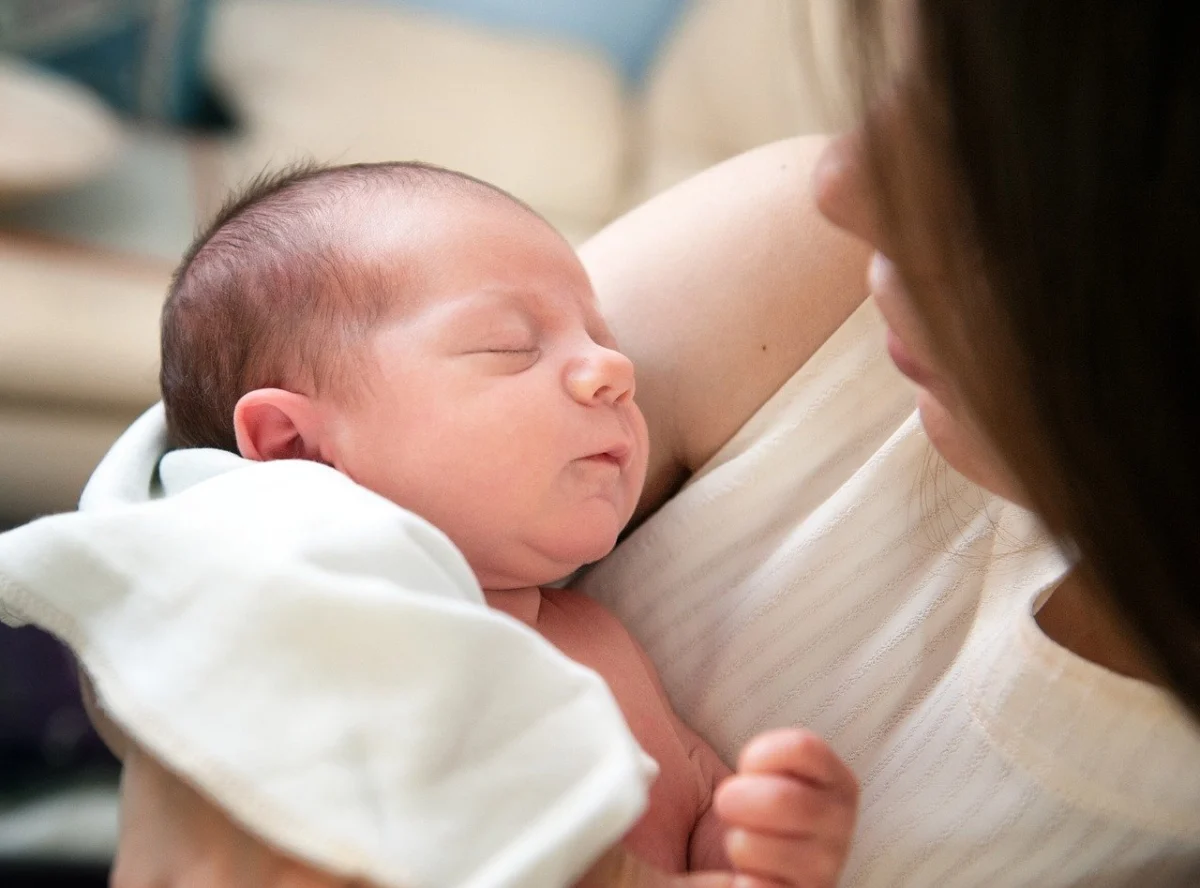
In an unprecedented move toward historical accountability, both the British and Dutch governments have issued formal, high-level apologies to the thousands of families torn apart by state-sanctioned forced adoption practices during the mid-20th century. These dual admissions of guilt mark a pivotal moment in social history, as two nations finally acknowledge the systemic coercion used to strip unmarried mothers of their children, a practice once cloaked in the guise of "moral righteousness."
The Weight of the Past: An Overview of Systematic Coercion
Between the post-war years and the late 1980s, the United Kingdom and the Netherlands oversaw social welfare systems that treated unmarried motherhood as a profound moral failing. Under the pressure of societal norms that prioritized the "traditional" nuclear family, state institutions and religious bodies colluded to facilitate the removal of infants from their birth mothers.
In the UK, this era—spanning roughly 1949 to 1976—saw thousands of young women coerced into "mother-and-baby homes." These institutions, often run by or in conjunction with the Church of England and other religious organizations, were framed as shelters for those who had committed the "shameful act" of conceiving outside of wedlock. In reality, they functioned as assembly lines for adoption. Mothers were frequently intimidated, drugged, or manipulated into signing away their parental rights, often under the false promise that they would be "better off" without their children.
Simultaneously, the Netherlands grappled with its own dark chapter. Between 1956 and 1984, the Dutch state facilitated the adoption of approximately 15,000 newborns under similar conditions of social pressure and systemic oversight. For decades, the voices of these birth mothers and their children were suppressed by the very institutions that claimed to be protecting them.
A Chronology of Injustice: From Stigma to State Policy
The history of these forced adoptions is not merely a collection of isolated incidents, but a timeline of institutionalized cruelty.
- 1949–1960s (The Formative Years): Following World War II, the British government and religious institutions tightened social control over "morality." The creation of mother-and-baby homes became the standard response to "illegitimacy."
- 1956 (The Beginning of the Dutch Crisis): The Netherlands began to see a rise in institutionalized pressure regarding domestic adoptions, a trend that would persist for nearly three decades.
- 1970s (The Turning Point): As societal views on single motherhood began to shift, the prevalence of these homes in the UK began to decline. However, the psychological damage to the thousands of women and children caught in the system had already been inflicted.
- 1984 (End of the Dutch Era): The specific period of widespread forced domestic adoption in the Netherlands reached its conclusion, though the silence surrounding these events would last for decades more.
- 2021–2024 (The Push for Truth): Advocacy groups in both nations intensified their efforts to bring these stories to light, pushing for parliamentary inquiries and formal state recognition of the trauma involved.
- 2026 (The Official Reckoning): The British Prime Minister and the Dutch Cabinet issued simultaneous, historic apologies, finally placing the responsibility on the state rather than the mothers.
Supporting Data: The Scale of the Tragedy
The numbers behind these apologies reveal a staggering human cost. Historians and human rights organizations have spent years compiling evidence that challenges the "righteous" narrative once peddled by the state.
The UK Context
Estimates suggest that between 300,000 and 500,000 children were separated from their mothers in the UK and the Republic of Ireland during the mid-20th century. The system was characterized by a lack of free and informed consent. In many instances, young women were not provided with legal counsel, nor were they informed of their rights. The coercion was often psychological—women were told that keeping their child would ruin their life and the child’s future—and physical, with reports of forced confinement in homes where women were made to perform grueling domestic labor in exchange for "shelter."
The Dutch Context
The Dutch government has acknowledged that approximately 15,000 children were relinquished under pressure between 1956 and 1984. Investigations have shown that the Dutch state provided the legal framework and bureaucratic support that made these adoptions possible. Government records indicate a systemic failure to protect the rights of biological parents, instead favoring the adoption market’s demand for healthy infants.
Official Responses: A Paradigm Shift in Accountability
The formal apologies delivered this year represent a significant departure from previous decades of denial or indifference.
The British Prime Minister’s Address
In a somber session of Parliament, Prime Minister Keir Starmer addressed the nation, explicitly condemning the state’s role. "On behalf of the whole country, I say it to every single person impacted: we are deeply and profoundly sorry," Starmer stated. He characterized the events not merely as a social error, but as a "stain on our history." His words recognized that the shame had been improperly placed on the victims, when in fact, the shame belonged to the institutions that enforced these practices.
The Church of England’s Admission
The Church of England, acknowledging its historical involvement in managing mother-and-baby homes, issued a parallel apology. In a statement of contrition, the Church declared: "Today, we say to each of you: the shame you were made to feel was wrong. You have nothing to be ashamed of. Rather, we are deeply ashamed that this happened to people in the care of Christian communities."
The Dutch Cabinet’s Stance
In the Netherlands, State Secretary Van Bruggen offered an apology on behalf of the Cabinet to birth mothers, the children who were adopted, and the biological fathers. This move followed months of pressure after the Dutch government initially signaled in April that an apology was forthcoming. The Dutch state has finally admitted that its role in facilitating these adoptions was a violation of the fundamental trust citizens placed in their government.
Implications: Reparations, Records, and Recovery
The apologies are not merely symbolic; they are accompanied by tangible measures designed to facilitate healing and provide long-overdue justice.
Financial and Practical Support in the UK
Prime Minister Starmer announced a £4 million support package. This funding is specifically earmarked for:
- Record Access: Streamlining the often-daunting process for adoptees and birth parents to access their original records, a critical step in identity reclamation.
- Intermediary Services: Funding organizations like Family Connect, which specialize in helping separated family members navigate the delicate process of reuniting.
- Research and Testimonial Projects: Documenting the long-term, intergenerational impacts of these separations to ensure that the history is preserved and that the lessons learned are not forgotten by future generations.
The Path Forward for the Netherlands
The Dutch government is currently in the process of outlining a series of recommendations focused on "recognition and recovery." This includes a commitment to work closely with support groups representing the impacted families to ensure that the measures taken—whether they be therapeutic, financial, or archival—actually meet the needs of those who suffered.
Conclusion: A Long Road to Reconciliation
The apologies from the UK and the Netherlands serve as a stark reminder of how state power, when unchecked by human rights considerations, can destroy the most fundamental of human bonds. For decades, thousands of women were forced to live with the secret of their "stolen" children, while those children grew up without knowledge of their origins, often suffering from the trauma of displacement.
While no amount of money or formal rhetoric can truly restore the years lost to these families, these apologies provide a necessary foundation for reconciliation. By shifting the burden of shame away from the victims and placing it firmly upon the institutions of the state and the church, these nations have begun the long, necessary process of national healing. As these countries move forward, the focus must remain on the survivors, ensuring that their testimonies are heard and that the systemic failures of the past are never repeated in the modern era.