For generations, the kitchen was defined by the scent of browning butter—a golden, aromatic cornerstone of home cooking. For many, butter was not merely an ingredient but a culinary identity, smeared on morning toast, folded into fluffy potatoes, and essential to the structural integrity of every nut roll and coffeecake. Yet, as nutritional science evolved, a challenger emerged: margarine. What began as a clinical recommendation in college nutrition courses—often sparking debates between traditionalists and proponents of heart-healthy alternatives—has blossomed into a fascinating study of food chemistry. Today, as we peel back the layers of these two kitchen staples, we find that the differences between them are not merely subjective; they are rooted in complex molecular structures that dictate everything from melting points to the delicate flakiness of a croissant.
Main Facts: The Emulsion Equation
At their core, both butter and margarine are emulsions—sophisticated mixtures of microscopic water droplets suspended within a continuous matrix of fat. This fat matrix is composed primarily of triglycerides, the dominant form of dietary fat. In a triglyceride, three fatty acids are anchored to a three-carbon glycerol molecule. While the glycerol backbone remains constant across various fats, the fatty acid chains attached to it differ in length and structure, dictating the physical properties of the final product.
Both products generally hover around the 80% fat threshold, with approximately 16% water. The remaining percentage in butter consists of vitamins, minerals, lactose, and proteins, while margarine formulations rely on a wider array of additives to mimic the sensory experience of dairy. Despite these similarities in composition, the way these fats are structured at the molecular level creates vastly different behaviors in the oven and on the palate.
A Chronological Evolution of Fats
The history of butter is ancient, predating written records, yet its regulation is surprisingly modern. The U.S. government established a "standard of identity" for butter—one of the oldest in the country—which dictates that for a product to bear the name "butter," it must adhere to strict manufacturing guidelines, ensuring it remains at least 80% fat.
Conversely, the story of margarine is one of industrial ingenuity. Initially developed as a low-cost substitute, margarine has undergone significant technological evolution. Early iterations were often criticized for high levels of trans fats—a byproduct of partial hydrogenation. However, modern production has shifted toward "interesterification." This process involves the chemical rearrangement of fatty acids on the glycerol molecule, allowing producers to solidify plant oils without creating the harmful trans fats associated with cardiovascular disease and elevated cholesterol. This transition represents a major pivot in food science: the move away from hardening oils through hydrogenation toward more precise, structurally modified plant-based alternatives.
Supporting Data: Molecular Architecture and Performance
The primary difference between these two fats lies in the saturation of their fatty acids. Butter is composed mainly of saturated fats. Because these molecules lack double bonds between carbon atoms, they fit together in straight, compact stacks. This structural order is what makes butter firm at refrigerator temperatures and causes it to soften in a predictable, gradual manner as it approaches room temperature.
Margarine, derived from plant oils, is composed primarily of unsaturated fatty acids. These molecules contain double bonds that create "kinks" in the carbon chains, preventing them from stacking neatly. This molecular irregularity is precisely why margarine behaves differently when subjected to heat.
The Role of Crystals
The fat crystals within butter are highly functional. When creamed with crystalline sugar, these crystals trap air bubbles, providing the lightness and porosity required for high-quality baked goods. While margarine is designed to replicate this, the lack of natural dairy proteins and lactose means it often misses the mark in complex recipes.
The Thermal Response
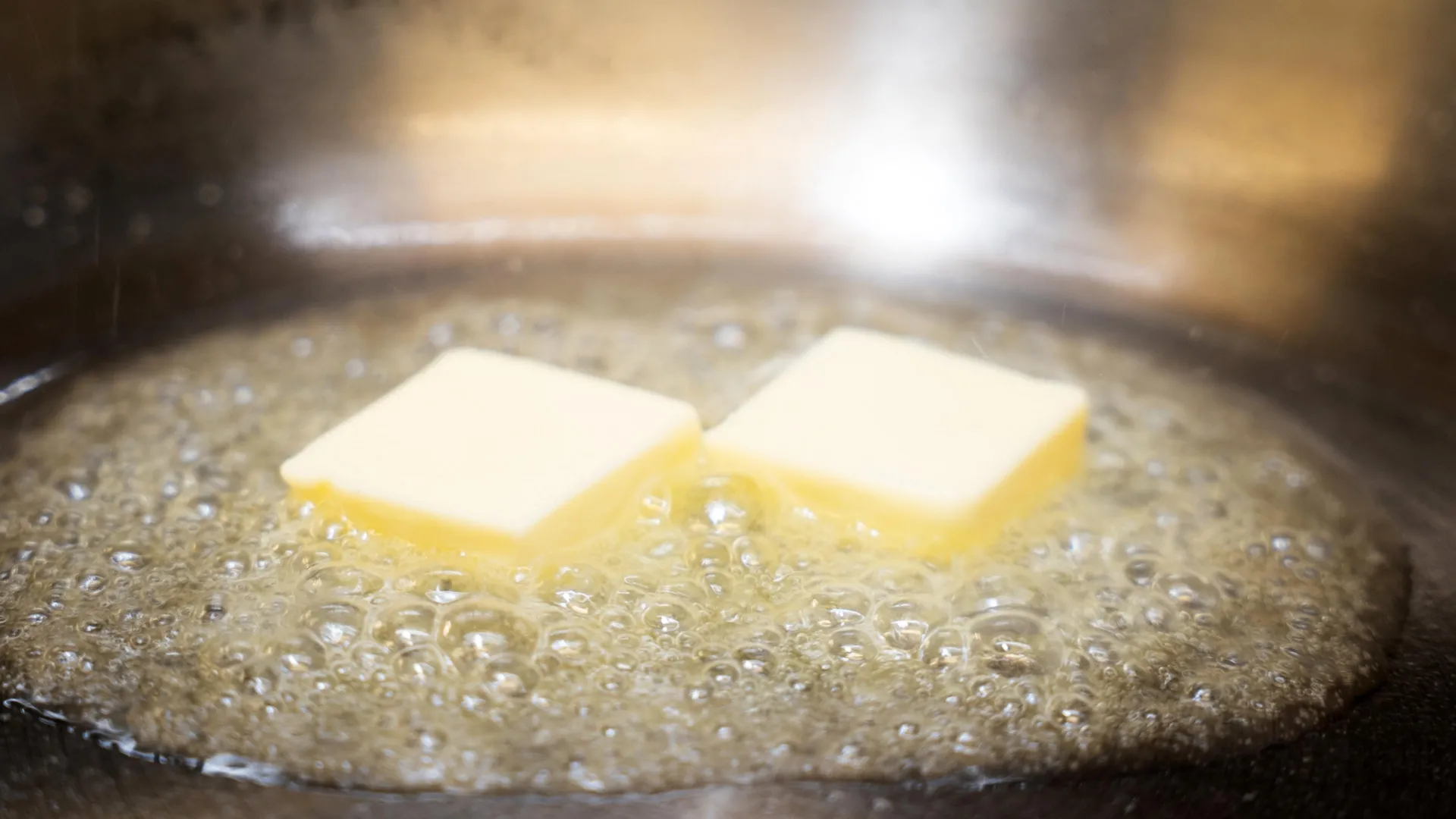
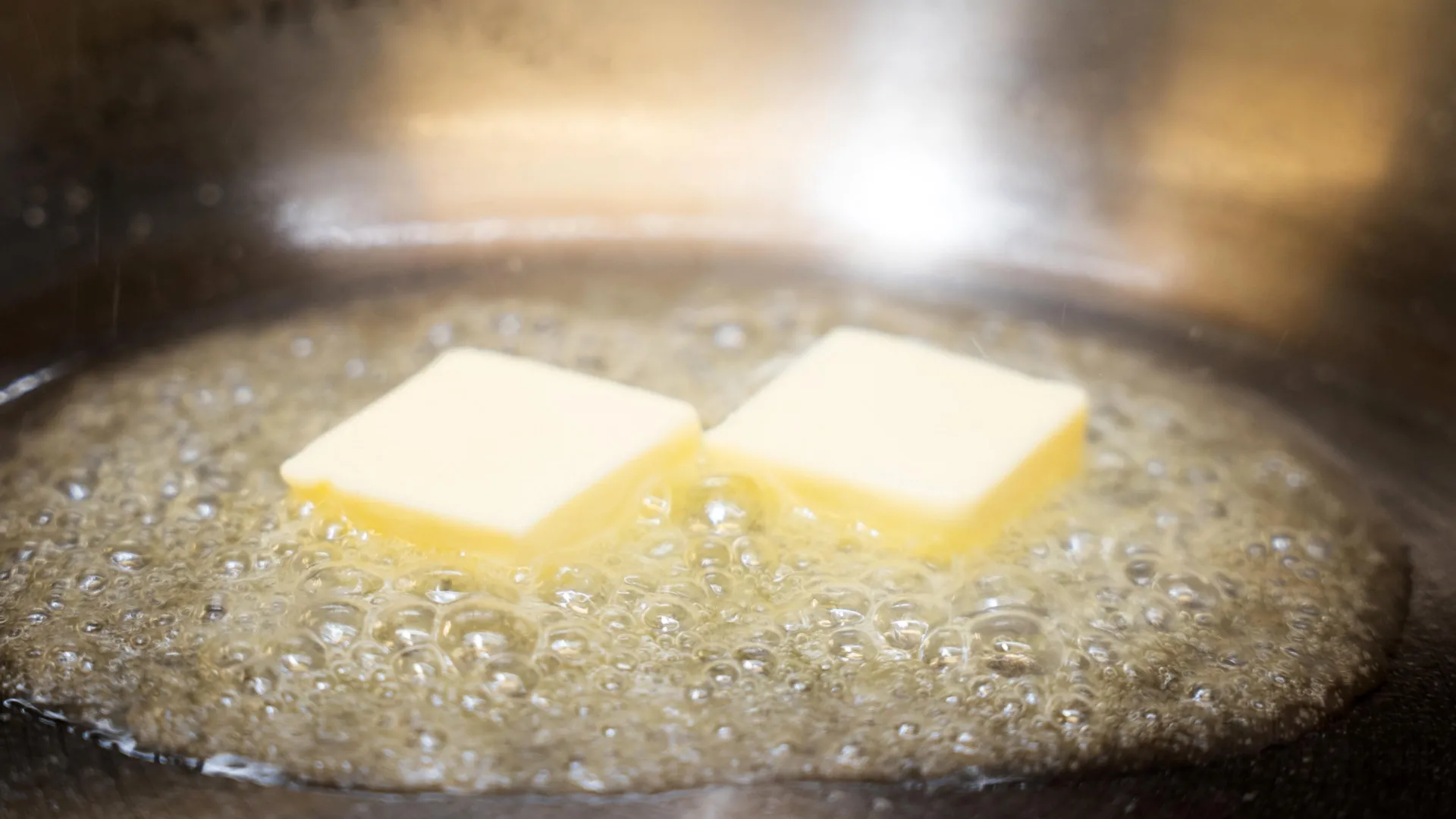
When heat is applied, the chemistry of butter truly shines. The proteins and lactose in butter undergo the Maillard reaction—a chemical process that produces that signature golden-brown color and a deep, nutty, caramelized aroma. Because margarine is fundamentally an industrial product lacking these specific dairy components, it does not brown. Furthermore, the water content in butter is vital for pastry production; in a hot oven, that water converts to steam, creating the physical separation of layers that results in flaky crusts. While some margarines attempt to mimic this, they rarely match the structural performance of pure butter fat.
Official Standards and Industry Responses
The food industry remains deeply divided on the labeling and perception of these fats. The American Butter Institute has long championed the "standard of identity," arguing that products failing to meet the strict definition of butter should be clearly labeled as "spreads" to prevent consumer confusion.
From a regulatory standpoint, the distinction between "natural" and "ultraprocessed" is a point of contention. Butter is viewed as a minimally processed, naturally occurring fat. Margarine, particularly the stick variety that undergoes interesterification, falls under the category of ultraprocessed foods. While this designation highlights the intensive manufacturing process, proponents of margarine argue that the reduction in saturated fat content provides a tangible public health benefit that should not be overlooked.
It is worth noting that manufacturers are currently not required to disclose on the product label whether their margarine has undergone interesterification, leaving consumers to rely on broader nutritional panels rather than process-specific information.
Implications for the Modern Kitchen
Understanding the science of fats has profound implications for how we approach cooking. If you are baking a delicate puff pastry, butter is scientifically superior due to its steam-producing capabilities and crystalline structure. If you are looking for a consistent, shelf-stable spread that maintains a specific melting point regardless of ambient temperature, margarine offers distinct advantages.
The Sensory Mimicry
The golden hue of butter is a gift of nature: cows consume grass rich in beta-carotene, an orange pigment they cannot fully metabolize, which then passes into their milk. Margarine manufacturers, aiming to replicate this appealing aesthetic, add synthetic beta-carotene to their products. Similarly, the "buttery" flavor of margarine is largely an industrial achievement, often involving the addition of diacetyl—a molecule responsible for the signature aroma of butter—along with whey components and preservatives designed to prevent the emulsion from breaking.
Health vs. Function
The debate between butter and margarine is ultimately a balancing act between health considerations and culinary performance. From a health perspective, the move toward unsaturated fats and the elimination of trans fats in margarine has been a significant win for public health, helping to lower dietary cholesterol intake. However, from a culinary standpoint, the chemical complexity of butter—its proteins, its lactose, and its specific crystalline geometry—remains the gold standard for flavor development and texture in baking.
In conclusion, the choice between butter and margarine is not merely a matter of personal preference; it is a choice between two distinct chemical pathways. One is a product of animal metabolism and traditional dairy science, characterized by its ability to brown, flake, and caramelize. The other is a triumph of modern food engineering, designed for stability, consistency, and a healthier fat profile. By understanding these functional differences, home cooks and professional chefs alike can move beyond the "butter vs. margarine" rivalry and instead view them as specialized tools in their culinary arsenal, each with a unique role to play in the science of the perfect meal.