Main Facts: The Allegations Against a Boeing-Backed Innovator
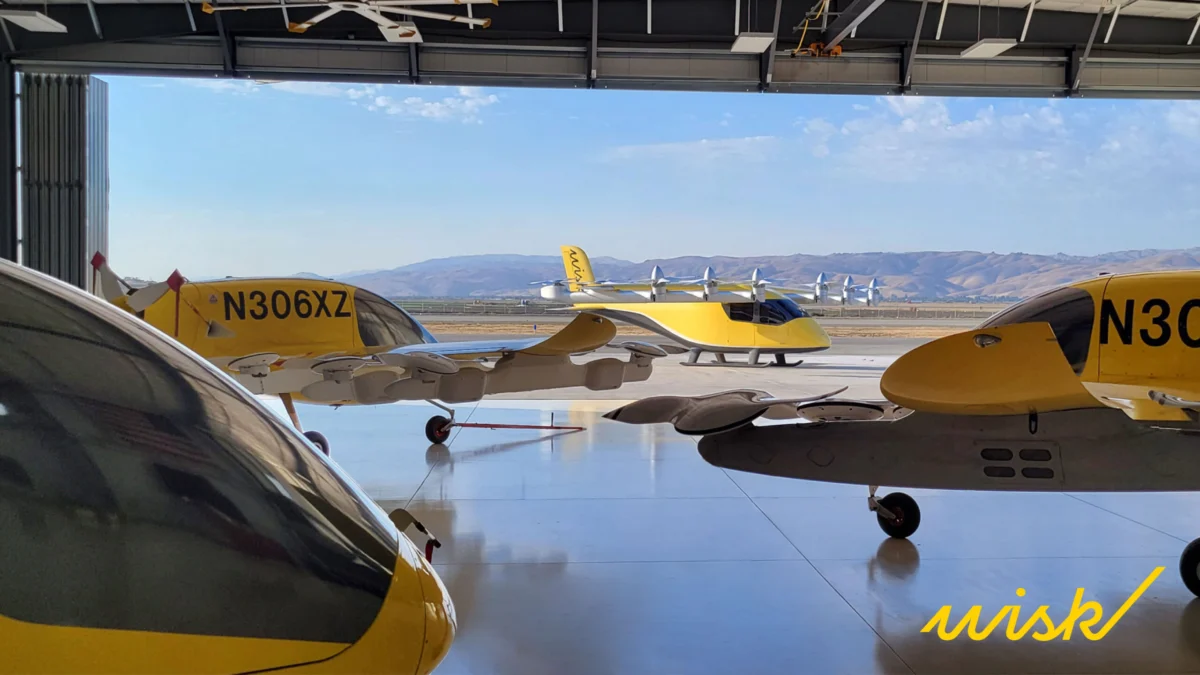
Wisk Aero, the cutting-edge electric air taxi developer and subsidiary of aerospace giant Boeing, finds itself at the center of a high-stakes legal battle that threatens to cast a shadow over its ambitious roadmap for autonomous aviation. Briahna O’Neill, a former software manager at the company, has filed a lawsuit in Santa Clara Superior Court alleging that she was systematically discriminated against and ultimately wrongfully terminated for flagging critical safety concerns regarding the company’s software development lifecycle.
At the heart of the complaint is the allegation that Wisk Aero—under pressure to meet aggressive industry milestones—prioritized flight test deadlines over rigorous FAA-mandated software verification protocols. O’Neill, who served in a pivotal role overseeing software quality, claims that she witnessed a culture where engineers were directed to curtail testing procedures to ensure that the company’s electric vertical takeoff and landing (eVTOL) aircraft could meet a critical 2025 flight test window.
The lawsuit, which has sent shockwaves through the emerging Urban Air Mobility (UAM) sector, underscores the inherent tension between the rapid pace of Silicon Valley-style innovation and the stringent, slow-moving safety requirements mandated by federal aviation regulators. While Wisk Aero has maintained a reputation as a frontrunner in the race for fully autonomous, pilotless passenger flights, these allegations raise uncomfortable questions about the internal governance and safety culture of a company backed by the world’s largest aerospace manufacturer.
Chronology: A Timeline of Internal Conflict and Escalation
The trajectory of the dispute between O’Neill and Wisk Aero highlights a breakdown in internal safety reporting mechanisms.
- 2019: Wisk Aero is founded as a joint venture, eventually becoming a wholly-owned subsidiary of Boeing. The company sets its sights on developing the industry’s first fully autonomous, all-electric passenger aircraft.
- The Lead-up to 2024: As Wisk scales its operations, it aggressively pursues FAA certification for its next-generation aircraft. Internal pressure builds as the company targets a pivotal 2025 flight test milestone.
- The First Safety Complaint: O’Neill allegedly files her first internal report, raising alarm bells regarding the reduction of FAA-required software testing. She claims that management viewed these testing requirements as "bottlenecks" rather than essential safety gates.
- The Second Safety Complaint: Following what she describes as a lack of corrective action, O’Neill files a second, more formal safety complaint. She alleges that the directive to bypass testing protocols remained in place, directly threatening the airworthiness of the software stack.
- The Termination: Within weeks of filing her second complaint, O’Neill is terminated from her position. She alleges that her dismissal was retaliatory, serving as a warning to other staff members who might consider voicing safety concerns.
- Early 2026: Wisk is among eight companies granted approval by the FAA to participate in a landmark three-year testing program for eVTOL aircraft across 26 states.
- Mid-2026: O’Neill files her lawsuit in Santa Clara Superior Court, bringing the internal disputes into the public domain.
Supporting Data: The Stakes of eVTOL Safety
The allegations brought forward by O’Neill are particularly sensitive given the current regulatory climate. The FAA is currently navigating the "Integration of Urban Air Mobility" initiative, a complex undertaking that requires companies like Wisk to prove that their software—which controls everything from navigation to emergency obstacle avoidance—is as reliable as the avionics found on commercial jetliners.
Software Complexity in Autonomous Flight
Unlike conventional aircraft, where a pilot acts as the ultimate fail-safe, Wisk’s goal is full autonomy. This necessitates a "deterministic" software environment, where every line of code is verified to operate under infinite edge cases. According to industry experts, cutting testing corners in such an environment is not merely a bureaucratic shortcut; it is a fundamental safety risk. FAA standards, such as DO-178C (Software Considerations in Airborne Systems and Equipment Certification), are notoriously rigorous, requiring thousands of hours of simulation and edge-case testing.
The Boeing Connection
Wisk’s status as a Boeing subsidiary adds a layer of complexity. Since the 737 MAX crises, Boeing has faced intense global scrutiny regarding its safety culture and its relationship with regulators. Critics argue that if Boeing-owned subsidiaries are failing to uphold the highest standards of safety documentation, it could further erode public trust in the aerospace giant’s ability to oversee safety-critical innovation.
Official Responses: A Wall of Silence
In the wake of the lawsuit, the response from the corporate entities involved has been remarkably reserved. Boeing, when approached by The Seattle Times and other outlets, has consistently declined to comment, citing the pending nature of the litigation.
Wisk Aero has issued a standard statement asserting its commitment to safety while refusing to discuss the specifics of O’Neill’s claims. "We are committed to the highest standards of safety and regulatory compliance," a company spokesperson noted. "However, as a matter of policy, we cannot comment on ongoing litigation or personnel matters."
Legal experts note that this "no comment" approach is standard for companies facing wrongful termination suits, as any public acknowledgment of the specifics could be used as an admission of liability in court. However, from a public relations standpoint, the silence leaves a vacuum that is rapidly being filled by speculation regarding the true nature of Wisk’s development culture.
Implications: The Future of Urban Air Mobility
The lawsuit against Wisk Aero serves as a critical inflection point for the entire eVTOL industry. The implications are broad, affecting everything from investor confidence to the pace of federal oversight.
1. Regulatory Scrutiny
The FAA is unlikely to ignore allegations of systemic testing failures. The agency has the power to pause testing permits or increase the frequency of audits. If the court findings corroborate O’Neill’s claims, Wisk could face significant delays in its certification timeline, potentially jeopardizing its leadership position in the market.
2. Investor Confidence
The UAM sector is capital-intensive, relying on billions of dollars in venture capital and backing from major aerospace firms. Investors are sensitive to safety risks, as a single high-profile accident caused by a software failure could lead to a massive regulatory crackdown that effectively kills the industry. Transparency in safety reporting is now being viewed as a key metric for investor due diligence.
3. The Whistleblower Climate
This case sets a precedent for how aerospace startups treat their safety-conscious employees. If the court sides with O’Neill, it will send a strong message to the industry that retaliation against safety whistleblowers will be met with severe financial and legal penalties. Conversely, if Wisk is cleared, it may embolden other firms to prioritize speed-to-market over safety, potentially creating a "race to the bottom" in terms of compliance standards.
4. The Path to Autonomy
The dream of flying taxis—convenient, quiet, and electric—hinges on the public’s willingness to step into a vehicle without a human pilot. If the public perceives that the underlying software is being rushed through development, the adoption curve for these vehicles will flatten significantly. Safety is the foundation upon which the entire UAM business model is built; without it, the industry lacks a "license to operate."
Conclusion
As the case progresses through the Santa Clara Superior Court, the aviation world will be watching closely. While Wisk Aero continues its push toward the 2025 and 2026 milestones, the allegations brought by Briahna O’Neill have forced a conversation that the industry cannot afford to ignore. The battle between innovation and regulation is a defining characteristic of the 21st-century aerospace industry, and for Wisk, the outcome of this legal struggle may determine whether they truly take flight or remain grounded by the weight of their own internal challenges.