For decades, the automotive industry operated under a singular, high-efficiency philosophy: the "Global Car." The logic was as compelling as it was profitable—design a chassis in Stuttgart or Munich, optimize it for worldwide production, and export the same mechanical DNA to showrooms from Los Angeles to Shanghai. It was a formula that fueled the post-war expansion of German luxury powerhouses, allowing Audi to secure a foothold in China as early as 1988, a full six years before BMW and 17 years ahead of Mercedes-Benz.
However, that era is rapidly coming to a close. The modern Chinese automotive landscape, once a playground for established European premium brands, has transformed into a high-tech crucible where the traditional rules of engineering and brand heritage are being rewritten by local competition. In response, Audi has taken the radical step of launching a dedicated, China-only brand, shedding the iconic Four Rings in favor of a new, localized identity.
A Legacy of Adaptation
Audi’s early entry into China provided a front-row seat to the rapid maturation of the market. In the 1990s and early 2000s, the primary point of friction between German design and Chinese demand was cabin space. While European buyers prioritized driving dynamics and compact agility, Chinese consumers—many of whom viewed luxury cars as chauffeur-driven symbols of status—demanded expansive rear legroom.
The "Long Wheelbase" (LWB) phenomenon was born out of this necessity. Audi, along with its German peers, began stretching the chassis of its global models specifically for the Chinese market. This became the standard operating procedure: take a global platform, add 10 to 15 centimeters to the wheelbase, and market it as a regional exclusive. But as the market evolved, simple geometry was no longer enough. The digital revolution in China, characterized by hyper-connected smart cockpits and autonomous driving features, pushed the "Global Car" concept toward obsolescence.
The Birth of "AUDI": A Brand Without Rings
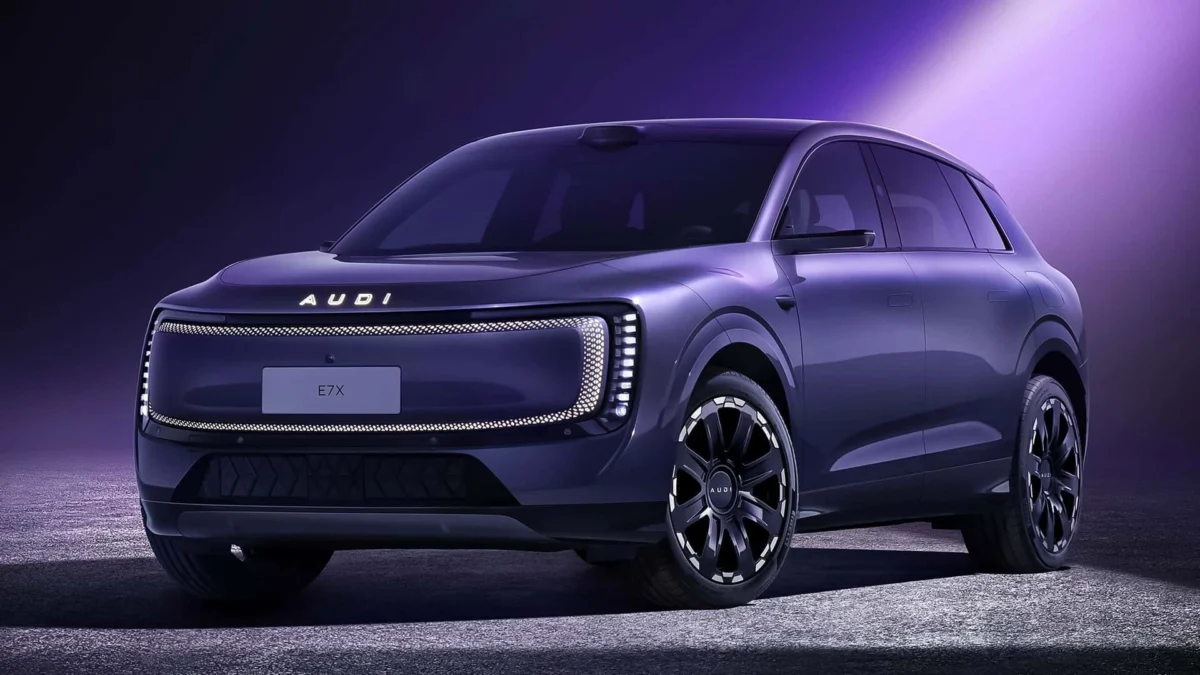
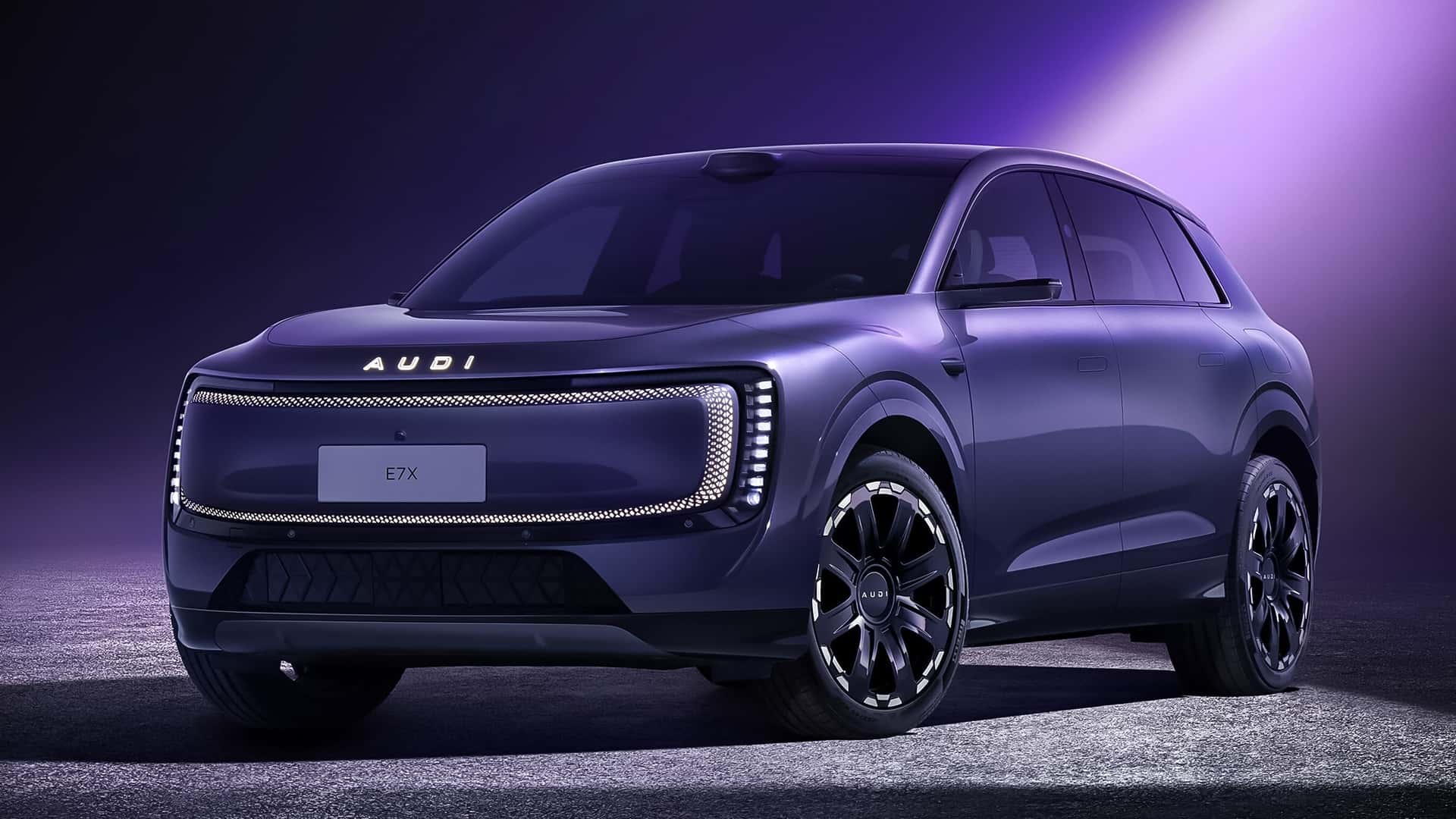
The most tangible manifestation of this shift is the birth of "AUDI"—a distinct sub-brand that eschews the iconic, century-old Four Rings logo in favor of a capitalized, minimalist wordmark. Developed in collaboration with Chinese automotive giant SAIC, this brand is not merely a regional trim level; it is an entirely new ecosystem.
The current lineup, led by the E5 Sportback and the recently introduced E7X SUV, signals a clean break from European design language. These vehicles are engineered specifically for the Chinese palate, emphasizing the "smart cabin" experience over the traditional "German driving feel." With a new sedan already in the pipeline, Audi is signaling that it no longer views China as a market for its European exports, but as an independent development hub.
The CTO’s Perspective: Why the "One-Size-Fits-All" Model Failed
In a candid interview with the Australian publication GoAuto, Audi’s Chief Technical Officer, Rouven Mohr, articulated the strategic pivot with brutal honesty. "I think the idea of the global car—so one car that fits the world—this is gone, to be honest," Mohr stated. "It’s not fitting anymore in the US or in China. You need this kind of local-for-local pillar."
Mohr’s sentiment is supported by Ralf Brandstätter, the head of Volkswagen Group in China. Last year, Brandstätter highlighted a fundamental cultural chasm in automotive expectations. While European buyers still value tactile, physical switchgear, long-term mechanical durability, and a specific "on-road" driving character, Chinese buyers are demanding an "AI-first" experience. For the modern Chinese consumer, a car is a mobile extension of their digital life. They prioritize seamless integration with local ecosystems, sophisticated voice-command interfaces, and smart cockpits that function more like high-end consumer electronics than traditional motor vehicles.
The Rise of Domestic Competition
The pressure to localize is not just a preference; it is a defensive necessity. For years, the German "Big Three"—Audi, BMW, and Mercedes-Benz—enjoyed an unassailable position in China. They were the benchmark of quality, and there were virtually no domestic rivals capable of challenging their technical prowess.
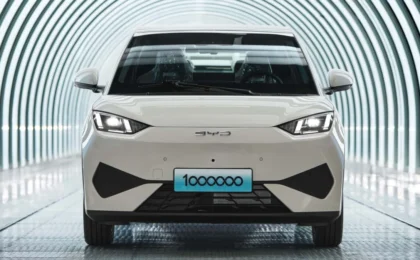
That dynamic has evaporated. Chinese manufacturers, once unfairly dismissed for their early attempts at replicating Western designs, have undergone a meteoric evolution. Companies like BYD, Nio, and Li Auto have pivoted to electric and software-defined architectures at a pace that has left legacy manufacturers scrambling. These domestic players offer vehicles that are not only more affordable but often feature higher levels of technological integration than their German counterparts.
Moreover, the "prestige gap" is closing. Younger Chinese buyers, who are less tethered to the historical cachet of European luxury brands, are increasingly opting for domestic vehicles that offer a superior user experience. When a domestic brand provides a better-connected, more responsive, and more "intelligent" vehicle at half the price, the historical weight of a German badge loses its gravitational pull.
Implications for the Core Audi Brand
Does this mean the end of the traditional Audi in China? Not entirely. The company intends to maintain a two-tiered approach. The core Audi brand, with its Four Rings and German engineering legacy, will remain available for customers who seek that specific, established identity. However, the company acknowledges that future growth—the kind required to maintain market relevance—will likely emanate from the new, localized AUDI brand.
This split is also influencing the evolution of the global Audi brand. The company’s new "Strive for Clarity" design philosophy, recently previewed on the Concept C and Nuvolari sports cars, represents a massive aesthetic shift. It is a more refined, tech-forward, and minimalist approach to design that will begin appearing on mass-production models starting with the electric A4 in 2028. Notably, in a nod to the friction caused by over-digitization, Audi is also planning to reintroduce more physical switchgear, recognizing that while the Chinese market craves digital innovation, the global market still craves haptic feedback and ergonomic reliability.
Strategic Outlook: The "Local-for-Local" Future
The shift toward "local-for-local" development is a profound admission that the automotive industry is entering an era of regional fragmentation. For a company as deeply rooted in German engineering traditions as Audi, the decision to separate its China strategy from its global operations is a high-stakes gamble. It requires maintaining two distinct research and development streams, two different supply chains, and two different brand identities.
Yet, the alternative—a slow erosion of market share in the world’s largest car market—was deemed unacceptable. By decoupling its Chinese operations, Audi is attempting to preserve its global identity while simultaneously competing on the same terms as the agile, software-heavy domestic Chinese brands.
The success of this strategy will be measured in the coming years as the new AUDI models hit the streets in larger numbers. If the brand can capture the spirit of the local market while retaining the structural integrity associated with its parent company, it may provide a roadmap for other global automakers to follow.
Ultimately, the lesson of the last three decades is clear: the automotive world is no longer a monolith. The future of mobility will not be written in a single global language, but in a series of local dialects. For Audi, the ability to speak those dialects—without losing its voice—will determine whether it remains a leader in the next century of transportation or becomes a relic of the global era that passed it by.