Date: July 2, 2026
Location: Washington, D.C.
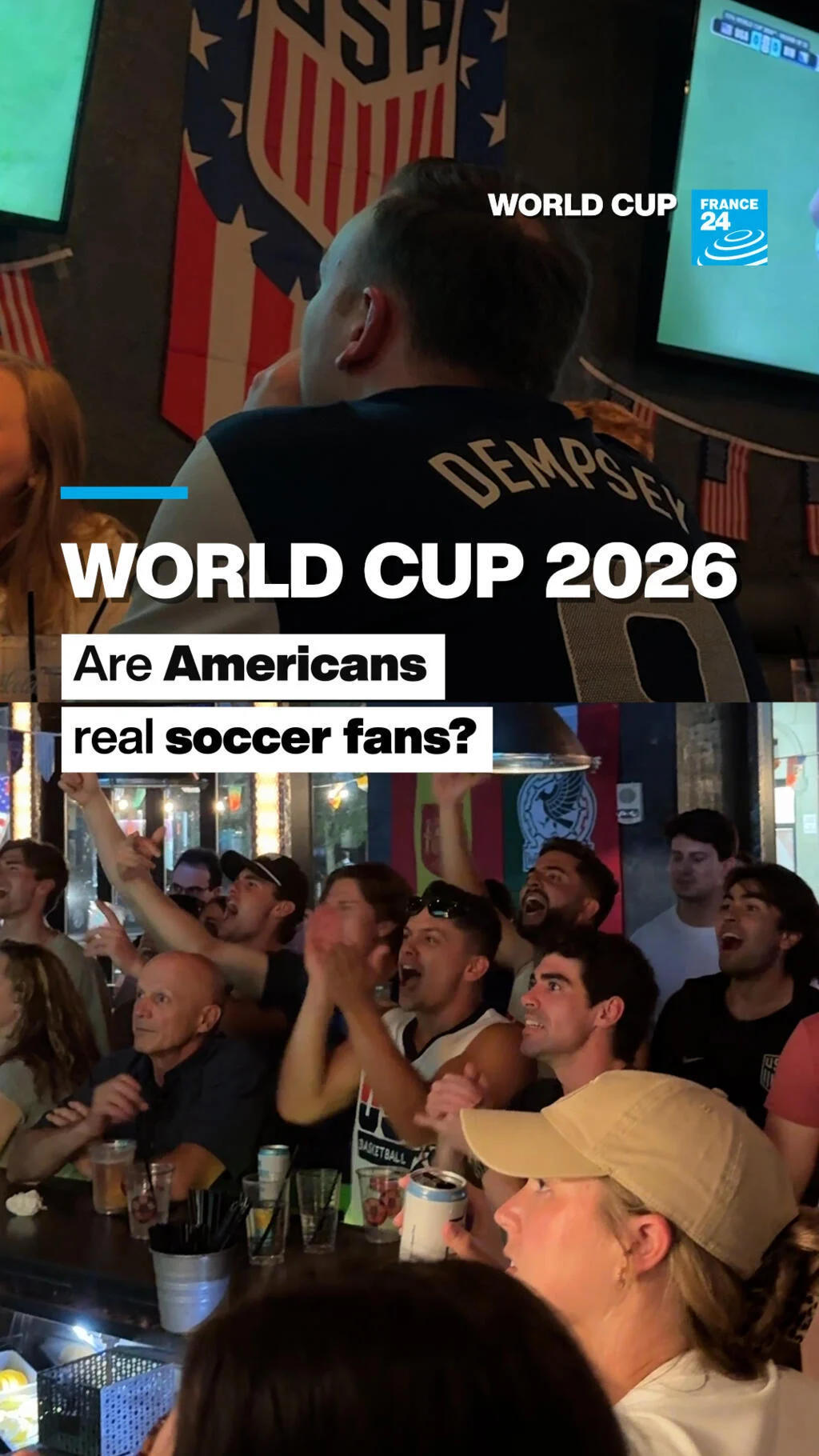
For decades, the global footballing community viewed the United States as a peculiar outlier—a massive, wealthy nation that remained stubbornly indifferent to the world’s most popular sport. Critics often derided American interest in soccer as "fickle" or "superficial," a hobby played by children that withered away the moment they entered high school. However, as the 2026 FIFA World Cup reaches its fever pitch on American soil, the narrative has shifted fundamentally. The question is no longer whether Americans can play soccer, but whether the cultural infrastructure of the United States has finally solidified around the "beautiful game."
Main Facts: The New Landscape of U.S. Soccer
The 2026 World Cup—co-hosted by the United States, Canada, and Mexico—serves as the definitive litmus test for American soccer fandom. With matches spread across 16 iconic cities, from the Pacific coast to the Atlantic seaboard, the sheer scale of the event has brought professional-grade football to every corner of the country.
The primary shift in the American landscape is demographic and technological. Unlike the 1994 World Cup, which acted as an introductory seminar for a curious American public, the 2026 edition finds a nation already deeply embedded in global football culture. Major League Soccer (MLS) has evolved from a nascent experimental league into a stable, globally recognized entity that serves as a destination for both rising South American talents and European veterans. Furthermore, the ubiquity of streaming platforms has allowed younger generations of Americans to follow the Premier League, La Liga, and the Champions League with the same fervor they reserve for the NFL or the NBA.
A Chronology of Growth: From 1994 to 2026
To understand the current fervor, one must look at the slow, deliberate climb of the sport over the last thirty years.
- 1994: The Seed is Planted: The FIFA World Cup in the U.S. set attendance records that stand to this day. It led directly to the creation of Major League Soccer in 1996, providing a permanent home for the sport.
- 2002: The Global Stage: The U.S. Men’s National Team’s (USMNT) surprising run to the quarterfinals in the Korea/Japan World Cup provided the first real spark of national pride and mainstream recognition.
- 2010–2014: The Digital Era: The rise of high-speed internet and global broadcasting rights turned the U.S. into one of the most important markets for European leagues. Soccer became a "water cooler" sport for the first time.
- 2023: The Messi Effect: Lionel Messi’s transfer to Inter Miami CF catalyzed a massive influx of investment and public interest, proving that the U.S. market was ready to embrace global superstars as domestic icons.
- 2026: The Coming of Age: As the current tournament unfolds, the integration of soccer into the American sporting identity appears complete. Participation rates in youth leagues, television ratings for international matches, and the massive scale of stadium sell-outs indicate a permanent shift in the national psyche.
Supporting Data: By the Numbers
The evidence of this maturation is found in the data, which highlights a profound change in consumer behavior. According to recent Nielsen sports analytics, soccer is now the most popular sport among Americans aged 18 to 34, surpassing baseball and challenging basketball for second place behind American football.
- Television Reach: The broadcast rights for international leagues in the U.S. are now among the most expensive in the world. NBC’s coverage of the Premier League consistently draws larger audiences than the NHL’s national broadcasts.
- Investment: Domestic soccer-specific stadiums have proliferated. There are now over 20 stadiums purpose-built for soccer in the U.S., a stark contrast to the 1990s when teams were forced to play in cavernous, poorly configured American football arenas.
- Youth Participation: The U.S. Youth Soccer Association reports record-breaking registration numbers, with a notable surge in diversity and inclusion programs that have expanded the game into previously underserved urban and rural communities.
Official Responses: What the Stakeholders Say
The international football community has been quick to acknowledge this transformation. FIFA President Gianni Infantino recently remarked that the United States is no longer a "developing" soccer nation, but a "leading" one.
"The infrastructure, the passion, and the technical knowledge of the American fan base have surpassed all expectations," Infantino stated during the tournament’s opening ceremony in Los Angeles. "The United States is now a pillar of the global football economy."

Domestically, U.S. Soccer Federation officials have focused on the legacy of the 2026 tournament. Don Garber, the Commissioner of MLS, noted that the league’s focus has transitioned from "survival" to "expansion." He emphasized that the growth of the sport is no longer about convincing Americans to watch soccer, but about building the grassroots systems necessary to produce world-class talent within the U.S. borders.
Implications: The Long-Term Cultural Shift
The implications of this shift are far-reaching, affecting both the domestic sports economy and the global balance of power in football.
The Economic Impact
The commercialization of soccer in the U.S. has created a new frontier for sponsorships and branding. As European clubs increase their pre-season tours in the U.S., they are effectively treating the American market as their primary growth engine for the next decade. The localized economic impact of hosting World Cup matches is estimated in the billions of dollars, with cities seeing unprecedented tourism spikes and hospitality revenue.
The Talent Pipeline
Perhaps the most significant implication is the change in the American talent pipeline. For years, American players had to flee to Europe to receive adequate coaching. Today, the U.S. domestic academy system is producing high-caliber players who are being scouted by the world’s elite clubs. This creates a virtuous cycle: as American players succeed abroad, they inspire the next generation of domestic fans, further cementing the sport’s popularity.
A Challenge to the "Big Four"
The traditional American "Big Four" sports—the NFL, NBA, MLB, and NHL—are now officially the "Big Five." While American football remains the undisputed king of domestic ratings, soccer has carved out a permanent, distinct space that does not rely on seasonal displacement. It is becoming a year-round obsession, fueled by a unique blend of domestic loyalty and global appreciation.
Conclusion: The Road Ahead
As the final matches of the 2026 World Cup approach, the narrative of the "American soccer skeptic" has been effectively retired. The country has demonstrated that it possesses the logistical capacity, the financial resources, and, most importantly, the genuine cultural appetite to sustain a world-class soccer environment.
The sport has navigated the difficult transition from a niche activity to a core component of the American experience. While there are still hurdles to clear—specifically in youth development equity and the continued integration of the USMNT into the upper echelon of world rankings—the momentum is undeniable. The "sleeping giant" of the soccer world has not just awakened; it has stepped onto the pitch, taken its position, and begun to play the game with the same intensity and ambition that characterizes every other facet of American industry.
The 2026 World Cup will be remembered not just for the goals scored or the trophies lifted, but as the moment the United States finally felt at home on the world’s greatest sporting stage. The game, it seems, has truly found a new, massive, and permanent home in the West.