By Austin Nivison
July 2, 2026
The 2026 NHL free agency period has officially kicked off, signaling the start of the annual game of musical chairs that defines the league’s offseason. While this year’s class has been widely characterized by analysts as "underwhelming" due to a lack of elite, game-breaking talent, the tactical maneuvering by front offices suggests that the league is entering a new era of salary cap management and roster construction. With the salary cap continuing to rise, teams are displaying newfound aggression in securing veteran presence, even if it requires significant financial risk.
Main Facts: High Stakes and Risky Bets
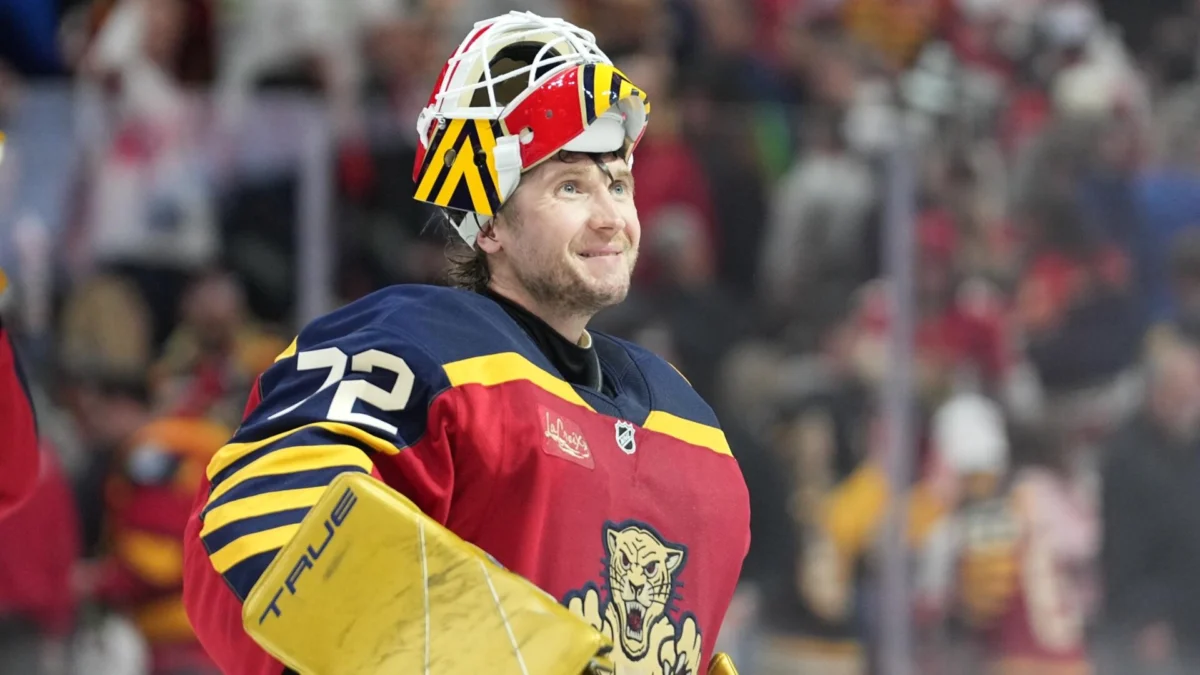
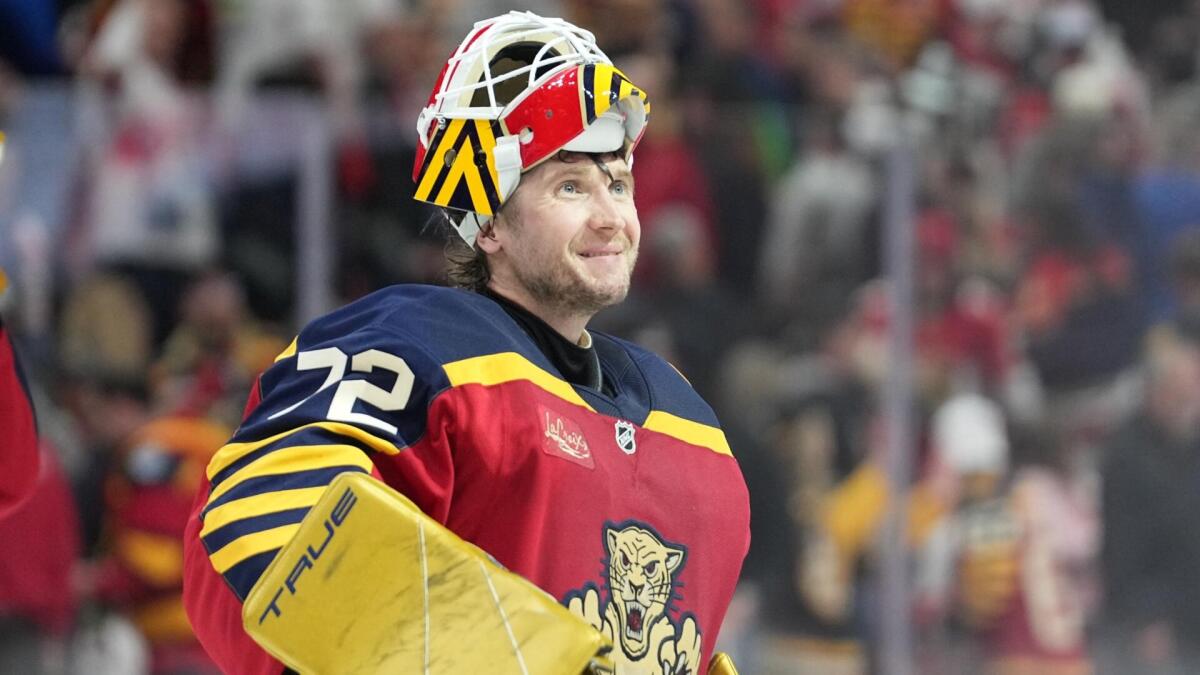
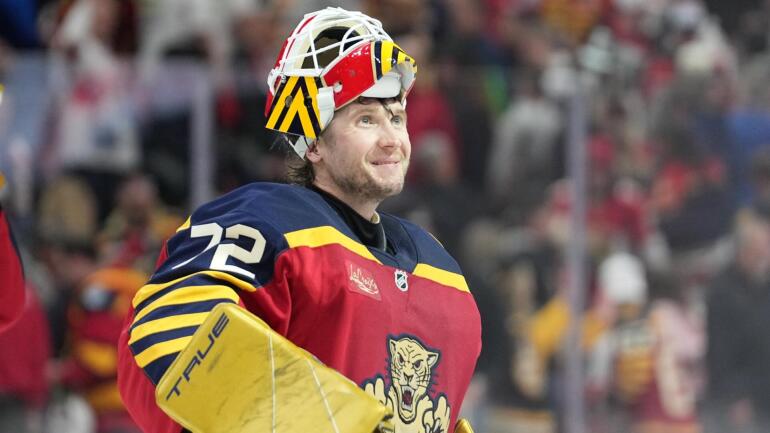
The opening hours of the market were defined by a blend of high-risk gambles and strategic stabilization. The most headline-grabbing move occurred in Toronto, where the Maple Leafs—perennially searching for a reliable answer in the crease—made a splash by signing two-time Stanley Cup champion Sergei Bobrovsky to a three-year, $21 million contract.
The move is polarizing. At 37 years old and coming off one of the statistical lows of his storied career, Bobrovsky represents a massive roll of the dice for a Toronto front office desperate to solidify their Stanley Cup window. However, the Maple Leafs are clearly banking on the veteran’s championship pedigree to provide the stability that has eluded their goaltending rotation in recent postseasons.
Elsewhere, the defensive market saw significant movement. The Florida Panthers opted for a long-term play by signing Radko Gudas to a six-year, $9 million deal. By backloading and stretching the contract, the Panthers managed to keep the average annual value (AAV) exceptionally low, a masterclass in cap-friendly structuring. Meanwhile, the Carolina Hurricanes’ earlier acquisition of John Carlson’s rights has culminated in him hitting the open market, making him one of the most intriguing defensive options for teams looking for a puck-moving veteran to anchor their power play.
Chronology: The Timeline of a Busy July 1st
The frenzy began in the days leading up to July 1, as teams utilized the period to negotiate with pending free agents. The activity was brisk, characterized by a preemptive strike strategy:
- Pre-Free Agency (June 28-30): Teams scrambled to trade for pending free agent rights to gain an exclusive window of negotiation. The Hurricanes’ move to secure the rights to John Carlson and the Panthers’ acquisition of Radko Gudas rights were the highlights of this pre-market sprint.
- The Opening Bell (July 1, 12:00 PM ET): The market officially opened, and the floodgates released a flurry of mid-tier signings as clubs sought to fill roster holes before the secondary market became depleted.
- The Prime Time Push (July 1, 6:00 PM ET): The Vegas Golden Knights made the most significant financial commitment of the day, locking in Rasmus Andersson for seven years at a total value of $59.5 million. This signaled that while the class might be "thin," teams are willing to pay top-dollar for established, top-four defensive stability.
- July 2, Early Morning: Analysts began assessing the fallout of the first 24 hours, noting a clear trend: the "star" power was limited, but the depth-signing activity was higher than in previous years.
Supporting Data: Navigating a Thin Market
The 2026 free agent pool was hampered by the fact that many of the league’s premier stars signed long-term extensions during the regular season, effectively removing themselves from the market before July 1.
Key Contract Breakdown
| Player | Team | Term | Total Value |
|---|---|---|---|
| Rasmus Andersson | Vegas Golden Knights | 7 Years | $59.5M |
| Sergei Bobrovsky | Toronto Maple Leafs | 3 Years | $21.0M |
| Radko Gudas | Florida Panthers | 6 Years | $9.0M |
The "thin" nature of this class is reflected in the lack of offensive firepower. Alexander Ovechkin remains the most recognizable name on the board, though industry consensus suggests his tenure is limited to either a return to the Washington Capitals or retirement. Without a marquee goal-scorer like an Ovi in his prime, teams have pivoted toward defensive reliability and goaltending reclamation projects, as evidenced by the high investment in Bobrovsky and Andersson.
Official Responses and Front Office Philosophy
The strategy adopted by teams this year highlights a shift in how general managers view the "value" of a veteran.
"We aren’t looking for a rebuild; we are looking for a bridge to the next generation," said a source within the Toronto Maple Leafs front office regarding the Bobrovsky signing. "Sometimes you pay for the name, but more often, you pay for the experience in the locker room. Sergei brings that in spades."

Contrastingly, the Florida Panthers’ approach with Radko Gudas points toward a trend of "efficiency-first" management. By structuring a six-year deal with a low AAV, Florida has insulated itself against future cap spikes, allowing them to remain flexible as their core roster evolves. This highlights a growing sophistication in contract negotiation, where teams are prioritizing the shape of the contract as much as the player’s performance.
Implications: The Long-Term Outlook
As the dust settles on the initial signing phase, the long-term implications for the league are beginning to take shape:
1. The Rise of the "Cap-Compliant" Veteran
Teams are increasingly wary of signing players to massive, untradeable contracts. The trend toward multi-year deals with lower cap hits—like the Gudas contract—is becoming the industry standard. This allows teams to maintain a competitive roster while keeping enough space to re-sign their own internal prospects.
2. The Goaltending Carousel
The Maple Leafs’ acquisition of Bobrovsky suggests that teams are no longer waiting for the draft to find solutions in net. With goaltending becoming the league’s most volatile position, teams are willing to pay a premium for veterans who have "seen it all," even if their recent statistical output has fluctuated.
3. The End of an Era
With icons like Alexander Ovechkin nearing the end of their careers, the league is clearly in a transition phase. The 2026 class will likely be remembered as the "Bridge Year"—a season where teams focused on internal development and cost-controlled veterans rather than chasing the elusive, expensive "franchise player."
4. Competitive Parity
Because there was no single dominant team-altering acquisition this year, the parity across the league is expected to remain high. No single team "won" free agency in a way that shifts the odds of the Stanley Cup dramatically, meaning the upcoming season will likely be decided by which teams successfully integrate their depth signings and avoid injury-riddled slumps.
Final Thoughts: Looking Ahead
While the 2026 free agency period lacked the fireworks of seasons past, it provided a fascinating look at the modern NHL’s priorities. Teams are smarter, more cautious, and increasingly obsessed with the mechanics of the salary cap. As the remaining free agents finalize their deals, the focus will shift from the boardroom to the ice. Training camps are only a few months away, and for teams like Toronto, Vegas, and Florida, the true test will be whether these off-season gambles pay dividends when the puck drops in October.
The market may be quiet for now, but the ripple effects of these signings will be felt throughout the 2026-27 season. For the fans, the message is clear: the game of musical chairs is far from over, but the seats are becoming increasingly hard to find.